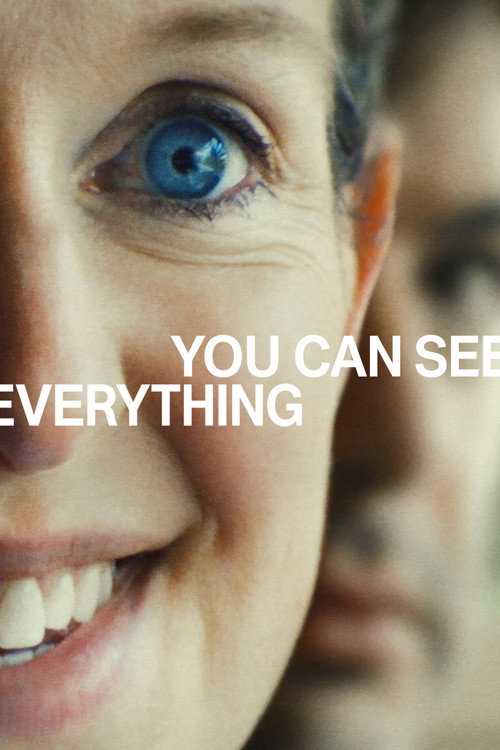
In an age where privacy feels like a relic of the past, You Can See Everything has arrived to hold up a mirror to our digital existence, shocking audiences with its intimate, terrifying scope. The documentary isn't just a film; it is a cultural phenomenon that has turned the box office into a space for communal reflection on how we live today.
This deep dive examines why the film is trending, the unprecedented access it secured, and the chilling reality of a world where anonymity is effectively dead.
The Rise of Surveillance Cinema
Context and background: It is rare for a documentary to break into the mainstream box office discourse, but You Can See Everything has managed to do exactly that by tapping into a collective anxiety regarding the technology we carry in our pockets. By focusing on the infrastructure of modern observation, the film forces viewers to confront the reality that their daily movements, purchases, and private conversations are documented in real-time by a vast, invisible network.
The film’s success stems from its ability to turn complex technical surveillance into a visceral, human story. It doesn't just present data; it creates a narrative that feels like a thriller, pulling the audience into the perspective of both the observed and the observer.
The brilliance of the film lies not in its warning, but in its revelation: we aren't just being watched—we are the primary contributors to our own surveillance.
What Worked and What Did Not
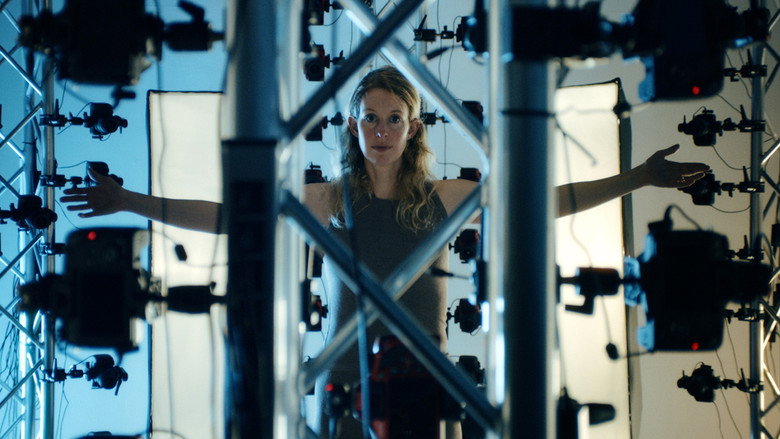
What worked: The director's decision to use anonymized data visualization alongside real-world investigative journalism provides a balance of scale and emotion that is rarely achieved in this genre. The pacing is relentless, mimicking the feeling of being tracked, and the final act offers a perspective on digital freedom that is both sobering and thought-provoking.
You Can See Everything scene 1
What did not work: Some critics argue that the film occasionally leans too heavily into fear-mongering without offering actionable solutions for the average user. There are moments where the technical jargon might alienate non-tech-savvy viewers who are simply looking for a compelling story rather than a masterclass in metadata collection.
The verdict:You Can See Everything is a must-watch cinematic experience that manages to be both educational and deeply unsettling, solidifying its place as one of the most important documentaries of the year.
What Fans Are Saying
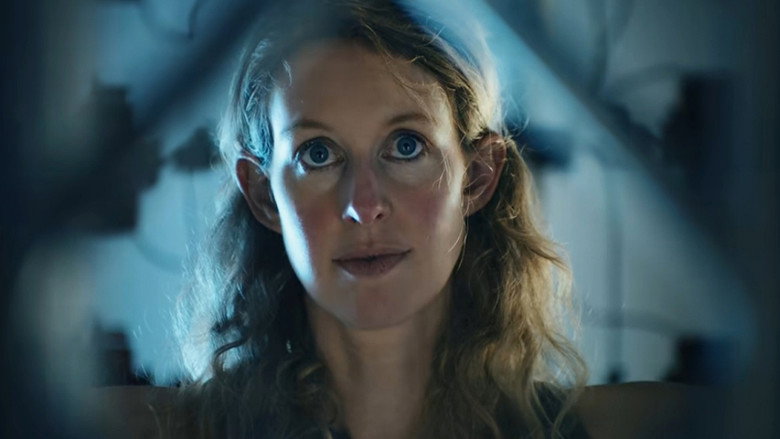
The defenders: Many fans argue that the film is a necessary wake-up call, praising it for stripping away the veneer of convenience that big tech companies use to sell our data. Supporters note that the film’s visual style alone makes it worth seeing on the big screen.
You Can See Everything scene 2
The critics: Detractors feel the documentary relies too heavily on anecdotal evidence to prove larger, systemic points. Some have suggested that the film’s tone is intentionally hyperbolic to drive box office numbers, questioning the objectivity of the filmmaker's agenda.
The middle: Most viewers fall in the middle, acknowledging that while the film is undoubtedly gripping, it leaves them with more questions than answers. It acts more as a conversation starter than a conclusive investigation, which is exactly why it is dominating the social media discourse right now.
You Can See Everything scene 3
I left the theater wanting to throw my phone into the nearest river, but I also realized I wouldn't last a day without it. That is the genius of this documentary.
A Reality Check on Our Digital Lives
The film excels at highlighting how quickly our concepts of privacy have shifted in the last decade. It isn't just about government overreach; it is about the normalization of data collection as a trade-off for efficiency and social connectivity. By mapping out how these systems interconnect, the documentary shows that we are living in an era of total visibility.
The conclusion: Ultimately, You Can See Everything is more than just a box office success; it is a sign of our times. As we continue to navigate a world that is constantly watching, the film challenges us to think critically about our own boundaries.
Whether you find the documentary empowering or terrifying, it is impossible to ignore the message it carries. In a world where you can see everything, the question remains: are we really seeing what matters?