
Woman of the Hour True Story: The Real Dating Game Killer Rodney Alcala
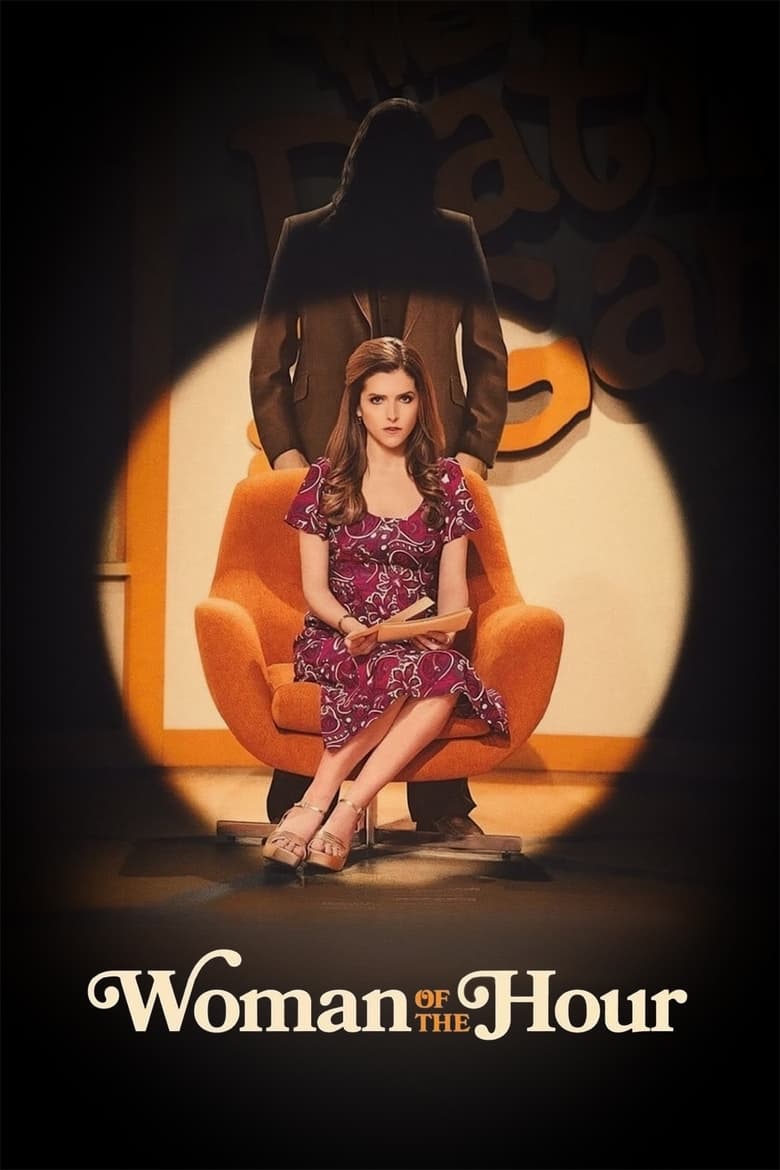
Anna Kendrick's Woman of the Hour (2023), her directorial debut, dramatizes one of the most chilling true stories in American crime: Rodney Alcala, a serial killer who appeared as a contestant on the television show The Dating Game in 1978, in the middle of an active killing spree, and won. The central fact is so strange it sounds invented, and it is not. Here is what really happened on the show and around it, who the people were, and where the film shaped the truth for its purposes.
The short answer: Rodney Alcala was real, he really won the dating show mid-spree, and the bachelorette who picked him really declined to date him afterward, a decision that almost certainly saved her life.
Quick Answer
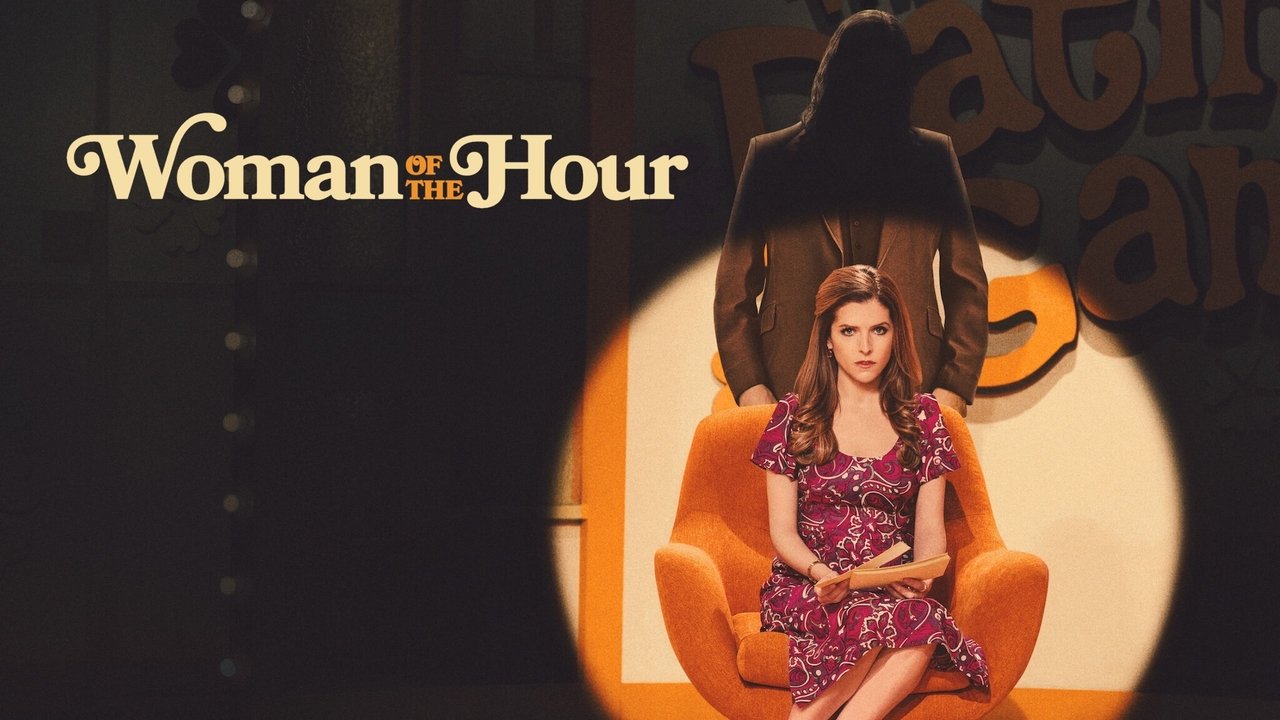
Woman of the Hour intercuts the 1978 taping of The Dating Game, on which Alcala appeared as Bachelor Number One, with the murders he was committing around the same time, and with the experiences of women who encountered him. The film is based on the real case of Rodney Alcala, who was later convicted of seven murders and is suspected of many more. The show appearance is a documented fact; the surrounding dramatizations compress and interpret the record.
TL;DR: A true and stranger-than-fiction show appearance, framed by dramatized murders and a thematic argument about misogyny and the culture that let Alcala operate.
The Real Story
Rodney Alcala was a serial killer who targeted women and girls across the United States over more than a decade. He was also a photographer, who used the promise of a photo shoot to approach victims. In 1978, between murders, he appeared as a contestant on the ABC television show The Dating Game, introduced as Bachelor Number One, and was selected by the bachelorette, Sheryl Bradshaw. Bradshaw afterward declined to go on the date the show had arranged, telling producers and others that he was unsettling. Alcala was arrested in 1979 and convicted of multiple murders across several trials. He was convicted of seven murders, and investigators have suggested the true number may be far higher, possibly over a hundred, based on unrecovered cases and his archive of photographs of unidentified women. He died in prison in 2021.
"It may seem too strange to be true, but the film's depiction of Alcala's and Bradshaw's initial meeting as contestants on The Dating Game is based on reality." — Netflix, on the central, almost unbelievable fact at the heart of the film.
What the Movie Gets Right
The show appearance: Alcala really was a contestant on The Dating Game in 1978, really was introduced as Bachelor Number One, and really won.
The bachelorette's refusal: Sheryl Bradshaw really did decline to go on the date with Alcala after the show, finding him disturbing.
The photographer angle: Alcala really was a photographer who approached victims with the offer of a shoot, a detail the film uses.
What the Movie Changes
The compression: The film compresses years of Alcala's crimes into a structure built around the show taping, for narrative effect. The real timeline was longer and more sprawling.
The victims' stories: The film dramatizes encounters with women, some of which are based on real cases and some of which are interpretive, to build its thematic argument about how the culture dismissed or failed women.
The tone of the violence: Some viewers and critics have noted the film tones down or carefully frames Alcala's violence compared to the real record, which was more explicit and more brutal.
Real People vs Dramatized Characters
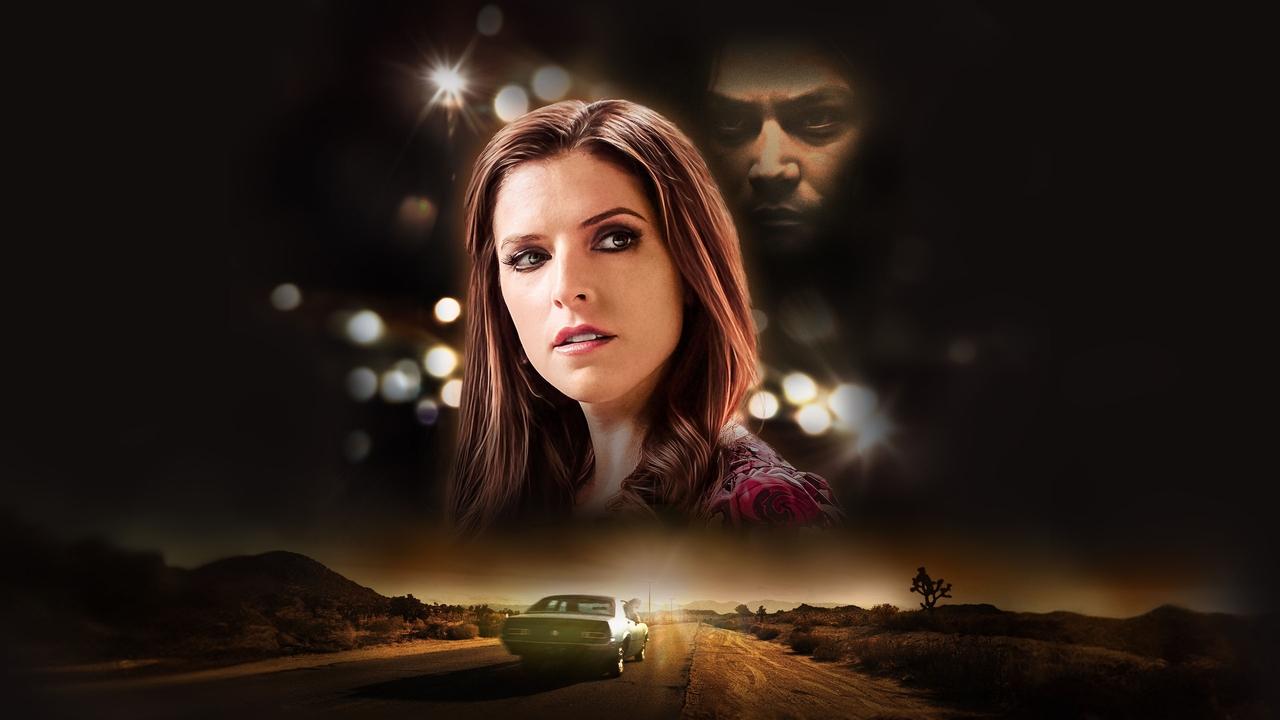
Rodney Alcala was real. Sheryl Bradshaw was real. The show's host and the format are real. Some of the women whose encounters the film depicts are based on real victims and cases, while others are interpretive composites serving the film's argument. The film is less a documentary of the case than a dramatized essay on it, using the documented facts as its spine.
Invented Scenes and Dramatized Events
The intercut structure: The film moves between the show taping and the murders, a structure that is a directorial choice rather than a record of simultaneous events.
The conversations: Specific dialogue between Alcala and the women he encounters is dramatized, drawn from the record where possible and invented where the record is silent.
The thematic frame: The film's argument about systemic misogyny is the director's interpretation, not a verbatim account, though it is grounded in the documented failures that let Alcala continue.
"Deftly directed by star Anna Kendrick, Woman of the Hour uses an incredible true story as the foundation for a powerful examination of the intersection between systemic misogyny and violence." — the critical consensus on what the film does with the real case.
Timeline of the Real Events
1960s to 1970s: Alcala commits a series of attacks and murders across the United States.
1978: Alcala appears as a contestant on The Dating Game and wins, then is declined by the bachelorette.
1979: Alcala is arrested.
1980s to 2010s: Alcala is tried and convicted across multiple proceedings, convicted of seven murders.
2021: Alcala dies in prison.

Why Hollywood Changed the Story
The show appearance is so strange that it does not need invention, but a film built only on it would be a short documentary. The film extends it into the surrounding murders and the culture that let them happen, which requires dramatization, compression, and interpretation. The result is a film that is faithful to the central fact and thematic about everything around it, which is a defensible way to tell a true story that is also an argument. The violence is framed carefully, partly out of respect for the victims, which some critics felt made the film too restrained and others felt made it more powerful.
Historical Context
Alcala operated across a period in which failures of policing, of the parole system, and of the broader culture allowed a known predator to continue. He had been arrested and released more than once before the show appearance, and the fact that a man in the middle of a killing spree could appear on national television as a dating show contestant is a indictment of the systems that should have caught him. The film uses the show to make that indictment visible, which is what makes it more than a true crime dramatization.
Frequently Asked Questions
Is Woman of the Hour based on a true story?
Yes. It is based on Rodney Alcala, the serial killer who appeared as a contestant on The Dating Game in 1978 in the middle of a killing spree and won, in the directorial debut of Anna Kendrick.
Did Rodney Alcala really win The Dating Game?
Yes. Alcala won the 1978 episode, selected by the bachelorette Sheryl Bradshaw. She declined to go on a date with him afterward, a decision that likely saved her life.
How many people did Rodney Alcala kill?
Alcala was convicted of seven murders, but investigators believe the true number may be far higher, with estimates ranging up to over a hundred, as he was also a photographer who targeted victims across the country.
What happened to Rodney Alcala?
Alcala was convicted and sentenced to death, and died in 2021. The film dramatizes his appearance on the dating show alongside the broader pattern of his violence and the culture that let it persist.
Final Verdict
Woman of the Hour is built on a true fact so strange it does not need to be invented: a serial killer won a dating show mid-spree. The show appearance, the bachelorette's refusal, and Alcala's photography are all real. The surrounding murders and the thematic frame are dramatized and interpretive, compressing a long, sprawling case into a film that is also an argument. For the full record, the trials and the reporting on Alcala's suspected victims are the source; the film is a lens on them, not a transcript. It is a careful, well-directed debut that honors the central fact and uses it to say something larger, which is what the best true crime can do.
A killer won a dating show on television. The film asks why no one stopped him before, and the true answer is worse than the film can show.
Related True Story Guides
Written by StreamRoulette Editorial
You May Also Like


Not Sure What to Watch Next?
StreamRoulette picks your next film in seconds — based on mood, genre, or platform.
Try StreamRoulette