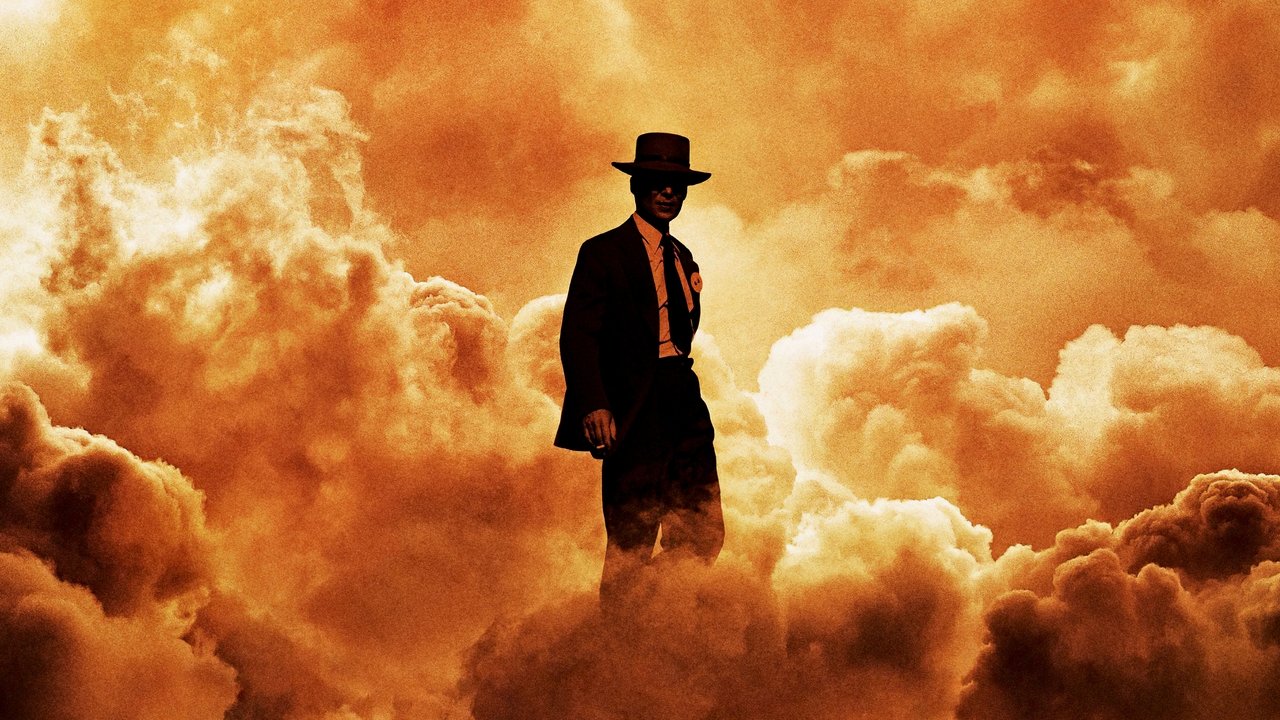
Oppenheimer True Story: What Christopher Nolan Changed and What Really Happened
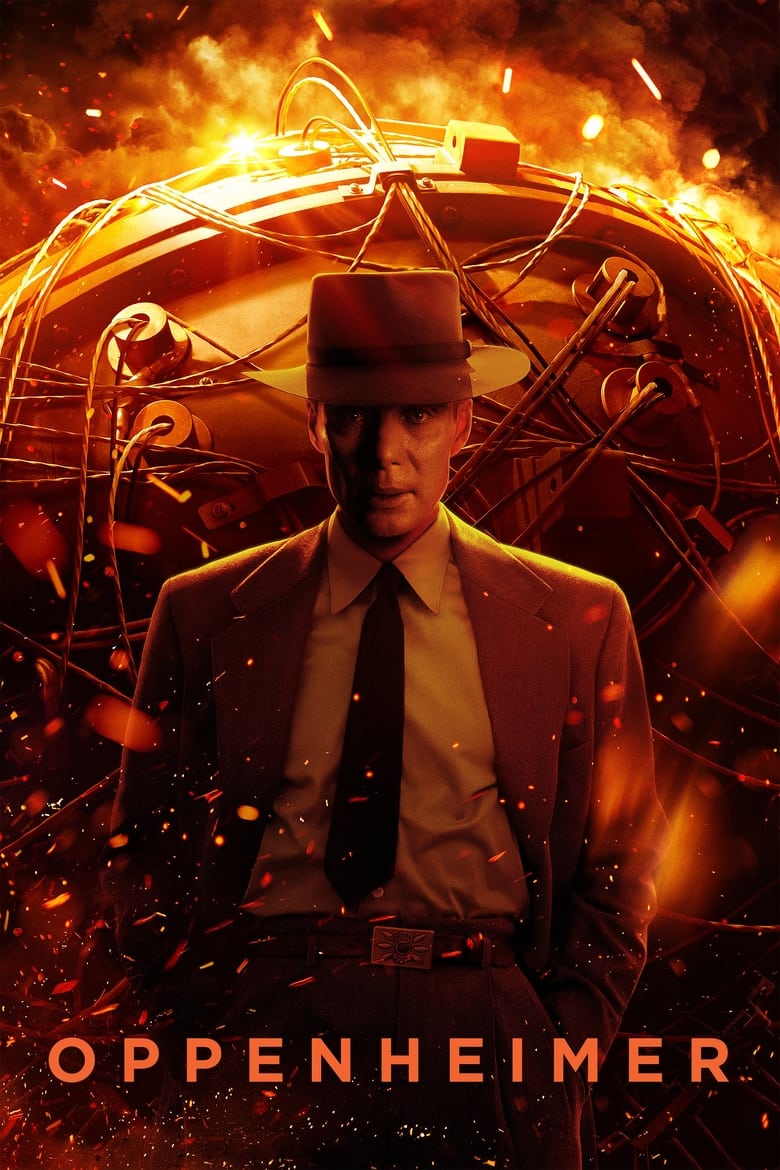
Christopher Nolan's Oppenheimer (2023) is based on American Prometheus, the Pulitzer Prize-winning 2005 biography by Kai Bird and Martin J. Sherwin, and it is widely regarded as one of the most faithful biopics Hollywood has produced. Manhattan Project historians who reviewed the film found remarkably few outright errors. But faithfulness to a biography is not the same as faithfulness to history, and Nolan made deliberate choices to compress, dramatize, and invent. Here is what is confirmed, what is contested, and what the film simply made up.
The short answer: the film is unusually accurate for a Hollywood biopic, but it invents one major scene, compresses two hearings into a single narrative, and overstates Oppenheimer's personal role in decisions that were made by committees and generals.
Quick Answer
Oppenheimer follows J. Robert Oppenheimer (Cillian Murphy) from his student days at Cambridge through his leadership of the Manhattan Project at Los Alamos, the Trinity test in July 1945, and the 1954 security hearing that revoked his clearance, framed against the 1959 confirmation hearing of Lewis Strauss (Robert Downey Jr.). The film is built on the best available scholarship, and its depiction of the Trinity test, the Los Alamos community, and the political persecution of Oppenheimer during the Red Scare is broadly accurate.
TL;DR: Accurate in spirit and largely accurate in detail, with a few invented scenes, compressed timelines, and a dramatized villain in Lewis Strauss.
The Real Story
J. Robert Oppenheimer was a theoretical physicist who in 1942 was appointed to lead the weapons laboratory of the Manhattan Project, the secret U.S. effort to build an atomic bomb before Nazi Germany. General Leslie Groves (Matt Damon), the military engineer running the project, chose Oppenheimer despite his left-wing associations and lack of administrative experience. Oppenheimer selected Los Alamos, New Mexico, as the site and assembled an extraordinary group of scientists, including Hans Bethe, Edward Teller, and Ernest Lawrence.
The bomb was developed across multiple sites, with the fissile material produced at Oak Ridge, Tennessee, and Hanford, Washington. The plutonium implosion device was tested at the Trinity site on July 16, 1945. After Hiroshima and Nagasaki, Oppenheimer became a national figure, but his opposition to the hydrogen bomb and his pre-war communist associations made him a target. In 1954, a security hearing chaired by Lewis Strauss revoked his security clearance, ending his government influence. He never returned to policy.
"I could not find a single historical error in the movie," said Kai Bird, who read the screenplay early and consulted on the film. Historians broadly agree the film is unusually faithful, while noting the scenes it invented and the timelines it compressed.
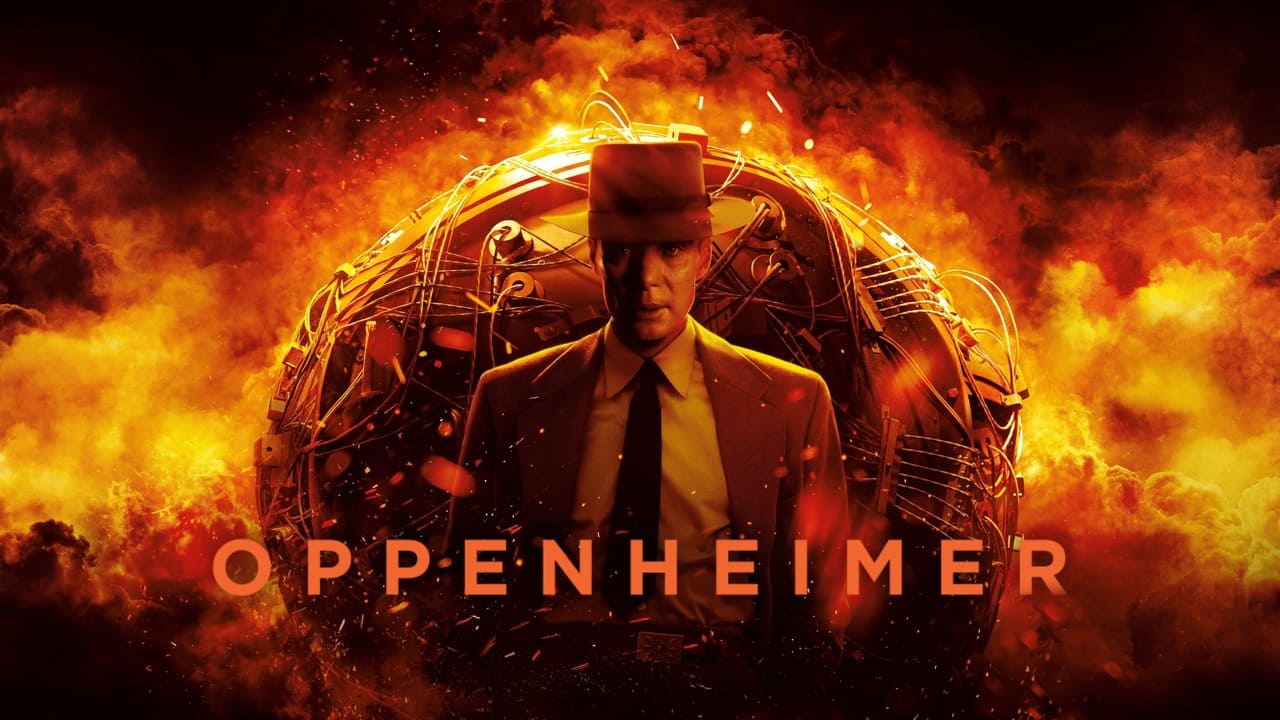
What the Movie Gets Right
The Trinity test: Nolan reproduced the actual physics of the blast, the bright flash preceding the sound and shockwave by seconds, rather than the simultaneous bang most films use. He used practical effects instead of CGI. Historians praised details like the mattresses placed under the gadget as it was lifted into the tower, and Edward Teller applying sunscreen at the observation point.
The Los Alamos community: The film captures the intensity of the laboratory and the makeshift town where scientists and their families lived under strict secrecy. The casting of real physicists like Bethe, Teller, Lawrence, and Niels Bohr (Kenneth Branagh) is grounded in the historical record.
The security hearing: The 1954 hearing that revoked Oppenheimer's clearance was a real and controversial event, driven by his post-war opposition to the hydrogen bomb and his past communist associations, weaponized during the McCarthy era. The film captures the unfairness of the proceeding.
What the Movie Changes
The Einstein conversation: The film's most dramatic invented scene shows Oppenheimer going to Albert Einstein to discuss the fear that the Trinity test might ignite the atmosphere. Historians note this conversation did not happen. The atmospheric ignition calculation was actually done by Hans Bethe and checked by Emil Konopinski, who concluded the probability was near zero. Oppenheimer did not raise it with Einstein, and a meeting about it would have been a security breach.
The two hearings: The film intercuts the 1954 security hearing and the 1959 Strauss confirmation hearing, which happened five years apart, in a way that makes them appear nearly simultaneous. Many viewers left the film believing the events were concurrent.
The Bohr introduction: The film shows Oppenheimer introduced to Niels Bohr by his Cambridge mentor Patrick Blackett. This is inaccurate; the introduction was handled differently, though the conversation between Oppenheimer and Bohr that followed is factual.

Real People vs Dramatized Characters
Nearly every named character is a real historical figure. Oppenheimer, his wife Kitty (Emily Blunt), Jean Tatlock (Florence Pugh), General Groves, Lewis Strauss, Ernest Lawrence (Josh Hartnett), Edward Teller, Hans Bethe, Niels Bohr, and Boris Pash (Casey Affleck) all existed. The physicist David Hill, played by Rami Malek, is a real Los Alamos scientist. The characterization of Strauss as a personal antagonist is the most dramatized; historians note his opposition to Oppenheimer was real, but the film sharpens it into a vendetta that frames the entire third act.
Invented Scenes and Compressed Timelines
The apple poisoning: The Cambridge scene in which a young Oppenheimer injects an apple with poison and places it on his tutor's desk is real in outline but uncertain in detail. The event happened, but the exact poison is unknown; Nolan used potassium cyanide so the audience would understand. Oppenheimer was nearly expelled over it.
Truman's reaction: The film shows President Truman dismissing Oppenheimer with a dismissive line about crying. Truman did make such a comment, but roughly a year after their meeting, in a letter to Dean Acheson, and accounts of the meeting itself have varied over time.
Hanford and Oak Ridge: The film almost entirely omits the work at the other Manhattan Project sites where the fissile material was actually produced, acknowledging them only when Oppenheimer drops marbles into bowls to represent production. Historians call that scene fictional but effective.
"Nolan's film cannot be considered technically accurate throughout. But for any Hollywood adaptation, adjustments must be made. Overall, the film is close enough to the historical events, and most of the adjustments were made for understandable artistic reasons." — a Manhattan Project historian, writing in the Bulletin of the Atomic Scientists.
Timeline of the Real Events
1925: Oppenheimer, studying at Cambridge, poisons an apple and is nearly expelled.
1942: General Groves appoints Oppenheimer to lead the bomb laboratory.
1943: Los Alamos opens. Scientists and families arrive under secrecy.
July 16, 1945: The Trinity test succeeds in New Mexico.
August 1945: Hiroshima and Nagasaki are bombed. Japan surrenders.
1949: Oppenheimer opposes the hydrogen bomb program.
1954: A security hearing revokes his clearance.
1959: Lewis Strauss's nomination for Commerce Secretary fails in the Senate.
Why Nolan Changed the Story
Nolan adapted a 700-page biography into a three-hour film and had to compress decades into a dramatic arc. The two intercut hearings give the film its thriller structure. The Einstein scene externalizes Oppenheimer's deepest fear, the possibility that his work might end the world, in a way a calculation by Bethe could not. The omission of the bombings themselves keeps the audience inside Oppenheimer's conscience rather than turning the film into a war movie. Each change serves a narrative purpose, and the historians who reviewed the film accepted most of them as legitimate.
Historical Context
The Manhattan Project operated during the most total war in history, under the fear that Nazi Germany might build the bomb first. That fear turned out to be overstated; Germany's nuclear program was far behind. After the war, the Soviet bomb, the Soviet threat, and the rise of McCarthyism turned the scientists who built the weapon into political targets. Oppenheimer's clearance hearing was part of a broader purge of government scientists with left-wing pasts. His story is the story of the scientist who gives the state a world-ending weapon and then loses the right to say how it should be used.
Frequently Asked Questions
Is Oppenheimer historically accurate?
Mostly yes. Manhattan Project historians found no major factual errors in the core events, though Nolan compressed timelines, invented the Einstein conversation about atmospheric ignition, and simplified the science for general audiences.
Did Oppenheimer really poison his tutor with an apple?
Yes. The Cambridge apple incident happened, though the exact poison is uncertain. Nolan used potassium cyanide for clarity. The film also changed how Niels Bohr was introduced, crediting Patrick Blackett when the details differ.
Did Oppenheimer really say now I am become death at the Trinity test?
He recalled the line from the Bhagavad Gita coming to him, but later said the quote came to mind during a later meeting, not at the test itself. The film places it at the Trinity test for dramatic effect.
Was Lewis Strauss really the villain of the story?
Strauss did oppose Oppenheimer and chaired the 1954 security hearing that revoked his clearance. The film dramatizes the personal animosity, and some historians argue the rivalry was simplified into a hero versus villain structure.
Final Verdict
Oppenheimer is one of the most historically literate biopics Hollywood has made. Its errors are errors of compression and dramatization, not of fact, and the historians who know the subject best have largely endorsed it. The invented Einstein scene, the intercut hearings, and the sharpened Strauss rivalry are the cost of turning a biography into a thriller. The science, the test, and the moral weight of what was built are rendered with unusual care. If you want a single film to understand the Manhattan Project and the man who led it, this is it, with the caveat that no three-hour film can be a substitute for the biography it is based on.
The film is faithful to the man and his contradiction. It is not, and does not claim to be, a documentary.
Related True Story Guides
Written by StreamRoulette Editorial
You May Also Like


Not Sure What to Watch Next?
StreamRoulette picks your next film in seconds — based on mood, genre, or platform.
Try StreamRoulette