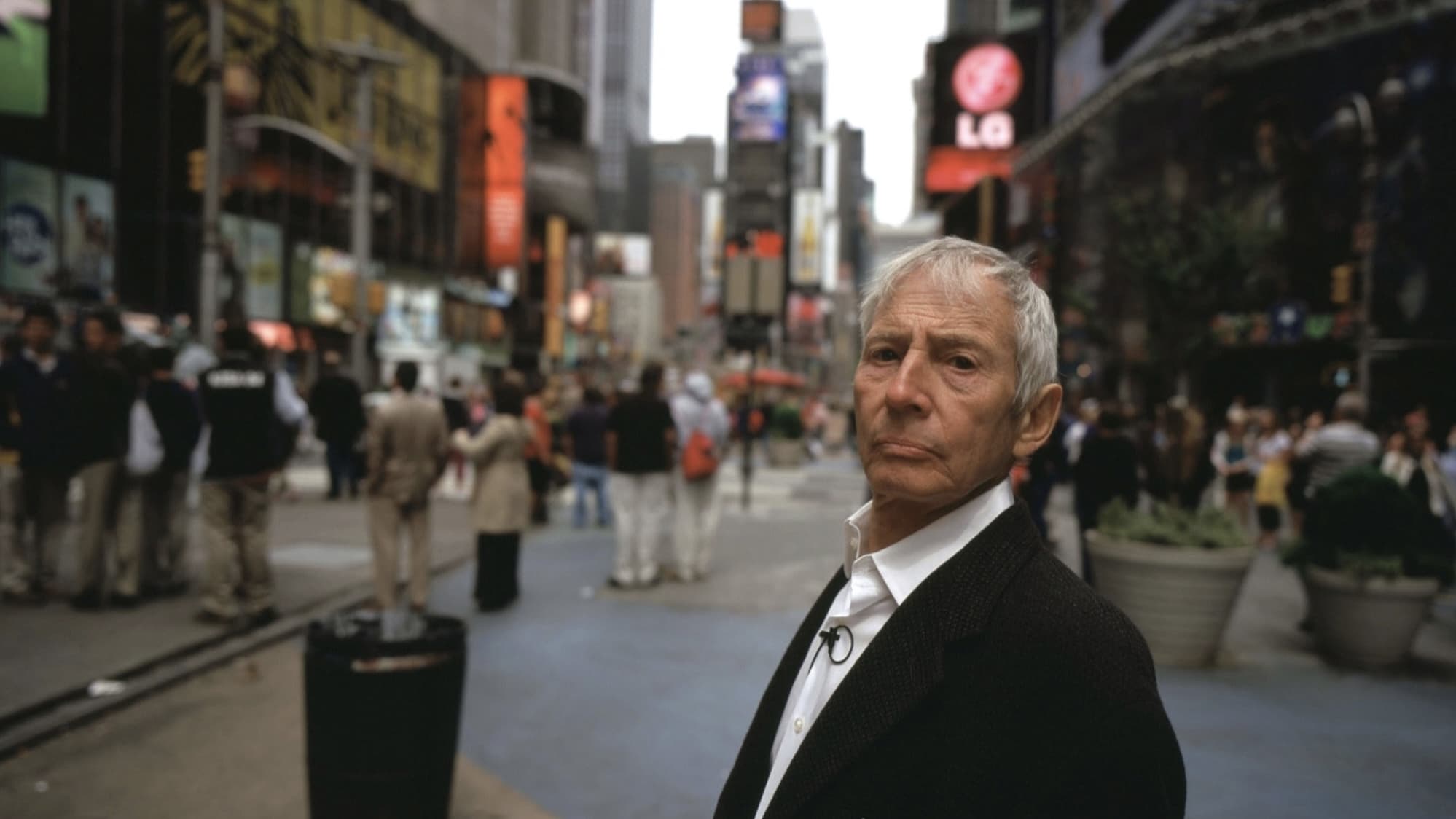
The Jinx: How Robert Durst Got Away With It for Decades — Then Caught Himself
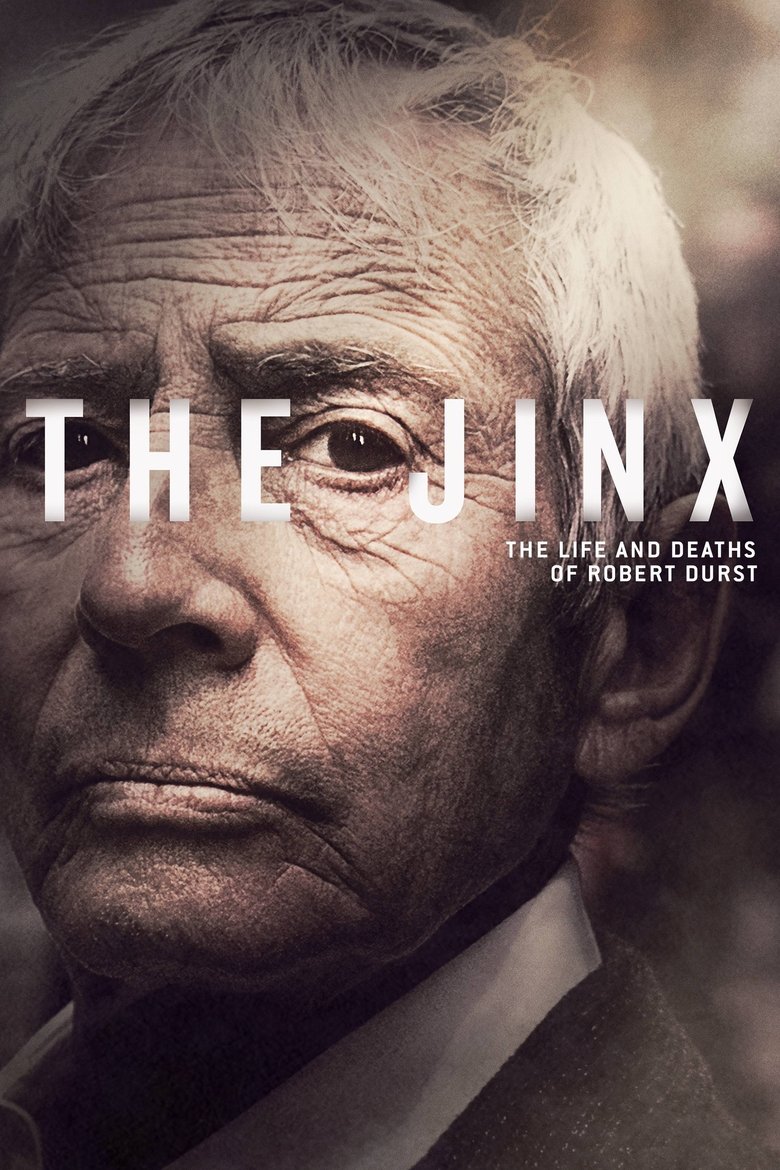
Robert Durst was suspected of three murders spanning three decades. He escaped justice every time, partly through money, partly through legal maneuvering, and partly because the system kept giving him chances it should not have.
Then he agreed to sit down with a documentary filmmaker. And then he forgot he was still wearing a microphone.
Robert Durst was the heir to one of New York's most powerful real estate dynasties. The Durst Organization built much of modern Manhattan. Robert was supposed to inherit it. He did not get the job, his brother did, and things went sideways from there in ways that eventually included multiple dead women, a dismembered body in Galveston Bay, and a courtroom acquittal that stunned the legal community. By the time filmmaker Andrew Jarecki came along with his cameras, Durst had been a subject of fascination and suspicion for over 20 years.
What nobody fully understood at the time was why Durst agreed to participate. The documentary, The Jinx: The Life and Deaths of Robert Durst, aired on HBO in 2015 over six episodes. Jarecki had previously directed All Good Things, a 2010 dramatization of the Durst story. Durst watched the film and reached out. That decision was the first in a series of choices that would eventually put him in prison for the rest of his life.
"He thought he was smarter than everyone in the room. He was, for 40 years. Then he talked to a camera."
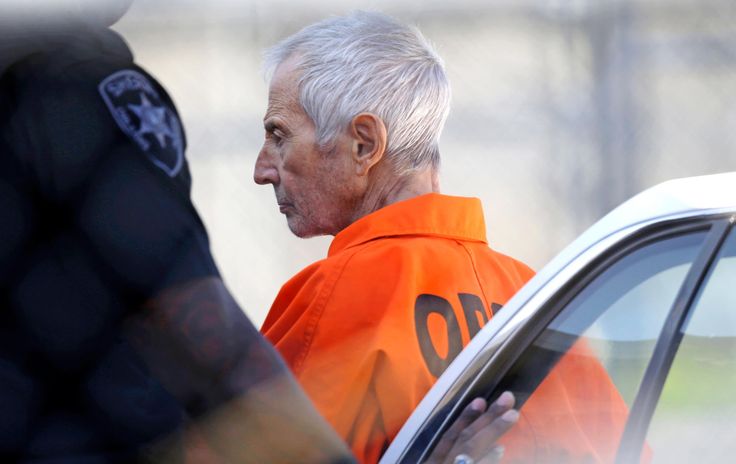
The Three Deaths That Followed Durst
The first was Kathie Durst, his wife, who disappeared in 1982. Her body was never found. Robert claimed she left for work and never returned. Police suspected him from the beginning. The second was Susan Berman, his close friend and the daughter of a Las Vegas mob figure. She was shot execution-style in her Los Angeles home in 2000, just before she was due to be interviewed by investigators about Kathie's disappearance. The timing was not coincidental.
The third was Morris Black, Durst's neighbor in Galveston, Texas, where Durst had been living disguised as a woman in 2001. Black's dismembered body parts washed up in the bay. Durst was arrested. He admitted to dismembering the body but claimed Black had died accidentally. The jury in Texas acquitted him of murder. He walked out of the courthouse a free man, which shocked almost everyone following the case.
What The Jinx Actually Found
During production, the documentary team compared two letters. One was a note sent to police directing them to Berman's body after her murder. The other was a letter Durst had sent to Berman years earlier. Both letters had an identical and unusual misspelling of Beverly Hills as "BEVERLEY." The handwriting team determined they were written by the same person.
When Jarecki confronted Durst with this evidence in their final interview, Durst asked to use the bathroom before responding. The camera was off. His microphone was still on. What he said, apparently alone in that bathroom, is one of the most extraordinary moments in the history of documentary filmmaking. He muttered to himself: "What the hell did I do? Killed them all, of course." The Jinx ended its final episode with that audio. The effect on audiences was immediate and total.
"The bathroom audio was not obtained through trickery. He was wearing a live microphone. He just forgot."
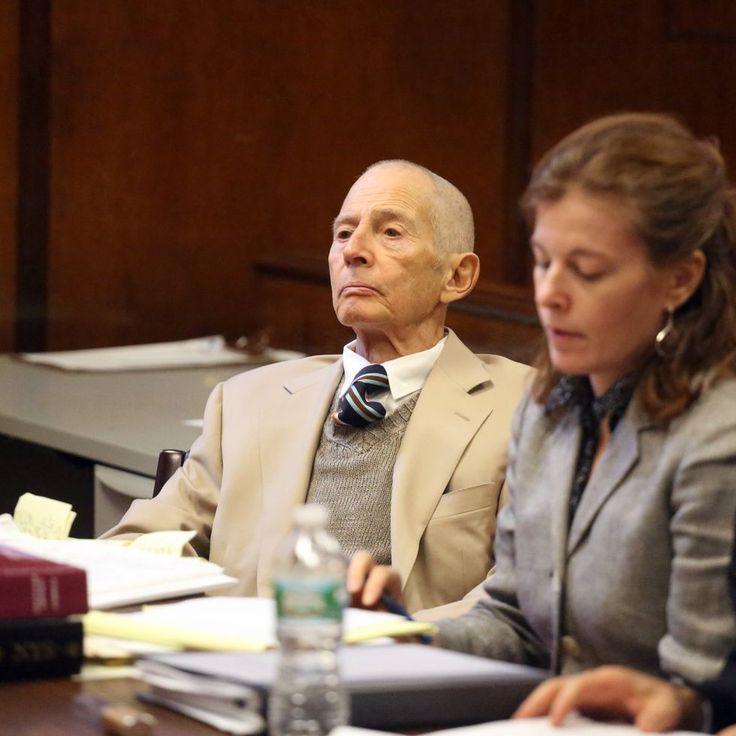
The Arrest and What Came Next
The night before the Jinx finale aired in March 2015, Robert Durst was arrested by the FBI in New Orleans. He was charged with the first-degree murder of Susan Berman. Prosecutors had been building the case for years, but the documentary provided new evidence and significant public pressure that accelerated the timeline. The arrest happened at a hotel where Durst was reportedly preparing to flee to Cuba.
The trial, delayed repeatedly including by COVID, finally concluded in 2021. A Los Angeles jury found Durst guilty of first-degree murder. He was sentenced to life in prison without the possibility of parole. He died in January 2022 while incarcerated, at 78 years old. He never faced trial for the disappearance of his wife Kathie or the killing of Morris Black.
What Made The Jinx Different
Most true crime documentaries tell you about crimes that have already been solved. The Jinx participated in solving one. That is an extraordinarily rare thing, and it raises real questions about the ethics of documentary journalism, the relationship between filmmakers and subjects, and what happens when the camera becomes a tool of justice rather than just a witness to it.
Jarecki and his team have been criticized for sitting on the bathroom audio for some time before turning it over to law enforcement. They have defended their timeline. Whatever you think of those choices, the result was that a man suspected of multiple murders finally faced consequences. The Jinx Part 2 aired in 2024, covering the trial and the aftermath, and is worth watching immediately after the original series.
"He lived his entire life confident that money, silence, and time could outlast any investigation. He was almost right."
Watch This If You Haven't
The Jinx is on Max and remains one of the most gripping six hours of television you can watch. It is not just true crime content. It is a portrait of wealth, impunity, and the strange narcissism of a man who believed he was genuinely untouchable. Watching it now, knowing how it ends, makes the early episodes even more unsettling.
Robert Durst was not caught by a brilliant detective or a lucky break. He was caught because he wanted attention, agreed to sit in front of a camera, and then said the quiet part very loud.
Decades of escaping justice, undone by a bathroom microphone.
Written by StreamRoulette Editorial
You May Also Like


Looking for your next true story obsession?
Let StreamRoulette find something that will keep you up at night.
Try StreamRoulette