This article contains major spoilers for The Dropout. Read only if you have already seen it.
When Nathan Fielder turns his lens toward the rise and fall of Elizabeth Holmes, the line between investigative journalism and psychological performance art becomes intentionally blurred. Known for his meta-commentary on human behavior, Fielder's approach to the Theranos saga strips away the corporate jargon to reveal the absurdity of Silicon Valley hubris.
This article examines the real-life scandal behind the Theranos fraud, the methodological approach Fielder takes to deconstruct Holmes's persona, and what is actually true versus what serves the narrative of modern documentary filmmaking.
The Rise and Fall of Theranos
The real story began with a simple, albeit impossible, promise: a blood-testing device called 'Edison' that could perform hundreds of diagnostic tests with just a single drop of blood. Elizabeth Holmes, a Stanford dropout, captivated investors by projecting an image of the next Steve Jobs, complete with a signature black turtleneck and a voice altered to sound deeper and more authoritative.
What actually happened was a massive, years-long deception. Theranos operated in near-total secrecy, using third-party machines from other companies to run tests while pretending they were proprietary inventions. When the house of cards finally collapsed following the investigative work of John Carreyrou at the Wall Street Journal, Holmes and COO Sunny Balwani faced federal fraud charges, ultimately leading to their convictions.
The most terrifying thing about the Theranos scandal is not the technology, but the absolute willingness of intelligent, high-stakes investors to abandon due diligence in favor of a compelling narrative.
Nathan Fielder’s Approach to the Subject
Fielder’s unique style is defined by his commitment to 'the bit'—often manipulating his surroundings or participants to highlight hidden truths about social anxiety, obsession, and authority. By applying this lens to the Elizabeth Holmes saga, he avoids the standard 'true crime' formula, instead focusing on the performance of leadership and the malleability of trust.
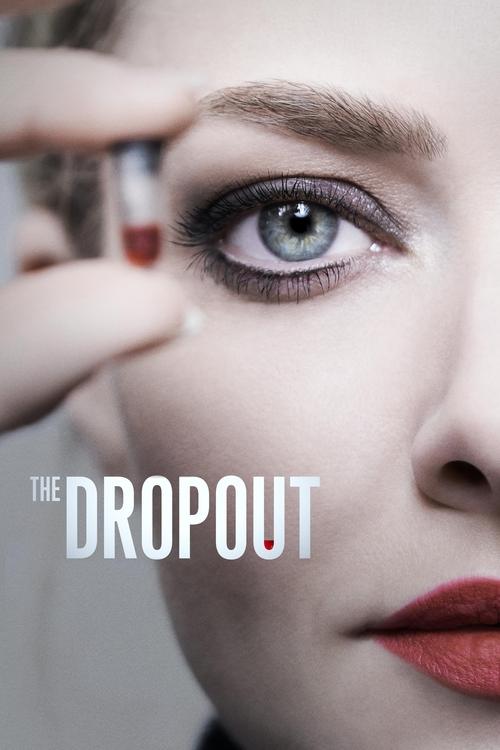
The Dropout scene 1
What worked: Fielder’s ability to highlight the performative nature of corporate power is unmatched. By deconstructing the specific ways Holmes signaled 'genius' to those around her, the documentary succeeds in making the viewer question their own susceptibility to similar charismatic grifters.
What the Documentary Uncovers
The critical consensus suggests that Fielder’s exploration is less about the technical details of blood testing and more about the sociological phenomenon of the 'Fake It Till You Make It' culture. He treats Holmes as a case study in social conditioning, forcing viewers to confront why she was empowered for so long by the very people she was deceiving.
What did not work: Some viewers familiar with the exhaustive reporting in 'Bad Blood' or the dramatized versions of the story may find Fielder’s abstract approach frustrating. He is less concerned with legal timelines and more interested in the uncomfortable gaps between reality and marketing hype.
The Dropout scene 2
Fielder isn't just retelling the story; he is performing an autopsy on the very culture that allowed Elizabeth Holmes to exist in the first place.
What Fans Are Saying
The defenders: Fans of Nathan Fielder praise his willingness to innovate within the documentary genre, noting that we already have enough standard explainers on the Theranos case. They argue that his meta-commentary adds a layer of intellectual depth that standard news documentaries lack.
The critics: Critics argue that the subject matter deserves a more straightforward approach, fearing that Fielder’s stylistic choices might obfuscate the gravity of the real-world harm caused to patients who received false test results from Theranos machines.
The Dropout scene 3
The middle: Most viewers agree that while the documentary is an unconventional take on the subject, it serves as a necessary psychological companion piece to the more factual accounts of the trial and the fraud itself.
The Verdict and Final Thoughts
The verdict: This documentary is essential viewing for those who want to understand the 'why' behind the Theranos scam, rather than just the 'how.' It succeeds as a character study of a woman who convinced the world she was a visionary by simply acting the part until it was too late to back down.
Ultimately, Fielder’s work serves as a reminder that the most dangerous lies are the ones we tell ourselves to maintain a profitable illusion. Whether or not you are a fan of his previous work, this exploration of Elizabeth Holmes stands as a haunting critique of modern ambition and the industries that choose to fuel it at any cost.