The Big Short True Story: The Real Michael Burry, Mark Baum, and the 2008 Crash
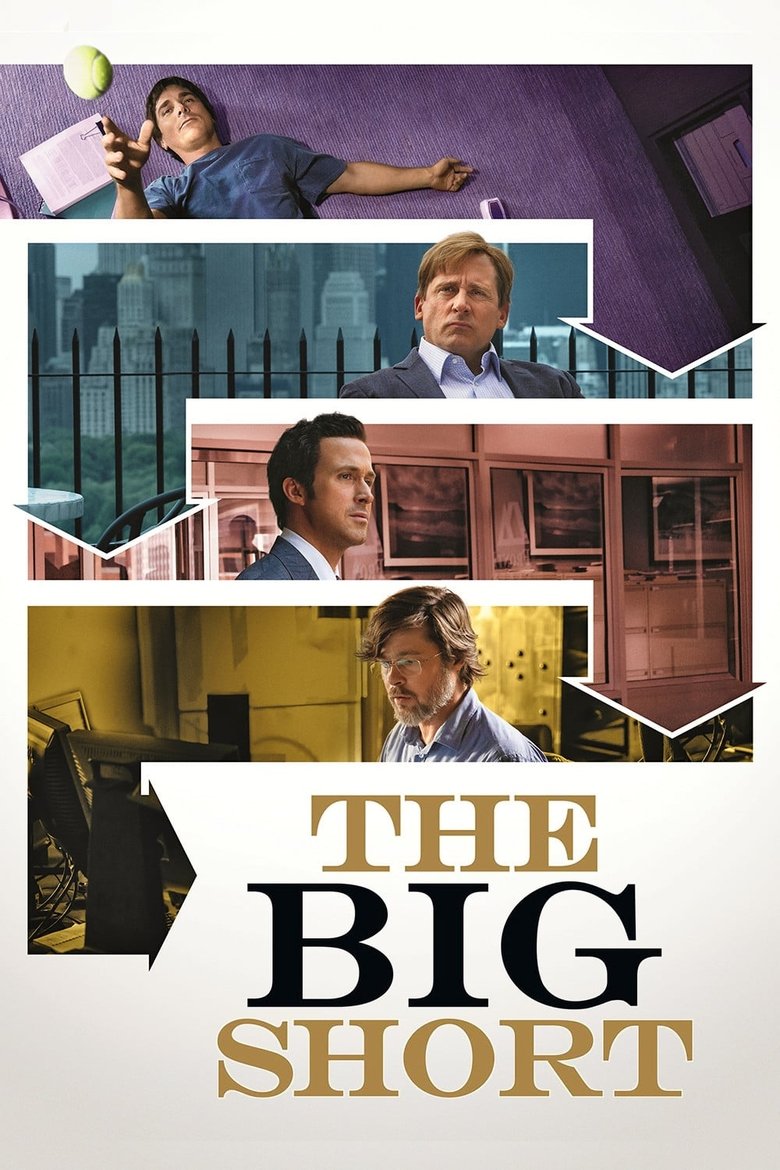
Adam McKay's The Big Short (2015), adapted from Michael Lewis's 2010 book, is one of the most acclaimed films about the 2008 financial crisis. It follows a handful of oddball investors who saw the housing bubble for what it was and bet against it, while the rest of Wall Street did not. The people are real, the trades were real, and the film is widely praised as one of the clearest explanations of the crisis ever put on screen. Here is who the characters really were, what the film changed, and where it falls short of the full story.
The short answer: the investors were real, the bets were real, and the profits were real, but most of the names were changed at the real people's request, and the film paints an incomplete picture of a crisis that was larger and more systemic than any group of contrarians.
Quick Answer
The Big Short follows several groups of investors who, between 2005 and 2007, identified that the U.S. housing market was built on rotten subprime loans and bet against it using credit default swaps, profiting enormously when the market collapsed in 2008. The film intercuts their stories with fourth-wall-breaking explanations of the financial mechanics. The trades happened, the profits were real, and the broad depiction of the industry's blindness is accurate. The character names are mostly changed, and the full systemic picture is simplified.
TL;DR: A largely accurate, deliberately didactic film about real investors and real trades, with changed names and a narrower lens than the crisis deserved.
The Real Story
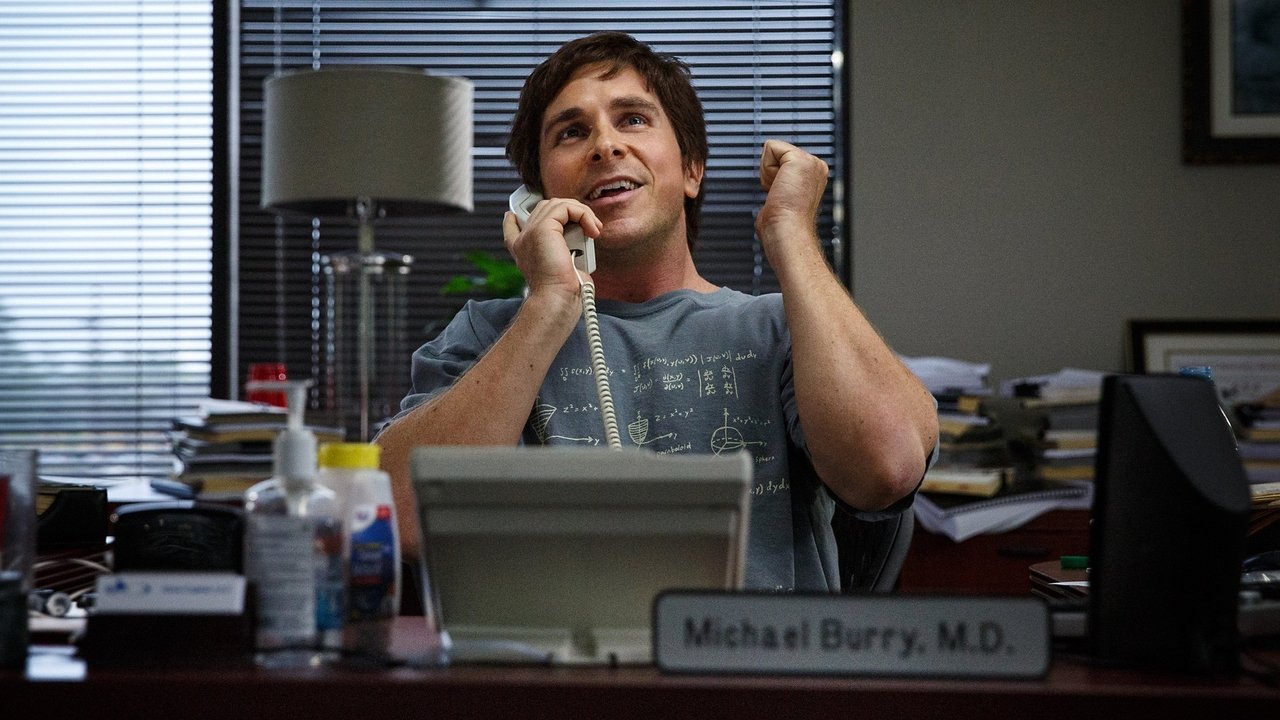
In 2005, the hedge fund manager Michael Burry, running Scion Capital, studied the underlying loans in mortgage-backed securities and concluded the housing market was a bubble built on subprime debt that would collapse. He persuaded banks to sell him credit default swaps, essentially insurance against the bonds failing, and held the position for years while his investors threatened to withdraw. When the market broke in 2007 and 2008, Scion made roughly $2.69 billion. Other investors, including Steve Eisman at FrontPoint Partners, the Deutsche Bank trader Greg Lippmann, and the Cornwall Capital founders, made similar bets. The collapse took down Bear Stearns and Lehman Brothers and triggered a global financial crisis.
"I read my whole transcript, my entire interview. You know, Steve Carell was right. I was that angry. I was so angry at what Wall Street had done." — Steve Eisman, the real Mark Baum, revising his earlier view of the portrayal after reading his own words to the Financial Crisis Inquiry Commission.

What the Movie Gets Right
The bets: Burry, Eisman, Lippmann, and the Cornwall Capital team really did identify the bubble and bet against it using credit default swaps, and they really did profit enormously when the market broke. The specific trades and the timeline are broadly accurate.
The mechanics: The film's famous cutaway explanations, featuring celebrities explaining subprime bonds and collateralized debt obligations, are didactic but grounded. The New York Times called it the strongest film explanation of the crisis.
The blindness: The depiction of ratings agencies, banks, and regulators failing to see or act on the bubble is broadly accurate and supported by the post-crisis investigations.
What the Movie Changes
The names: Michael Burry kept his name. Mark Baum is Steve Eisman. Jared Vennett is Greg Lippmann. Ben Rickert, the retired trader played by Brad Pitt, is Ben Hockett. The Cornwall Capital founders' names were changed. The changes were made at the real people's request or for legal reasons.
Eisman's portrayal: Eisman initially said the Carell portrayal was accurate enough but not really him. Later, after reading his own testimony to the Financial Crisis Inquiry Commission, he said Carell was right: he had been that angry.
The scope: The film focuses on the contrarians who saw the crash coming and profited. It omits other real figures, including the investor Whitney Tilson, whose narrative was cut, and it simplifies the broader regulatory and political context that made the crisis possible.
Real People vs Renamed Characters
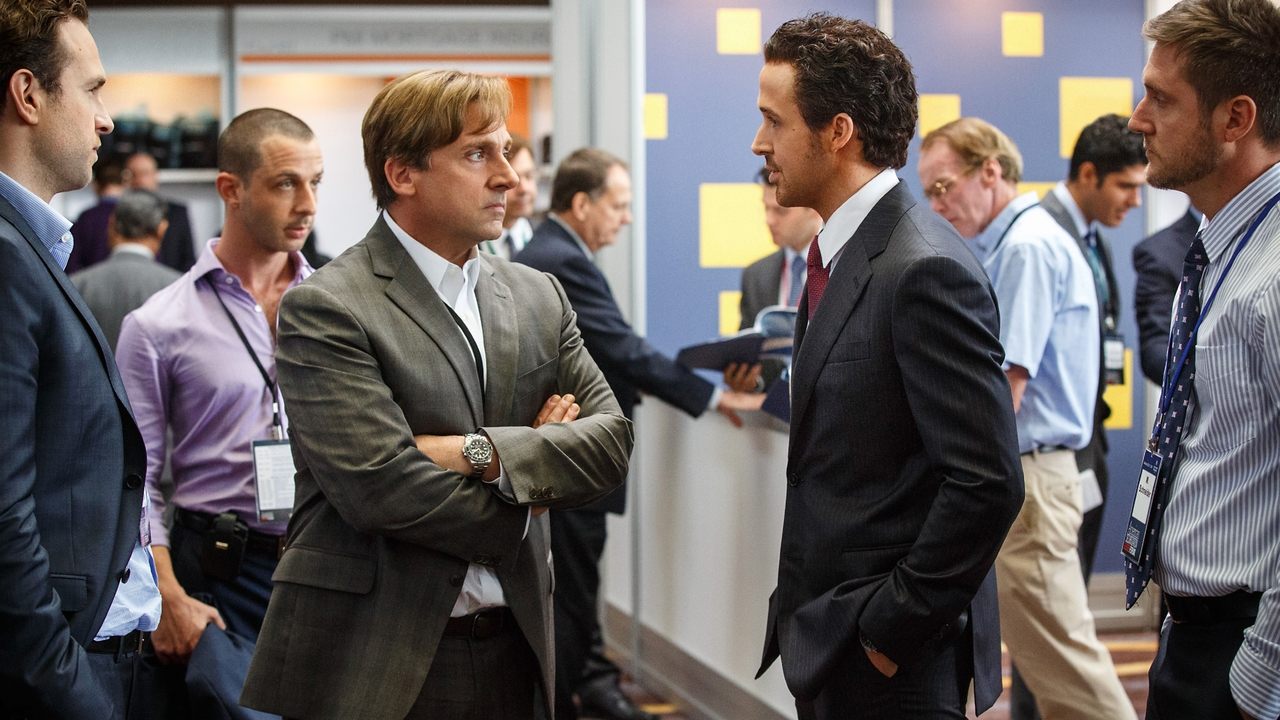
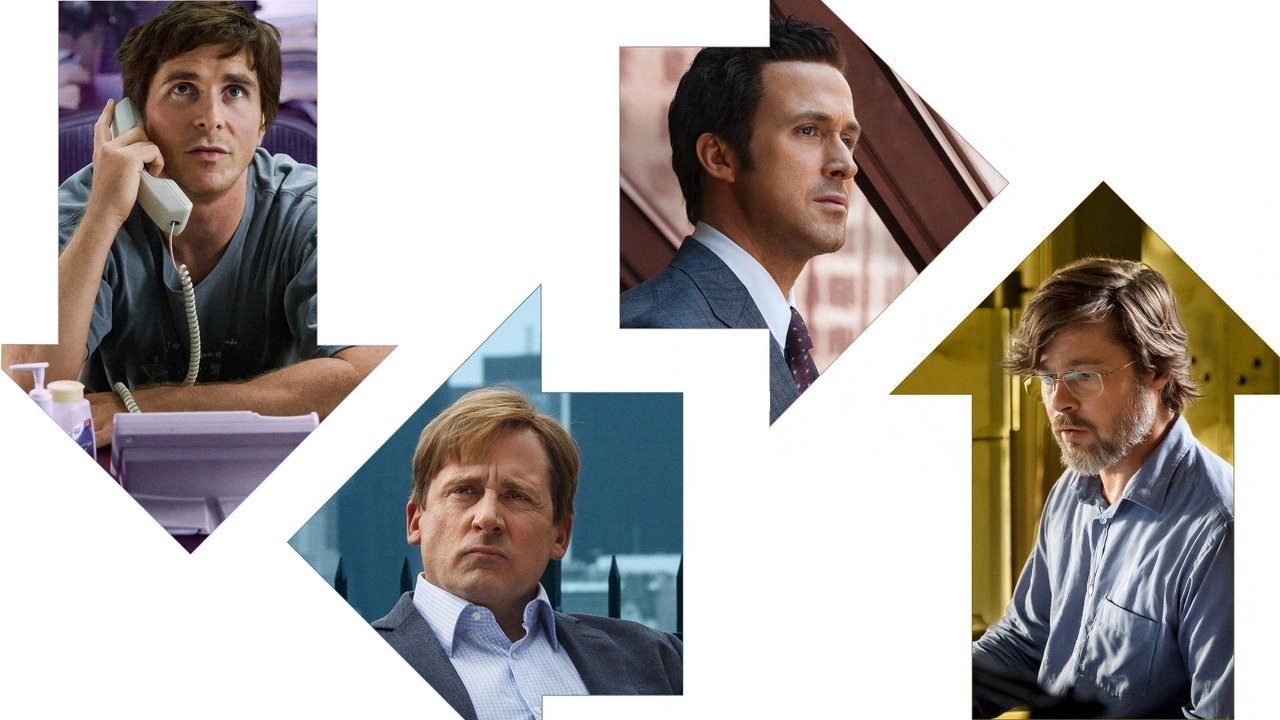
Nearly every major character maps onto a real investor. Michael Burry (Christian Bale) is himself. Mark Baum (Steve Carell) is Steve Eisman. Jared Vennett (Ryan Gosling) is the Deutsche Bank trader Greg Lippmann. Ben Rickert (Brad Pitt) is the retired trader Ben Hockett. The Cornwall Capital pair, Charlie and Jamie, are based on the real founders of that fund. The relationships between the groups are real; the film compresses their timelines and overlaps their stories for narrative drive.
Invented Scenes and Dramatized Events
The fourth-wall breaks: The celebrity cameos explaining finance are a stylistic device, accurate in content but obviously not real events.
The Florida trip: Baum's team investigating the Florida housing market is grounded in real research trips Eisman's team took, with some compression.
The moral weight: The film's closing emphasis, that ordinary people paid for the crisis while the banks were bailed out, is a real and central fact of the period, though the film dramatizes its delivery through the characters.
"The Big Short approaches a serious, complicated subject with an impressive attention to detail, and manages to deliver a well-acted, scathingly funny indictment of its real-life villains." — the critical consensus, captured by the film's high rating on review aggregators.
Timeline of the Real Events
2005: Michael Burry identifies the housing bubble and begins buying credit default swaps.
2006: Eisman, Lippmann, and Cornwall Capital place their own bets against the market.
2007: Subprime defaults rise. The bonds begin to fail. The shorts pay off.
March 2008: Bear Stearns collapses and is sold to JPMorgan.
September 2008: Lehman Brothers fails, triggering the global crisis.
2009 onward: Burry closes Scion Capital amid backlash; the banks are bailed out; the crisis reshapes global finance.
Why Hollywood Changed the Story
The names were changed because the real people asked, and because the law required it. The fourth-wall breaks were invented because the financial mechanics are genuinely hard to follow, and a film that did not explain them would fail its audience. The narrower scope, focusing on the contrarians, was a choice: the film is about the few who saw the crash coming, not the many who caused it. The cost is that the audience may leave thinking the crisis was a story of clever outsiders, when it was really a story of a whole system.
Historical Context
The 2008 crisis was the worst financial collapse since the Great Depression, triggered by a housing bubble built on subprime lending, securitized into bonds the ratings agencies blessed, and sold by banks that did not understand or did not care what they held. The bailouts that followed, and the lack of criminal accountability for the people who built the bubble, shaped a decade of politics. The Big Short captures the anger of that moment, and the strange fact that a few oddballs saw what the entire industry did not, while leaving the larger system somewhat off the hook.
Frequently Asked Questions
Is The Big Short based on a true story?
Yes. It adapts the Michael Lewis book about investors who bet against the housing market before the 2008 crash, including Michael Burry, Steve Eisman, Greg Lippmann, and the Cornwall Capital founders.
Were the character names in The Big Short real?
Some changed. Mark Baum is Steve Eisman, Jared Vennett is Greg Lippmann, and Ben Rickert is Ben Hockett. Michael Burry kept his name. The changes were made at the request of the real people or for legal reasons.
How much did Michael Burry make on the Big Short?
The Scion Capital fund run by Burry made roughly 2.69 billion dollars, with Burry personally earning about 100 million. The film depicts him closing the fund afterward amid investor backlash.
Is The Big Short an accurate picture of the financial crisis?
It is widely praised as one of the best film explanations of the crisis, though historians note it paints an incomplete picture and omits some real figures and the broader regulatory context.
Final Verdict
The Big Short is one of the most accurate and most entertaining films about the 2008 crisis. The investors were real, the trades were real, and the profits were real, with the names changed at the real people's request. The film explains the mechanics better than any documentary most viewers will see, and it captures the anger of the period honestly. Its weakness is its scope: it tells the story of the few who bet against the bubble, which leaves the many who built it in the background. For the contrarians, it is faithful. For the system, it is incomplete. Read Lewis's book for the full picture, and watch the film to feel the rage.
A few people saw the crash coming. The film honors them. The system that caused it is still standing.
Related True Story Guides
Written by StreamRoulette Editorial
You May Also Like


Not Sure What to Watch Next?
StreamRoulette picks your next film in seconds — based on mood, genre, or platform.
Try StreamRoulette