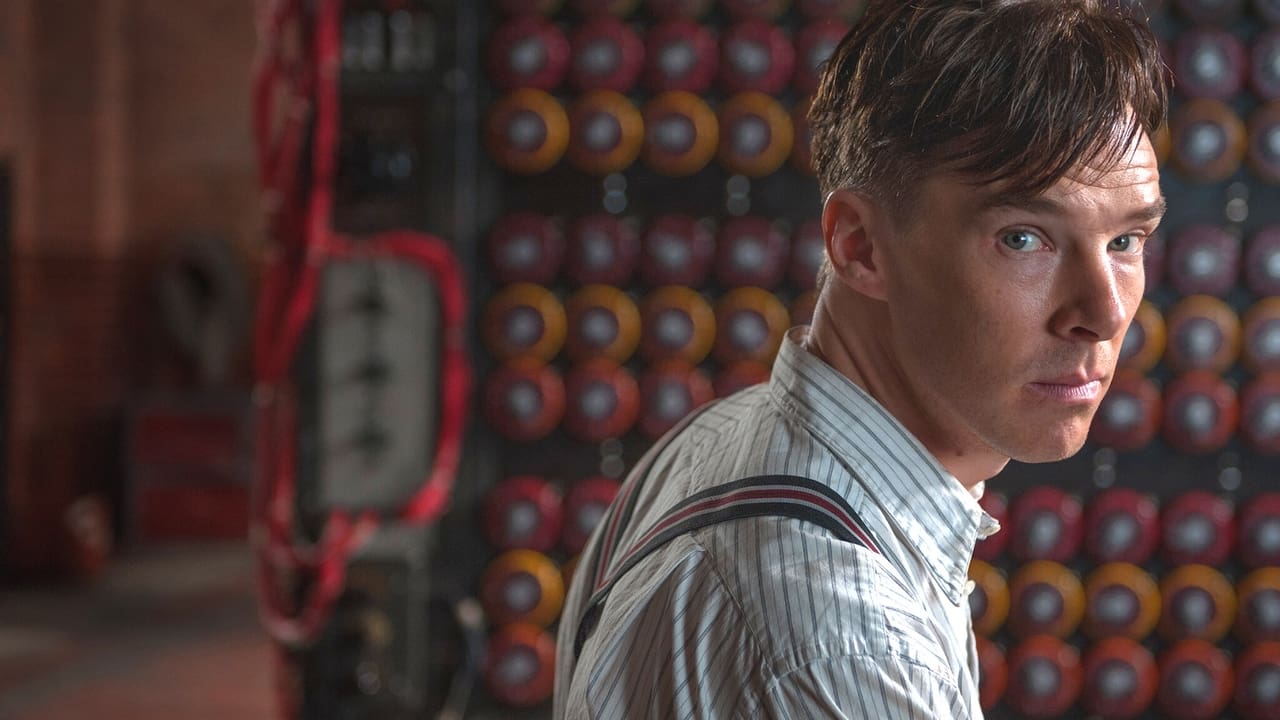
The Imitation Game True Story: What the Movie Got Wrong About Alan Turing
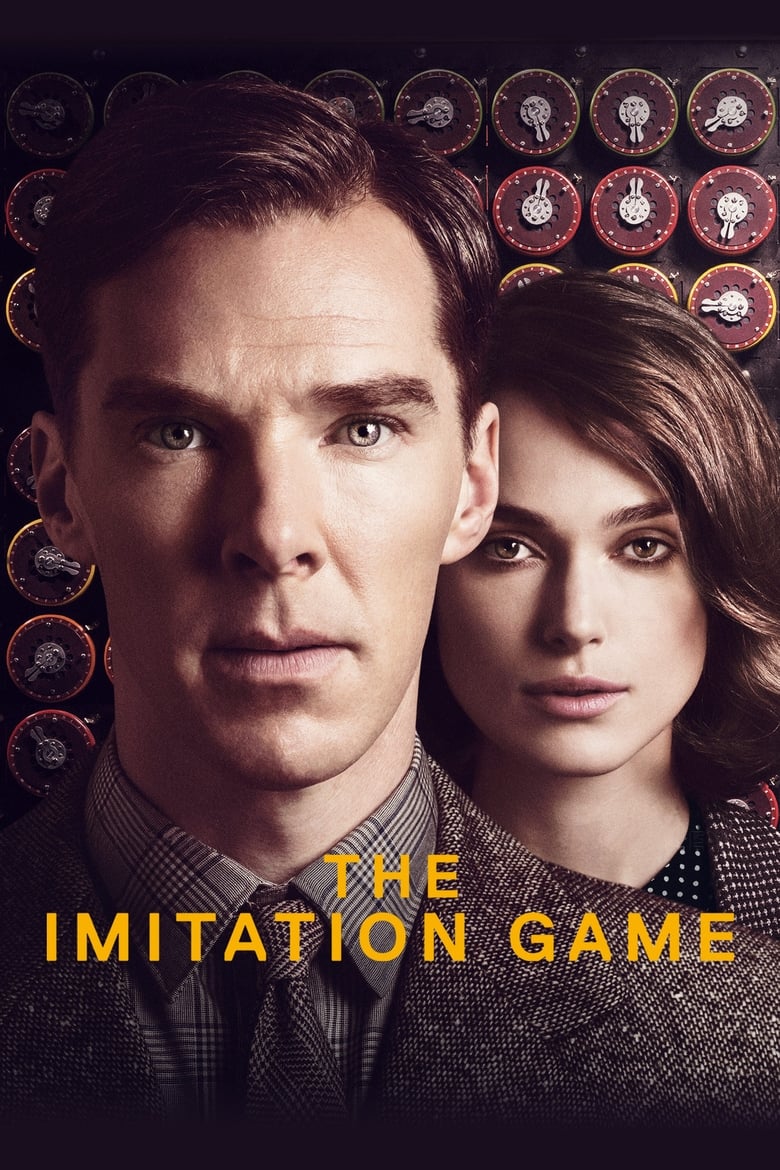
Morten Tyldum's The Imitation Game (2014), starring Benedict Cumberbatch as Alan Turing and based on Andrew Hodges's biography Alan Turing: The Enigma, is a moving film about a brilliant, difficult man who shortened World War II and was then destroyed by the country he saved. It is also, by the assessment of historians and the Turing biographer himself, substantially inaccurate. The film turns a team effort into a lone genius story, invents a villain, and misrepresents the nature of the work. Here is what really happened at Bletchley Park, and what the film made up.
The short answer: Turing was real, his homosexuality was real, his conviction and death were real, and Enigma was really broken. But Turing did not break it alone, he did not name the machine after a lost love, and the commander who supposedly tried to fire him was nothing like the film's antagonist.
Quick Answer
The Imitation Game follows Alan Turing from his school days, through his wartime work at Bletchley Park building the machine that broke the German Enigma cipher, to his post-war prosecution for homosexuality and his death. The film is built on the best biography of Turing, and the broad shape of his life is accurate. The specific work relationships, the dramatic conflicts, and the lone-genius framing are largely invented. One analysis rated the film about 42 percent accurate against the real events.
TL;DR: A beautiful film about a real and wronged man, which misrepresents his work, his colleagues, and his personality to make him a more familiar kind of movie genius.
The Real Story
Alan Turing was a British mathematician who joined the Government Code and Cypher School at Bletchley Park in 1939. The German military encoded its messages with the Enigma machine, and Bletchley's work to break it became one of the great intelligence operations of the war. Turing designed a machine, later called the Bombe, that automated the search for Enigma settings, building on earlier Polish work. The Bombe was a collaborative effort; the mathematician Gordon Welchman made a crucial contribution to its design. Bletchley also broke other ciphers, including the Lorenz cipher, using the Colossus computer designed by Tommy Flowers, work in which Turing had no part.
Turing was homosexual at a time when it was a criminal offense in Britain. In 1952 he was convicted of gross indecency and given a choice between prison and chemical castration; he chose the latter. He died in 1954 of cyanide poisoning, ruled a suicide. The British government did not pardon him until 2013. The film's emotional core, the persecution of a man who helped win the war, is entirely real.
"The Imitation Game takes major liberties with its source material, injecting conflict where none existed, inventing entirely fictional characters, rearranging the chronology of events, and misrepresenting the very nature of Turing's work at Bletchley Park." — Slate, reviewing the film against Andrew Hodges's biography.
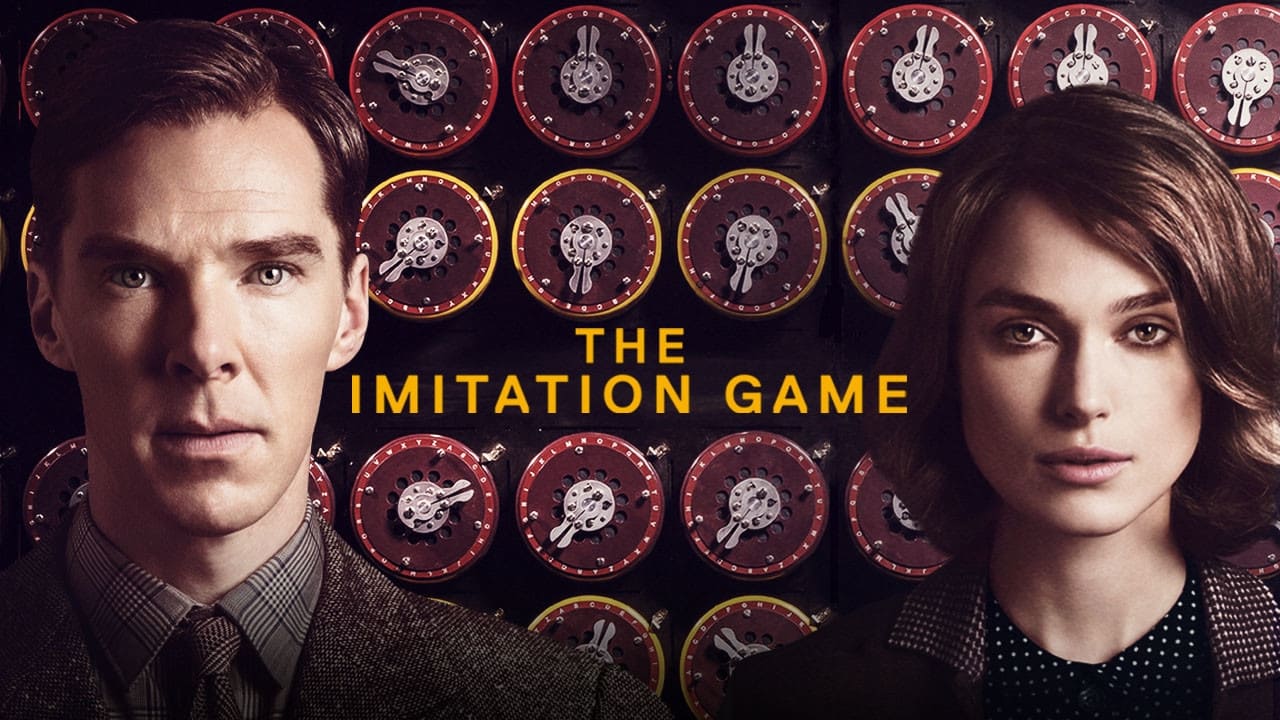
What the Movie Gets Right
The persecution: Turing really was convicted of gross indecency in 1952, really was given chemical castration rather than prison, and really died in 1954 in circumstances ruled suicide. The film's depiction of the state destroying the man who saved it is historically grounded.
Christopher Morcom: Turing really did form a deep attachment to a school friend named Christopher Morcom, who died of bovine tuberculosis, and the loss shaped him profoundly.
Joan Clarke: Turing really did work with and become engaged to the mathematician Joan Clarke, though the reasons and details differ from the film.
What the Movie Changes
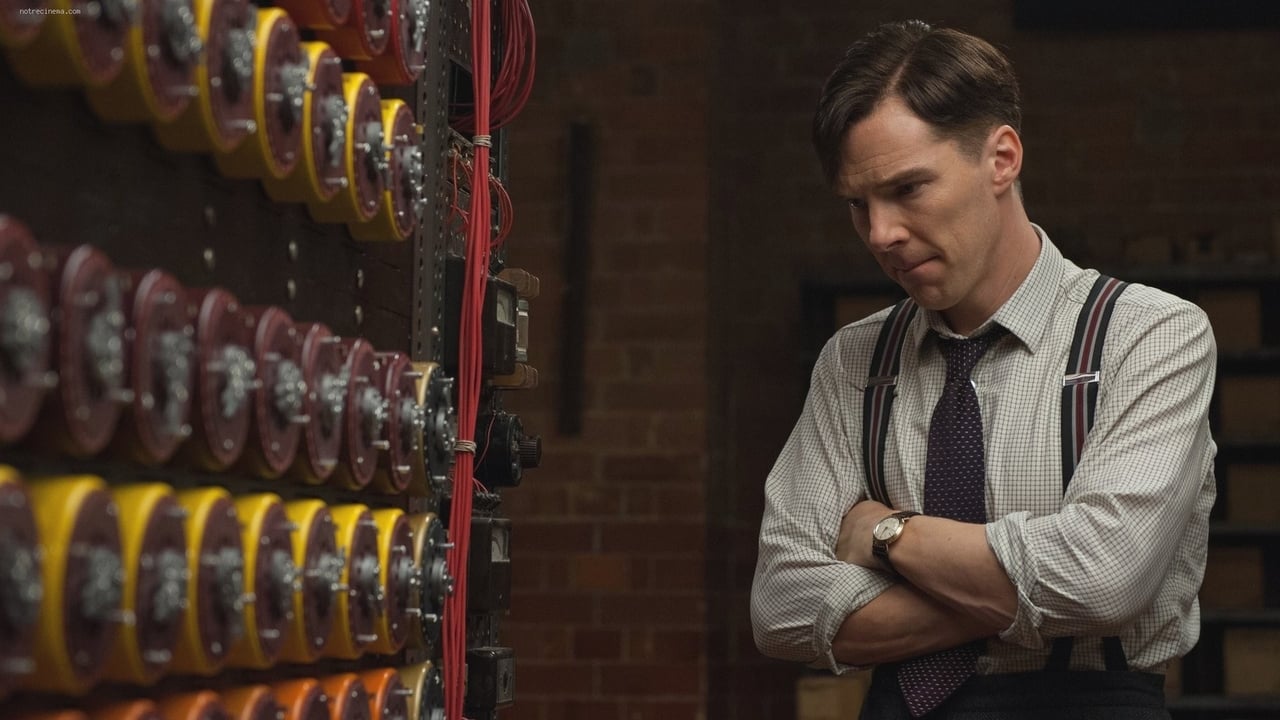
The lone genius: The film's central conceit, that Turing singlehandedly invented and built the machine that broke Enigma, is false. The Bombe was co-designed with Gordon Welchman, who is omitted from the film, with his contribution instead attributed to Hugh Alexander. Bletchley Park employed thousands of people and was a team effort.
The machine named Christopher: The film shows Turing building the machine alone and naming it after his lost friend. The naming is invented. The machine was a collaboration, and it was not called Christopher.
Commander Denniston: The film makes Alastair Denniston, the head of Bletchley Park, a rigid antagonist who tries to fire Turing. His family objected publicly to the portrayal, and the historical record does not support it. The dramatic scene in which Turing writes alone to Churchill and is put in charge is invented; Turing and three colleagues, including Alexander, did write to Churchill in 1941, but as a group request for resources, not a solo power move.
Real People vs Invented Characters
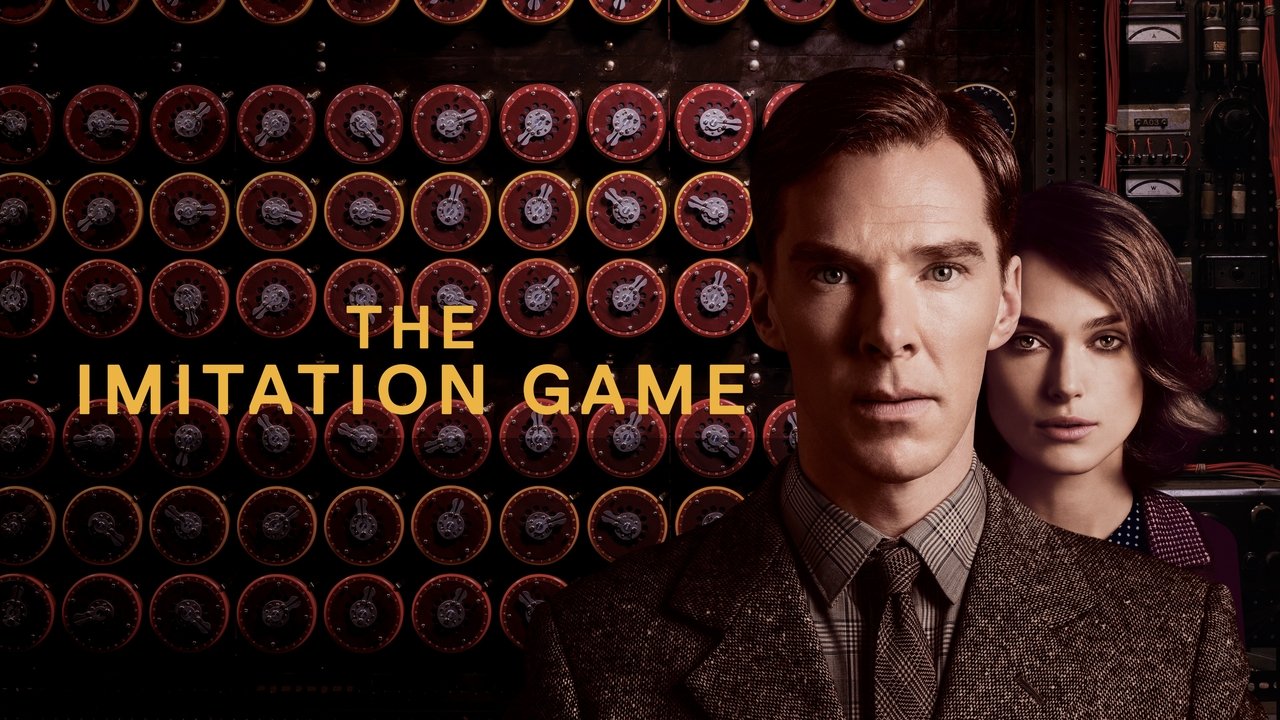
Turing, Joan Clarke, Hugh Alexander, and Commander Denniston were real. Denniston is the most distorted, turned into a villain his family did not recognize. The film implies Turing was on the autism spectrum, socially oblivious and difficult; colleagues recalled him as approachable and well liked, a contrast the film ignores to fit the movie-genius template. The naming of the machine Christopher is invention. The suggestion that Turing could not tell a joke, separated his food, or had a sandwich obsession has no basis in the Hodges biography.
Invented Scenes and Compressed Timelines
The Christopher Morcom death scene: The film shows the young Turing denying he knew Christopher well when told of the death. In reality Turing was openly devastated and maintained a relationship with Morcom's family for years.
The spy subplot: The film invents a thread in which Turing knows a Soviet spy and conceals it. This is fiction added for tension.
The single cipher: The film implies Enigma was the only German cipher broken. Bletchley also broke the Lorenz cipher using the Colossus computer, work Turing had no part in, and which the film does not mention, leaving the false impression that Turing was responsible for all of it.
"There was a Second World War, and Turing's first name was Alan." That was the dry summary of one accuracy analysis, which rated the film about 42 percent true. The rest is the cost of turning a team of thousands and a complicated man into a single, lonely genius.
Timeline of the Real Events
1939: Turing joins Bletchley Park.
1940: Turing, with Welchman, designs the Bombe.
1941: Turing and colleagues write to Churchill requesting more resources.
1945: The war ends. Bletchley's work is classified.
1952: Turing is convicted of gross indecency and given chemical castration.
1954: Turing dies of cyanide poisoning, ruled suicide.
Why Hollywood Changed the Story
A biopic needs a single hero and a single obstacle. Turing alone against the machine, and alone against the commander, and alone against the state, gives the film its shape. The real story, in which a team of thousands broke a cipher over years and a complicated man lived among colleagues who liked him, is less cinematic. The film chose the cinema. The cost is that the audience leaves believing Turing did it alone, which is the one thing every historian of Bletchley says is wrong.
Historical Context
The work at Bletchley Park, including the Bombe and the later Colossus, helped found the field of computing. Turing's post-war theoretical work is foundational to computer science. His persecution was part of a broader criminalization of homosexuality in Britain that destroyed many lives; his pardon in 2013, and the subsequent Turing Law extending that pardon to thousands of others, were a national reckoning with that injustice. The film captures the injustice powerfully. It misrepresents the science and the man to do so.
Frequently Asked Questions
Did Alan Turing really break Enigma by himself?
No. The film shows Turing singlehandedly building the machine, but mathematician Gordon Welchman co-designed the Bombe and is omitted from the film. Bletchley Park was a large team effort, not a lone genius.
Did Turing name the machine after his childhood friend?
The naming of the machine Christopher is a film invention. Turing did have a real childhood friend, Christopher Morcom, who died of tuberculosis, but the machine was not named after him.
Was Commander Denniston really trying to fire Turing?
The antagonist portrayal is mostly fictional, and the Denniston family objected. Turing and three colleagues did write to Churchill in 1941, but not as a solo move over the head of Denniston.
How accurate is The Imitation Game overall?
About 42 percent accurate by one analysis. The film injects conflict that did not exist, invents characters, rearranges chronology, and misrepresents the team nature of the codebreaking work, though the core facts of the Turing life are real.
Final Verdict
The Imitation Game is a beautiful, angry film about a real injustice, built on a false portrait of how the injustice's victim actually worked and lived. Turing was real, the persecution was real, and the country should be ashamed. But Turing did not break Enigma alone, he did not name the machine after a dead friend, his commander was not his enemy, and his colleagues liked him. The film honors the man by misrepresenting the man, which is the oldest problem in the biopic. If you want the real Turing, read Hodges. If you want to feel the injustice, watch the film.
The film gives Turing the loneliness the state gave him in life. It is the one detail it should not have invented.
Related True Story Guides
Written by StreamRoulette Editorial
You May Also Like


Not Sure What to Watch Next?
StreamRoulette picks your next film in seconds — based on mood, genre, or platform.
Try StreamRoulette