This article contains major spoilers for The Inventor: Out for Blood in Silicon Valley. Read only if you have already seen it.
Elizabeth Holmes captivated the world with the promise of a revolutionary blood-testing technology that could change medicine forever. Beneath the black turtlenecks and the manufactured baritone voice lay a house of cards that would ultimately unravel one of the most audacious frauds in Silicon Valley history.
The documentaries surrounding this saga reveal the extent of the deception, the culture of secrecy at Theranos, and how a college dropout convinced the world's most powerful people to ignore fundamental scientific reality.
The Rise of a Silicon Valley Prodigy
The foundation of the lie began when Elizabeth Holmes dropped out of Stanford at 19 to found Theranos. Her vision was simple but revolutionary: a device, the Edison, capable of performing hundreds of diagnostic tests using only a single drop of blood. This promise of painless, accessible healthcare attracted high-profile investors and a board of directors comprised of former cabinet secretaries and military leaders, which lent the company an air of impenetrable legitimacy.
What the documentary highlights is how Holmes utilized the 'fake it till you make it' ethos of Silicon Valley to shroud her company in extreme secrecy. By labeling her technology a trade secret, she managed to bypass the usual scientific peer-review processes that would have immediately exposed the fraudulent nature of her blood-testing machines.
The most dangerous thing about Theranos wasn't the product; it was the ability to sell a vision so compelling that reality became irrelevant to those in power.
When the Walls Began to Crumble
The turning point arrived through the investigative reporting of John Carreyrou at the Wall Street Journal. His persistent inquiries pulled at the thread that eventually unraveled the entire tapestry of lies. The documentary footage captures the frantic internal atmosphere as whistleblowers like Tyler Shultz and Erika Cheung began to leak the truth about the Edison machines' failure to produce accurate results.
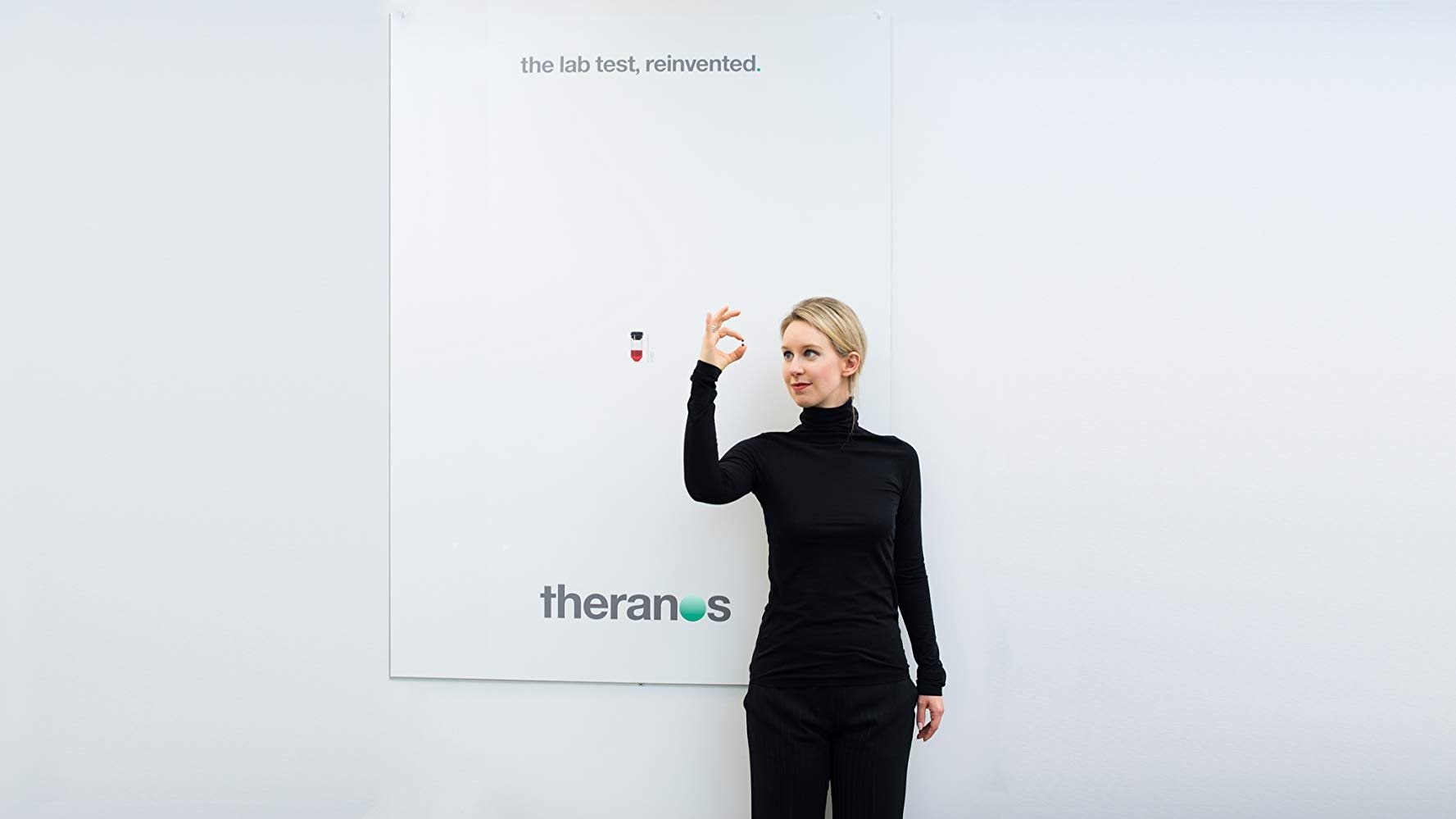
The Inventor: Out for Blood in Silicon Valley scene 1
What did not work: The documentary style often faces challenges in humanizing the victims of this fraud—specifically the patients who received incorrect medical diagnoses based on faulty Theranos tests. While the narrative focuses heavily on the corporate theater, the real-world medical stakes were frequently relegated to the background, a point often critiqued by investigative journalists.
The board didn't know anything about medicine. The scientists were told not to talk to the board. It was a perfectly designed cage for a lie.
The Trial and the Verdict
The legal consequences were swift once the media attention reached a fever pitch. In 2022, Holmes was convicted on four counts of wire fraud and conspiracy, bringing an end to the charade that had spanned over a decade. The documentary footage from the trial showcases a starkly different figure than the visionary entrepreneur who once graced the covers of Forbes and Fortune.
The verdict: Ultimately, the story of Elizabeth Holmes is not just about a single company but serves as a cautionary tale about the dangers of unchecked ego and the failure of due diligence in venture capital. The films provide a definitive look at the machinery of fraud, though they leave viewers grappling with how someone so young managed to deceive the most experienced board of directors in the country.
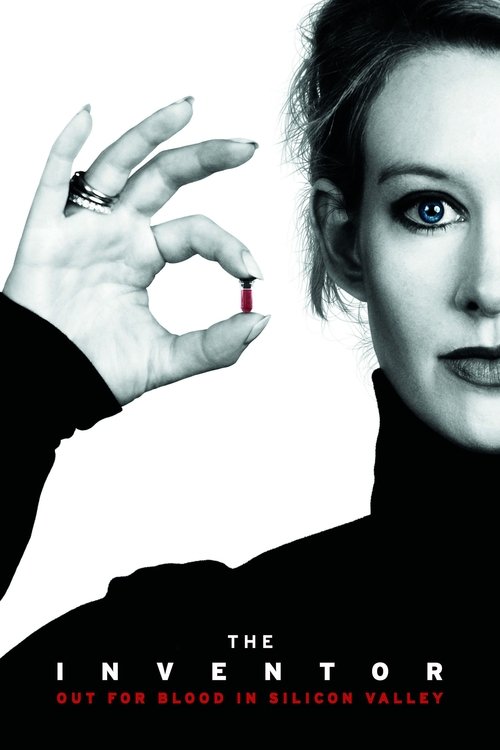
The Inventor: Out for Blood in Silicon Valley scene 2
What Fans Are Saying
The defenders: Some viewers argue that Holmes is a product of a hyper-competitive tech environment that forces founders to overpromise. These observers suggest that if the tech had eventually worked, she would be hailed as a genius, and the fraud would be viewed as a 'bold pivot.'
The critics: The vast majority of the audience, however, is unforgiving. They emphasize that the lives of actual patients were put at risk through false test results, transforming this from a 'white-collar crime' into a matter of genuine public health concern and moral failure.
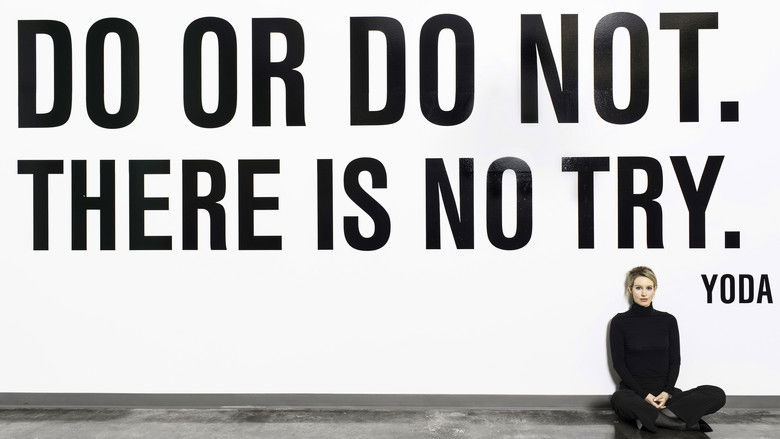
The Inventor: Out for Blood in Silicon Valley scene 3
The middle: A smaller group focuses on the psychological aspect of Holmes, questioning the role of her partner, Ramesh 'Sunny' Balwani, in the daily operations of the company and whether he was an enabler or an equal architect of the deception.
The Legacy of Theranos
Looking back at the entire saga, the most haunting takeaway is how easily people in positions of power were blinded by status and the promise of massive financial returns. The Theranos scandal forced the venture capital world to reconsider its approach to due diligence and the ethical responsibilities of founders.
Final reflection: The story of Elizabeth Holmes stands as a monumental warning about the fragility of trust. In a world where personal branding often replaces actual substance, the lessons from the fall of Theranos are more relevant today than they have ever been before. Trust requires verification, and some truths are too important to be left to the imagination of a visionary.