The $500 Million Art Heist Hollywood Still Has Not Made Properly
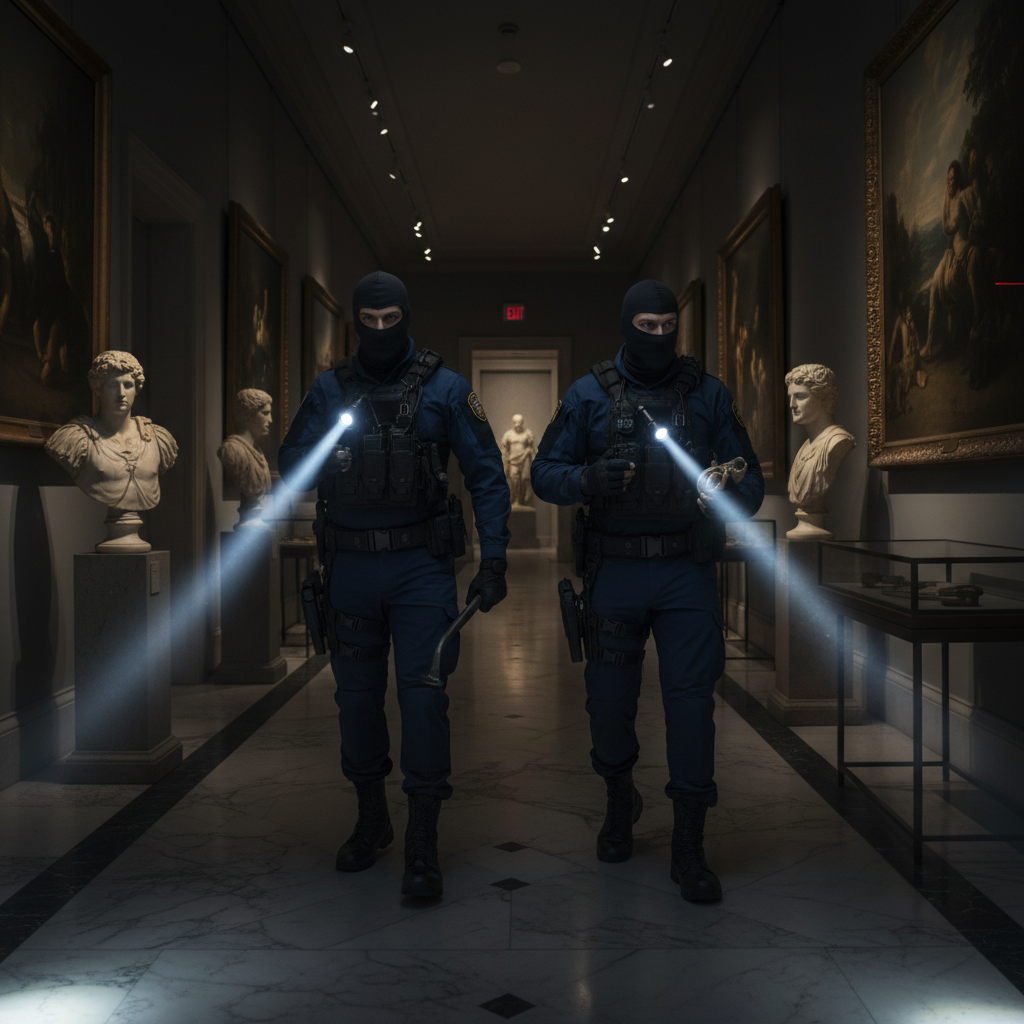
It is 1:24 in the morning on March 18, 1990. St. Patrick's Day in Boston has wound down. Two men in police uniforms ring the side entrance of the Isabella Stewart Gardner Museum. They tell the security guard there has been a disturbance. He lets them through.
Within minutes, both guards are handcuffed to pipes in the basement. The two men are not police. They have 81 minutes. And they walk out with half a billion dollars worth of art that has never been seen again.
Thirteen works in total. A Vermeer. Three Rembrandts. Five Degas. A Manet. A Napoleonic flag finial. The haul is estimated today at $500 million, making it the largest property theft in recorded history. The FBI has been working the case for 35 years. No charges have ever been filed. The ten million dollar reward has never been claimed.
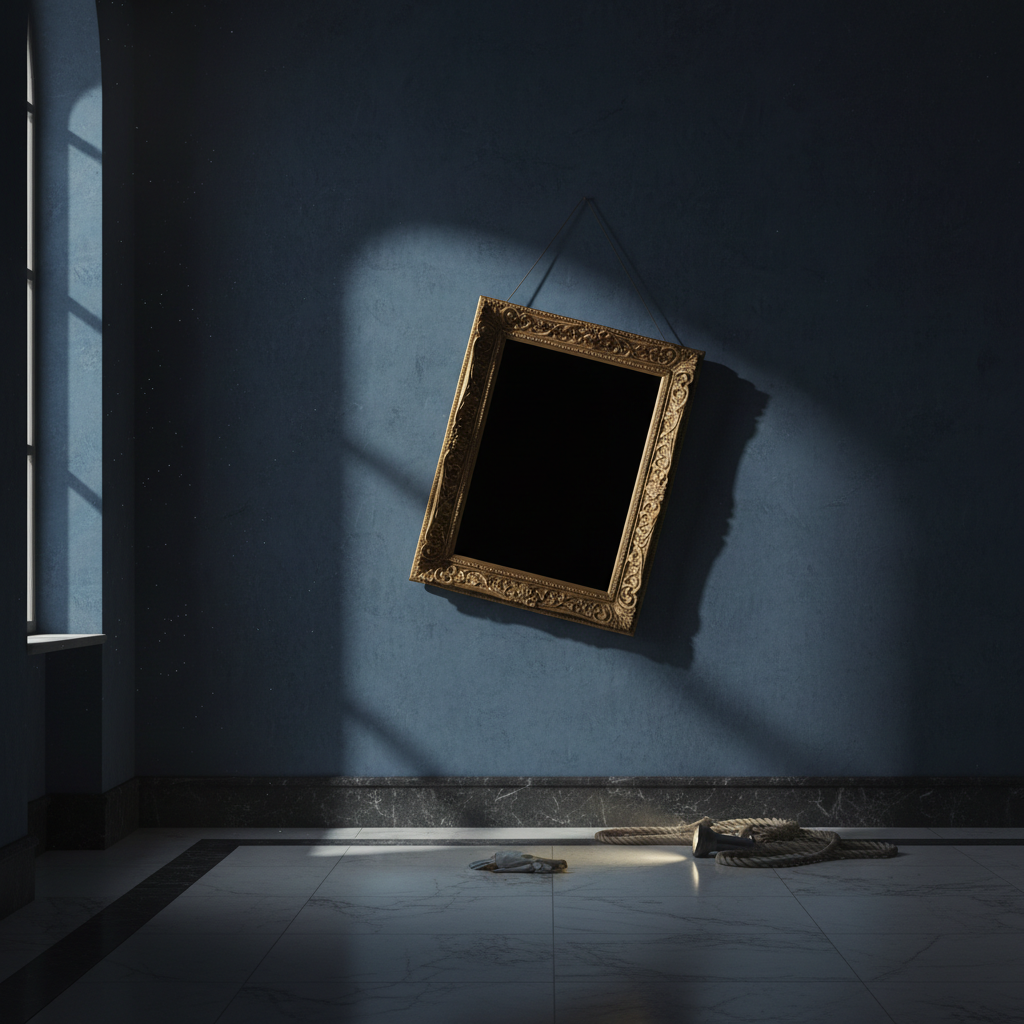
Thirty-five years later, the empty frames still hang on the museum walls. Isabella Stewart Gardner's will said the collection could never be altered.

The Frames That Have Not Moved Since 1990
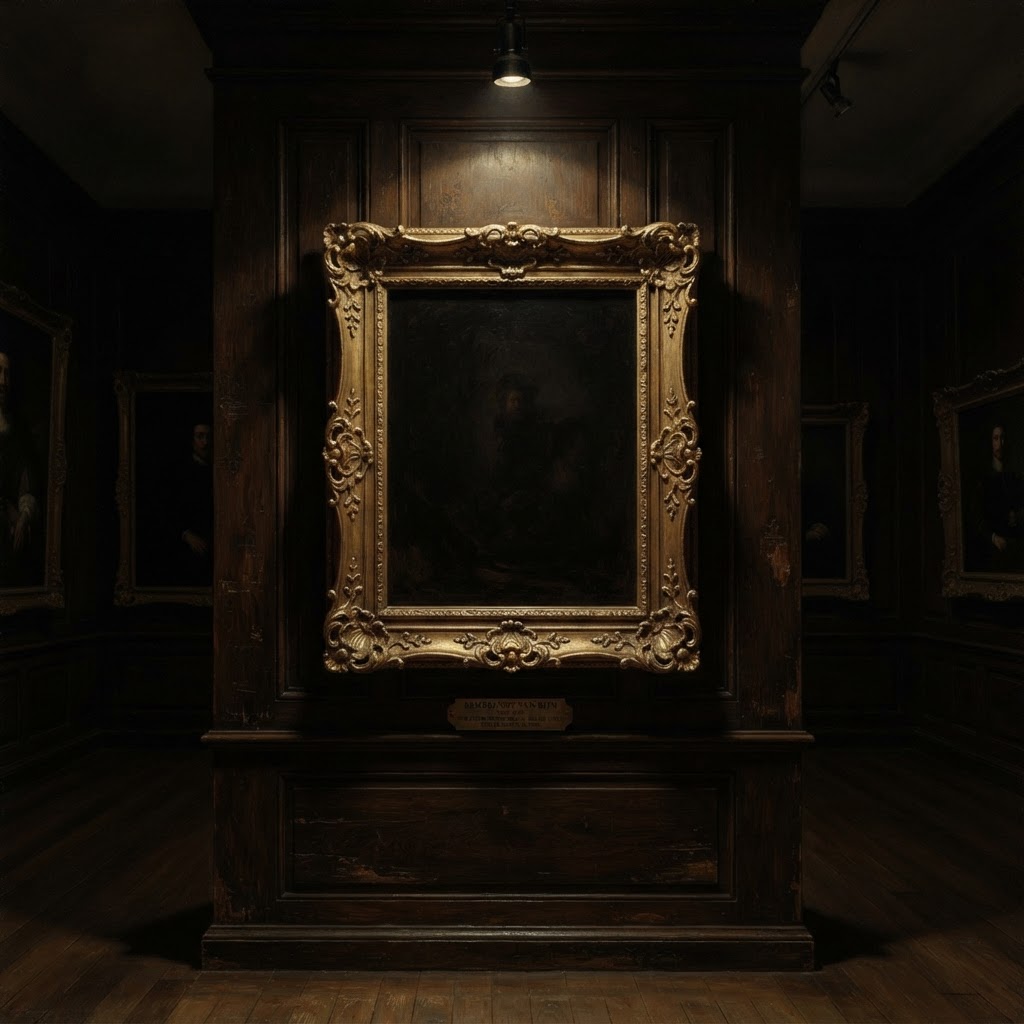
This is the detail that gets people. Isabella Stewart Gardner's will left explicit instructions: the museum's collection was never to be rearranged or altered. The trustees interpreted this literally. When the paintings were stolen, the frames stayed up. You can visit the Gardner Museum today and walk through rooms where gilded rectangles hang on the walls with nothing inside them. They are labeled. The Vermeer frame. The Rembrandt frame. It is one of the most quietly devastating things you can see in an American museum.
The guard who opened the door that night was 23 years old. His name was Rick Abath. He violated protocol when he buzzed the men through without calling a supervisor. The FBI investigated him for years. He was never charged. Security footage from earlier that same evening showed Abath propping open the side door for about a minute, unprompted, at 12:30 am. An hour before the thieves arrived. He has said he does not know why he did it.
What the FBI Actually Believes
The Bureau's leading theory, held for decades and made public through formal statements, connects the heist to the New England mob. Investigators believe the paintings moved through criminal networks in Boston and Philadelphia before leaving the country. Whitey Bulger and his associates were looked at extensively. A man named Bobby Donati, a Boston mob figure known to view stolen art as a bargaining chip with authorities, died eight months after the heist. He has never been officially named a suspect.
In 2013, the FBI announced they knew who was responsible, that the perpetrators were associated with a criminal organization, and that they believed the paintings had left New England. They declined to name anyone publicly. No charges followed.
"We know who did this. We just can't prove it." The unspoken position of the Gardner investigation for thirty years.
What Was Actually Taken
The most painful part of the Gardner story is what the works actually are. Vermeer's "The Concert" is one of only 34 known Vermeers in existence. Rembrandt's "Christ in the Storm on the Sea of Galilee" is his only known seascape. The Degas works are fragile preliminary sketches. These are not investment-grade decorations. They are irreplaceable documents of what human beings were capable of at the height of their creative power.
They have been in darkness, presumably, for 35 years. Kept somewhere. Possibly degrading. The people who took them may be dead. The people who know where they are may die without telling anyone. Every year that passes makes recovery less likely.
Why Hollywood Has Never Gotten This Right
There have been attempts. A 2021 Netflix docuseries, "This Is a Robbery," covered the case in four episodes and is genuinely compelling. But the definitive dramatic film has not been made. The reason may be the same reason the case has never been solved: there is no satisfying ending. Nobody caught. Nothing found.
That ambiguity is actually the most cinematic thing about it. A crime that was perfect and simply disappeared into history, leaving behind empty frames and a reward nobody claimed in 35 years, is exactly the material Fincher would spend three years preparing and Scorsese would circle for a decade. Neither of them has touched it.
Somewhere, in a warehouse or a basement or a sealed room, there is a Vermeer that has not been seen since 1990.
What the Great Film About This Would Look Like
It would not be a heist film. It would be something closer to Zodiac: a procedural about the long defeat of trying to solve something that refuses to be solved. Two investigators tracking the same lead across different decades. The guard who let them in, aging, replaying that night. The mob figures who are dead or disappeared. The paintings that exist now only in photographs.
The honest thing a film about the Gardner heist can say is that some things disappear completely. Not into mythology, not into legend. Just gone. Hollywood has made a lot of films about solved crimes. The ones never solved are sometimes the most haunting stories of all.
Written by StreamRoulette Editorial
You May Also Like


More true stories worth watching
Let StreamRoulette find your next documentary or true crime film based on your mood.
Try StreamRoulette