Muhammad Ali was more than a heavyweight champion, he was a global icon whose life became a battleground for race, religion, and politics in the 20th century. From his humble beginnings in Louisville to his exile from the ring, his journey remains one of the most compelling narratives in sports history.
This article examines the true story of Muhammad Ali, contrasting the 1977 biographical film where he played himself with the 2026 authorized series, while separating the man from the enduring myth.
The Man Behind the Myth
Born Cassius Marcellus Clay Jr. in 1942, the future champion was steered toward boxing after a local police officer suggested he learn to fight following the theft of his bicycle. His rise was meteoric, capturing Olympic gold in 1960 before turning professional and quickly earning the nickname Louisville Lip for his braggadocio and unmatched speed. What defined his career was not just his physical prowess, but his willingness to challenge the status quo, eventually changing his name after joining the Nation of Islam and refusing military induction during the Vietnam War.
I don't have to be what you want me to be. I am free to be what I want.
The 1977 film The Greatest attempted to capture this transformation with Ali playing himself, though critics often viewed it as a sanitized version of his life. By casting the real Ali, the production aimed for authenticity, yet it frequently glossed over the deeper controversies of his exile and political struggles. The film serves as a curio for fans, offering a glimpse into how Ali wanted his own story to be told during the height of his fame.
The Greatest scene 1
From Exile to the Rumble in the Jungle
The most turbulent period of Ali's life occurred during his 43-month exile from boxing. Stripped of his title and banned from the sport for his refusal to serve in the military, Ali became a polarizing figure across the United States. His return to the ring in 1970 marked the beginning of a legendary trilogy with Joe Frazier and his eventual reclamation of the heavyweight crown against George Foreman in the 1974 Rumble in the Jungle.
The March 8, 1971 fight between Muhammad Ali and Joe Frazier unfolded against the backdrop of a nation tearing itself apart over civil rights and the war in Vietnam.
The reality of these events was far more complex than the dramatized versions often suggest. While the 1977 film focuses on the triumph of the Rumble in the Jungle, it omits the intense personal and political friction that defined his rivalry with Frazier. The true story involves a man who sacrificed his prime years for his convictions, a narrative that modern adaptations like the 2026 Prime Video series seek to explore with greater intimacy and authorized access.
The Greatest scene 2
The 2026 Perspective
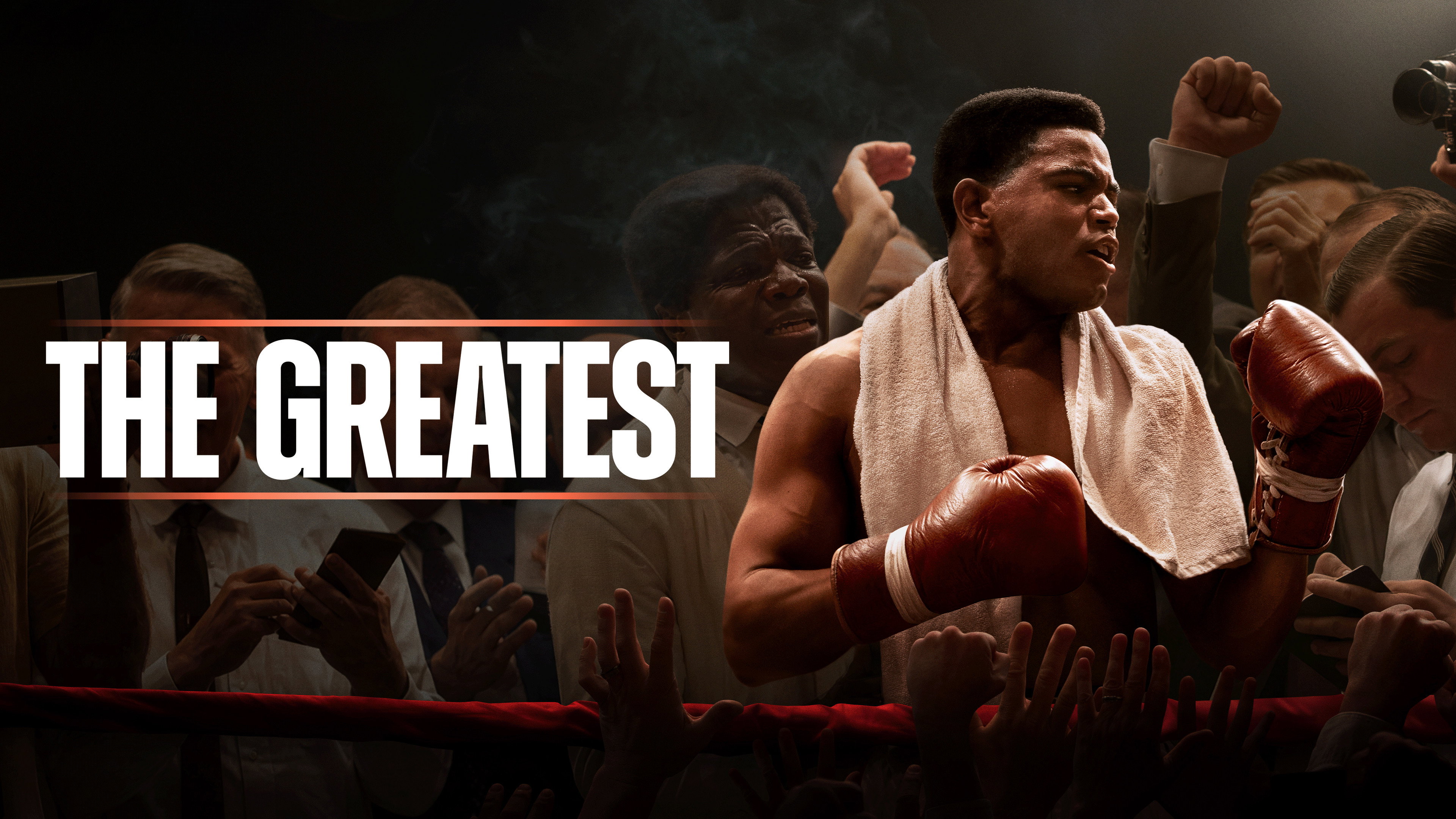
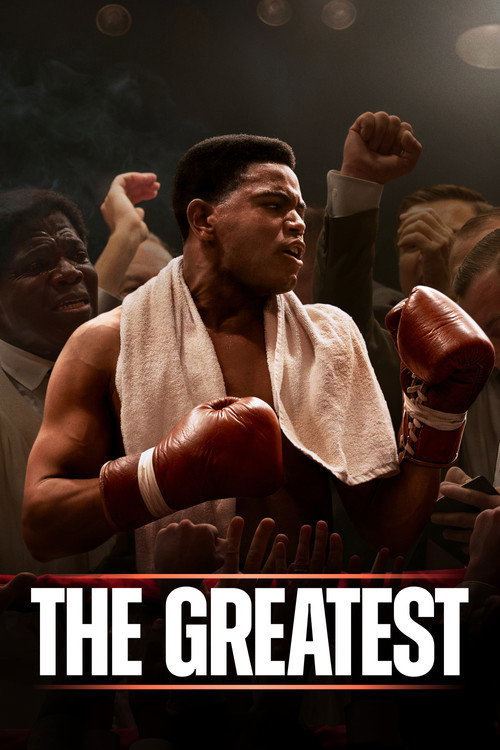
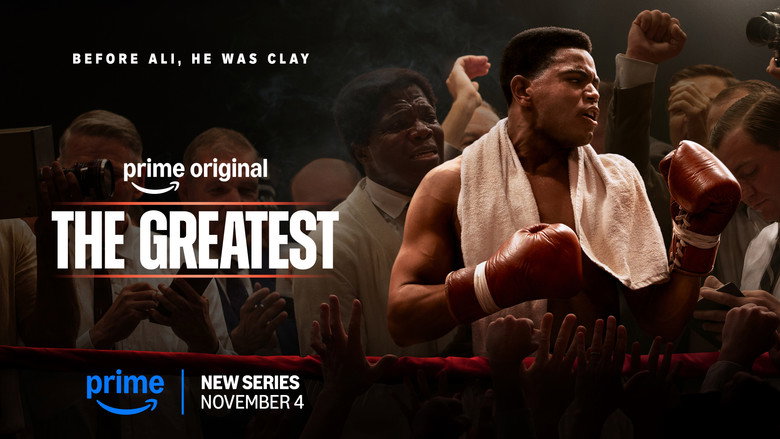
The 2026 series, executive produced by Lonnie Ali, represents the first authorized scripted exploration of the champion's life. What worked: The series focuses on the granular details of his transformation from Cassius Clay to Muhammad Ali, specifically covering the period from his 1960 Olympic victory to his 1964 title win against Sonny Liston. What did not work: Some viewers may find the pacing slower than traditional sports biopics, as it prioritizes character development over constant fight sequences.
The verdict: This series succeeds by moving beyond the surface-level mythos to show the private man behind the public persona. By utilizing unprecedented access to his family history, the show provides a more nuanced look at the pressures Ali faced as a young man navigating fame, faith, and a changing nation.
The Greatest scene 3
Legacy and Impact
Beyond the ring, Ali's later years were marked by his battle with Parkinson's syndrome, yet he remained a tireless humanitarian. His legacy is defined by his ability to transcend sports, using his platform to negotiate for hostages and serve as a United Nations Messenger of Peace. The enduring power of his story lies in his refusal to conform, a trait that continues to inspire generations long after his passing in 2016.
Ultimately, the story of Muhammad Ali is one of constant evolution. Whether through the lens of a 1970s film or a modern streaming series, the core of his life remains a testament to the power of conviction. He remains the greatest not just for his record in the ring, but for the courage he displayed when the world demanded he be someone else.