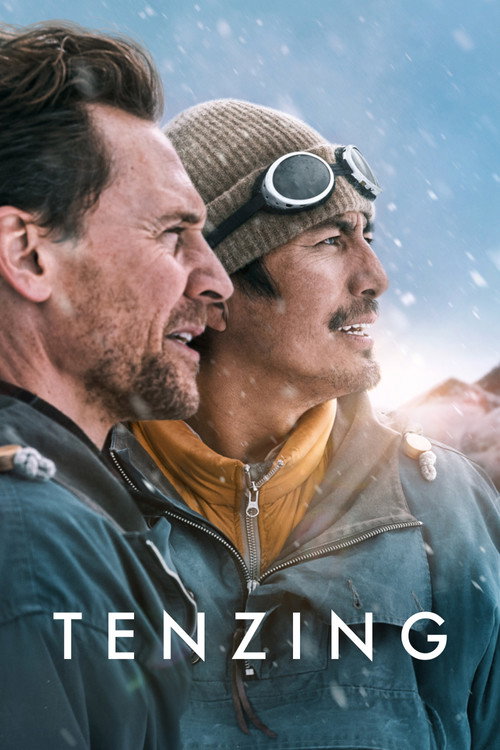
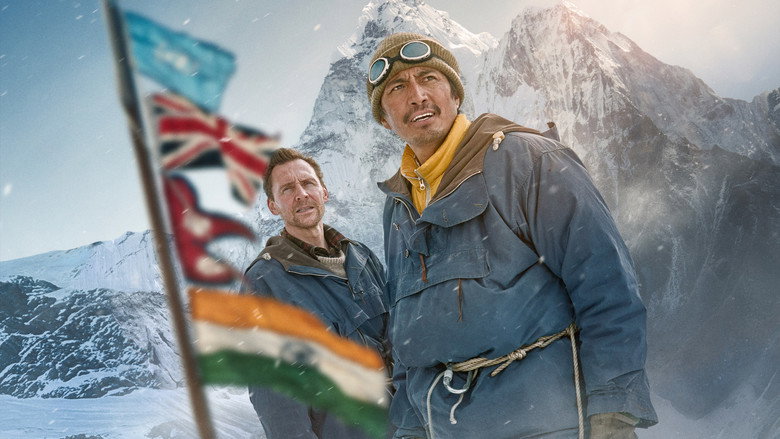
When we talk about the conquest of Mount Everest, the name Edmund Hillary is usually the first to cross our lips, but history was built by two men who reached the summit together. The new Apple TV+ biopic, Tenzing, shifts the lens to the Sherpa legend who made the impossible climb possible.
This film explores the indomitable spirit of Tenzing Norgay, documenting his early life in the Himalayas, the brutal realities of high-altitude mountaineering, and his eventual partnership with Hillary to achieve one of humanity's greatest feats.
The Man Behind the Legend
For decades, Western narratives surrounding the 1953 Everest expedition often relegated Tenzing Norgay to a supporting role, portraying him as a guide rather than a co-equal pioneer. The Apple TV+ production works to rectify this by grounding the story in Tenzing's personal perspective, emphasizing that he was a seasoned mountaineer with deep cultural ties to the sacred mountain he sought to climb.
What the film captures: Tenzing was not merely a local hire; he was a man driven by a profound spiritual and physical connection to the landscape. By centering the narrative on his upbringing and the logistical hurdles Sherpas faced in colonial-era expeditions, the filmmakers offer a necessary correction to the historical record that long overlooked his expertise.
The mountain does not care about your nationality; it only cares about your resolve. Tenzing understood this better than anyone on the mountain that day.
The Reality of the 1953 Expedition
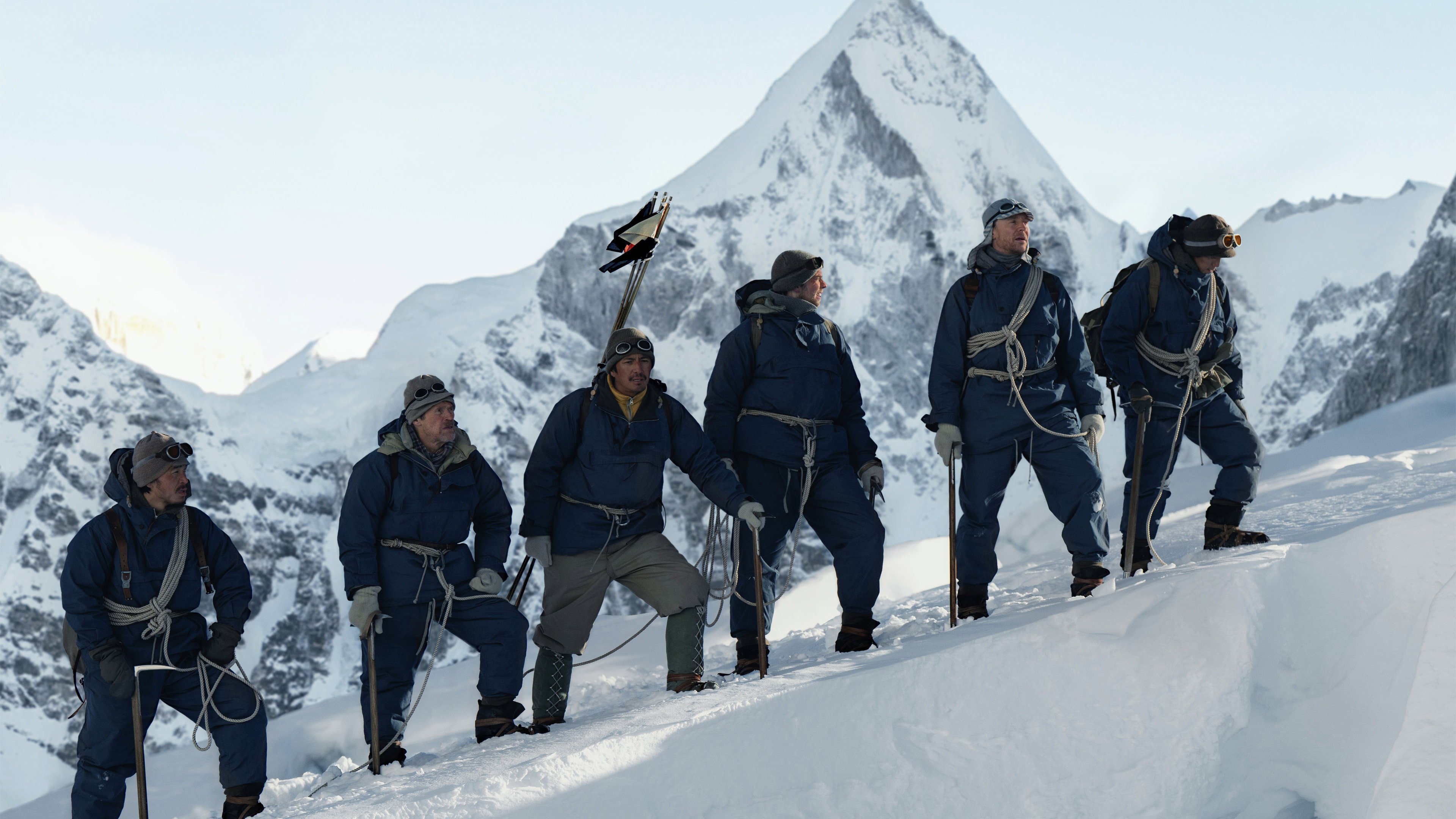
While the film leans into the cinematic tension of high-stakes climbing, it remains largely faithful to the historical accounts of the 1953 British Everest Expedition. The production team invested heavily in recreating the gear and conditions of the era, showcasing the massive risks taken with wool, leather, and rudimentary oxygen equipment.
Tenzing scene 1
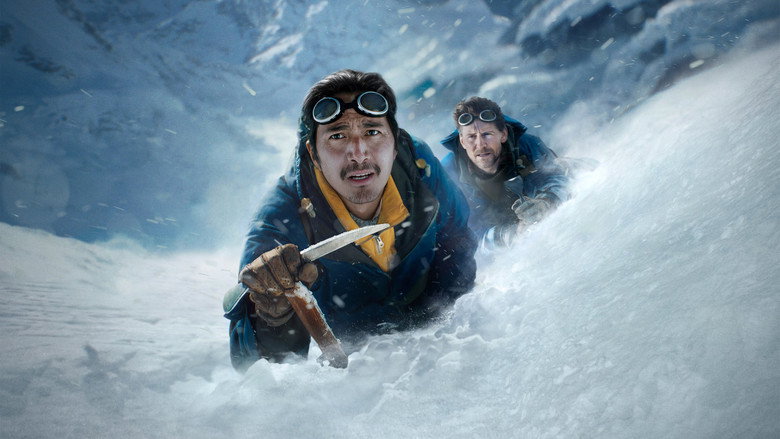
What the movie gets right: The film highlights the immense physiological toll on the climbers, especially in the 'Death Zone' above 8,000 meters. The collaboration between Norgay and Hillary was a genuine partnership, necessitated by survival rather than just professional duty, a point the film drives home through its stark cinematography and focus on their isolation.
The Dynamic Between Tenzing and Hillary
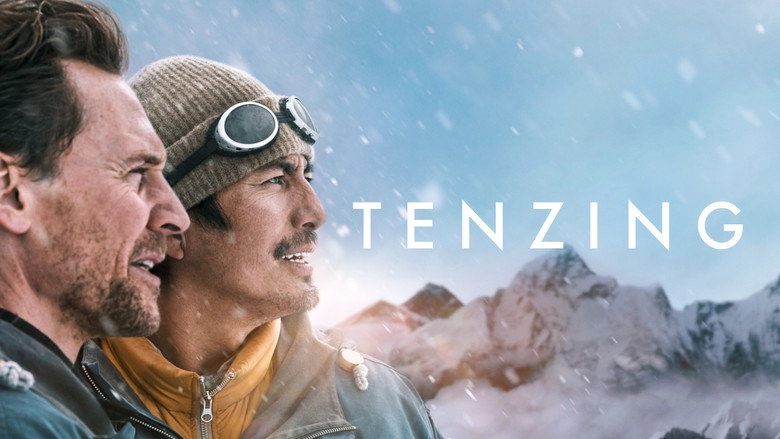
A central pillar of the film is the nuanced relationship between Tenzing and Edmund Hillary. The script moves away from the 'master and servant' tropes of older accounts, instead highlighting their mutual respect. While their backgrounds were vastly different—one a New Zealand beekeeper, the other a Sherpa from Nepal—their shared goal forged a bond that lasted long after they descended the summit.
Tenzing scene 2
What works: The performances in the film effectively convey the wordless communication required when oxygen levels are dangerously low. The director prioritizes the grueling silence of the ascent over over-dramatized dialogue, making their eventual achievement feel earned and grounded in reality.
They reached the top together, but they remained linked by a secret history that the world could only glimpse from thousands of feet below.
Historical Accuracy vs. Hollywood Spectacle
Biopics of this nature often struggle with the balance between historical fact and the need for a 'hero's arc.' Tenzing chooses to focus on the burden of fame that followed their descent. The film explores how Tenzing was suddenly thrust into the global spotlight, a transition that was deeply uncomfortable for a man who preferred the solitude of the peaks.
What did not work: Some viewers may find the pacing in the final act slightly rushed, as the film attempts to compress the complex political fallout of the Everest climb—including nationalistic debates between Britain and Nepal—into a limited timeframe. Despite this, the film maintains its integrity by keeping Tenzing as the emotional anchor throughout.
Tenzing scene 3
The Verdict
The verdict: This is a powerful, visually stunning tribute that finally gives Tenzing Norgay the spotlight he deserves. It is a rare example of a biopic that manages to be both a grand adventure and an intimate character study. For those interested in the history of exploration, it is essential viewing.
Final Thoughts:Tenzing does not just rehash the familiar story of the 1953 climb; it reclaims the narrative for one of the most significant figures in mountaineering history. It stands as a testament to the endurance of the human spirit and the importance of acknowledging the voices that were once left out of the history books.