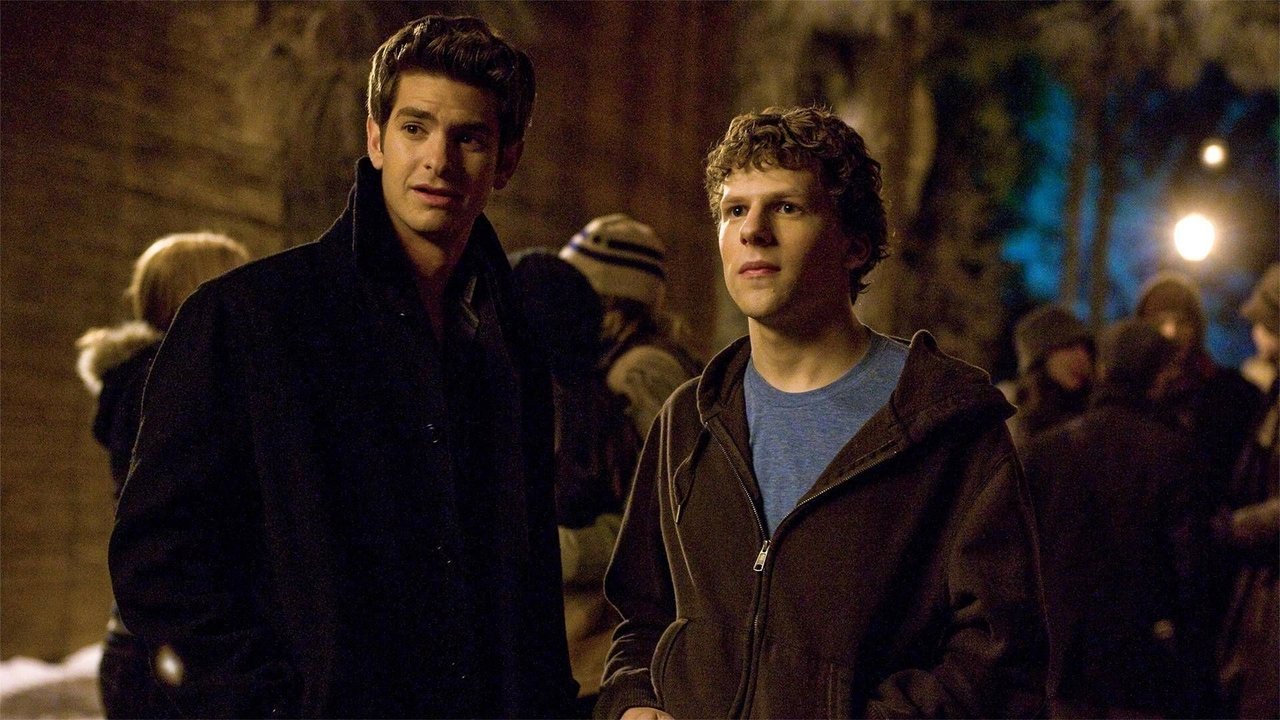
The Social Network True Story: What the Movie Invented About Facebook
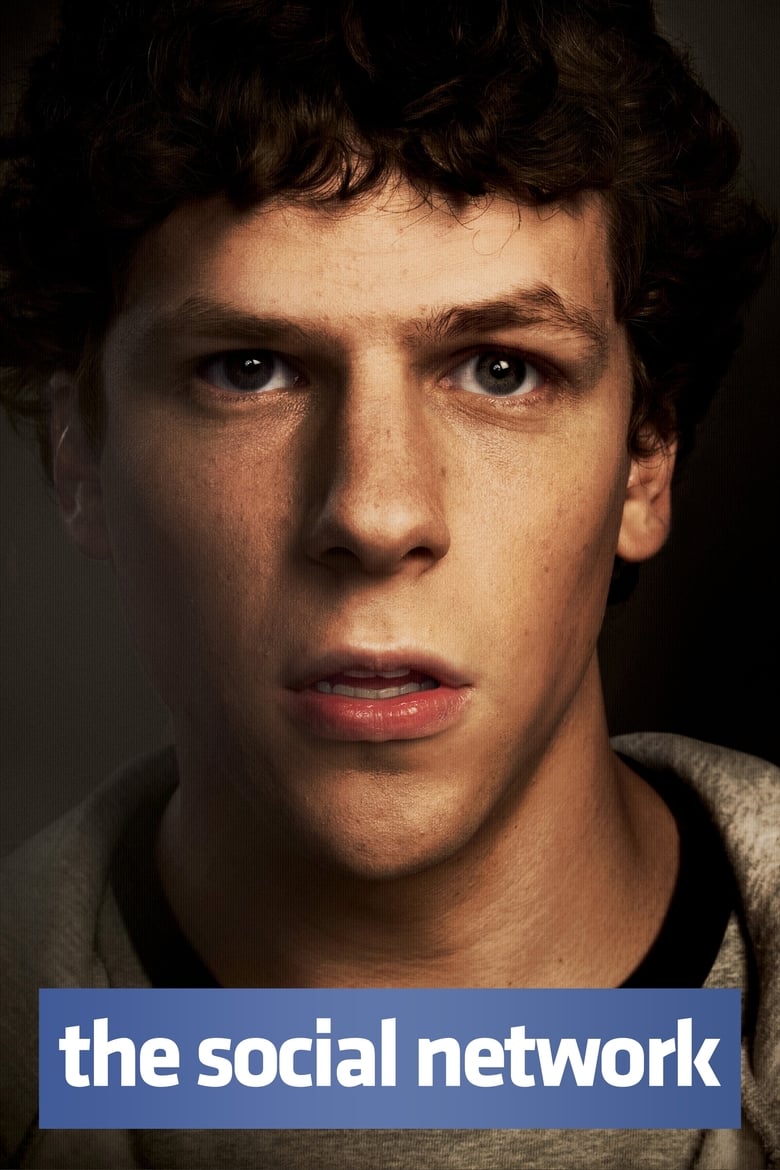
David Fincher's The Social Network (2010), written by Aaron Sorkin and based on Ben Mezrich's The Accidental Billionaires, is widely considered one of the best films of its decade. It is also, by the admission of nearly everyone involved, substantially a work of fiction. The real Mark Zuckerberg has said the film got his motivation completely wrong. The author of the most serious book on Facebook called it about 40 percent true. Here is what actually happened, and what Sorkin invented.
The short answer: the real people are real, the lawsuits were real, and many specific details are surprisingly accurate, but the emotional engine of the entire film, the breakup that supposedly drove Zuckerberg to build Facebook, never happened.
Quick Answer
The film traces the founding of Facebook from a Harvard dorm room in 2003 and 2004 through the lawsuits that followed: the Winklevoss twins and Divya Narendra claiming Zuckerberg stole their idea, and co-founder Eduardo Saverin claiming he was unfairly diluted. Both lawsuits were real and resulted in settlements. The people, the institutions, and the broad sequence of events are accurate. The dialogue, the motivations, and the central romantic frame are largely invented.
TL;DR: A brilliant film about real people and real lawsuits, built on a fictional emotional spine and dialogue Sorkin wrote himself.
The Real Story
In the fall of 2003, Mark Zuckerberg, a Harvard sophomore, built Facemash, a site that compared photos of students, by hacking into Harvard's house databases. He faced disciplinary action. In January 2004 he launched TheFacebook.com, working with roommates Dustin Moskovitz and Chris Hughes and funding from Eduardo Saverin. The Winklevoss twins and Divya Narendra, who had a similar idea called HarvardConnection, accused Zuckerberg of stalling their project while building his own. Facebook expanded to other colleges and then to the public, moved to Palo Alto, and Sean Parker, the founder of Napster, became involved and helped secure early investment.
Saverin was diluted out of his ownership stake as the company took investment, which led to his lawsuit. The Winklevoss lawsuit went on for years and ended in a settlement of stock and cash. Both cases are matters of public court record. Facebook became one of the most valuable companies in the world, and Zuckerberg married Priscilla Chan in 2012.
"A lot of the factual incidents are accurate, but many are distorted, and the overall impression is false." — David Kirkpatrick, author of The Facebook Effect, on the film.

What the Movie Gets Right
Verified details: Zuckerberg really did score a perfect 1600 on his SAT. He really did have business cards printed with the line "I'm CEO, bitch." Facemash was real and got him in trouble with Harvard. The Winklevoss twins and Divya Narendra really did sue him. Eduardo Saverin really was diluted out of his stake. Sean Parker really did get arrested at a party in North Carolina, an incident that contributed to his departure from the company.
The lawsuits: Both central lawsuits were real and both ended in settlements, as the film depicts. The depositions that frame the film did take place, though the specific dialogue is Sorkin's invention.
What the Movie Changes
The breakup: The entire emotional premise of the film, that Zuckerberg built Facebook because a girlfriend named Erica Albright dumped him, is fiction. Erica Albright did not exist. The real Zuckerberg was already dating Priscilla Chan. Sorkin invented the breakup to give the story a motive and an arc.
The motivation: Zuckerberg has said publicly that the biggest thing the film got wrong was his motivation. The film frames Facebook as an act of revenge or status-seeking. The real Zuckerberg says he built it because he wanted to connect people and because the college lacked a universal social directory.
The numbers: The film claims Facemash drew 22,000 hits in two hours. The real number was closer to 450. The inflation serves the drama.
Real People vs Invented Characters
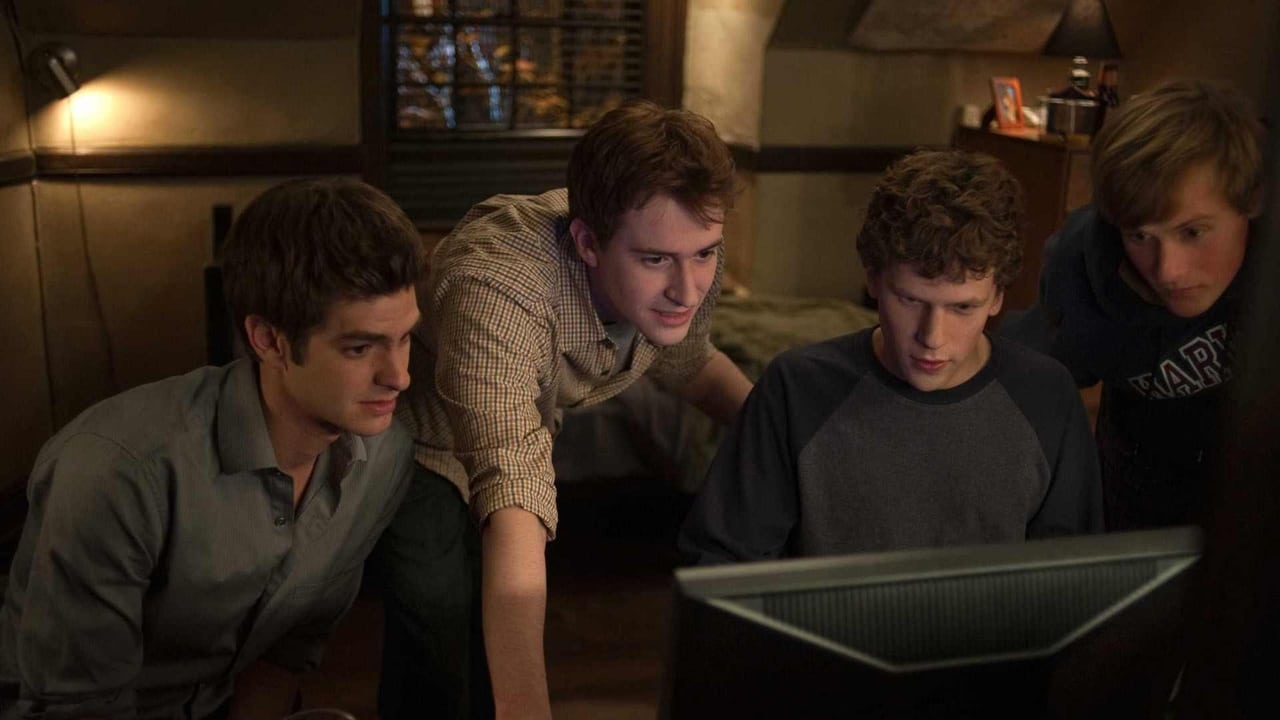
Zuckerberg (Jesse Eisenberg), Saverin (Andrew Garfield), the Winklevoss twins (both played by Armie Hammer), Divya Narendra (Max Minghella), Sean Parker (Justin Timberlake), and Dustin Moskovitz are all real people. The one major character who is entirely invented is Erica Albright, the girlfriend of the opening scene. Sorkin has said she was loosely inspired by a real person connected to the night of Facemash but that he changed the details to avoid embarrassing her. Several other characters are composites, and nearly every line of dialogue is invented by Sorkin, who has admitted he wrote the film as fiction informed by the events.
Invented Scenes and Dramatized Events
The Appletini dinner: The tense dinner at which Sean Parker impresses Zuckerberg and alienates Saverin was largely fabricated. Parker said the dinner happened and they went clubbing afterwards, but the confrontation was invented.
The deposition frame: The lawsuits were real and depositions happened, but the device of telling the whole story through deposition flashbacks is a screenwriting choice. The bitter, sarcastic Zuckerberg of the deposition room is Sorkin's characterization, not a transcript.
The source: The film is based on Ben Mezrich's The Accidental Billionaires, which itself relied heavily on Saverin's account. Zuckerberg did not cooperate with the book or the film, which means the most powerful perspective in the story was filtered through people who were suing him.
"The story Frank Abagnale sold to Hollywood was his greatest forgery. Sorkin did something different: he sold a true story that he openly admits he made into better fiction." The Social Network works because it does not pretend to be a documentary. It works as a film about ambition, betrayal, and the cost of building something huge, told through real people with invented words.
Timeline of the Real Events
Fall 2003: Zuckerberg builds Facemash and faces Harvard discipline.
January 2004: TheFacebook.com launches at Harvard.
2004: Facebook expands to other colleges. The Winklevoss and Saverin lawsuits begin.
June 2004: Facebook moves to Palo Alto. Sean Parker joins.
2005: Accel Partners invests. Saverin's stake is diluted.
2008: Both lawsuits settle. Facebook continues to grow into a global company.

Why Hollywood Changed the Story
Sorkin has said openly that he was less interested in how Facebook was built than in the themes of friendship, betrayal, and the price of ambition. The real founding of a company is mostly meetings, code, and paperwork, none of which is cinematic. The breakup gives the film a wound. The depositions give it a structure. The sharper dialogue gives it a voice. Without these inventions there is no movie, only a lawsuit. Sorkin chose the movie.
Historical Context
The Social Network arrived in 2010, just as Facebook was becoming one of the most powerful companies on Earth and just as the public was beginning to grapple with what social media would do to society. The film captured a specific anxiety: that the tools connecting the world were built by very young men in a hurry, with little thought for the consequences. That anxiety was real, and the film gave it a face. The accuracy of the face is another question.
Frequently Asked Questions
How accurate is The Social Network?
About 40 percent true, according to David Kirkpatrick, author of The Facebook Effect. Many specific incidents are accurate, but the overall impression is distorted, and several key scenes, including the opening breakup, were invented by screenwriter Aaron Sorkin.
Was Erica Albright a real person?
No. Erica Albright, the girlfriend who breaks up with Mark in the opening scene, was invented by Sorkin as a dramatic catalyst. The real Zuckerberg was already dating Priscilla Chan at the time, and the two later married.
Did Mark Zuckerberg really create Facemash because of a breakup?
No. The real Facemash was created on a night when Zuckerberg was blogging, but the breakup motivation was added by Sorkin. The film also inflates the traffic from roughly 450 visitors to 22,000.
Did Sean Parker really crash the dinner with the Winklevoss twins?
The dinner happened, and Sean Parker did attend, but the scene was largely fabricated by Sorkin. Parker said they went clubbing afterwards, and the rest of the confrontation was invented for the film.
Final Verdict
The Social Network is a great film that is not a reliable history. The people, the lawsuits, and many specific details are real, but the emotional logic that holds the story together was invented by a writer who never spoke to his main subject. If you want to understand the founding of Facebook, watch the film and then read David Kirkpatrick's The Facebook Effect, written with Zuckerberg's cooperation, to see where the film diverges. The truth is less dramatic, less bitter, and less lonely than the version on screen, which is exactly why the film changed it.
The film is not a lie. It is a story that uses real names and real events to tell a deeper fiction about ambition, and it admits as much.
Related True Story Guides
Written by StreamRoulette Editorial
You May Also Like


Not Sure What to Watch Next?
StreamRoulette picks your next film in seconds — based on mood, genre, or platform.
Try StreamRoulette