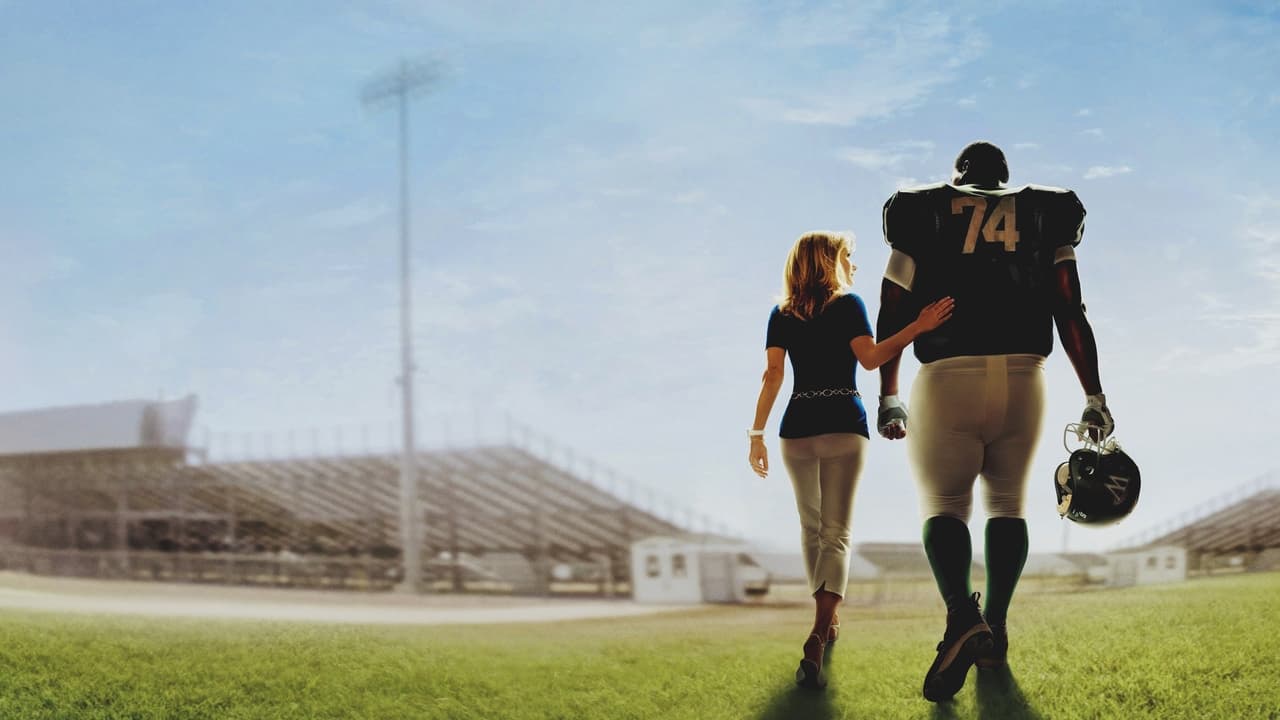
The Blind Side True Story: What Michael Oher Says the Movie Got Wrong
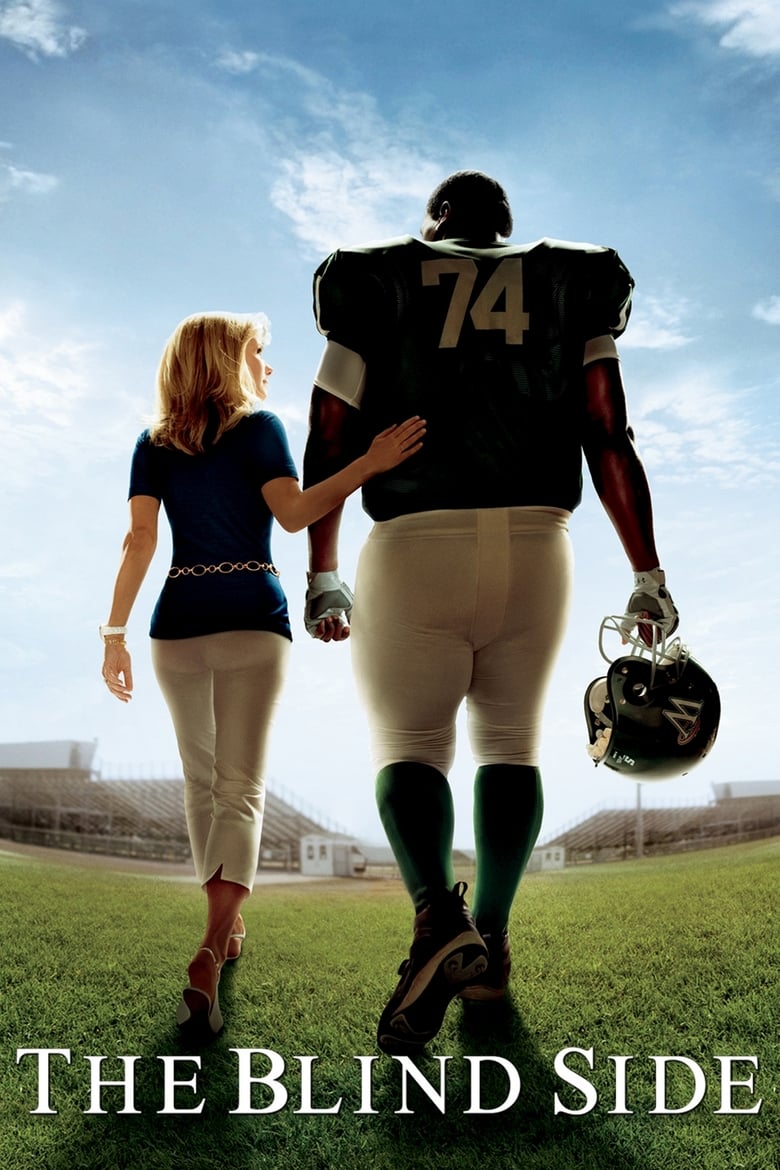
John Lee Hancock's The Blind Side (2009), starring Sandra Bullock as Leigh Anne Tuohy and based on Michael Lewis's 2006 book, was a feel good hit that earned an Academy Award. For years it was treated as an inspiring true story. Then, in 2023, the man at its center filed a lawsuit alleging the central premise of the film, that he was adopted, was a lie. Here is what really happened, what the movie changed, and what Michael Oher has said about losing control of his own story.
The short answer: Michael Oher is real, the Tuohys are real, and he did become an NFL player, but Oher says the film portrayed him as dumb and helpless when he was not, and a 2023 lawsuit alleges the famous adoption was actually a conservatorship the family used to profit from his story.
Quick Answer
The Blind Side follows Michael Oher, a Black teenager from a difficult background in Memphis, who is taken in by the wealthy white Tuohy family, learns football with their guidance, becomes a star left tackle at Ole Miss, and reaches the NFL. Oher is a real person who really did play for Ole Miss and the NFL, including the Baltimore Ravens team that won a Super Bowl. The Tuohy family is real. The broad arc is true. The details, the portrayal of Oher, and the legal nature of the relationship are deeply contested.
TL;DR: A real player and a real family, in a film that Oher says misrepresented his intelligence and his agency, and that a 2023 lawsuit says misrepresented a conservatorship as an adoption.
The Real Story
Michael Oher was a football player from Memphis who had a difficult childhood in poverty. He attended Briarcrest Christian School, where the Tuohy family, led by Sean and Leigh Anne Tuohy, became involved in his life and eventually invited him to live with them. Oher played college football at the University of Mississippi, was drafted by the Baltimore Ravens in 2009, the same year the film was released, and played eight NFL seasons, winning a Super Bowl with the Ravens. Michael Lewis's book, which the film is based on, examined both Oher's story and the strategic rise of the left tackle position in football.
In August 2023, Oher filed a petition in a Tennessee court alleging that the Tuohys never adopted him. Instead, he alleges, they placed him under a conservatorship in 2004 that gave them legal authority over him and, he says, the ability to profit from his name and story. Oher says he only learned the arrangement was a conservatorship, not an adoption, in 2023. The Tuohys have disputed parts of his account. The case drew national attention and reframed the feel good story as something more complicated.
"The movie did a great job of raising awareness about teens in foster care who might succeed if given a loving family and a chance, but it did not do a good job of accurately painting my life." — Michael Oher, in his memoir. He said the biggest issue was being portrayed as not able to learn.
What the Movie Gets Right
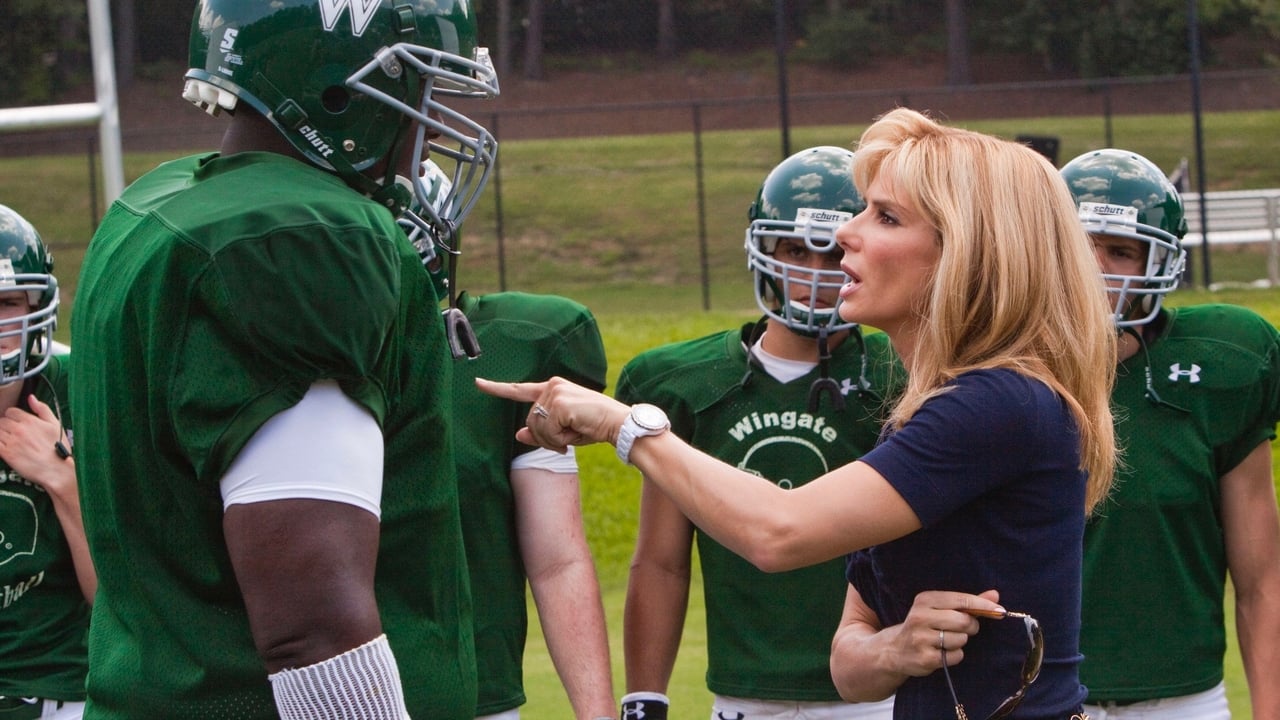
The broad arc: Oher is real, the Tuohys are real, he did attend Briarcrest, he did play for Ole Miss, and he did reach the NFL. The film's outline of his path from Memphis to professional football is accurate in sequence.
The football context: Lewis's book, and the film derived from it, correctly situated Oher's story within the economics of football, specifically the rising value of the left tackle, the player who protects a right handed quarterback's blind side. That strategic context is real and well documented.
What the Movie Changes
Oher was not helpless: Oher has said repeatedly that the film portrays him as someone who had to be taught football and who could not read or learn a playbook. He says he knew football well and was a dedicated athlete from childhood, and that the portrayal followed him into the NFL locker room, where teammates doubted his intelligence. He calls this the hardest part of the film to live with.
The adoption: The emotional climax of the film is the adoption. Oher's 2023 lawsuit alleges this never happened in the legal sense, that the family arranged a conservatorship instead, and that he was misled about what he was signing. The family disputes this. The legal distinction matters: a conservatorship gives the conservators authority over the person, while an adoption makes them legal parents.
The white savior frame: Critics and Oher himself have noted that the film centers the Tuohys, especially Leigh Anne, as the agents of Oher's rescue, while reducing Oher to a passive figure being saved. The real Oher was a driven athlete who had been working toward football long before the Tuohys.
Real People vs Dramatized Characters
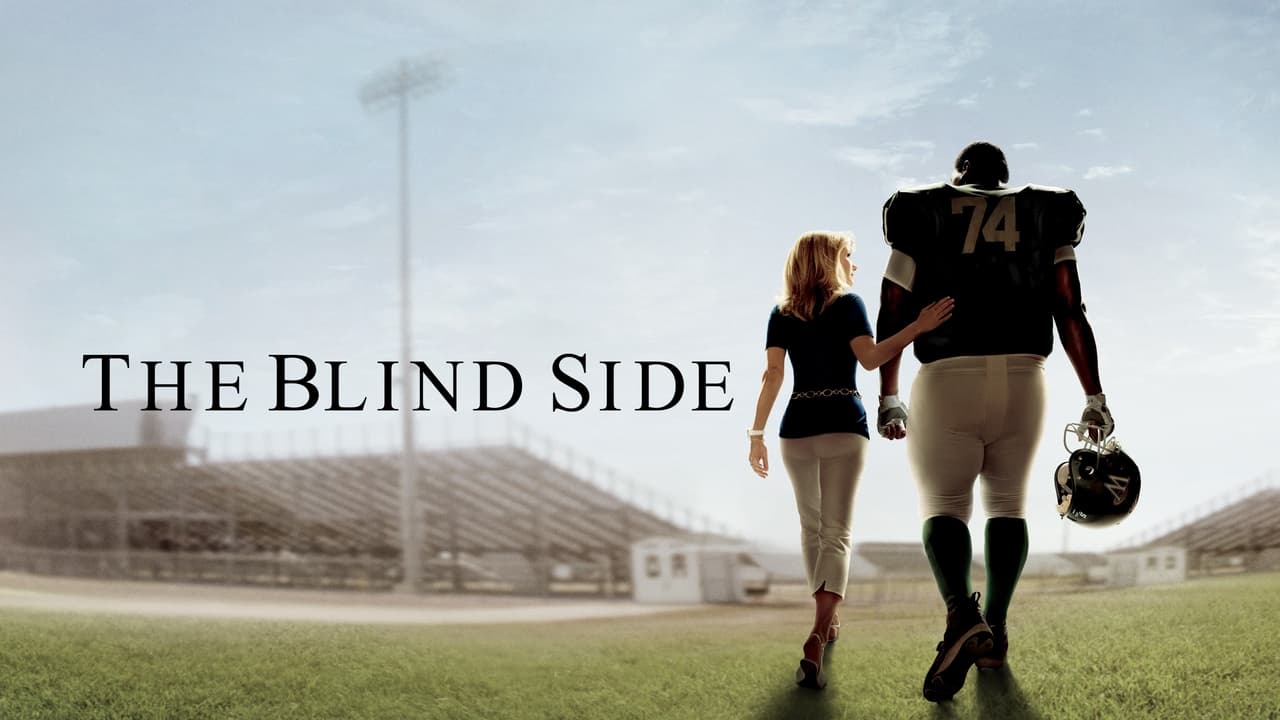
Michael Oher, Sean and Leigh Anne Tuohy, their children Collins and Sean Jr., and the coaches at Briarcrest and Ole Miss are all real people. The film's characters track the real people closely, though it sharpens Leigh Anne Tuohy into a larger than life force, which Sandra Bullock's performance amplified. The most significant distortion is not a fictional character but the fictionalized version of Oher himself: quieter, slower, more passive, and more in need of rescue than the real man says he was.
Invented Scenes and Dramatized Events
Teaching the game: The scenes in which the Tuohys explain football to Oher, including the famous blocking scheme demonstration using ketchup and mustard, are dramatized. Oher says he did not need to be taught.
The protective instinct: The film emphasizes Oher's low test scores and gentle nature as setup for his eventual protectiveness on the field. The real Oher was a talented athlete whose success came from years of work, not from a sudden discovery of his gifts.
The adoption scene: The legal arrangement depicted as an adoption is, per Oher's 2023 filing, a conservatorship. The emotional scene of the family becoming his legal parents is the part of the film now most in dispute.
"I could not figure out why the director chose to show me as someone who had to be taught the game of football. The movie took away the hard work and dedication I had from a child." — Michael Oher, on the portrayal that followed him into the NFL.
Timeline of the Real Events
Early 2000s: Michael Oher attends Briarcrest Christian School in Memphis.
2004: The Tuohys arrange the legal relationship Oher later alleges was a conservatorship, not an adoption.
2005: Oher commits to play football at the University of Mississippi.
2006: Michael Lewis publishes The Blind Side.
2009: Oher is drafted by the Baltimore Ravens. The film is released the same year.
2013: Oher wins a Super Bowl with the Ravens.
August 2023: Oher files a petition alleging the arrangement was a conservatorship and that the family profited from the film.
Why Hollywood Changed the Story
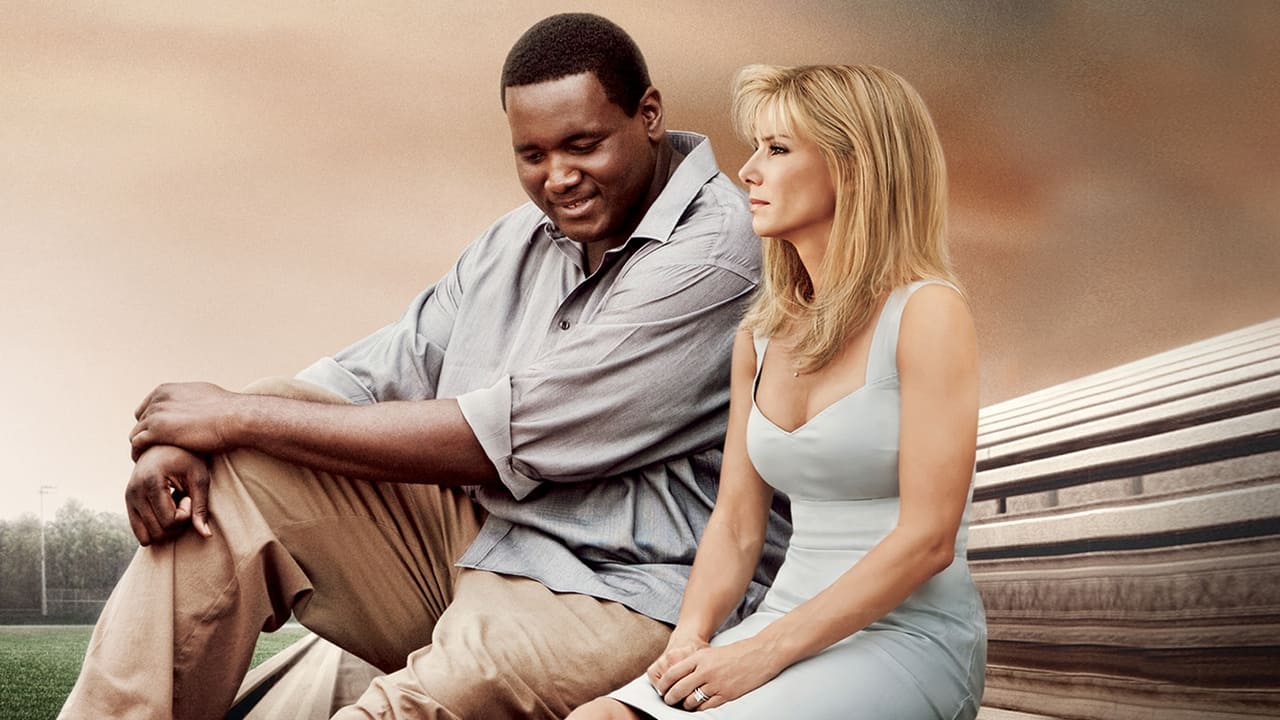
A feel good film needs a rescue, and a rescue needs someone to be rescued. The real Oher, a hardworking athlete who overcame a difficult childhood with significant help from a family, is a more complicated and less dramatic figure than the helpless giant of the film. Centering Leigh Anne Tuohy as the heroine gave the film a clear emotional engine and a star vehicle for Sandra Bullock. The cost was the agency of the real man at the center, who has spent years trying to take his story back.
Historical Context
The Blind Side arrived at the end of a decade of feel good, faith-adjacent sports films, and it was received as an inspiring story of generosity across racial and class lines. The years since have reframed it. Critics of its white savior framing, and Oher himself, have pointed out that the film centers the rescuers and erases the rescued, and that the real story involves a legal arrangement that gave a family authority over a young man in ways the film never showed. The 2023 lawsuit turned a celebrated film into an ongoing question about who gets to tell a life story, and who profits from it.
Frequently Asked Questions
Is The Blind Side based on a true story?
Yes, with major caveats. The film is based on Michael Lewis book about Michael Oher, a real football player taken in by the Tuohy family. But Oher has said the film seriously misrepresented his life, and a 2023 lawsuit alleges he was never adopted at all.
Did the Tuohy family adopt Michael Oher?
Oher alleges they did not. A 2023 court filing claims the Tuohys tricked him into a conservatorship that gave them legal control and the ability to profit from his story, while the film and the family publicly called it an adoption.
Did Michael Oher really need to be taught how to play football?
No, according to Oher. He has said he knew football well and was a talented athlete from childhood, and that being portrayed as someone who had to be taught the game, and as unable to learn a playbook, hurt him in the NFL.
How much did the Tuohys make from The Blind Side?
Oher alleges the family earned millions from the film and the book while he received nothing. The family has disputed aspects of the claim, and the 2023 conservatorship case was the subject of ongoing legal proceedings.
Final Verdict
The Blind Side tells a broadly true story in a deeply misleading way. The real Michael Oher did reach the NFL, and the Tuohy family did help him, but Oher says the film stripped him of his agency and intelligence, and a 2023 legal filing alleges the adoption at the heart of the film never legally happened. The film is an effective feel good story and an unreliable biography. To understand what actually happened, read Oher's own account and the court filings, which tell a more complicated story about family, money, and who controls a life once it becomes a movie.
The film gave the world a rescue story. The real man says the rescue was not what it looked like, and that he is still living with the consequences.
Related True Story Guides
Written by StreamRoulette Editorial
You May Also Like


Not Sure What to Watch Next?
StreamRoulette picks your next film in seconds — based on mood, genre, or platform.
Try StreamRoulette