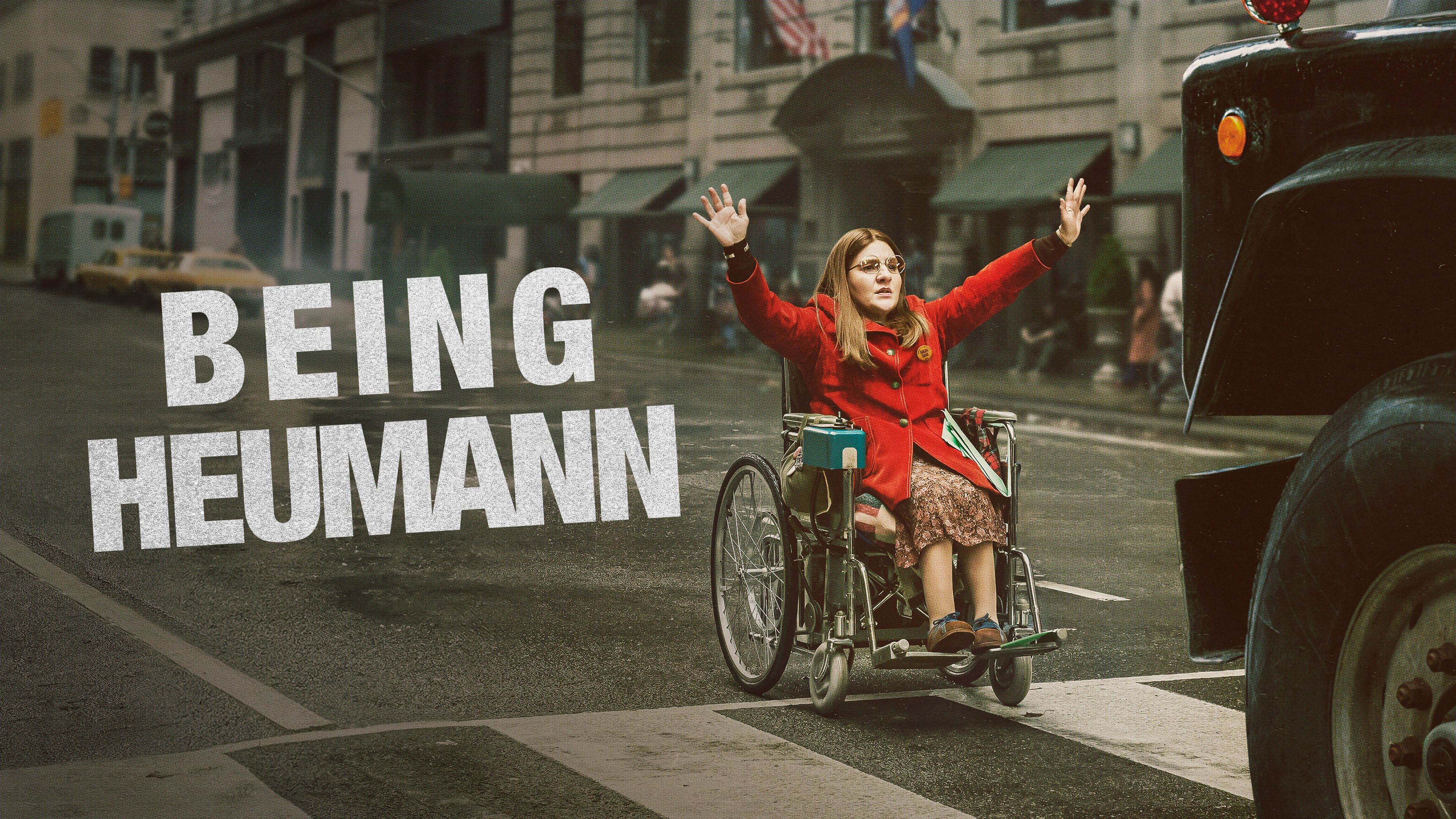
In 1977, a group of activists turned their collective outrage into a historic revolution by occupying a federal building for nearly a month. Director Sian Heder brings this pivotal moment in disability rights history to the screen with a fierce, uncompromising energy that demands to be seen.
Our deep dive covers the true story of Judy Heumann, the impact of the Section 504 sit-in, and why this Apple Original Film is being hailed as a landmark moment for authentic representation in Hollywood.
The Road to Section 504
Following her Academy Award-winning success with CODA, director Sian Heder turned her attention to one of the most significant yet under-told chapters of American civil rights history. Being Heumann chronicles the life and activism of Judy Heumann, the Brooklyn-born leader who refused to accept a society designed to exclude her. The film focuses specifically on the 1977 occupation of the San Francisco Federal Building, a protest that forced the government to finally implement Section 504 of the Rehabilitation Act of 1973.
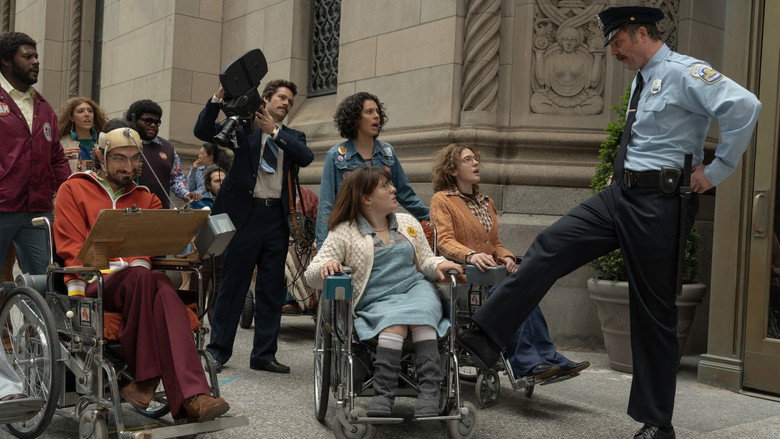
The historical context: While the law had been signed into existence years prior, it remained a hollow promise without enforcement. Heumann and a coalition of activists, including members of the Black Panthers who provided support, realized that the only way to secure their rights was to force the government to acknowledge their existence. The resulting sit-in lasted 28 days, becoming the longest occupation of a federal building in United States history.
Being Heumann scene 1
The film is a reminder that our world looks different because of what these protesters did. They are the reason that accessibility is not just a request, but a legal requirement in public spaces.
A Commitment to Authenticity
What worked: Heder’s dedication to experiential authenticity is the film's greatest strength. By casting an entirely disabled ensemble, the production avoids the pitfalls of past Hollywood attempts to depict disability. Ruth Madeley delivers a powerhouse performance as Heumann, capturing both the fiery, uncompromising nature of the activist and the vulnerable, human moments that occurred behind the scenes of the protest.
What did not work: Some critics have noted that the film occasionally leans into a traditional heroes-versus-villains narrative structure. By painting the government officials as one-dimensional obstacles, the film sometimes loses the nuance of the bureaucratic struggle. While this approach makes for a rousing, accessible drama, it occasionally sacrifices the complexity of the political maneuvering that actually took place during those 28 days.
The screenplay details the 1977 occupation with a sense of urgency, but it sometimes struggles to balance the internal dynamics of the movement with the external pressure of the federal response.
What Fans Are Saying
The defenders: Supporters of the film praise it as a long-overdue tribute to a movement that changed the landscape of American life. Many viewers have highlighted the film's accessibility features, including integrated ASL and BSL, as a gold standard for the industry. For many, the film is not just a biopic but a necessary education on the origins of the Americans with Disabilities Act.
Being Heumann scene 2
The critics: Skeptics argue that the film’s polished, Hollywood-ized approach softens the edges of what was a truly gritty and desperate struggle. Some reviewers have pointed out that the film’s pacing can feel uneven, particularly when it shifts from the high-stakes tension of the occupation to the more intimate, character-driven moments of Heumann’s personal life.
The middle: Most audiences fall somewhere in between, acknowledging that while the film may rely on familiar tropes, the sheer power of the subject matter and the strength of the performances make it an essential watch. It is widely agreed that the film succeeds in making a complex piece of legislation feel like a high-stakes thriller.
Being Heumann scene 3
The Verdict
The verdict: Being Heumann is a vital, stirring piece of cinema that succeeds in bringing a forgotten revolution to the forefront of the cultural conversation. While it may occasionally trade nuance for dramatic flair, the film’s heart is firmly in the right place. It serves as a powerful testament to the power of collective action and the indomitable spirit of those who refuse to be ignored.
Final thoughts: By centering the voices of those who lived this history, Sian Heder has created a film that feels both timely and timeless. It is a call to action for a new generation of activists, reminding us that change is rarely given, but always taken. Judy Heumann’s legacy is secure, and this film ensures that her story will continue to inspire for decades to come.