Hacksaw Ridge True Story: What Mel Gibson Changed About Desmond Doss
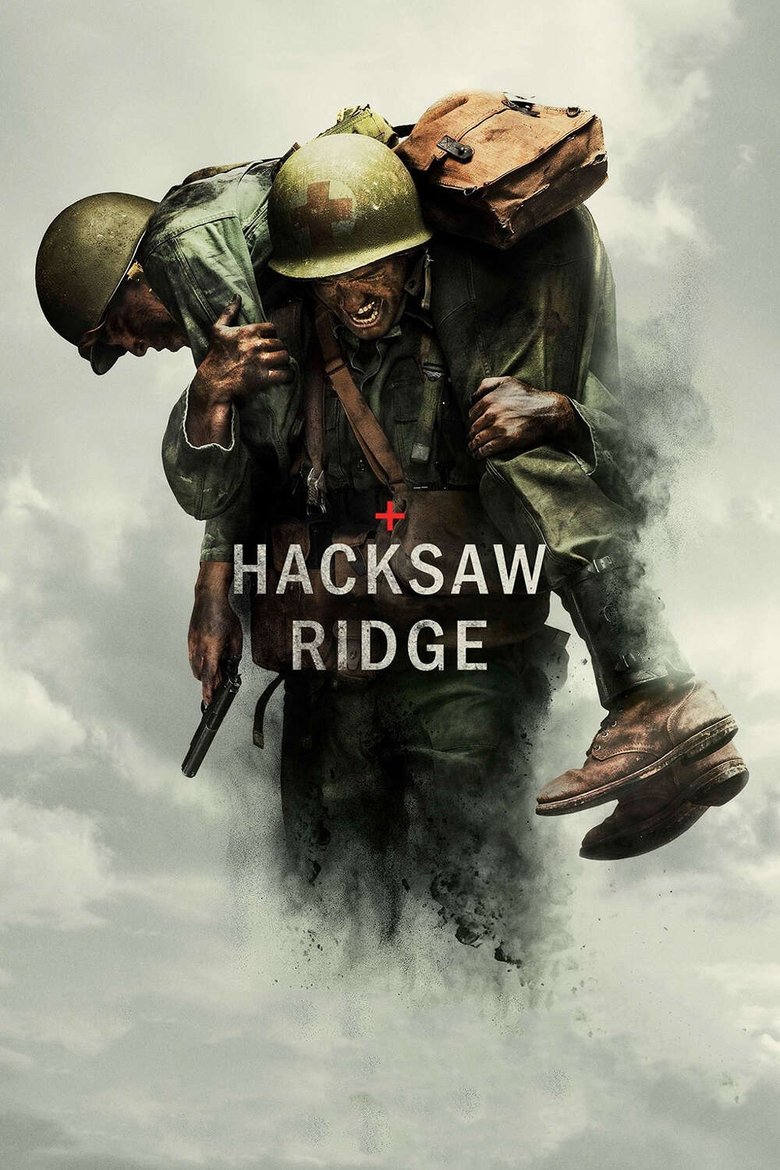
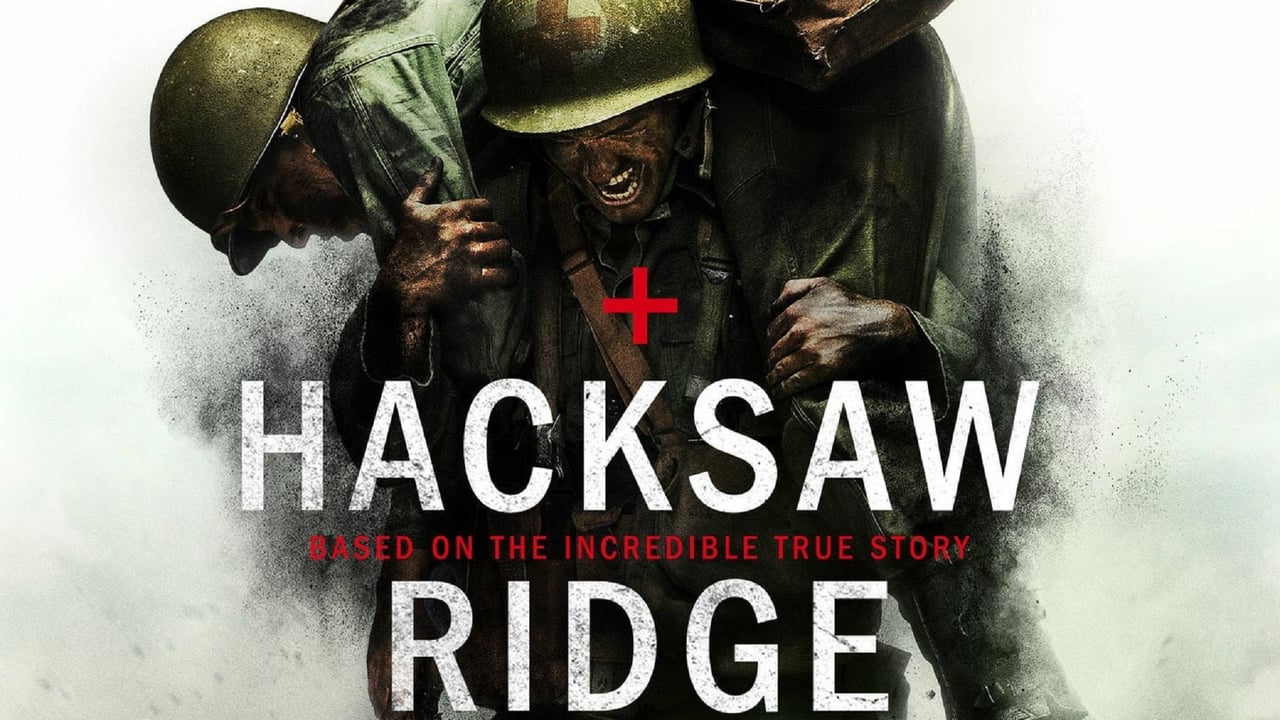
Mel Gibson's Hacksaw Ridge (2016) tells the story of Desmond Doss, a Seventh-day Adventist combat medic who saved roughly 75 wounded soldiers at the Maeda Escarpment on Okinawa without firing a single shot, and became the first conscientious objector to receive the Medal of Honor. Doss himself spent decades turning down film offers because he feared his story would be sensationalized or made inaccurate. His son said the filmmakers finally honored his one requirement: that it be accurate. The war footage is largely faithful. The early life is not.
The short answer: Doss was real, the rescue was real, and the Medal of Honor was real, but the court-martial, the abusive alcoholic father, and the bullying were invented or distorted, and Gibson actually toned down Doss's real heroism because he thought audiences would not believe it.
Quick Answer
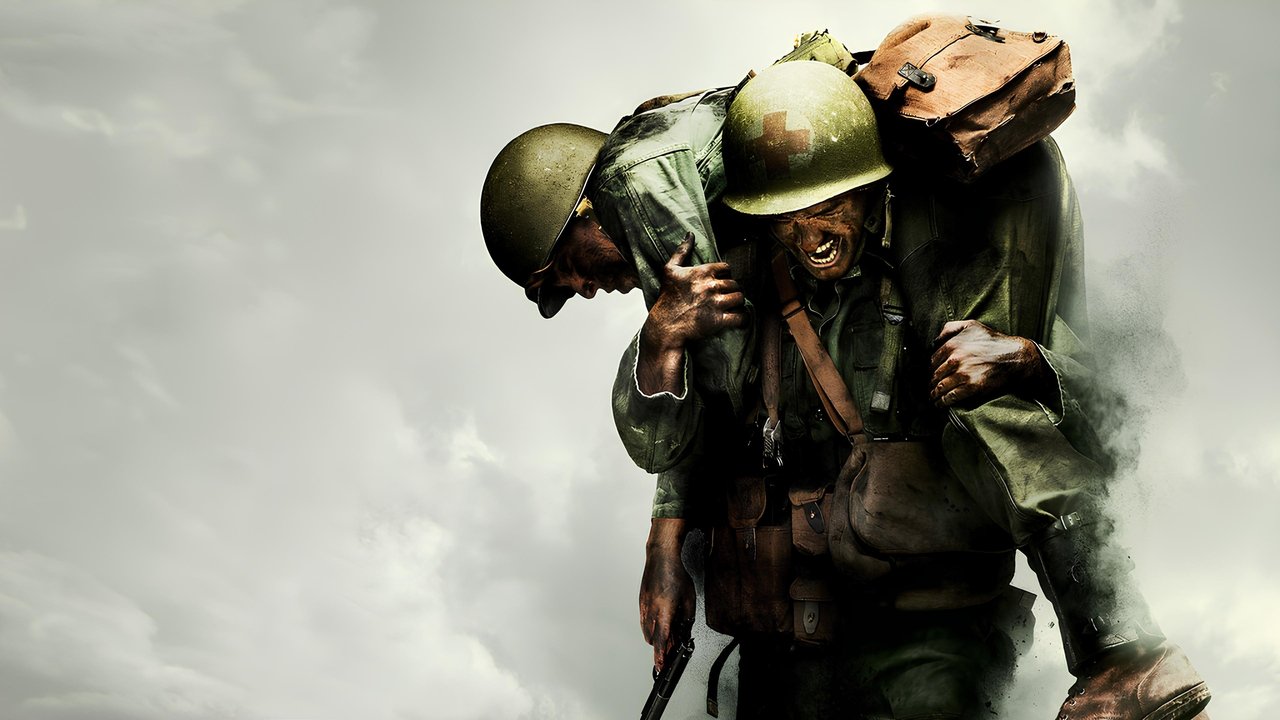
Hacksaw Ridge follows Desmond Doss (Andrew Garfield), a Virginia conscientious objector who enlists as a medic in World War II, refuses to touch a rifle, endures abuse from his unit, is nearly court-martialed, and then single-handedly lowers dozens of wounded men down a cliff face during the Battle of Okinawa, praying "Lord, please help me get one more." The combat and the rescue are broadly accurate. The court-martial, the domestic violence, and several personal conflicts were invented or changed.
TL;DR: A faithful war film built on an unfaithful early life, with real heroism the director felt he had to soften.
The Real Story
Desmond Doss was a Seventh-day Adventist from Lynchburg, Virginia, who enlisted as an army medic in World War II while refusing to carry a weapon or kill, on religious grounds. He served in the Pacific, seeing combat at the Battle of Guam and the Battle of Leyte, where he earned the Bronze Star for bravery, before the Battle of Okinawa. There, at the Maeda Escarpment, known as Hacksaw Ridge, he repeatedly climbed a cliff face under fire to lower wounded men to safety over a period of about three weeks, from late April to late May 1945. He was wounded by a grenade and later by a sniper that fractured his arm, and he crawled 300 yards to safety after being left alone for five hours. He was awarded the Medal of Honor by President Harry Truman, the first conscientious objector to receive it.
"The reason he declined all those earlier offers is that none of them adhered to his one requirement: that it be accurate. And I find it remarkable, the level of accuracy in adhering to the principle of the story in this movie." — Desmond Doss Jr., on his father's decades of refusing film offers until Hacksaw Ridge.
What the Movie Gets Right
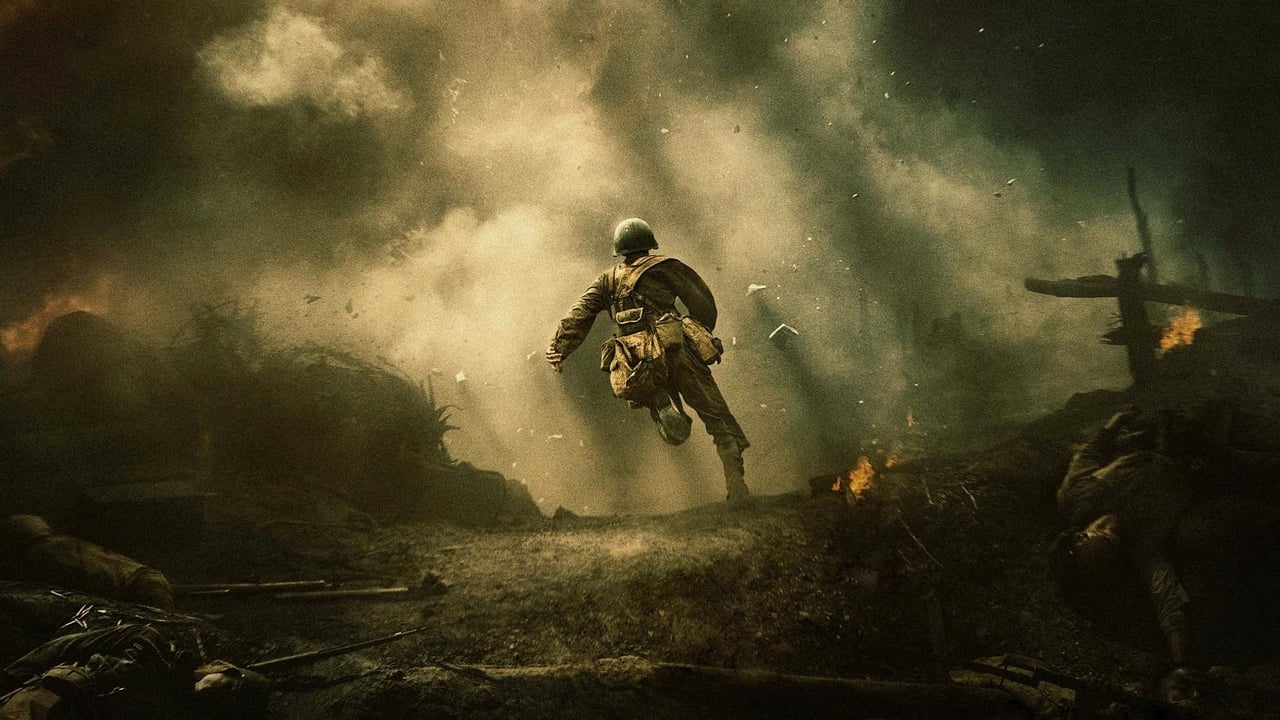
The rescue: Doss really did lower wounded soldiers over the cliff edge at the Maeda Escarpment while under fire, and he really did pray to save one more. His estimate of 75 men is the figure the Medal of Honor citation uses.
The faith: Doss was a genuine Seventh-day Adventist who refused to bear arms or work on the Sabbath, which created real friction. The producers took unusual care with his religious convictions, which is why the Doss family finally cooperated.
The Medal of Honor: Doss was the first conscientious objector to receive it, awarded by President Truman, and the film closes with real footage and a real interview with Doss near the end of his life.
What the Movie Changes
The court-martial: The film's dramatic centerpiece, in which Doss is nearly court-martialed for refusing to bear arms and his father intervenes with a letter from a former commanding officer, did not happen. Doss was never court-martialed. He also did not miss his wedding, having married Dorothy Schutte before he entered active service, unlike the film.
The father: The film portrays Doss's father as a violent, alcoholic World War I veteran who beat his wife and pulled a gun on his sons. In reality, William Thomas Doss had given up drinking and smoking and become a Seventh-day Adventist while Desmond was a child, and he never served overseas in the First World War, having been discharged before the armistice. The gun incident happened under different circumstances.
The bullying: The platoon sergeant did not punish the entire barracks for Doss's refusal, and Doss was not beaten by fellow soldiers. Smitty, the soldier who torments and then befriends Doss, is a composite created for the film.
Real People vs Composite Characters
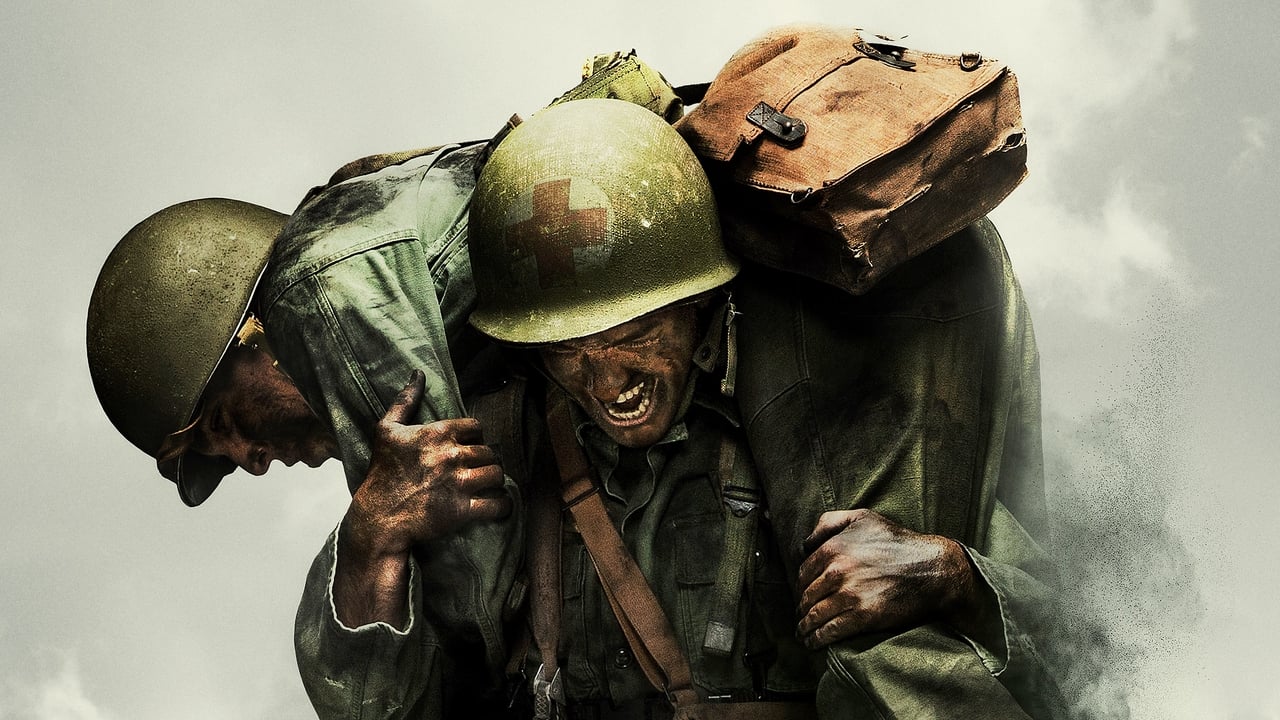
Desmond Doss, his wife Dorothy, his father and brother, and Captain Glover are real. Smitty, played by Luke Bracey, is a composite of several soldiers who tormented and then came to respect Doss, created for narrative reasons. The broad relationships are grounded in the real record, but the specific conflicts and the court-martial are dramatized.
Invented Scenes and Compressed Timelines
First combat at Okinawa: The film implies Okinawa was Doss's first combat. In reality he had already fought at Guam and Leyte and earned a Bronze Star, and by the time of Okinawa he was already respected by his unit, not an outcast.
The stretcher and the crawl: The film shows Doss being wounded and carried off. In reality he gave his stretcher place to another wounded man, was then shot by a sniper who fractured his arm, and crawled 300 yards to safety after five hours alone. Gibson omitted this because he felt the audience would not find it believable, which is why the real story is more remarkable than the film.
The timeline: The film compresses Doss's Medal of Honor actions into what feels like a few days. The citation covered about three weeks of continuous bravery.
"Hacksaw Ridge tones down the heroism of Desmond Doss because Mel Gibson believed his real-life story would be too incredible for audiences." The truest details are the ones the film left out, for fear no one would believe them.
Timeline of the Real Events
1919: Desmond Doss is born in Lynchburg, Virginia.
1942: Doss enlists as an army medic, refusing to carry a weapon.
1944: Doss sees combat at Guam and Leyte, earning a Bronze Star.
April 29 to May 21, 1945: Doss rescues roughly 75 men at the Maeda Escarpment on Okinawa.
October 1945: Doss receives the Medal of Honor from President Truman.
Why Hollywood Changed the Story
A war film needs a clear arc, and a man who is already a respected veteran does not have the same journey as a man who arrives as an outcast. The court-martial and the bullying give Doss a struggle to overcome before the rescue. The abusive father gives him a wound to heal. The compressed timeline gives the climax momentum. Each invention serves the story. The irony is that the real story, including the stretcher given away and the 300-yard crawl, was more dramatic than the film, and Gibson cut it because he did not trust the audience to believe it.
Historical Context
The Battle of Okinawa was one of the bloodiest of the Pacific war, with tens of thousands of American casualties and far higher Japanese and civilian losses. The Maeda Escarpment was a heavily fortified cliff that American forces had to scale repeatedly under intense fire. A medic who refused to kill and yet kept climbing that cliff to lower wounded men to safety was, by any measure, extraordinary. The Medal of Honor citation recognized exactly that. The film honors the principle of the man while changing the details of his life, which is what Doss spent decades afraid of, and what his son said the film finally got right in spirit, if not in every fact.
Frequently Asked Questions
Is Hacksaw Ridge a true story?
Yes. Desmond Doss was a real Seventh-day Adventist combat medic who saved roughly 75 wounded soldiers at the Maeda Escarpment on Okinawa without firing a weapon, and received the Medal of Honor from President Truman.
Did Desmond Doss really get court-martialed?
No. The film shows him court-martialed for refusing to bear arms, but he was never court-martialed. He also did not miss his wedding, having married Dorothy Schutte before entering active service.
Was the father of Desmond Doss really a violent alcoholic?
No. The real William Thomas Doss had quit drinking and smoking and become a Seventh-day Adventist while Desmond was a child. The film invented the abusive alcoholic father for dramatic effect.
How many men did Desmond Doss save at Hacksaw Ridge?
Doss estimated 75, and the Medal of Honor citation covered actions over about three weeks, not the few days the film implies. He had also already earned a Bronze Star at Guam and Leyte before Okinawa.
Final Verdict
Hacksaw Ridge is more accurate than most war biopics in its combat footage and less accurate in its early life. The rescue, the faith, and the Medal of Honor are real and well rendered. The court-martial, the alcoholic father, the barracks beating, and the single-night timeline are inventions or compressions. The strangest fact about the film is that it made the real man less heroic than he actually was, because the director believed the truth would strain credulity. Doss spent his life protecting the accuracy of his story, and the film, by his son's account, finally honored the principle of it, even where it changed the details.
The real Desmond Doss did not need a court-martial to be remarkable. He just needed a cliff, a rope, and the willingness to climb it one more time.
Related True Story Guides
Written by StreamRoulette Editorial
You May Also Like


Not Sure What to Watch Next?
StreamRoulette picks your next film in seconds — based on mood, genre, or platform.
Try StreamRoulette