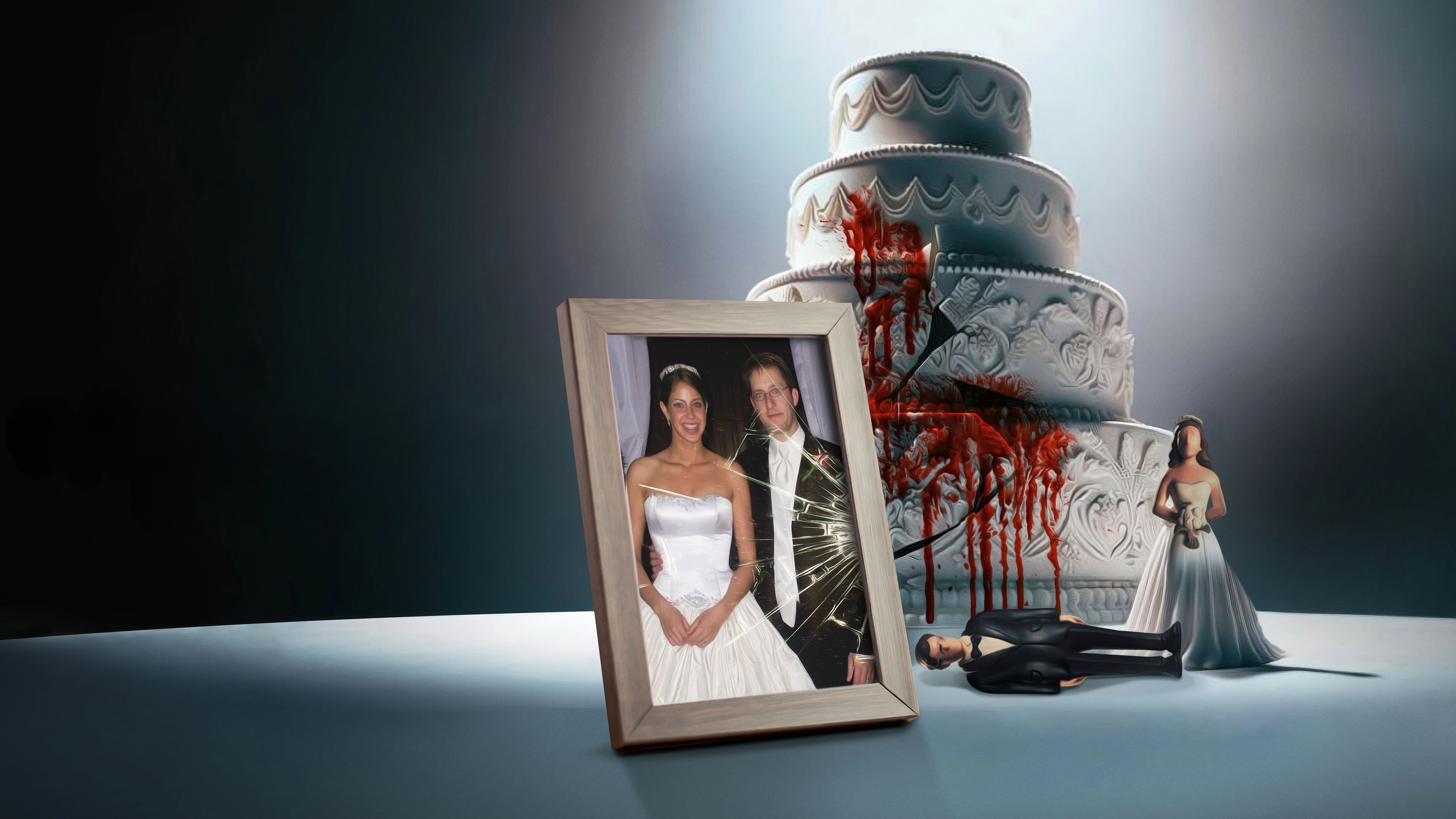
This article contains major spoilers for The Murder of Dan Markel. Read only if you have already seen it.
When Florida State University law professor Dan Markel was gunned down in his own driveway in 2014, it initially appeared to be a random act of violence. What investigators uncovered, however, was a chilling plot deeply rooted in a bitter custody battle and a family's desperate desire to relocate their grandchildren.
The investigation into the murder-for-hire conspiracy eventually pointed toward the powerful Adelson family, revealing how far some will go to maintain control. This article breaks down the meticulous police work, the key testimonies, and the legal journey that finally brought the perpetrators to justice.
The Setting of a Targeted Execution
In the quiet neighborhood of Trescott Drive in Tallahassee, Florida, Dan Markel, a respected and brilliant legal scholar, was shot twice in the head while parked in his garage on July 18, 2014. The brutality of the act stunned the local community, and for months, investigators were left chasing ghosts, unable to find a clear motive for why a man with no criminal ties would be targeted with such lethal precision.
What the evidence revealed was that the crime was not a random robbery gone wrong, but a calculated execution. Investigators soon traced the path of a rental car and identified a connection to South Florida, peeling back the layers of a high-stakes, toxic family feud that had been simmering for years following Markel’s divorce from Wendi Adelson.
The case was built on a foundation of digital breadcrumbs, rental car receipts, and the relentless persistence of investigators who refused to let the case go cold.
The Web of Conspirators
The investigation centered on the unlikely alliance between the Adelson family—prominent dentists from South Florida—and a group of low-level criminals from the Miami area. The prosecution argued that Wendi’s mother, Donna Adelson, and brother, Charlie Adelson, orchestrated the murder to allow Wendi to move to South Florida with her children, effectively cutting Markel out of the picture.
The Murder of Dan Markel scene 1
The role of the hitmen was eventually clarified through bank records and witness testimony. Sigfredo Garcia and Luis Rivera, the men hired to carry out the deed, were connected to the Adelsons through Katherine Magbanua, who served as a critical intermediary. Her eventual cooperation with the state turned the tide of the entire investigation, providing the missing pieces needed to connect the architects to the assassins.
The Prosecution and the Legal Battle
What worked: The prosecution’s ability to weave together a complex web of circumstantial evidence into a compelling narrative was masterful. By focusing on the "murder-for-hire" structure, they bypassed the lack of a smoking gun by relying on a mountain of recorded conversations, text messages, and financial patterns that demonstrated a clear consciousness of guilt.
What did not work: Defense attorneys for the Adelsons attempted to paint the entire affair as a extortion plot against Charlie Adelson, claiming he was forced to pay the killers to save his own life. This narrative struggled to gain traction with juries, who found the sheer amount of planning and the family's subsequent behavior—specifically the decision of Donna and Harvey Adelson to flee or distance themselves—as too damning to ignore.
Justice in the Markel case was a slow burn, taking nearly a decade to reach its crescendo as the primary architects finally faced the consequences of their actions.
The Truth About the Motive
The heart of the tragedy lies in the intersection of personal obsession and legal control. Markel was a man who stood firm on his rights as a father, refusing to allow his children to be moved far from his home base in Tallahassee. This refusal was viewed by the Adelson family as an insurmountable obstacle, leading to a series of escalating tensions that eventually culminated in the fatal decision.
The Murder of Dan Markel scene 2
The legal aftermath has been a series of high-profile trials that captivated true-crime enthusiasts worldwide. Charlie Adelson’s 2023 conviction for first-degree murder marked a turning point in the case, validating the theories that investigators had held since the very first weeks of the investigation. The legal system, though agonizingly slow, eventually dismantled the infrastructure of secrets the family had built.
Conclusion and Reflection
The verdict: The murder of Dan Markel remains one of the most haunting examples of how personal vendettas can metastasize into criminal conspiracies. The case serves as a dark reminder that even in the most privileged circles, the inability to navigate conflict legally and ethically can lead to catastrophic, life-ending violence.
Ultimately, the story of Dan Markel is not just about the horror of his passing, but the endurance of a justice system that—despite significant obstacles and years of deflection—managed to hold those responsible accountable. It stands as a testament to the pursuit of truth in the face of immense power and influence.