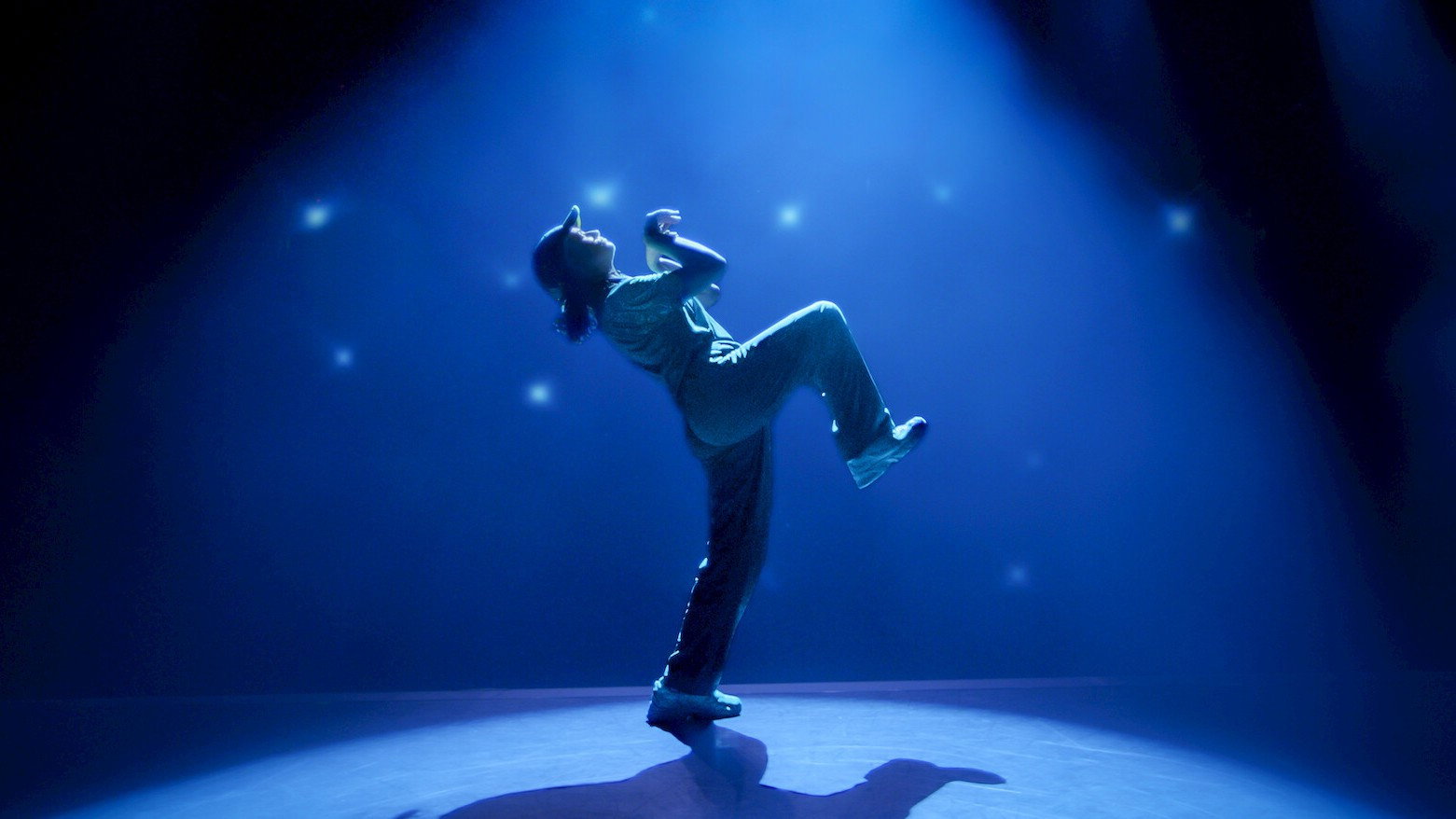
When the 2024 Paris Olympics broke the internet, it wasn't just because of gold medals or record-breaking sprints; it was because of an Australian breakdancer known as Raygun. Her unconventional performance ignited a global conversation about authenticity, skill, and the viral nature of modern notoriety.
This article examines the Untold Raygun documentary, analyzing whether it captures a genuine cultural moment or if it is merely cashing in on internet infamy. We break down the production, the public reception, and whether this deep dive into the viral breaking sensation is worth your streaming time.
The Anatomy of a Viral Storm
The rise of Rachel Gunn, better known as Raygun, represents a fascinating case study in how social media can transform a singular, divisive public moment into a worldwide phenomenon almost overnight. The documentary attempts to pull back the curtain on the woman behind the memes, shifting the focus from the mockery to the individual’s perspective on the Olympic stage.
Context and background: It is difficult to separate the subject from the noise, but the documentary makes a concerted effort to ground the discussion in the reality of competitive breakdancing's entry into the Olympic arena. By framing the narrative around the selection process and the pressures of the Games, the film seeks to provide a more nuanced look at the controversy.
The documentary serves as both a defense and a chronicle of one of the internet's most bizarre 2024 cultural intersections.
What Worked and What Did Not
What worked: The documentary excels in providing context to the training and qualification process, proving that this was not merely a prank but a dedicated, albeit unconventional, pursuit. It humanizes a figure who, for months, was treated as nothing more than a punchline on TikTok and X.
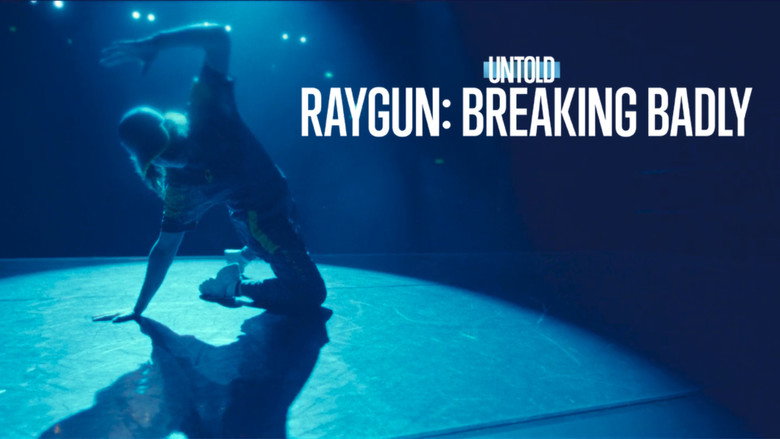
Untold: Raygun scene 1
What did not work: The pacing feels inconsistent, often lingering too long on the social media reaction rather than focusing on the actual sport of breakdancing. At times, the film struggles to maintain a neutral tone, occasionally veering into an overly defensive stance that might alienate viewers who tuned in for a balanced report.
The verdict: If you are interested in the sociology of viral fame, this is a compelling watch. However, for those looking for a purely sports-focused look at Olympic breaking, the sensationalism might prove a distraction.
It is a rare look at what happens when the weight of global expectation meets a performance style that the world simply wasn't prepared for.
What Fans Are Saying
The defenders: Supporters argue that the documentary finally gives Gunn a voice in a conversation that was previously dominated by bad-faith commentary and cyberbullying. They appreciate the focus on her academic background and her genuine passion for the art form, regardless of the Olympic results.
The critics: Detractors maintain that the documentary is a thinly veiled attempt to capitalize on a meme, arguing that no amount of behind-the-scenes footage can justify the performance quality shown in Paris. They suggest the film lacks the critical edge needed to address why the breaking community was so frustrated by her selection.
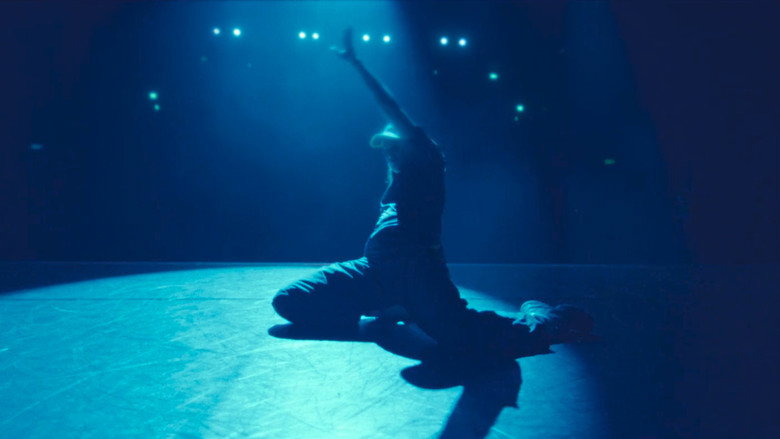
Untold: Raygun scene 2
The middle: Many viewers fall in the center, acknowledging the validity of the documentary as a portrait of a person caught in a viral maelstrom, while still questioning whether the subject warranted an 'Untold' level of investigative focus.
The Legacy of the Viral Moment
Whether you find Raygun to be an endearing figure or a symbol of the absurd, the documentary forces the audience to confront how we treat viral stars. It raises uncomfortable questions about digital shaming and the speed at which we decide who is worthy of praise or ridicule.
The bottom line: The film successfully argues that the 'breaking' of the sport had less to do with the steps taken on the floor and everything to do with the shifting expectations of global audiences. It is a meta-commentary on fame in the digital age that ultimately leaves the viewer to decide where the fault truly lies.