This article contains major spoilers for Pressure. Read only if you have already seen it.
2026 has become a breakout year for historical storytelling, with filmmakers increasingly turning to the archives to ground their most ambitious epics. From the boardrooms of D-Day to the forgotten corridors of royal power, these films aim to blur the line between rigorous research and cinematic spectacle.
This deep dive explores the real history behind the season's most-discussed dramas. We separate documented facts from Hollywood embellishments to reveal what truly happened in the moments that shaped our world.
The Weight of Truth in Modern Period Pieces
The current landscape of historical cinema is defined by a push for visceral authenticity. Directors are moving away from stylized, sanitized versions of the past, opting instead for a gritty, sometimes uncomfortable realism that challenges what we think we know about history. This shift requires not just a solid script, but a commitment to the primary sources that underscore these narratives.
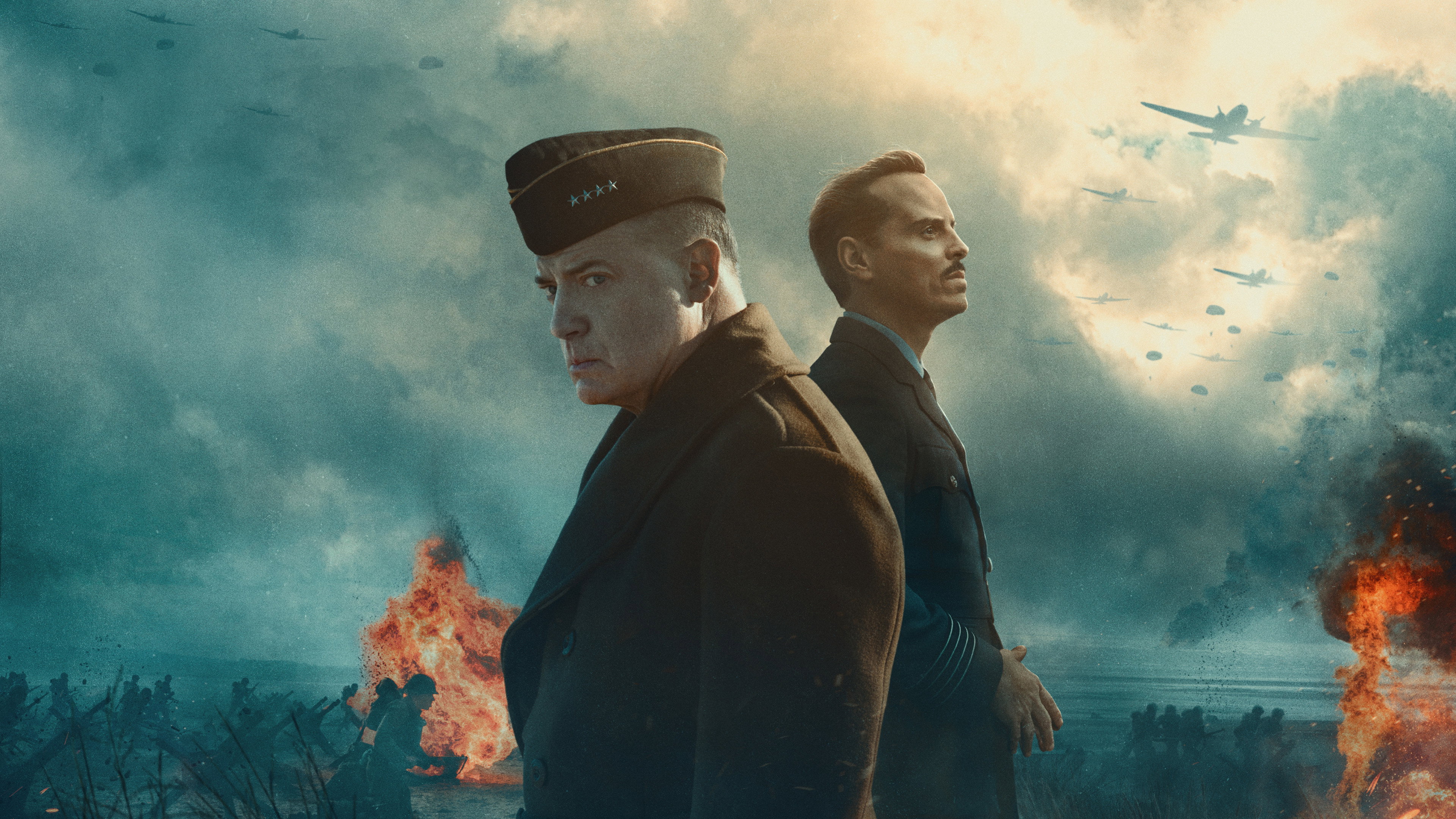
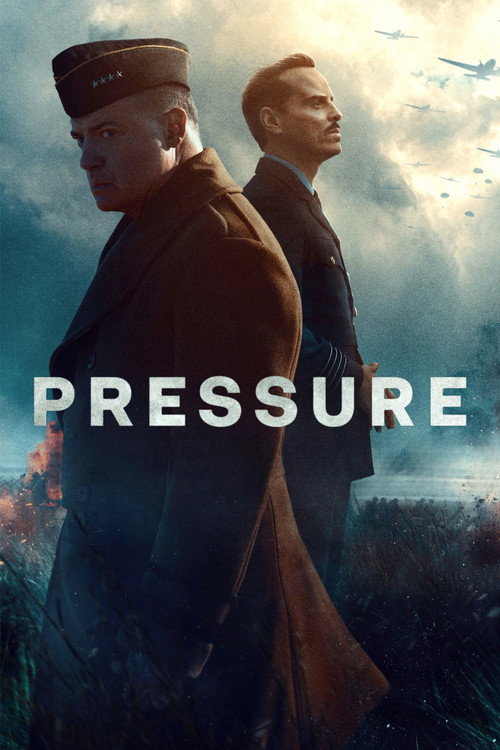
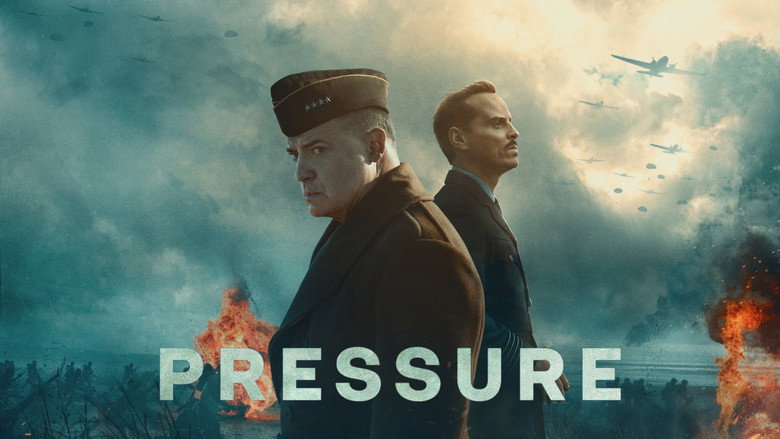
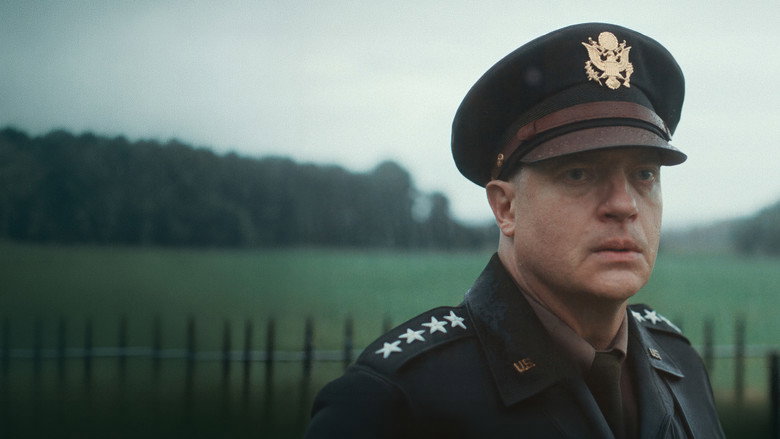
When we watch a film like Pressure, which documents the intense decision-making process behind Operation Overlord, we aren't just seeing a movie; we are witnessing an attempt to reconstruct a specific, pressure-cooker environment. The goal for creators this year has been clear: bridge the gap between the textbook account and the human experience.
The past is not a foreign country; it is a live wire, and we are just now learning how to touch it without getting burned.
Pressure: The Architecture of D-Day
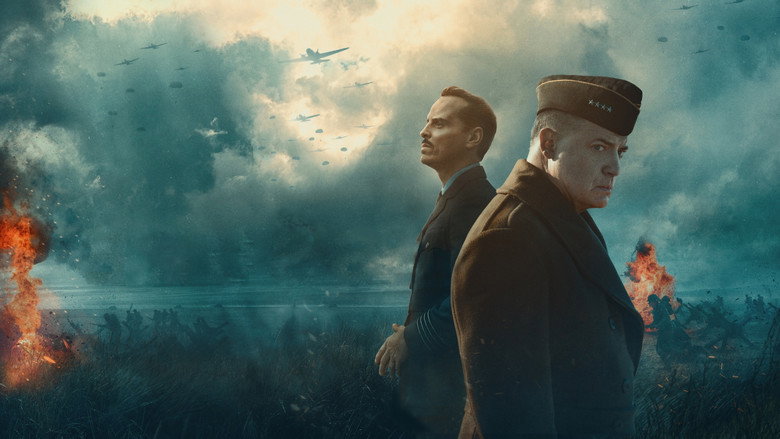
What worked: The film excels at turning a claustrophobic meeting room into an action sequence. By focusing on the meteorological data and the fragile consensus of the Allied command, the director creates tension that matches any battlefield sequence.
Pressure scene 1
What did not work: Some viewers may find the focus on technical logistics slightly dry, though historians have praised the granular attention to detail regarding the weather windows that dictated the invasion.
The verdict: It is a masterclass in tension, proving that the most dangerous weapon in war might just be a difference of opinion. The film largely sticks to the established timeline of events, though it fictionalizes specific emotional exchanges that likely occurred behind closed doors.
History is not what happened, but what we agree happened. The film forces us to confront that agreement.
The Balance of Narrative and Archive
The defender: Proponents of these 2026 releases argue that the artistic license taken is necessary for emotional resonance. Without the dramatization of character arcs, the sheer scale of these historical events would feel cold and distant to modern audiences.
Pressure scene 2
The critics: Conversely, historical purists point out that changing timelines or compressing events into single scenes can lead to a misunderstanding of how long and arduous these actual processes were. The concern remains that audiences will take the cinematic version as absolute fact.
The middle: Most viewers exist in a space of appreciation, recognizing that film is inherently a medium of interpretation rather than a documentary substitute. The best films of the year are those that provide a bibliography alongside their closing credits, encouraging the audience to dig deeper into the source material.
Reframing the Icons
Biopics continue to dominate the genre, yet 2026 has seen a shift toward exploring the 'supporting players' of major historical moments. Instead of focusing solely on the kings or the generals, we are seeing a trend of highlighting the assistants, the spouses, and the quiet innovators whose work went uncredited for decades.
Pressure scene 3
This approach provides a more holistic view of history, showing that progress is rarely the result of a single person's genius, but rather a collective effort involving thousands of unseen hands. It is a refreshing pivot that breathes new life into the well-trodden ground of history.
The Final Word on Historical Accuracy
Ultimately, the value of these dramas lies in their ability to ignite curiosity. A movie is a starting point, not the end of the conversation. When we walk out of the theater, the responsibility passes to us to verify the claims and understand the full complexity of the individuals depicted on screen.
Historical dramas remain the most effective mirror we have to study our own nature, reflecting our current fears and aspirations through the lens of those who came before. By questioning the narrative, we respect the history, ensuring that the stories of the past continue to challenge us in the present.