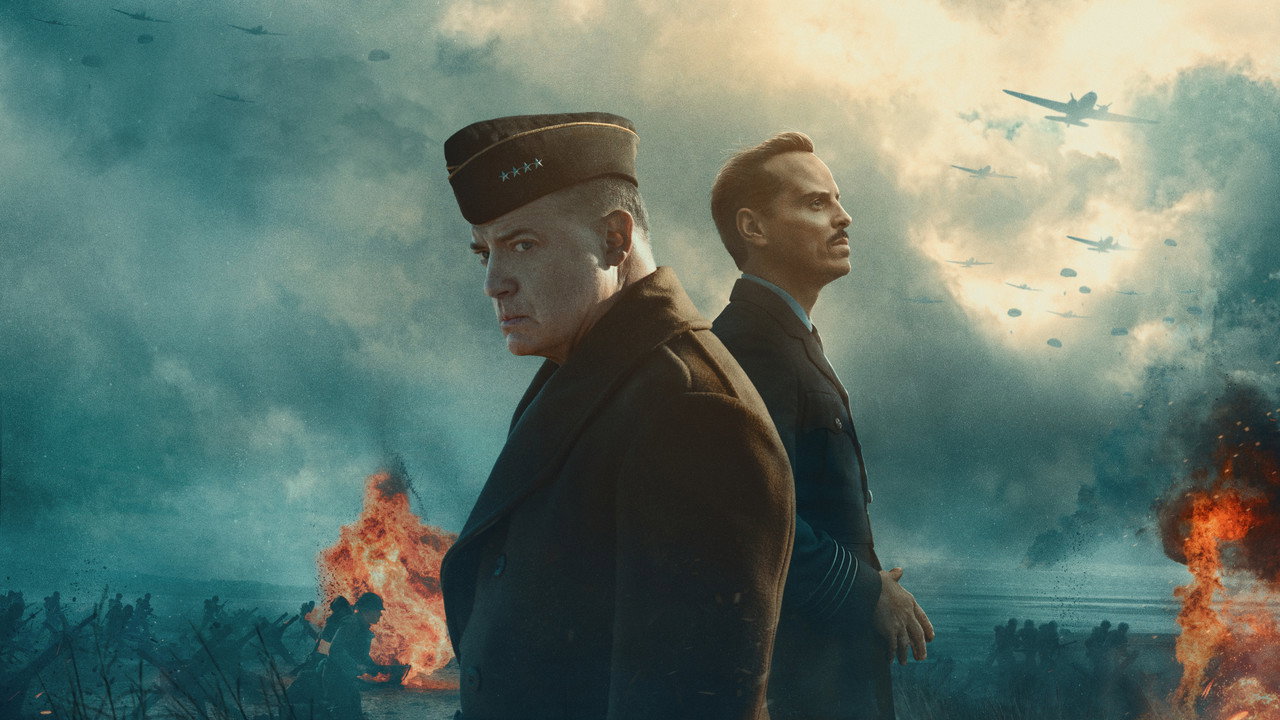
Pressure Is the WWII Film That Puts You Inside the Room Where the Decision Was Made
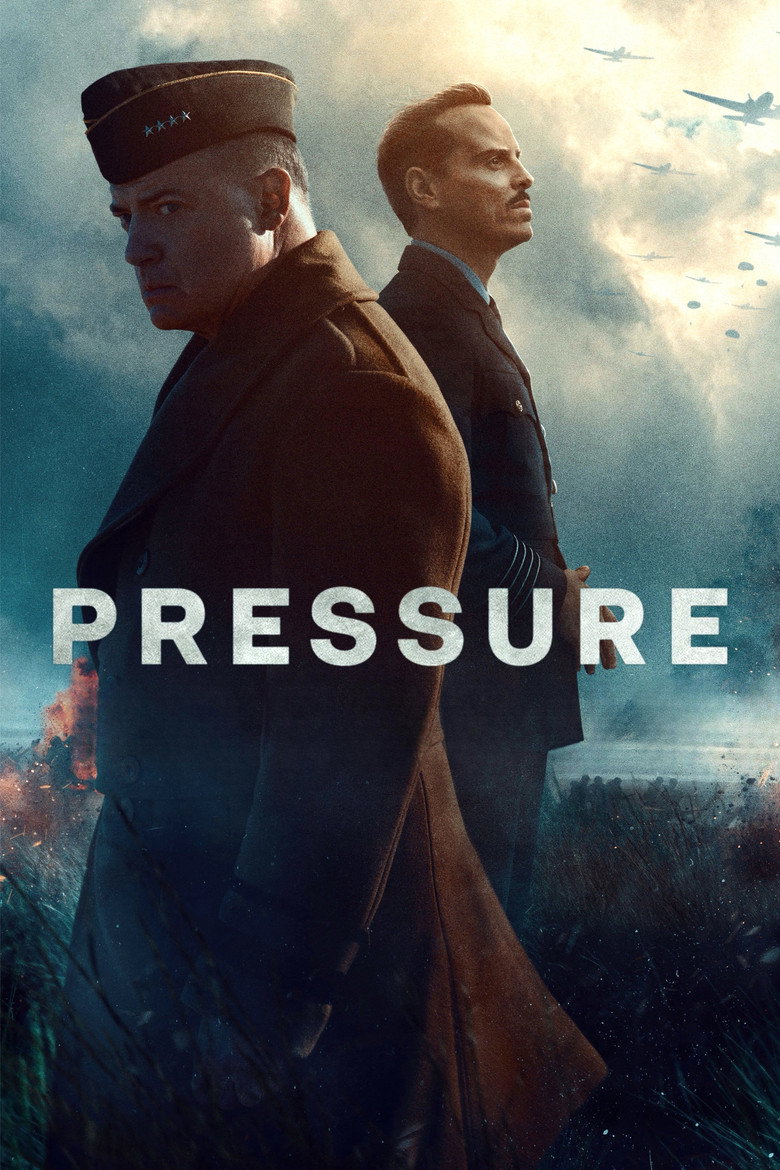
June 5, 1944. The largest seaborne invasion in history is hours away. And one Scottish meteorologist is telling General Eisenhower that the weather window his commanders chose is wrong, and that if they launch now, thousands of men will die in conditions nobody planned for.
Pressure, starring Andrew Scott, Brendan Fraser, Kerry Condon, and Damian Lewis, opens in theaters on May 29, 2026 — and early reactions suggest it's the most tense film of the year.
Directed by Anthony Maras, who made the devastating Hotel Mumbai in 2018, Pressure is based on David Haig's acclaimed 2014 stage play about the real meteorologist James Stagg and his battle to delay the D-Day landings by 24 hours. Haig wrote the screenplay adaptation himself. The film is a two-hander at its core: Andrew Scott as Stagg, a man armed with data and the conviction to stand in a room full of generals and tell them they are wrong; Brendan Fraser as Eisenhower, the supreme commander who ultimately has to decide what the cost of waiting is worth.
Kerry Condon plays Kay Summersby, Eisenhower's personal secretary and closest confidante. Damian Lewis rounds out the ensemble in a role that, from the trailer, appears to serve as the institutional pressure pushing against Stagg's warnings. The cast alone would be enough to generate attention. What the trailer confirms is that the film has found something rarer than prestige casting: genuine dramatic tension built entirely out of conversation and weather maps.
"The entire D-Day invasion came down to one man looking at a weather chart and having the nerve to say: not yet. Pressure makes that argument feel as dangerous as a firefight."
Why This Story Has Never Been Told Like This Before
Most World War II films are about soldiers. Pressure is about the people who decided whether to send them. That's a fundamentally different kind of film, and a harder one to make compelling. The danger isn't physical; it's political, psychological, and deeply human. The question the film is asking is not whether the invasion will succeed, but whether one man's certainty is enough to override the momentum of an entire military command structure.
Anthony Maras proved with Hotel Mumbai that he can create unbearable tension without spectacular set pieces. That film trapped its characters in a hotel under attack and made the wait excruciating through pure human reaction. Pressure applies the same approach to a different kind of siege, one where the threat is a decision rather than a weapon, and the walls closing in are institutional rather than literal.
Andrew Scott Carries the Film and the Trailer Proves It
Andrew Scott has been having a moment that shows no sign of slowing down. All of Us Strangers established him as one of the finest screen actors working today. His Stagg in the Pressure trailer is quiet in a way that makes every line land harder. He's not doing theater. He's doing something smaller and more precise, and in the clip scenes where he faces down Fraser's Eisenhower across a table covered in maps, the power dynamic feels completely real.
Fraser's Eisenhower is a fascinating counterpoint. The role requires someone who can project supreme authority while carrying the visible weight of what that authority costs. Fraser, post-The Whale, has shown he's not afraid to disappear into a character's burden. The first look clips confirmed he's playing Eisenhower not as a monument but as a man who is tired and responsible and scared in a way that has nowhere to go.
"Kerry Condon has been one of the most consistently excellent performers in prestige cinema for years. Seeing her in this cast is the kind of detail that tells you the production knew exactly what it was doing."
Where It Sits Among Prestige War Films
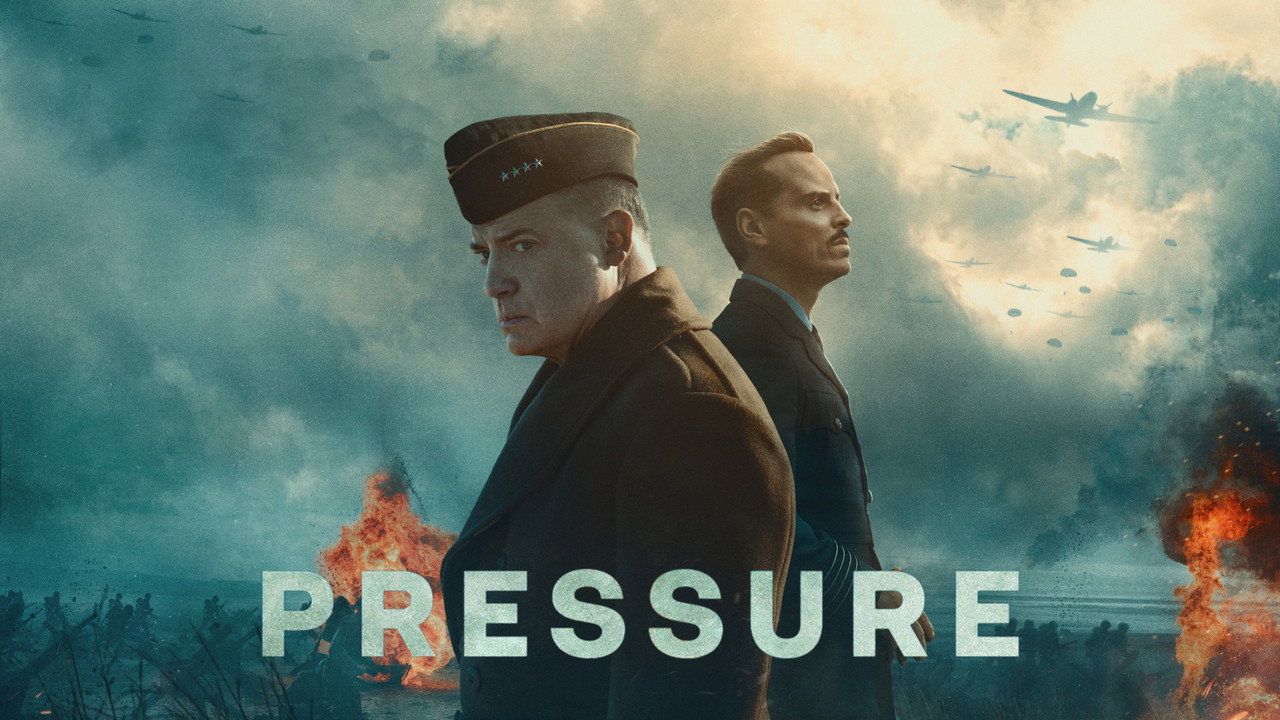
The comparison point isn't Dunkirk or Saving Private Ryan. Pressure is closer in spirit to Darkest Hour, the Gary Oldman Churchill film, or to 12 Angry Men in its single-location intensity. It's a film about the inside of a decision rather than the execution of it. That's a distinct genre within the war film tradition and one that tends to age better than its action-heavy counterparts because it's about people rather than spectacle.
The focus on the 72-hour window is a structural choice that makes the film inherently propulsive. There's a clock running in every scene. The audience knows what happens at the end of those 72 hours; the suspense isn't in the outcome but in the cost of reaching it. That kind of tension, where the audience knows more than they want to, is some of the hardest in cinema to sustain and some of the most rewarding when it works.
Why Movie Fans Are Suddenly Paying Attention
Pressure didn't arrive with franchise expectations or ten years of buildup. It arrived with a trailer that made people stop scrolling. The cast is too good to ignore. The premise is one of the genuinely interesting untold stories of the Second World War. And Anthony Maras has already proven he can translate chamber drama into cinema without losing what made the source material work.
The early social media response has been notably enthusiastic from the kind of film audience that tends to be right about these things: people who cite Dunkirk and 1917 as reference points and who have been starved for adult drama that trusts them to follow the argument without simplifying it.
"72 hours, a conference table, and the future of the free world. Pressure doesn't need a battlefield. The room is the battlefield."
The Verdict Before Opening Night
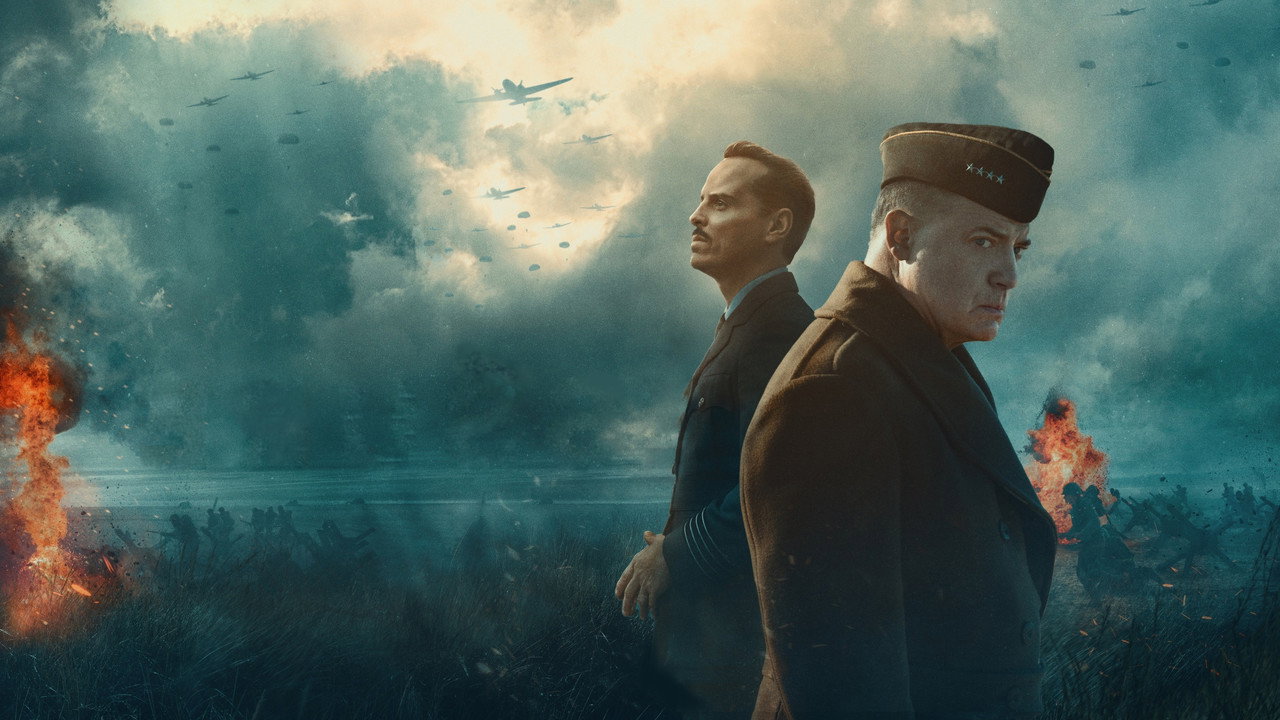
Everything around Pressure points toward something special. The director has form. The cast is stacked. The source material is a proven stage play that already demonstrated the story can hold an audience without spectacle. And Focus Features has a track record with exactly this kind of mature, character-first historical drama.
What the film needs to do is something deceptively difficult: make the audience feel the weight of a meteorological forecast as if it were a weapon being loaded. Based on the trailer and the clip footage, it looks like it knows exactly how to do that.
May 29, 2026. The decision that won World War II was made in a room, by tired men with maps. Pressure puts you in that room.
Written by StreamRoulette Editorial
You May Also Like


Into War Dramas and Prestige Thrillers?
StreamRoulette finds exactly what you're in the mood for. Spin by genre and let the algorithm surprise you.
Try StreamRoulette