This article contains major spoilers for When a Witness Recants. Read only if you have already seen it.
In 1983, the murder of a 14-year-old student inside a Baltimore middle school triggered a rush to judgment that would steal 36 years from three innocent teenagers. The new HBO documentary When a Witness Recants pulls back the curtain on the systemic failures and coerced testimony that condemned the Harlem Park Three to a lifetime behind bars.
The film examines the devastating impact of police misconduct, the courageous act of recantation by witnesses decades later, and the long road to exoneration for Alfred Chestnut, Andrew Stewart, and Ransom Watkins.
The Crime and the Rush to Judgment
On November 18, 1983, DeWitt Duckett was shot and killed in the hallway of Harlem Park Junior High School in Baltimore. The motive was a Georgetown jacket, a piece of clothing that became the focal point of a flawed investigation. Police quickly fixated on three teenagers, Alfred Chestnut, Andrew Stewart, and Ransom Watkins, despite a lack of physical evidence linking them to the crime.
The investigation was defined by tunnel vision from the start. While witnesses initially told police that a single individual committed the murder, investigators pressured young students to identify the three boys instead. This manufactured narrative ignored other potential suspects, including an 18-year-old named Michael Willis, whose name was suppressed by authorities for decades.
The search for quick answers can lead to tragic results. Everyone involved in this case, school officials, police, prosecutors, jurors, the media, and the community, rushed to judgment and allowed their tunnel vision to obscure obvious problems with the evidence.
The Role of Coerced Testimony
The conviction of the Harlem Park Three rested almost entirely on the testimony of four middle school students. These children were brought into police stations without their parents present and subjected to harsh, intimidating questioning. They were essentially molded into tools for a prosecution desperate to close a high-profile case.
The psychological toll on these witnesses was immense. For decades, they lived with the knowledge that their false testimony had sent three innocent boys to prison for life. It was not until the Conviction Integrity Unit reopened the case that these witnesses finally felt safe enough to recant their statements and reveal the truth about the coercion they faced at the hands of lead investigator Donald Kincaid.
The Path to Exoneration
The fight for justice was spearheaded by the men themselves, particularly Alfred Chestnut, who obtained sealed police records through a public records request in 2018. These documents revealed the extent of the misconduct, including the suppression of evidence regarding Michael Willis. This discovery provided the necessary leverage to force a re-examination of the case.
The exoneration process was a collaborative effort involving the Baltimore City State’s Attorney’s Conviction Integrity Unit and various innocence projects. When the witnesses finally recanted, the state had no choice but to acknowledge the miscarriage of justice. On November 25, 2019, after 36 years of wrongful imprisonment, the convictions were vacated, and the men were finally set free.
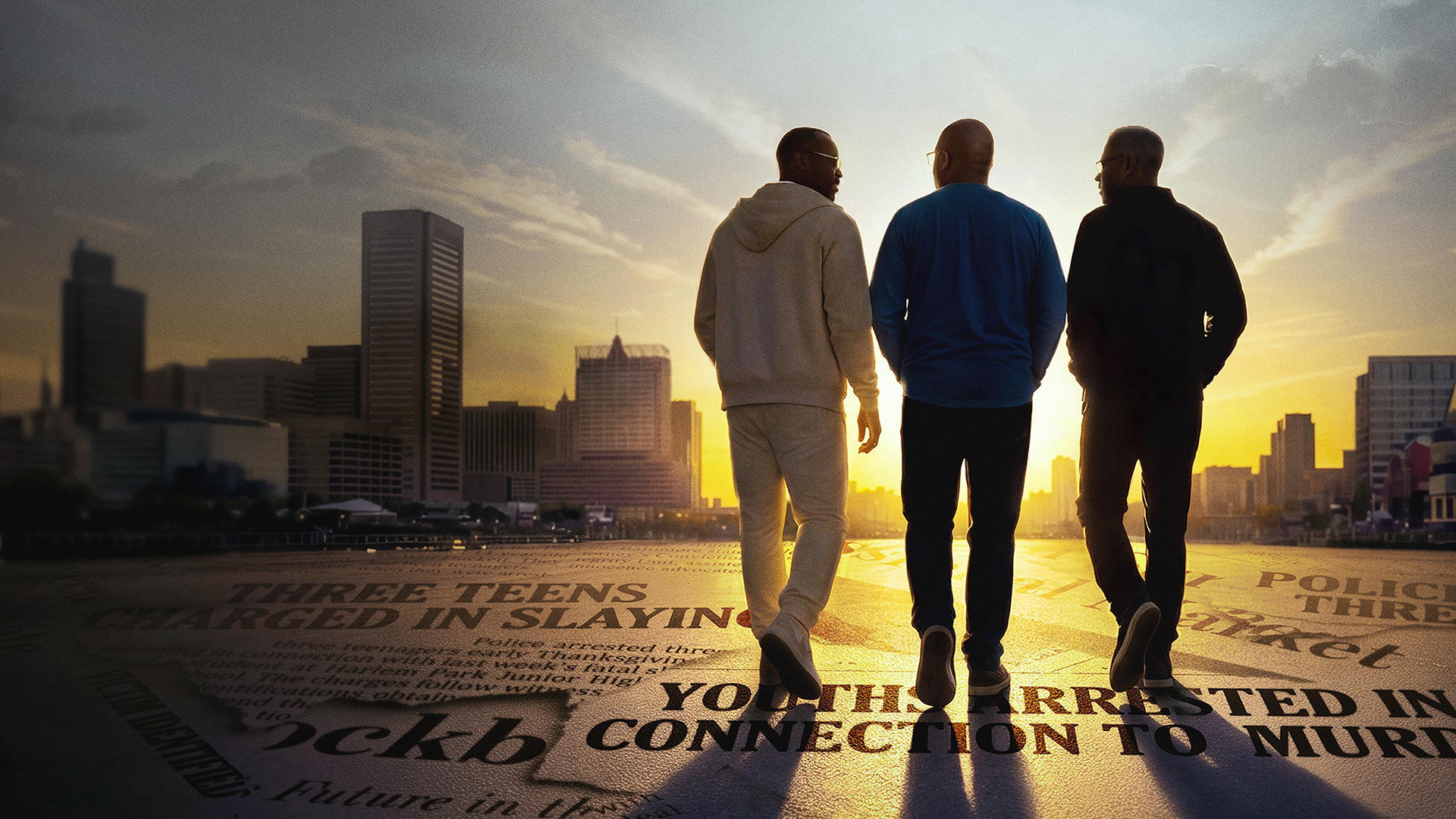
When a Witness Recants scene 1
I’m not gonna sugar coat, try to make things sound good. It ain’t good. It’s hard. We’re still behind, we’re struggling in life every day. But because we know we got people that believe in us, trust in us, and have faith in us, we are able to get up and look at ourselves in the mirror and say, I love you. It’s gonna be all right.
What Fans Are Saying
The defenders: Many viewers and critics praise the documentary for its unflinching look at the systemic racism and prosecutorial malfeasance that allowed this case to persist for nearly four decades. They highlight the importance of Ta-Nehisi Coates’ involvement in bringing a personal, community-focused perspective to the narrative.
The critics: Some viewers have expressed frustration that despite the $48 million settlement reached in 2023, there has been little true accountability for the individuals who orchestrated the wrongful convictions. The lack of participation from the original investigators in the film is often cited as a glaring omission that underscores the lack of closure.
The middle: Most audiences agree that the film serves as a vital historical document. It is less about the mystery of the crime and more about the endurance of the human spirit and the necessity of reforming a justice system that prioritizes closure over truth.
The Verdict
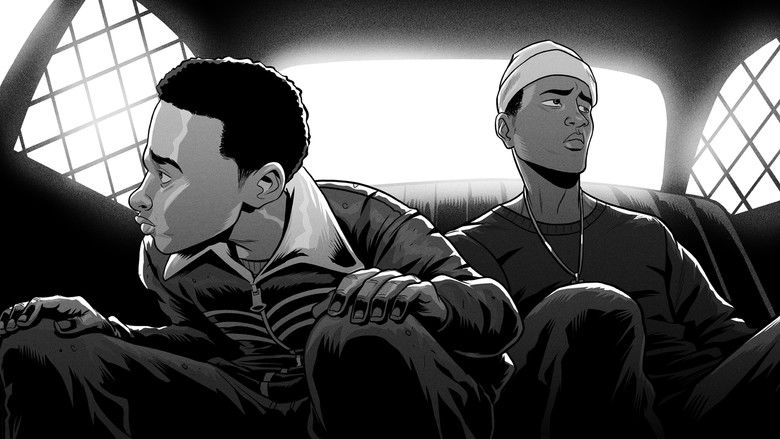
What worked: The use of animated sequences to recreate the events of 1983 provides a haunting visual representation of the past, while the intimate interviews with the exonerees offer a raw, unfiltered look at the reality of life after 36 years of stolen time. The film succeeds in humanizing the statistics of wrongful conviction.
What did not work: The absence of the original police investigators leaves a void in the narrative, though this is a limitation of the real-world circumstances rather than the filmmaking itself. The complexity of the legal proceedings can occasionally feel overwhelming for viewers unfamiliar with the specifics of the case.
The verdict: This is an essential watch for anyone interested in the intersection of criminal justice, community history, and the power of truth. It is a sobering reminder that justice delayed is often justice denied, and that the fight for the truth is a lifelong commitment for those who have been wronged by the state.