This article contains major spoilers for Richard Jewell. Read only if you have already seen it.
During the 1996 Summer Olympics in Atlanta, a hero became the prime suspect in an investigation that would define the darkest side of media frenzy. Richard Jewell's life was permanently altered when he discovered a pipe bomb in Centennial Olympic Park, only to have his heroic actions overshadowed by an aggressive rush to judgment.
This article examines the real-life events of the bombing, the media scapegoating of Richard Jewell, and the eventual exoneration of a man who was simply doing his job when terror struck the heart of Atlanta.
The Hero Who Found the Bomb
On July 27, 1996, Richard Jewell was working as a security guard for AT&T at Centennial Olympic Park during the Summer Games. Around 1:20 a.m., he noticed an unattended military-style green backpack beneath a bench near the sound tower. Following his training, he alerted Georgia Bureau of Investigation agents and helped clear the area, potentially saving dozens of lives before the bomb detonated.
Initial reports hailed Jewell as a hero who had averted a massacre. However, the narrative shifted rapidly within 72 hours as the FBI began looking for a lone bomber, focusing on Jewell due to a tip from a former employer. The media took hold of this theory, and the transformation from savior to villain occurred with devastating speed.
Richard Jewell scene 1
The media coverage of Richard Jewell serves as a cautionary tale about the intersection of investigative leaks, sensationalism, and the loss of the presumption of innocence in the digital age.
The Media Circus and the Scapegoat
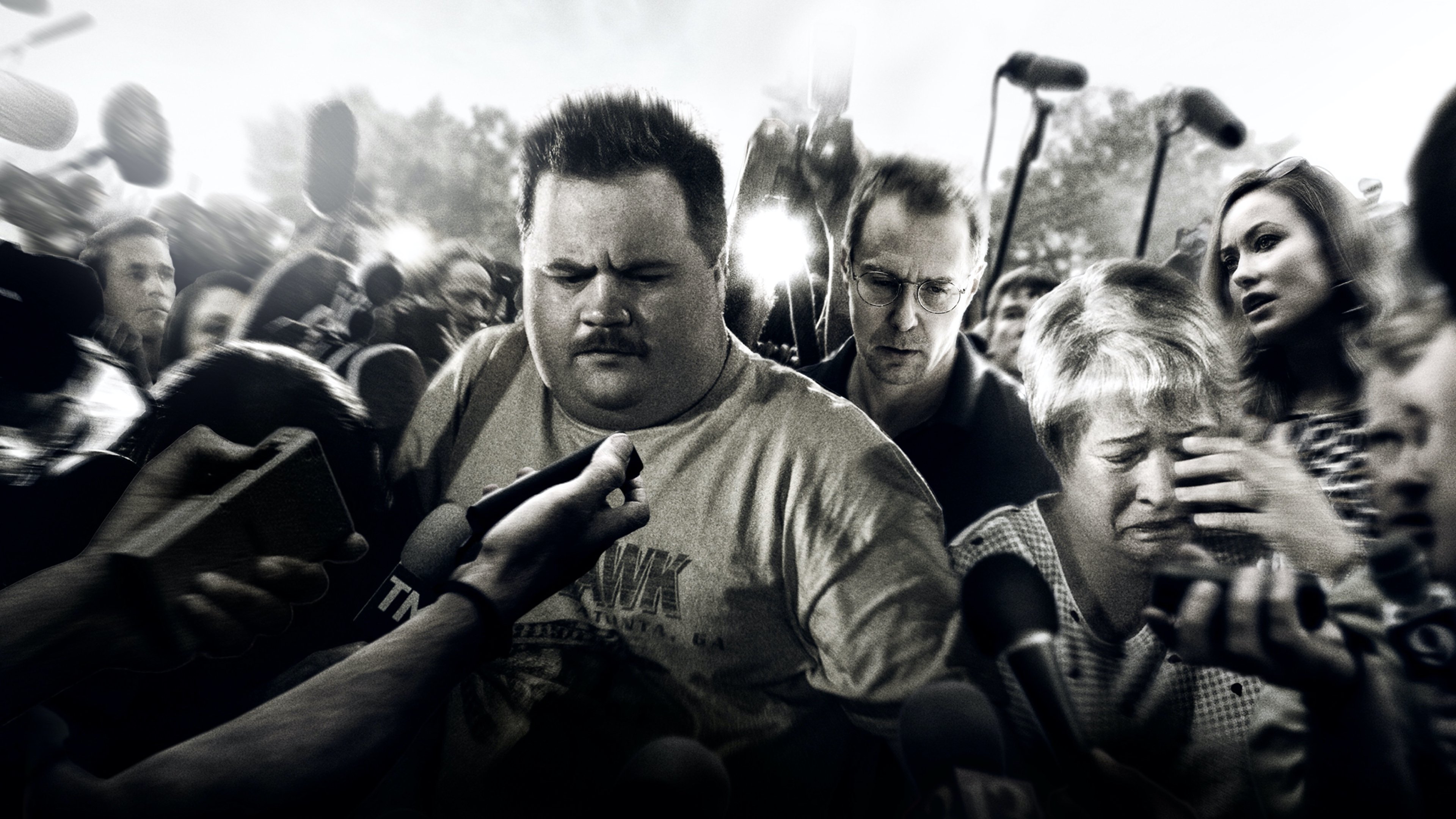
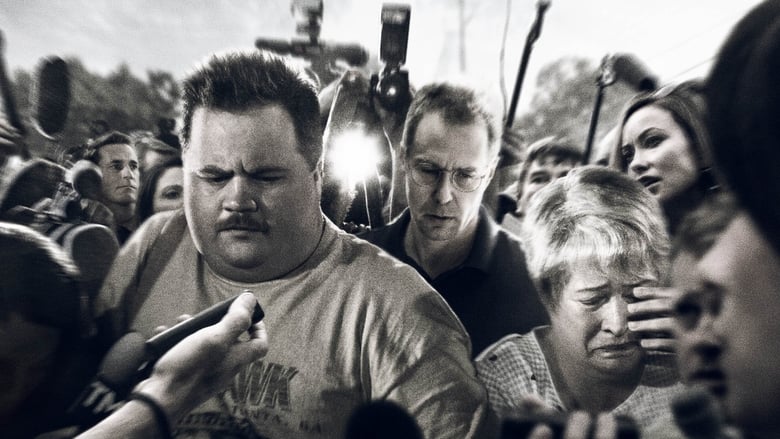
What went wrong: The Atlanta Journal-Constitution published a front-page story naming Jewell as the primary suspect, citing law enforcement sources. This opened the floodgates for news outlets nationwide to converge on his mother’s apartment, treating the hero like a criminal. Television anchors and pundits dismantled his character, speculating that he was an attention-seeking "hero bomber" who planted the device himself to gain recognition.
What the investigation revealed: Throughout the intense FBI scrutiny, no physical evidence was ever found to link Jewell to the bombing. He cooperated fully with investigators, submitting to hours of questioning without a lawyer initially present. Despite this, the psychological toll was immense as his reputation was systematically destroyed by a machine that valued narrative over due process.
Richard Jewell scene 2
If you are being questioned by the FBI, your cooperation can be used as a weapon against you if the narrative of your guilt has already been decided by the press.
The Real Perpetrator: Eric Rudolph
The breakthrough: It wasn't until several years later, following a series of bombings at abortion clinics and a gay nightclub in Atlanta, that the true perpetrator was identified. Eric Rudolph, an anti-government extremist, was eventually linked to the Centennial Park bombing through evidence connecting all four explosive devices he had constructed.
The outcome: Rudolph remained a fugitive for five years, hiding in the Appalachian wilderness before his capture in 2003. When he pleaded guilty to the bombings, it finally confirmed what Richard Jewell and his attorneys had maintained for years: he was never the person the FBI should have been chasing. By then, however, the damage to Jewell’s life and health was irreversible.
Richard Jewell scene 3
Reflecting on the Legacy of the Case
What we learned: The Richard Jewell case remains one of the most significant examples of a media-driven tragedy in modern American history. It highlighted the dangerous power dynamic between law enforcement leaks and journalists who fail to vet sources during a national crisis. The case ultimately forced a conversation about journalistic ethics that continues to impact media coverage of criminal investigations today.
The verdict: History has vindicated Richard Jewell, though he died of health complications in 2007 at the age of 44. His story stands as a permanent reminder of the fragility of truth in the face of public opinion. We must remain vigilant against the tendency to trade fairness for speed, especially when a person's life and dignity are at stake.