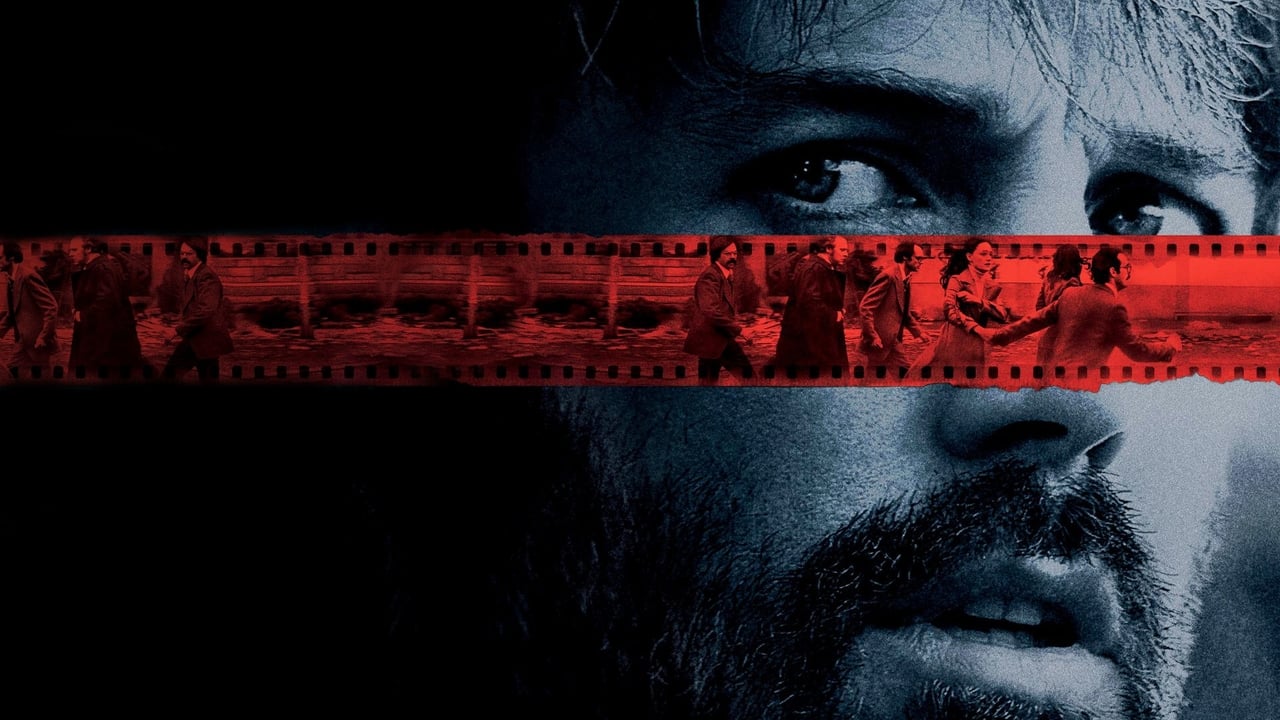
Argo True Story: What Ben Affleck Changed About the Canadian Caper
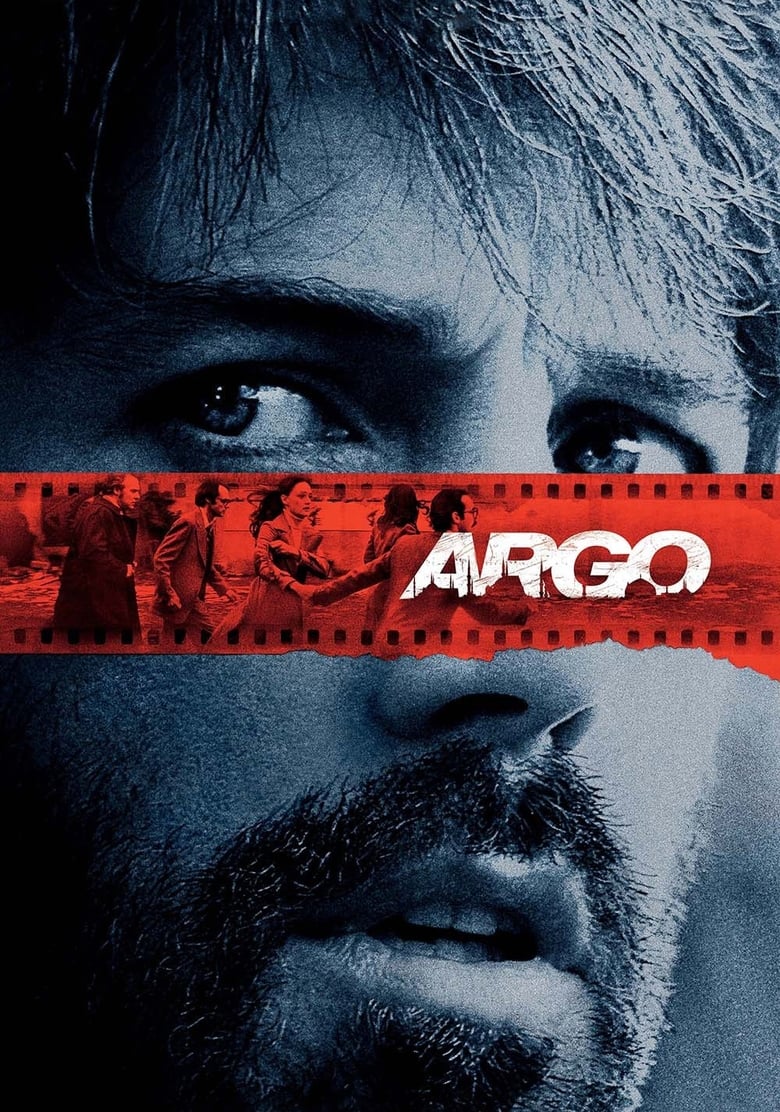
Ben Affleck's Argo (2012) tells the extraordinary true story of the Canadian Caper, in which the CIA smuggled six Americans out of Iran in 1980 by disguising them as a Canadian film crew scouting a science fiction movie. The broad facts are accurate and incredible. The details were dramatized, the suspense was manufactured, and the credit was shifted, in ways that drew criticism from the country that actually did much of the work. Here is what really happened, and what Hollywood changed.
The short answer: the rescue was real, the film cover was real, and Tony Mendez was real, but the famous airport chase was invented, the danger at the end was manufactured, and Canada's role, which President Carter said was 90 percent of the operation, was downplayed.
Quick Answer
Argo follows CIA exfiltration specialist Tony Mendez (Ben Affleck) as he devises a plan to rescue six American embassy workers who escaped the 1979 takeover of the U.S. Embassy in Tehran and are hiding in the home of the Canadian ambassador. Mendez creates a fake Hollywood production company, establishes a cover as a Canadian film crew scouting a sci-fi movie called Argo, enters Iran, and extracts the six. The operation happened. The film compresses it, invents its climax, and redistributes the credit.
TL;DR: A real and remarkable rescue, retold with a manufactured climax and the credit tilted from Canada toward the CIA.
The Real Story
In November 1979, Iranian students seized the U.S. Embassy in Tehran, taking 52 Americans hostage. Six embassy employees escaped into the city and were taken in by Canadian ambassador Ken Taylor. For months they lived in the ambassador's residence and the homes of Canadian diplomats, while the CIA worked on a way to get them out. Exfiltration specialist Tony Mendez devised a cover story: the six would pose as a Canadian film crew scouting locations for a science fiction movie. A real Hollywood production company was set up, with trade advertisements and a press event, to make the cover credible. Mendez entered Tehran, briefed the six, and they departed through the airport on January 27, 1980, using Canadian passports. The operation was a genuine collaboration between the CIA and the Canadian government, which issued the passports and took the diplomatic risk.
"I was 90 percent to 10 percent in terms of the credit, and Argo was 90 percent Canadian." — former President Jimmy Carter, on the balance of credit for the rescue that the film attributed mainly to the CIA.
What the Movie Gets Right
The cover: The fake Hollywood production company, the science fiction movie called Argo, the trade advertisements, and the press event were all real. The CIA and Hollywood collaborators, including makeup artist John Chambers, really did build the cover to make the story credible to anyone who checked.
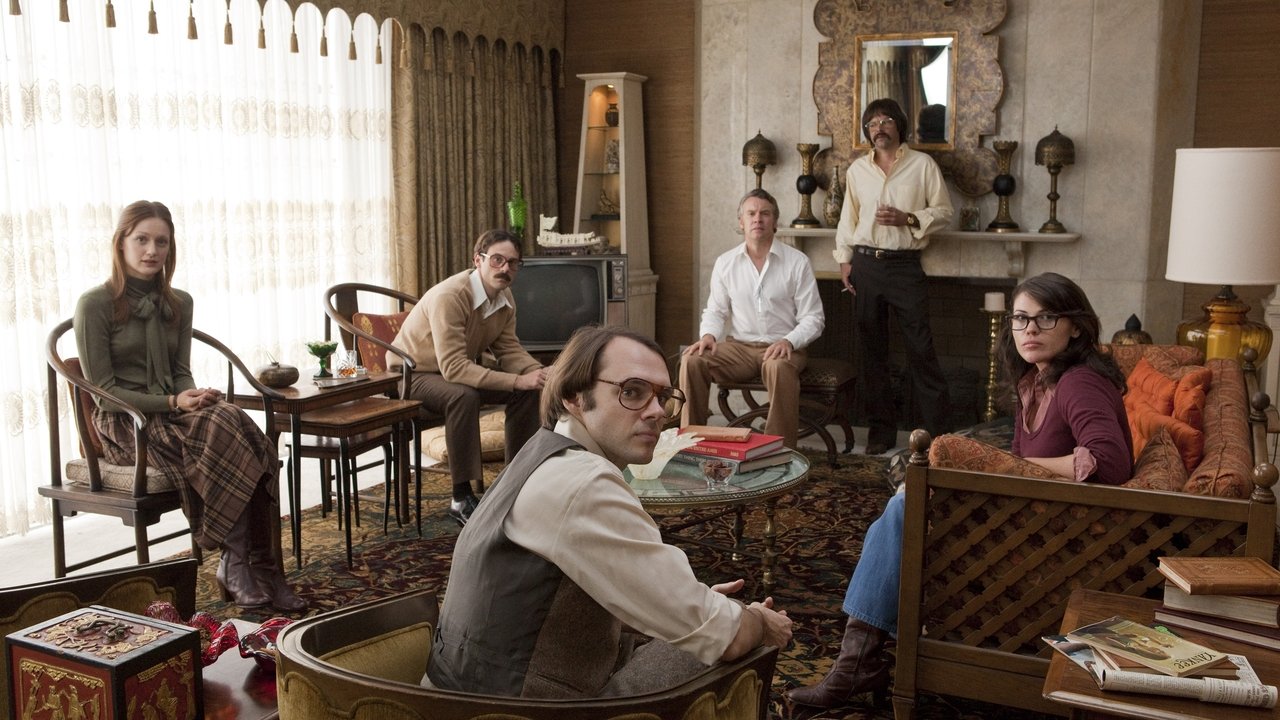
The hiding: The six Americans really did escape the embassy and shelter with the Canadian ambassador, and the months of concealment were real and dangerous.
The extraction: The group did depart Iran using Canadian passports under the film crew cover, and Mendez did run the operation.
What the Movie Changes
The airport chase: The film's celebrated climax, in which the group is nearly caught at the airport and the Iranian guards race after the departing plane, is invented. The real departure was calm; the group passed through without serious incident. The suspense was added to give the film a third act.
The Canadian role: The film centers the CIA and Mendez, and downplays the Canadian contribution. President Carter said Canada deserved 90 percent of the credit, and the Canadian ambassador, Ken Taylor, and the Canadian government, which issued the passports and took the diplomatic risk, were the operation's backbone. The film was criticized in Canada and by historians for the imbalance.
Other helpers: The Swiss and Swedish embassies also assisted the six Americans before they reached the Canadians, a detail the film omits.
Real People vs Composite Characters
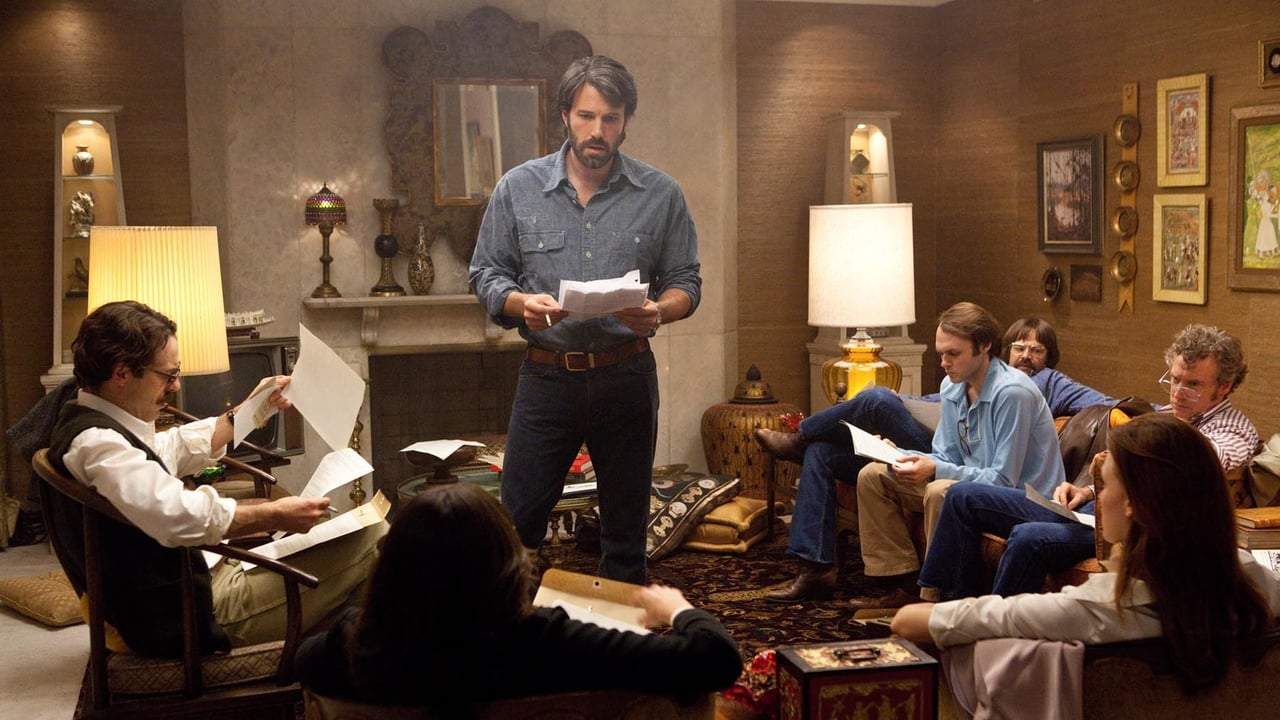
Tony Mendez, ambassador Ken Taylor, the six escaping Americans, and the Hollywood makeup artist John Chambers were real. The producer Lester Siegel, played by Alan Arkin, is a composite of several real Hollywood figures. The Iranian characters the group interacts with are dramatized. The broadest distortion is not a character but the credit: a Canadian operation presented as a CIA triumph.
Invented Scenes and Compressed Timelines
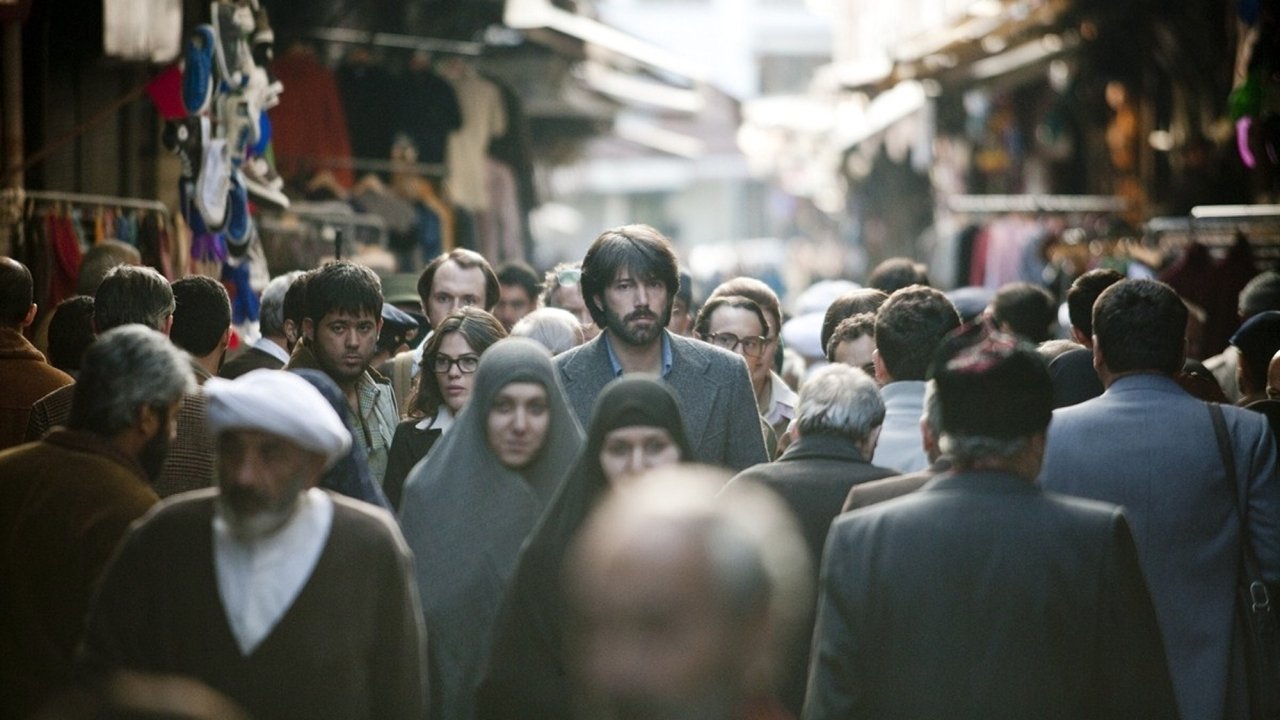
The bazaar visit: A scene in which Mendez and the Americans tour a Tehran bazaar and face hostility is dramatized for tension; the group kept a low profile.
The phone call: A subplot in which the CIA must contact Mendez at the last minute to confirm the operation is dramatized; the real communication was smoother.
The opening: The film's opening narration about the 1953 CIA-backed coup in Iran is broadly accurate but simplified, which some historians have flagged as incomplete context for the hostage crisis.
"Argo is redressing the historic imbalance by downplaying the Canadian role and emphasising the important part of the CIA and its agent Tony Mendez." — a University of Birmingham analysis of the controversy around the film's credit.
Timeline of the Real Events
November 4, 1979: Iranian students seize the U.S. Embassy in Tehran. Fifty-two Americans are taken hostage.
November 1979: Six embassy workers escape and are sheltered by Canadian ambassador Ken Taylor.
1979 to 1980: The CIA and Hollywood collaborators build the fake Argo film cover.
January 27, 1980: Tony Mendez extracts the six through the Tehran airport using Canadian passports.
January 1981: The remaining 52 hostages are released after 444 days.
Why Hollywood Changed the Story
A real airport departure in which nothing goes wrong is not a thriller ending. The chase gives the film the tension a true story, by its nature, lacks at the moment of success. The credit shift, whether intentional or not, served the star and director, Ben Affleck, who played Mendez, by making the CIA agent the center of a story that was, in life, a joint operation with Canada at its core. The film is a great thriller built on a real operation, with the truth adjusted in the directions that thrillers and movie stars require.
Historical Context
The Iran hostage crisis defined a period of American humiliation and reshaped U.S. politics, contributing to the defeat of President Carter. The Canadian Caper was a rare success in that period, and it was genuinely a joint operation, with Canada taking a diplomatic risk that the CIA could not. The film's success reopened the question of who did what, and reminded audiences that the credit for a covert operation is often the last thing to be declassified.
Frequently Asked Questions
Is Argo based on a true story?
Yes. The 2012 film is based on the Canadian Caper, the 1980 CIA operation led by Tony Mendez to exfiltrate six Americans from Iran using a fake Hollywood film crew cover, with significant Canadian help.
Did the airport chase at the end of Argo really happen?
No. The tense airport chase and the last minute confrontation with Iranian guards were invented for drama. The real departure from Tehran was calm and uneventful.
How much of the Argo rescue was Canadian versus CIA?
More Canadian than the film shows. President Jimmy Carter said Canada deserved 90 percent of the credit, and the film was criticized for downplaying the Canadian role, especially ambassador Ken Taylor.
Were the Hollywood people in Argo real?
Yes. Makeup artist John Chambers is based on a real Hollywood figure who helped create the fake movie cover. The producer Lester Siegel is a composite. The fake film Argo was a real production cover set up with real industry help.
Final Verdict
Argo is a superb thriller based on a real and extraordinary operation. The cover, the hiding, and the extraction are accurate. The airport chase was invented, the danger at the end was manufactured, and the credit was shifted from the country that took the risk toward the agency that the director played. The real story is no less incredible than the film, and it is more generous. The six Americans were saved by a Canadian ambassador, a Hollywood makeup artist, a CIA exfiltration man, and the Canadian government, together. The film shows one of them running.
The truth needed no chase scene. The film added one anyway, because that is what Hollywood does.
Related True Story Guides
Written by StreamRoulette Editorial
You May Also Like


Not Sure What to Watch Next?
StreamRoulette picks your next film in seconds — based on mood, genre, or platform.
Try StreamRoulette