This article contains major spoilers for East of Eden. Read only if you have already seen it.
John Steinbeck’s East of Eden stands as a monumental epic of the American experience, weaving a sprawling narrative of legacy, betrayal, and the eternal struggle between good and evil. Yet, behind the dust-covered Salinas Valley landscapes lies a foundation rooted in the personal history of the Steinbeck family itself.
This deep dive examines how the author transformed familial trauma and local California history into a literary masterpiece. We explore the real-life inspirations for the Trask and Hamilton families and why the boundaries between memoir and fiction remain so intentionally blurred.
The Hamilton Legacy and Steinbeck's Roots
At the heart of East of Eden is the Hamilton family, which serves as a thinly veiled mirror of John Steinbeck’s own ancestry. Samuel Hamilton, the patriarch of the clan, is a direct portrayal of Steinbeck’s maternal grandfather, who settled in the Salinas Valley during the late 19th century.
What the book gets right: The struggle of the early settlers and the harsh realities of the agricultural landscape in Northern California were not mere set dressing. Steinbeck leaned heavily into his mother's stories, capturing the grit of the Hamiltons, a family that possessed great intelligence but was perpetually haunted by the struggle to eke a living from unyielding land.
The story of the Hamiltons is a love letter to a time and place that Steinbeck felt slipping away, capturing the dignity in manual labor and the weight of ancestral sins.
The Trask Family: Fable over Fact
While the Hamiltons represent historical reality, the Trasks—Adam, Charles, Aron, and Caleb—are products of Steinbeck’s theological and philosophical imagination. The author explicitly designed these characters as modern, valley-dwelling proxies for the biblical story of Cain and Abel.
East of Eden scene 1
The symbolic structure: Steinbeck was fascinated by the Hebrew word 'timshel', meaning 'thou mayest', which allows for the concept of free will. He didn't just want to tell a story about two brothers; he wanted to explore whether humans are doomed to repeat the violence of their predecessors or if they possess the agency to choose their own moral path.
Cathy Ames and the Reality of Sociopathy
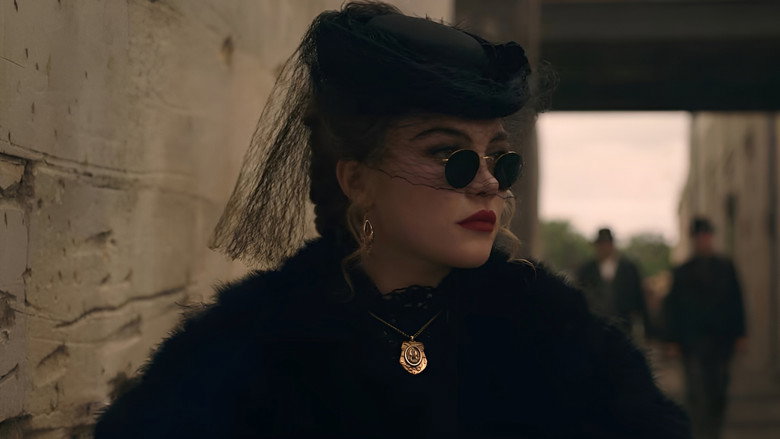
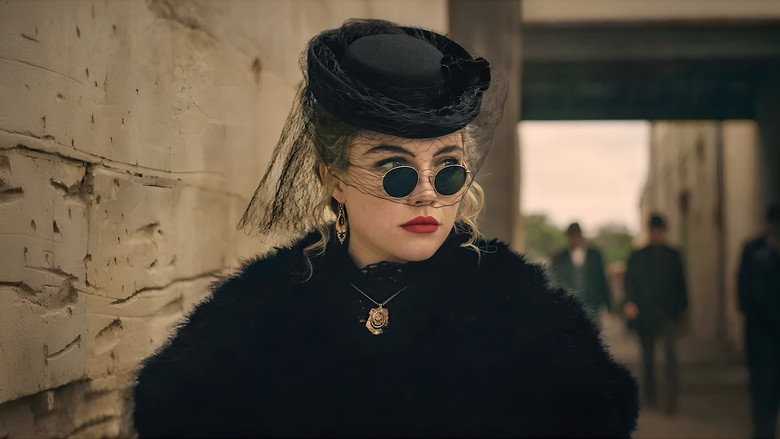
Perhaps the most controversial figure in the novel is Cathy Ames, a woman whose inherent 'malice' serves as the primary antagonist. Critics have long debated whether Cathy was meant to represent a clinical sociopath or a literal representation of evil, a question that lingers regardless of the era.
What the film and novel capture: Steinbeck was not attempting to write a medical case study, but rather a cautionary figure. There was no single 'Cathy' in the author’s life, but she represents a composite of the dark, unspoken anxieties he felt about the destructive power of people who lack the capacity for empathy, a theme that resonates deeply in modern psychological analysis.
East of Eden scene 2
Cathy is the absence of light in an otherwise bright valley, a character that defies easy categorization and remains one of the most chilling portraits of human detachment in classic literature.
What Fans Are Saying
The defenders: Many readers argue that the blend of historical fact and biblical allegory is exactly what makes the book a masterpiece. They suggest that the shifting focus between the Hamiltons and the Trasks provides the necessary balance between the real history of the region and the eternal nature of the human condition.
The critics: Some literary scholars argue that the heavy-handed nature of the 'good vs. evil' dichotomy can feel dated, suggesting that the characters often function more like chess pieces in a philosophical argument than as fully realized, unpredictable human beings.
The middle: Most audiences agree that regardless of whether you view it as a family history or a religious retelling, the prose quality and the vivid description of the California landscape ensure that the narrative remains relevant to contemporary readers who are still grappling with the weight of their own family legacies.
East of Eden scene 3
The Verdict and Legacy
What worked: The integration of the author's own lineage provided a grounded, authentic heartbeat to the story that prevented it from floating away into pure metaphor. The setting of the Salinas Valley remains one of the most evocative 'characters' in the book.
What did not work: Certain character arcs, particularly the transition from the Hamilton-focused chapters to the central Trask conflict, can feel abrupt to modern readers who prefer more streamlined, character-driven pacing.
The verdict: Ultimately, East of Eden succeeds because it recognizes that everyone has a 'Cain' and an 'Abel' inside of them. It is a profound exploration of moral autonomy, proving that while our family history shapes our starting point, our actions determine our final destination.