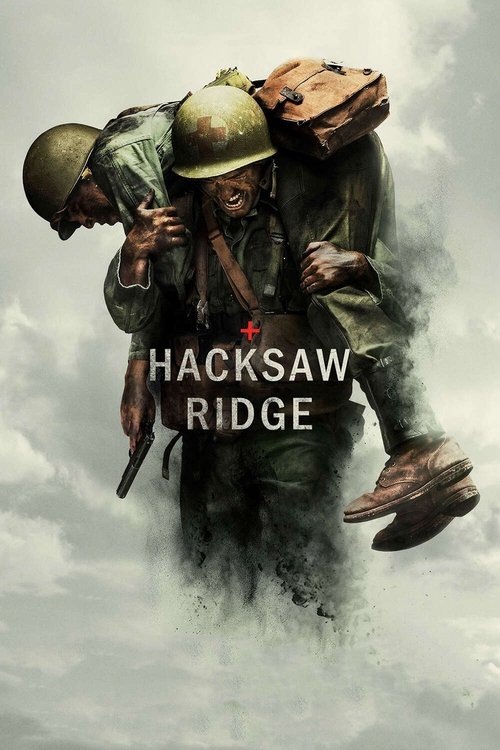
This article contains major spoilers for Hacksaw Ridge. Read only if you have already seen it.
In the bloodiest theater of the Pacific War, one man stood apart not by the weapon he carried, but by the faith he refused to abandon. Desmond Doss, a Seventh-day Adventist who enlisted as a combat medic, faced ridicule and hostility from his own platoon before proving his mettle on the jagged cliffs of Okinawa.
This article explores the remarkable true story of the first conscientious objector to receive the Medal of Honor, separating the gritty cinematic dramatization from the historical reality of his life-saving mission.
The Man Behind the Legend
Desmond Doss was born in 1919 in Lynchburg, Virginia, and raised with a profound commitment to the Ten Commandments and the Seventh-day Adventist faith. When the United States entered World War II, Doss felt a moral obligation to serve his country, yet his religious convictions strictly prohibited him from taking a human life or carrying a weapon. He enlisted as a combat medic, a role that allowed him to serve on the front lines while adhering to his pacifist principles.
What the film captures: The movie accurately portrays the intense pressure Doss faced from his fellow soldiers and superiors, who viewed his refusal to carry a rifle as a liability. In reality, his unit, the 307th Infantry Regiment, initially treated him with suspicion and hostility, often questioning his courage and his place in a combat zone. It was only through his unwavering dedication to his duties that he eventually earned their begrudging respect.
Desmond Doss was the worst storyteller of his own story. I had to look him in the eyes and tell him to tell the story from his heart, not his head. — Bill Mechanic, Producer
The Reality of Hacksaw Ridge
The Battle of Okinawa, specifically the assault on the Maeda Escarpment, was one of the most brutal engagements of the Pacific War. The Japanese forces had spent years fortifying the ridge with a complex network of tunnels and bunkers. When the American forces were forced to retreat under heavy fire, Doss remained behind, repeatedly venturing into the kill zone to drag wounded soldiers to the edge of the cliff and lower them to safety.
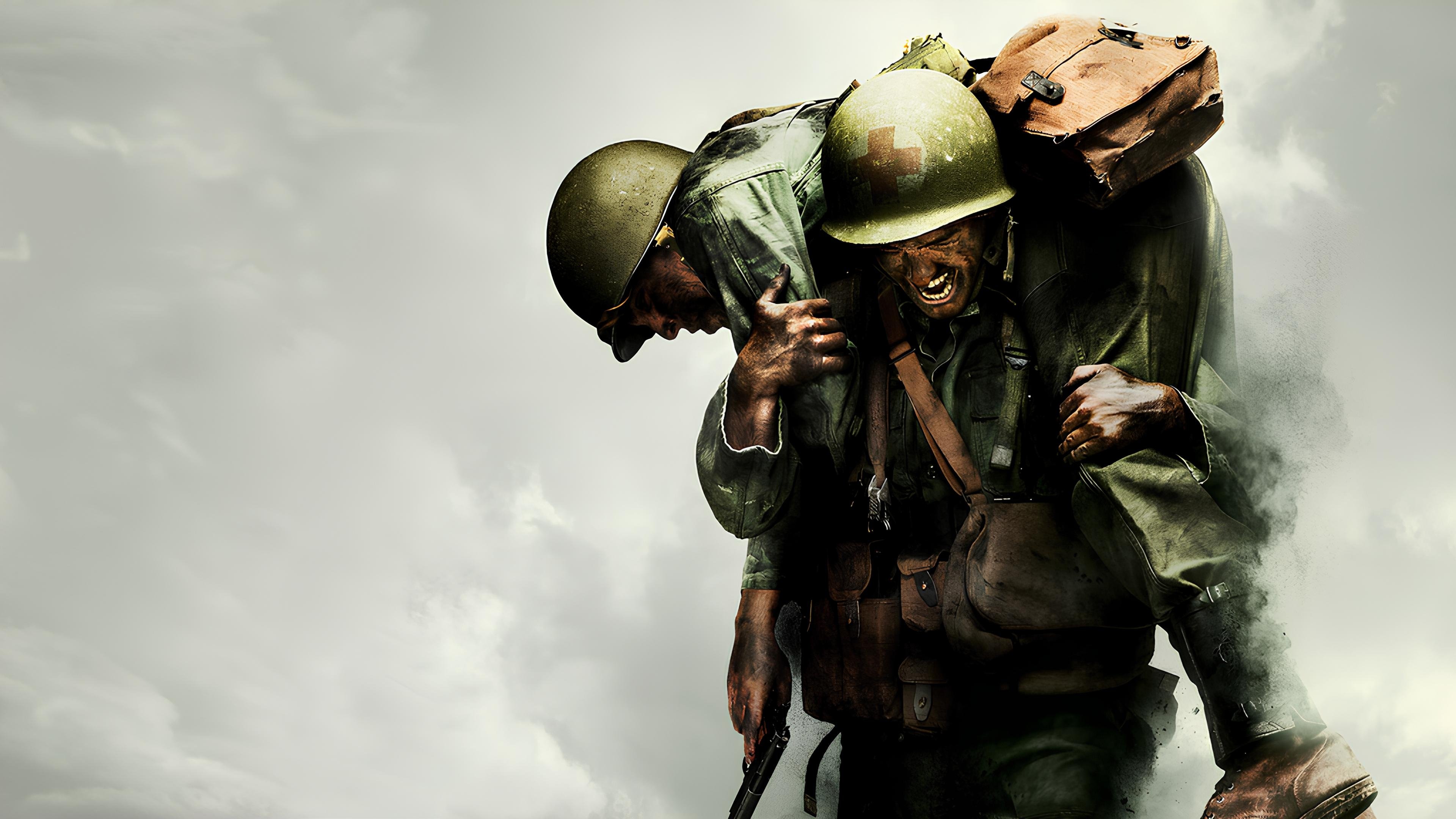
Hacksaw Ridge scene 1
The scale of his heroism: While the film depicts Doss saving 75 men, historical accounts vary slightly. Doss himself estimated he saved 50, while his comrades claimed the number was closer to 100. The production team ultimately split the difference to arrive at the figure used in the film. Regardless of the exact count, his actions remain an unparalleled feat of individual bravery under fire.
You are not going to be by my damn side if you don't have a gun. — Captain Glover, as portrayed in the film
Fact vs. Fiction: Creative Liberties
Mel Gibson and his team made several narrative choices to heighten the emotional stakes of the film. One significant departure involves the timeline of Doss's marriage to Dorothy Schutte. In the movie, Doss misses his wedding because he is confined to a holding cell for refusing to carry a weapon. In reality, the couple was married before he deployed for service.
Family dynamics: The film also dramatizes the relationship between Desmond and his father, Tom Doss, a World War I veteran struggling with alcoholism and trauma. While the film suggests a violent confrontation between father and son, historical records indicate that the most intense conflicts occurred between Desmond's father and his uncle. These changes were implemented to streamline the narrative and emphasize the personal challenges Doss overcame before reaching the battlefield.
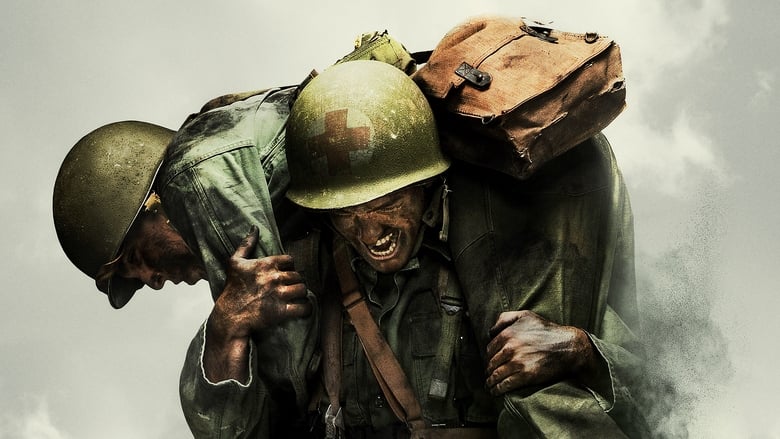
Hacksaw Ridge scene 2
The Verdict on Realism
What worked: The film excels in its visceral, unflinching depiction of the horrors of war. By focusing on the physical and psychological toll of the Battle of Okinawa, the movie provides a necessary context for why Doss's actions were so extraordinary. The cinematography and sound design effectively place the audience in the middle of the chaos, making the moments of quiet faith even more impactful.
What did not work: Some critics argued that the boot camp sequences felt overly formulaic, relying on tropes common to military dramas. Additionally, the film's desire to present Doss as a saintly figure occasionally smoothed over the complexities of his personality, though Andrew Garfield's performance provides enough nuance to keep the character grounded.
Hacksaw Ridge scene 3
The verdict: Hacksaw Ridge succeeds as both a war film and a character study. It honors the legacy of a man who refused to compromise his values in the face of unimaginable violence. While it takes liberties with the timeline and personal relationships, it remains a faithful tribute to the spirit of Desmond Doss.
Conclusion
Desmond Doss passed away in 2006, but his legacy as a man of peace in a time of war continues to resonate. He proved that courage is not defined by the ability to destroy, but by the willingness to preserve life when all others have retreated. His story serves as a powerful reminder that even in the darkest of circumstances, one individual can make a profound difference.
His life remains a testament to the power of conviction and the enduring strength of the human spirit. By choosing to save lives rather than take them, Doss transformed a site of death into a symbol of hope, ensuring that his name would be remembered long after the smoke of Okinawa cleared.