This article contains major spoilers for The Social Reckoning. Read only if you have already seen it.
The final act of The Social Reckoning leaves viewers questioning the thin line between digital vigilante justice and total moral collapse. As the narrative reaches its chaotic crescendo, the truth behind the platform's architect is revealed in a way that reframes the entire preceding film.
This breakdown explores the true identity of the whistleblower, the moral ambiguity of the protagonist's choices, and why the film's final shot serves as a chilling warning about algorithmic accountability.
The Architect Revealed
The core mystery of the film centers on the identity of the anonymous figure orchestrating the public exposures on the 'Reckoning' platform. For most of the runtime, we are led to believe this individual is a crusader for truth, a digital Robin Hood navigating the dark web to punish the corrupt. However, the revelation that the architect is, in fact, the protagonist's own business partner shifts the perspective entirely.
This betrayal isn't just a plot point; it is a calculated dismantling of the film's premise. By showing us that the 'justice' being served was merely a byproduct of a deep-seated personal vendetta and corporate sabotage, the film forces the audience to confront their own complicity in enjoying the spectacle of someone else's public humiliation.
The screen doesn't show truth; it shows the version of truth that gets the most clicks.
The Moral Downward Spiral
As the protagonist realizes the extent of the manipulation, they are faced with a choice that defines the climax. Instead of shutting down the platform, they choose to weaponize it further. This indicates that the goal was never ethics, but control. The descent is complete when the protagonist publishes the final, most damaging leak, fully aware that it is a fabrication designed to ruin a rival.
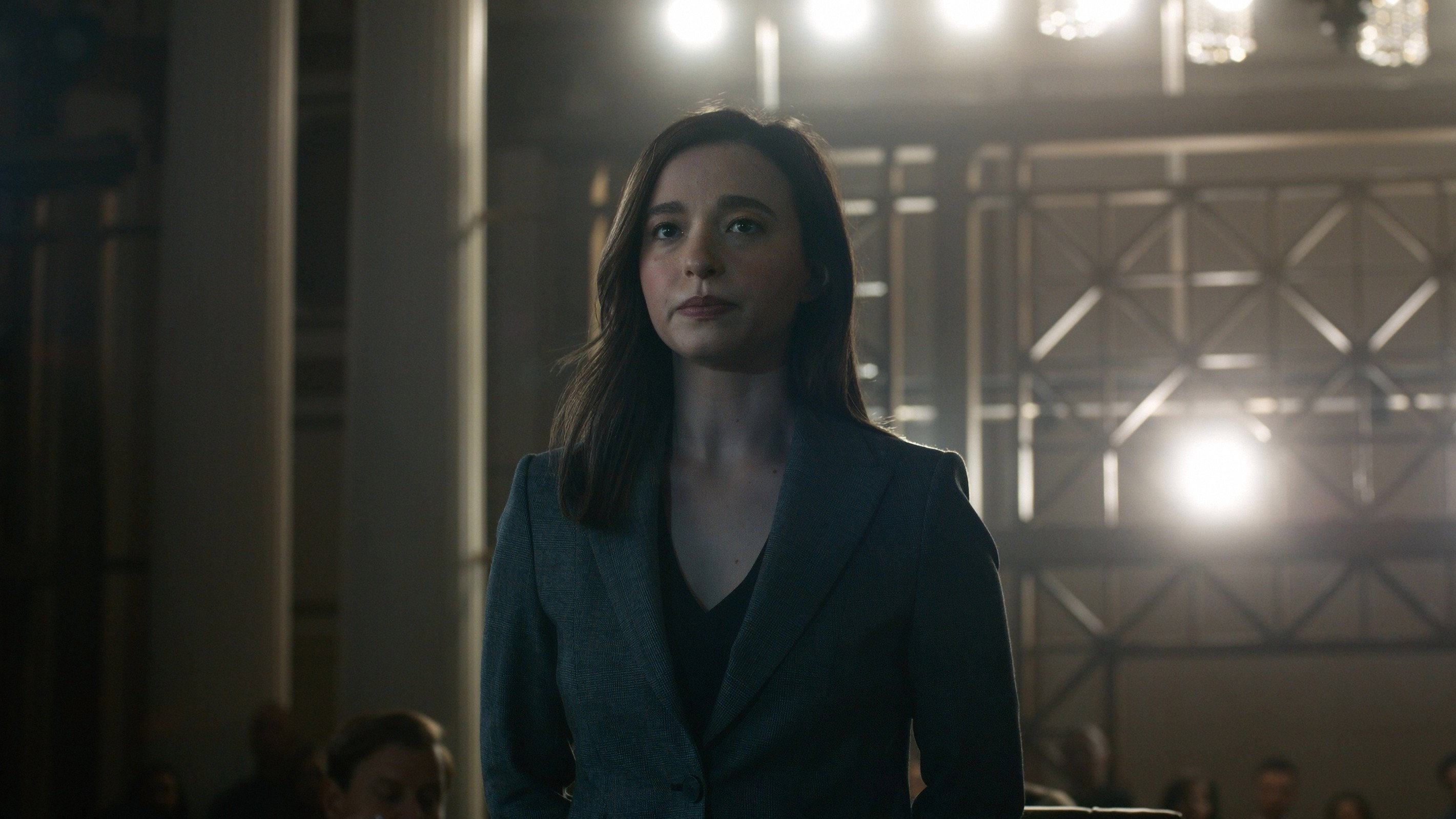
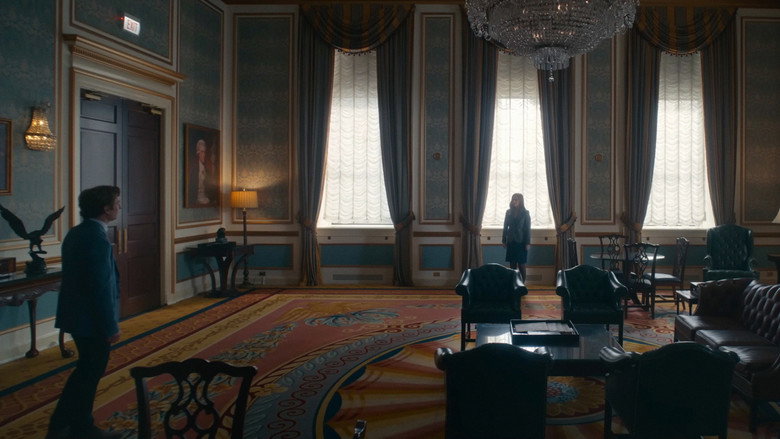
The Social Reckoning scene 1
What worked: The film excels at showing the gradual corruption of the protagonist's values. By stripping away their layers of self-righteousness, the narrative effectively exposes the ego driving the entire endeavor. What did not work: Some of the pacing in the final twenty minutes feels hurried, potentially leaving viewers with more questions than answers regarding the legal repercussions of the finale. The verdict: The Social Reckoning is a sharp, if occasionally cynical, look at the dangers of online vigilantism.
What Fans Are Saying
The defenders: Many viewers applaud the ending for refusing to give the audience a 'clean' victory. They argue that a happy ending would have betrayed the film's grounded, gritty tone and would have been an insult to the complexity of the subject matter.
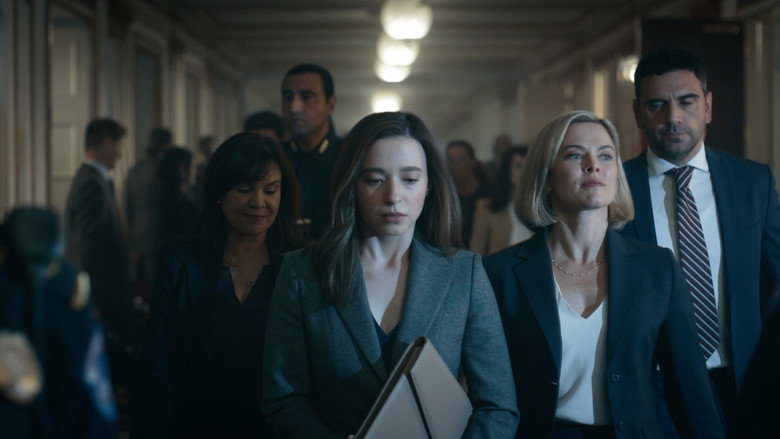
The Social Reckoning scene 2
The critics: Conversely, some critics argue the ending is too nihilistic, suggesting that the film eventually loses its way by turning into a standard thriller rather than maintaining its focus on the sociology of the internet. The middle: Most viewers agree that while the final twist is polarizing, it is a masterclass in tension, even if it leaves the actual future of the characters intentionally vague.
Justice is a luxury that isn't found in the comments section.
The Algorithmic Echo Chamber
The final scene, where the protagonist deletes their account but stays to watch the chaos unfold via a burner phone, perfectly encapsulates the film's thesis. The technology is no longer a tool; it is a monster that has gained a life of its own. Even when the original creator steps away, the platform's incentive structures continue to churn out conflict, proving that the damage is systemic rather than individual.
This suggests that no single person is responsible for the toxicity of social media, but rather that we are all trapped in a cycle of outrage that incentivizes bad behavior. The protagonist's final act isn't liberation; it is the ultimate expression of voyeurism. They remain tethered to the very thing that destroyed their reputation and their relationships, unable to look away from the fire they helped ignite.
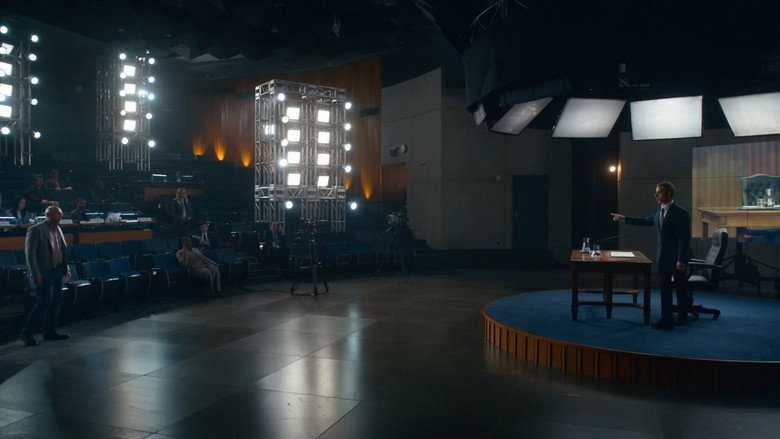
The Social Reckoning scene 3
A Warning for the Digital Age
Ultimately, the film concludes that accountability is impossible in a world where information is currency. By centering the story on a platform designed to 'level the playing field,' the director highlights that power will always find a way to re-center itself. The ending is not a resolution to the central conflict, but an admission that the conflict is perpetual.
The final takeaway is that in the era of viral accountability, truth is irrelevant, and survival depends on how quickly you can rewrite the narrative before the internet decides your fate. The story of the film is essentially our own, and as the screen fades to black, we are left to wonder just how much of our own lives we have already surrendered to the algorithm.