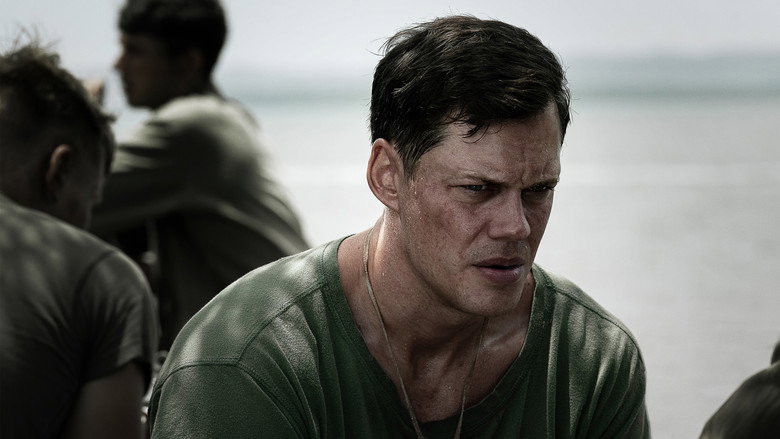
This article contains major spoilers for The Mosquito Bowl. Read only if you have already seen it.
On Christmas Eve 1944, two regiments of battle-hardened Marines faced off on a makeshift football field in the shadow of the Pacific theater. This wasn't a standard game, but a brutal confrontation between men who had seen the worst of war, organized to provide a brief, desperate glimmer of normalcy.
The upcoming film project from director Peter Berg chronicles this unique intersection of college football legends and WWII carnage. We explore the historical reality behind the legendary Mosquito Bowl and how these soldiers fought for survival in the Battle of Okinawa.
The Origins of a Forgotten Conflict
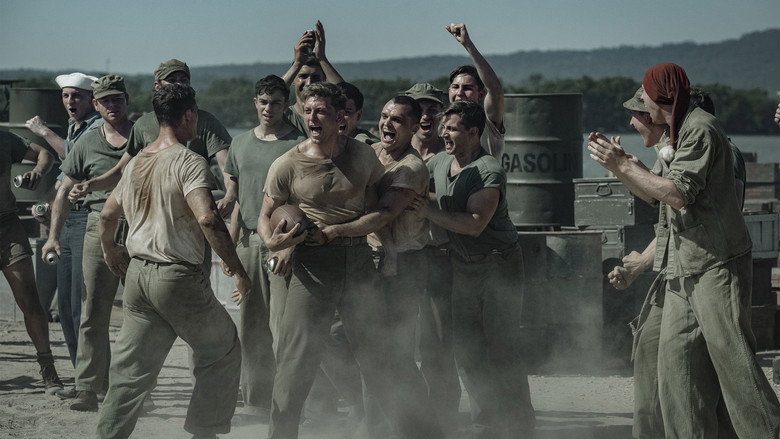
The Mosquito Bowl was not a staged event for morale, but a spontaneous explosion of competitive spirit among soldiers of the 29th and 4th Marine Regiments. These men were veterans of the Guadalcanal and Cape Gloucester campaigns, and many were former college football stars who had traded their cleats for combat boots. The game took place on Guadalcanal before the horrific invasion of Okinawa, serving as one of the last moments of levity for a generation about to be decimated.
The historical significance of the event lies in its sheer absurdity. Amidst the malaria-ridden jungles and the constant threat of enemy snipers, these men constructed a gridiron from scratch. While the film dramatizes these events, the book by Buzz Bissinger provides the foundational record of how these individuals bonded through sports before facing the realities of island warfare.
The game was played with a ferocity that bordered on insanity, not because of the stakes, but because for one afternoon, the players were not killing machines, but athletes again.
The Transformation from Athlete to Soldier
Before they were Marines, many of the men involved in the Mosquito Bowl were icons of American collegiate sports. They were Heisman trophy winners and All-Americans who believed the structure of the team would carry over to the chaos of the battlefield. The transition was jarring, as the tactical discipline of a football play proved insufficient against the fanatical defense of the Imperial Japanese Army.
The Mosquito Bowl scene 1
What the film explores is the psychological toll of this duality. These men carried their identities as athletes into the foxholes, using the camaraderie of the gridiron to cope with the mounting casualties of the Pacific campaign. The camaraderie, however, was quickly tested by the sheer scale of the conflict that awaited them on Okinawa.
The Reality of the Battle of Okinawa
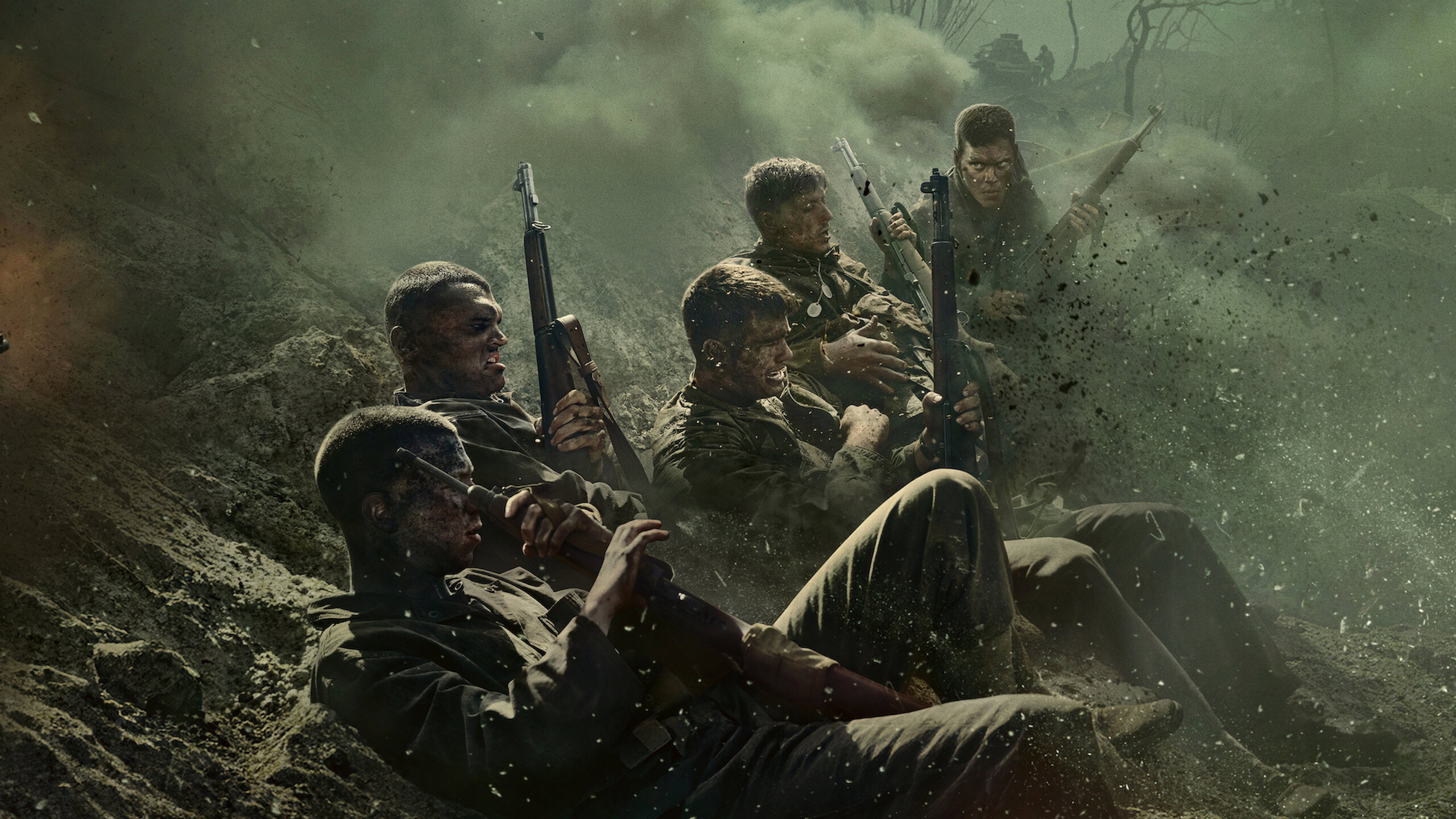
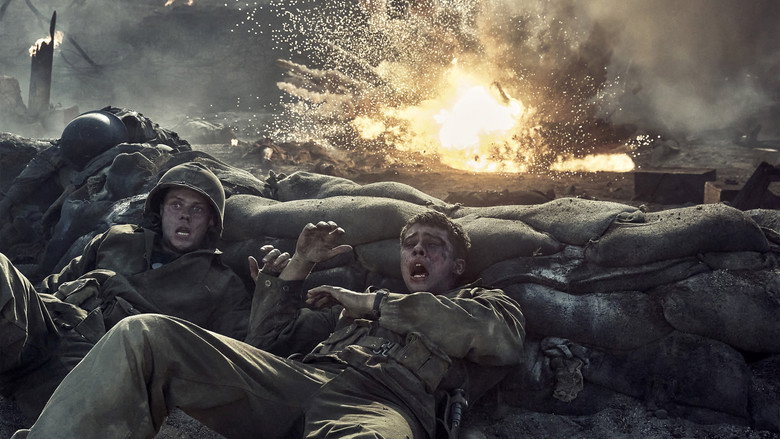
The Mosquito Bowl serves as a tragic prologue to the Battle of Okinawa, one of the bloodiest engagements in human history. Of the many men who played in that game, a significant portion did not survive the subsequent invasion. The film highlights the stark contrast between the rules and boundaries of a football game and the absolute lawlessness of the battlefield where survival was never guaranteed.
The tactical reality of the Pacific War remains the central anchor of the narrative. Unlike the European theater, the island-hopping campaign demanded a specific type of endurance that pushed these men to the limits of human capacity. The loss of so many of the players who competed on that Christmas Eve serves as a somber reminder of the true cost of their service.
The Mosquito Bowl scene 2
We played for pride, but in the end, the only score that mattered was how many of us made it off the island alive.
Bringing History to the Screen
What worked: The decision to focus on the human element behind the statistics allows the story to resonate beyond a standard war movie. By grounding the narrative in the friendships forged on the field, the film creates a sense of loss that feels deeply personal. It manages to balance the adrenaline of the sport with the somber weight of the historical tragedy.
What did not work: The challenge for any director tackling this subject is avoiding the trap of overly romanticizing the violence. While the film seeks to honor the memory of the Marines, it occasionally struggles to maintain the pace between the intense football sequences and the slower, more reflective moments of the soldiers' lives.
The Mosquito Bowl scene 3
The verdict: This project is a poignant look at a forgotten footnote of history. It succeeds because it refuses to ignore the grim destination that awaited every person involved in the game, turning a story about a football match into a powerful exploration of sacrifice and brotherhood.
Reflecting on a Lost Generation
Ultimately, the story of the Mosquito Bowl is a testament to the resilience of the human spirit in the face of impossible circumstances. These men were tasked with defending their nation while holding onto the pieces of the lives they left behind. The film serves as a memorial, ensuring that their names and their brief moment of joy are not lost to the fog of time.
The lasting impact of this story is found in the connection between the audience and the individuals who made the ultimate sacrifice. When we look back at the footage and the accounts of that game, we see more than just athletes. We see a generation that was defined by their ability to find humanity, even in the most inhumane of conditions.