This article contains major spoilers for The Good Daughter. Read only if you have already seen it.
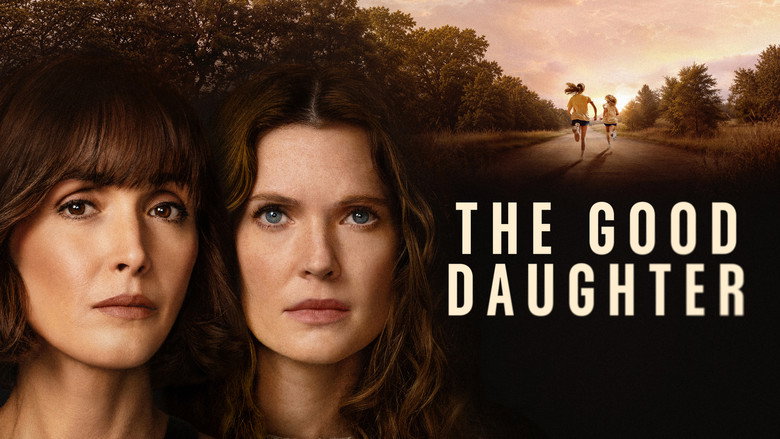
The Peacock limited series The Good Daughter presents a harrowing look at family trauma and the long-term psychological scars left by a single night of violence. With its grounded performances and intense small-town setting, many viewers are left wondering if the story of sisters Samantha and Charlotte Quinn is pulled from real-life headlines.
The series is not based on a true story, but rather serves as a direct adaptation of the 2017 bestselling novel by acclaimed crime author Karin Slaughter. While the narrative is entirely fictional, it draws heavily on the author's deep knowledge of Southern culture and the lasting impact of crime on local communities.
The Source Material
The Good Daughter is a faithful adaptation of the 2017 novel of the same name written by Karin Slaughter. Unlike many television projects that take significant liberties with their source material, this six-episode limited series is unique because the author herself wrote every episode. Slaughter, who is well-known for her Georgia-set thrillers, chose to adapt her own work to ensure the emotional core of the Quinn family remained intact.
What worked: By having the original novelist serve as the showrunner, the series maintains a tight focus on the internal lives of the characters. The transition from page to screen preserves the dual-timeline structure that defines the book, allowing the audience to see how the traumatic events of 1989 continue to dictate the sisters' choices as adults in the present day.
The Good Daughter is a murder mystery, a legal drama, a cold case story, a family drama, a small-town soap opera, and in some ways, what they used to call a women's picture, though not a sentimental one.
Fact vs. Fiction
While the story of the Quinn family is a work of fiction, Karin Slaughter has noted that her writing is often informed by her observations of the world around her. Growing up in Georgia, she was deeply affected by the atmosphere of the region and the way crime ripples through small, tight-knit communities. She has cited the Atlanta child murders of the late 1970s and early 1980s as a formative experience that shaped her understanding of how violence leaves a permanent mark on a town.
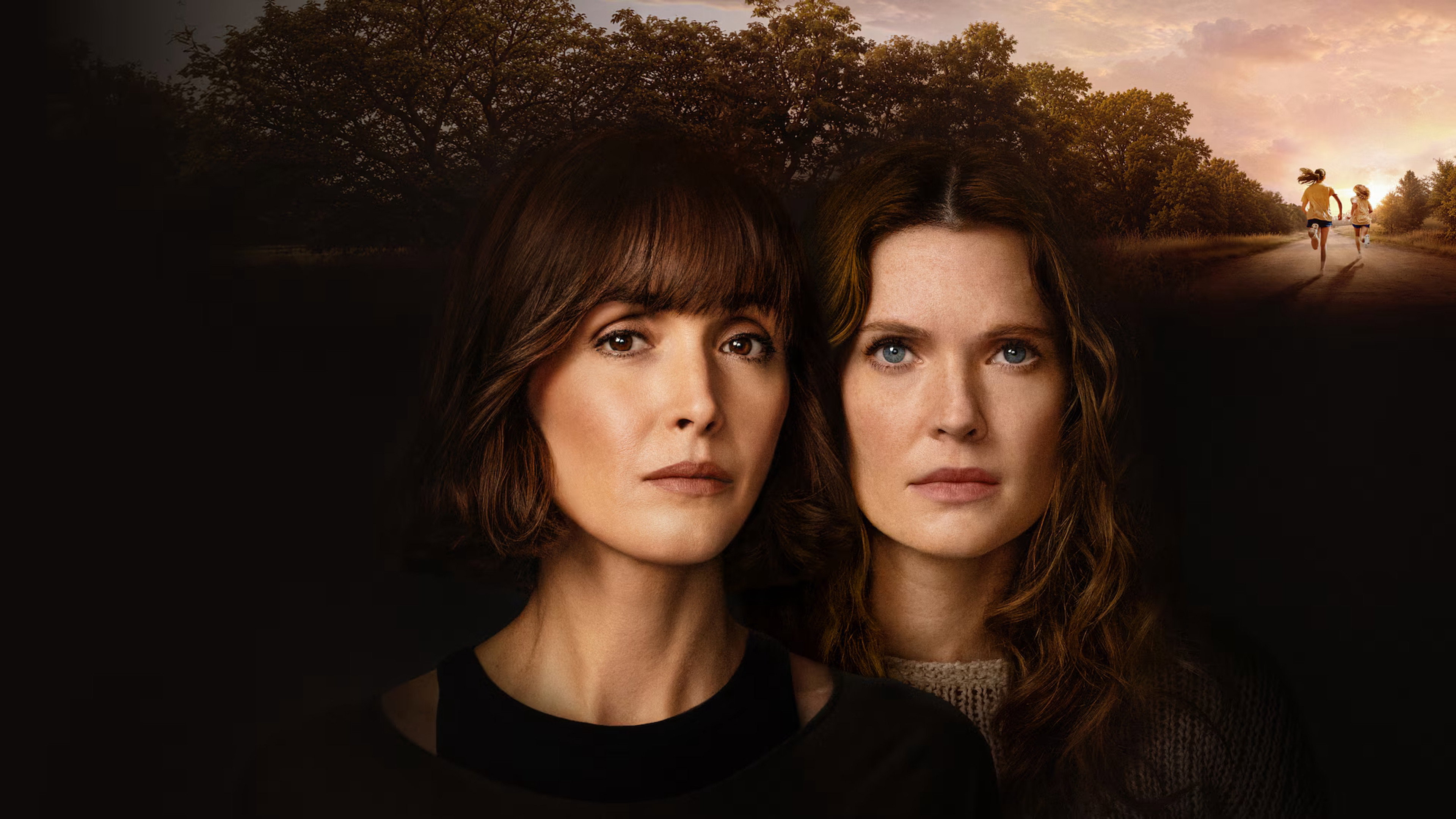
The Good Daughter scene 1
The reality of the setting: The town of Pikesville, Georgia, where the series is set, is a fictional creation. However, the show utilizes the authentic landscape of the American South to ground its narrative. The focus remains on the psychological aftermath of the characters rather than a specific real-world crime, distinguishing it from true-crime docuseries that aim to reconstruct historical events.
The Creative Vision
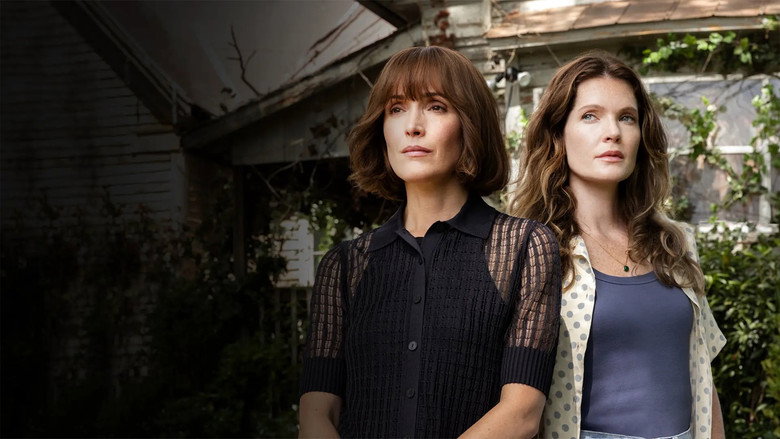
Director Steph Green, known for her work on The Americans, collaborated closely with Slaughter to bring this vision to life. The creative team prioritized a female-centric perspective, ensuring that the story of Samantha and Charlotte was not defined by the men in their lives, but by their own resilience and the strength of their bond as sisters. This approach was central to the adaptation process.
What did not work: Some viewers may find the pacing of the legal procedural elements to be secondary to the family drama. Because the series is deeply invested in the emotional healing of the protagonists, the mystery surrounding the new murder case occasionally takes a backseat to the exploration of long-simmering resentments and childhood trauma.
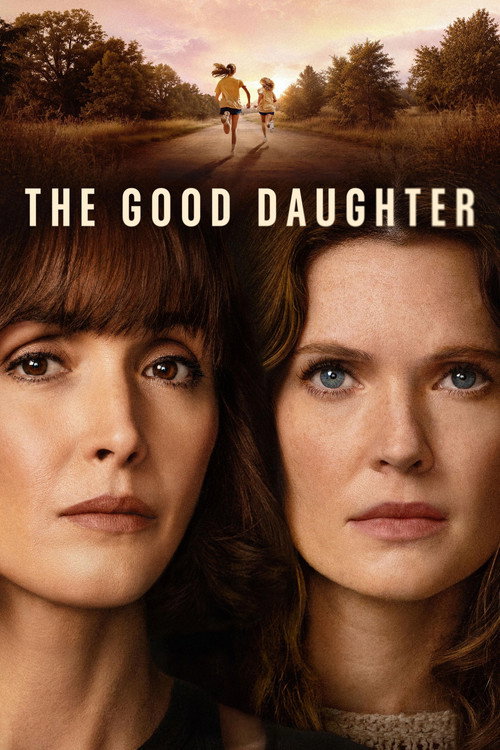
The Good Daughter scene 2
I wanted these two women to be together on this journey, and their healing comes because they're strong. They were raised by a strong woman. Their story is their story, and their suffering is their own suffering.
What Fans Are Saying
The defenders: Fans of Karin Slaughter’s novels have praised the series for its loyalty to the source material. Many appreciate that the show does not shy away from the darker, more uncomfortable aspects of the book, and they have lauded the performances of Rose Byrne and Meghann Fahy for capturing the complex, often strained relationship between the two sisters.
The critics: Some critics have pointed out that the series leans heavily into the tropes of the small-town thriller genre. While the performances are strong, those looking for a revolutionary take on the murder mystery format might find the narrative beats familiar, as it follows a structure common to many Southern Gothic-adjacent crime dramas.
The Good Daughter scene 3
The middle: Most viewers agree that the series succeeds as a character-driven drama. Even those who are not typically fans of the genre find the emotional stakes of the Quinn family's history compelling enough to carry the show through its six-episode run.
The Verdict
The verdict: The Good Daughter is a successful adaptation that prioritizes character depth over sensationalism. By focusing on the long-term effects of trauma rather than the mechanics of a crime, it offers a more intimate experience than the average thriller. It is a must-watch for those who appreciate stories about family reconciliation and the enduring power of sisterhood.
Ultimately, the series stands as a testament to the power of a well-told story. While it is not a true story, the emotional truths it explores are universal. The journey of the Quinn sisters is a reminder that while we cannot change the past, we can choose how we live in the aftermath.