This article contains major spoilers for Avengers: Doomsday. Read only if you have already seen it.
The Marvel Cinematic Universe stands at a critical juncture, navigating the fallout of an oversaturated market and shifting audience expectations. With the return of iconic faces and a recalibrated creative pipeline, the franchise is attempting to recapture the cultural dominance it once held without question.
This analysis examines Marvel's strategic pivot, the return of Robert Downey Jr., and whether a return to foundational storytelling can save the brand from further decline.
The Era of Recalibration
Marvel Studios has spent the last few years dealing with the consequences of an aggressive expansion into television and a thinning of narrative quality. The sheer volume of content, while initially intended to bolster Disney+, inadvertently diluted the brand's premium status. The move toward Avengers: Doomsday represents a deliberate tightening of the ship, moving away from experimental tangents to focus on high-stakes, event-driven cinema that audiences clearly gravitate toward.
What worked: The studio's willingness to acknowledge the need for a shift in pace, moving from a "quantity over quality" model to a more curated release schedule. What did not work: The disjointed nature of the Multiverse Saga thus far, which often felt like a series of disparate parts rather than a cohesive tapestry. The verdict: The upcoming slate suggests that Marvel is betting on nostalgia and core characters to stabilize its long-term financial prospects.
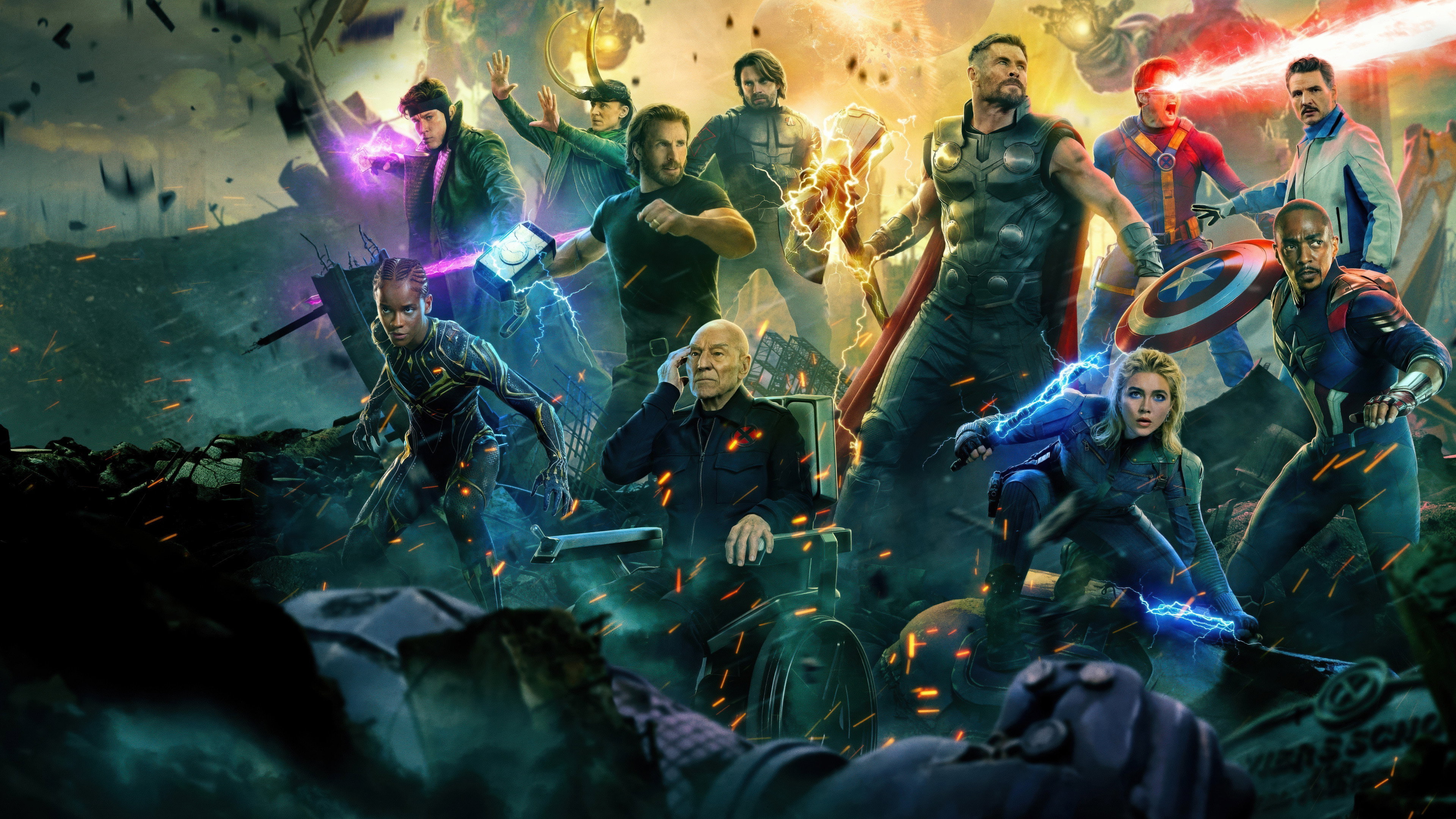
Avengers: Doomsday scene 1
The MCU isn't dying; it is simply entering its sophomore phase—a transition from a decade of invention to a decade of maintenance.
The Weight of Nostalgia
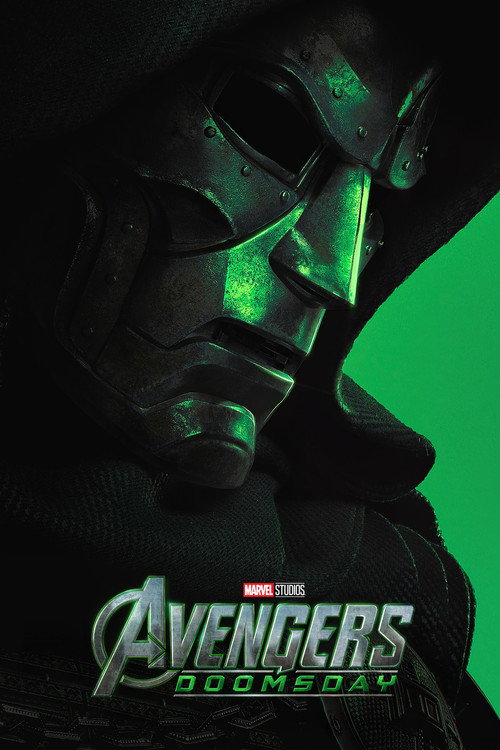
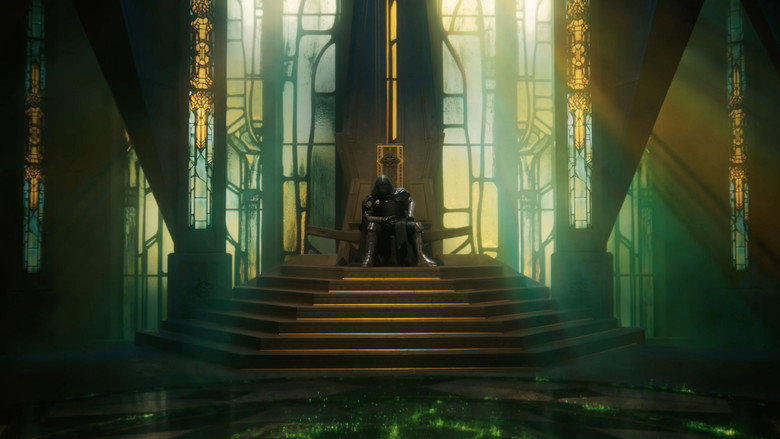
The announcement of Robert Downey Jr. as Victor von Doom was, undeniably, the most jarring pivot in the franchise's history. While it serves as a massive marketing hook for an audience craving the stability of the Infinity Saga, it raises questions about the studio's reliance on past successes. By pulling from its greatest hits, Marvel is effectively signaling that it finds the current slate of characters insufficient to carry the load of a billion-dollar blockbuster on their own.
Strategic reliance: Bringing back key talent is a low-risk, high-reward move for investors, but it risks stagnating the creative evolution of the universe. If the future of the MCU is tethered exclusively to the faces of the past, the window for introducing meaningful new icons closes rapidly. Marvel must balance the crowd-pleasing return of legendary actors with the necessary development of the next generation of heroes.
By anchoring its future in the ghosts of its past, Marvel has guaranteed an audience, but it has yet to prove it can build a new legacy.
The Multiverse Dilemma
The multiverse was intended to be the MCU's primary narrative vehicle, allowing for limitless creative expression. In practice, however, it has often served as a crutch, enabling stakes-free storytelling where death is temporary and consequences are easily retconned. This cycle has diminished the emotional resonance of modern entries, as audiences have learned that nothing is truly final in a world where variants can replace any character at a moment's notice.
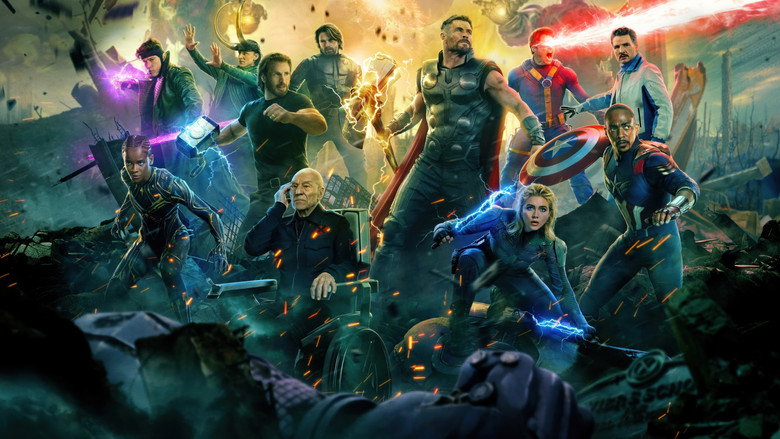
Avengers: Doomsday scene 2
The shift toward grounding: Future entries seem to be leaning toward the "Street-Level" and cosmic threats that feel more tangible and less abstract than the reality-bending chaos of Phase 4. Focusing on defined, local stakes allows for character growth that feels earned rather than forced by multiversal necessity. Moving forward, the franchise needs to re-establish the concept of loss as a permanent narrative tool.
The Industry Outlook
The broader film industry is watching the MCU's post-Doomsday performance with bated breath, as the franchise remains the primary engine for the theatrical exhibition model. A successful run for the upcoming Avengers films could signal a return to form for the blockbuster era, proving that audiences remain hungry for event cinema. Conversely, a failure here would likely accelerate the shift toward smaller, safer, and cheaper production models across all major studios.
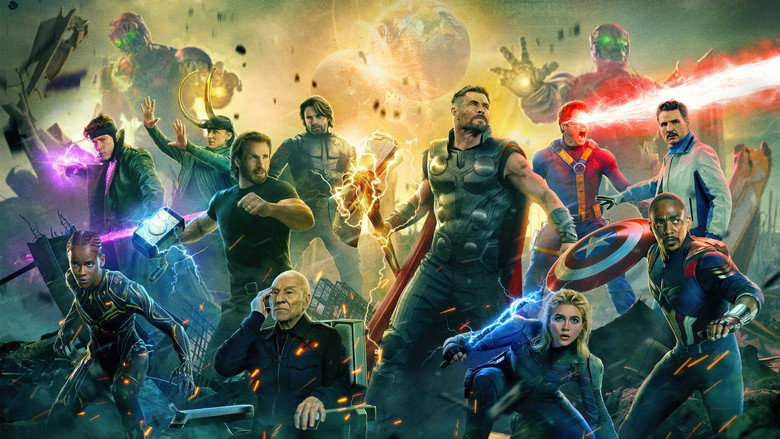
Avengers: Doomsday scene 3
What fans are saying:The defenders: Believe the pivot is exactly what was needed to course-correct after a lackluster few years of experimentation. The critics: Argue that the studio is out of ideas and is desperate to cling to former glory. The middle: View the return of key cast members as a calculated necessity that might keep the ship afloat, even if it feels artistically cynical.
A Final Reckoning
The future of the MCU is currently being written in the shadow of its own history. While the return to basics and the focus on tentpole events will likely stabilize the brand in the short term, the ultimate success of this era will depend on whether Marvel can once again find the heart that made the original Avengers movies resonate with a global audience. The next few years are not just about box office returns; they are about proving the franchise still has a soul.