Why the Culture War Keeps Targeting Lord of the Rings and Harry Potter
A provocative tweet from pop culture commentator Jon Del Arroz recently reignited debates about why certain beloved fantasy franchises — specifically Peter Jackson's The Lord of the Rings and J.K. Rowling's Harry Potter — remain lightning rods in today's cultural battles.
Del Arroz argued these properties are under fire not for artistic or financial reasons, but because they are deeply rooted in traditional culture. He claimed certain activists see it as their mission to subvert or dismantle them — even at the cost of profitability.
The tweet gained 146K+ views. The debate it sparked is still very much alive.
The Enduring Appeal of Traditional Fantasy
Both franchises achieved massive success by drawing on deep cultural wellsprings. J.R.R. Tolkien — a devout Catholic and scholar of ancient Northern European languages and myths — crafted Middle-earth infused with Christian themes: providence, sacrifice, humility, and the battle between good and evil.
His work celebrates courage in the face of overwhelming darkness, the value of ordinary people, the corrupting influence of power, and the beauty of tradition. Aragorn's kingship, the Fellowship's unlikely bonds, and the elegiac tone of fading magic all echo older European storytelling traditions — from Beowulf to Arthurian legend.
Rowling's Harry Potter series operates within a recognizably British framework. Hogwarts draws heavily on English boarding school tropes, folklore, and Christian-influenced morality tales. The books celebrate merit, bravery, and individual choice. These stories resonated globally not because they were narrowly political, but because they tapped into universal human experiences told through a specific cultural lens.
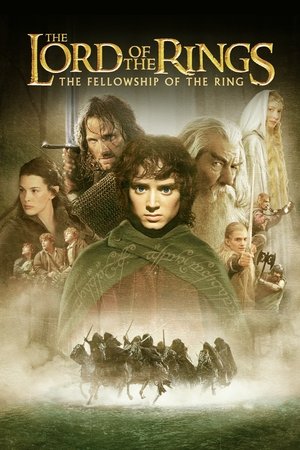
The Lord of the Rings: The Fellowship of the Ring
2001Peter Jackson's adaptation remains one of the most faithful and beloved fantasy films ever made.
Its success came from respecting Tolkien's world — not sanitizing it.
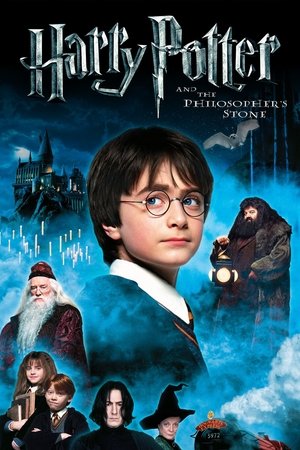
Harry Potter and the Philosopher's Stone
2001The film that launched a generation of readers and moviegoers.
Rooted in British culture and Christian-influenced morality — and universally adored for it.
The Push for "Subversion" and Modern Adaptations
In recent years, both franchises have faced significant pushback during attempts at new adaptations or expansions.
"Amazon's The Rings of Power has been criticized for deviating sharply from Tolkien's lore. Defenders call it necessary modernization. Critics say it feels like a hostile rewrite."
The Harry Potter universe has seen ongoing tensions with J.K. Rowling herself. Some activists have called for "deplatforming" the franchise, even as new projects like the upcoming Harry Potter TV series move forward.
Critics of these changes often point to a pattern seen across other franchises — Star Wars, Ghostbusters, Star Trek — where legacy properties with strong traditional fanbases are selected for "updating" not just to attract new viewers, but seemingly to signal ideological victory by transforming cultural symbols.
Culture, Not Just Cash
Del Arroz's core point — that some opposition isn't about profit — finds evidence in industry behavior. Studios have repeatedly greenlit projects that underperformed financially while doubling down on certain messaging.
$460 million+
Reported cost of Rings of Power Season 1 — with mixed-to-negative audience reception across multiple metrics.
Creative decisions sometimes appear driven more by internal Hollywood culture or activist pressure than pure market research.
At the same time, fantasy as a genre has always evolved. Successful adaptations prove that fresh perspectives can enrich the medium without necessarily attacking the source. The question is whether changes honor the spirit of the original — or treat it as a vehicle for contemporary politics.
A counter-example done right

Pan's Labyrinth
2006Guillermo del Toro's masterpiece proves that new perspectives can enrich fantasy.
Fresh, dark, and deeply personal — without dismantling anything that came before.
Why These Stories Still Matter
What makes these franchises special isn't any single political label. It's their ability to transport audiences to worlds where good and evil are real, where ordinary people can do extraordinary things, where friendship, duty, and courage have meaning — and where beauty and tradition are worth defending.
Tolkien himself warned against allegory, insisting his work was "applicable" rather than directly political. Yet its themes — resistance to tyranny, the dangers of industrial modernity, the importance of stewardship — have spoken to readers across the political spectrum for decades.
Fans are right to be protective. When beloved stories are altered primarily to fit today's ideological fashions, it can feel less like respectful evolution and more like conquest — replacing one set of values with another under the guise of progress.
The Future of Fantasy
The culture war around these franchises is unlikely to end soon. New Lord of the Rings films are reportedly in development at Warner Bros., and the Harry Potter TV reboot is on the horizon.
Will they trust the power of the original stories to speak for themselves — emphasizing universal themes of heroism, sacrifice, and wonder? Or will they prioritize checking contemporary boxes at the risk of alienating core audiences?
History suggests the stories that endure are those that connect with something deeper than the politics of the moment — rooted in the human condition, myth, and the eternal struggle between light and shadow.
In the end, the greatest "subversion" might be refusing to let today's fleeting ideologies overwrite the timeless magic that made these worlds beloved in the first place.
💬 What do you think?
Is this cultural criticism valid — or does every generation have a right to reimagine the stories they inherit? Share this article and let people know where you stand.
Written by StreamRoulette Editorial
You May Also Like


Rediscover what great storytelling feels like
Let StreamRoulette find you a film that actually respects its audience.
Generate a Recommendation