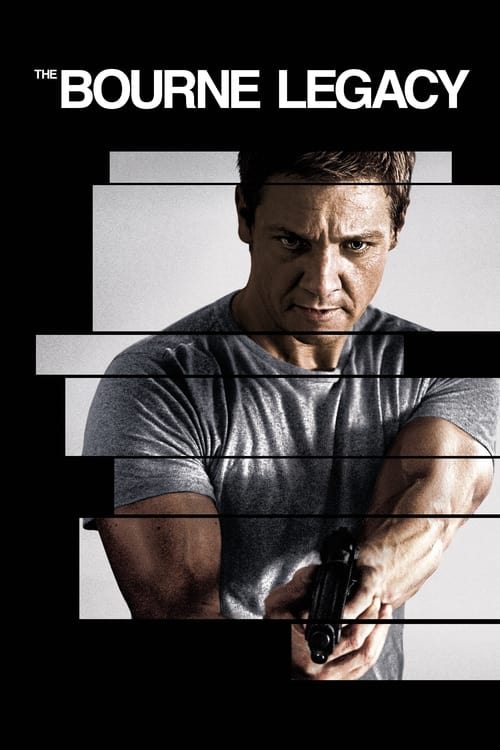
This article contains major spoilers for The Bourne Legacy. Read only if you have already seen it.
When audiences think of Jason Bourne, they typically visualize Matt Damon sprinting through European streets in a haze of shaky-cam intensity. Yet, Tony Gilroy’s 2012 spin-off, The Bourne Legacy, has recently surged back into the Netflix Top 10, prompting a massive re-evaluation of its place in the spy-thriller pantheon.
This article explores why this contentious franchise entry is finding a second life, analyzing Jeremy Renner’s grounded performance as Aaron Cross and dissecting the narrative risks the studio took to expand a universe that many thought began and ended with Bourne himself.
The Expansion of the Treadstone Universe
The Bourne Legacy arrived at a moment of transition for the franchise. With Matt Damon and director Paul Greengrass initially opting out of a fourth installment, the producers faced a choice: reboot the series or expand the mythology. Tony Gilroy, who penned the first three films, took the latter path, choosing to tell a parallel story about the collateral damage left behind by Jason Bourne’s exposure of Operation Blackbriar.
By introducing Aaron Cross, a member of the Outcome program—an even more clandestine initiative than Treadstone—the film successfully widened the scope of the conspiracy. It moved the action from the gritty, intimate paranoia of the original trilogy into the clinical, high-stakes science of performance-enhancing drugs and government cover-ups, effectively proving that the Bourne world was larger than just one man.
The legacy is not just about the man who started it; it is about the system that birthed him and the people it deemed expendable.
What Fans Are Saying
The defenders: Many viewers on social media are praising the film for its technical prowess and the sheer physicality of Jeremy Renner's performance. Fans who appreciate the "hard science" approach to the spy genre argue that it is perhaps the most realistic look at how such a government agency would actually operate under fire.
The Bourne Legacy scene 1
The critics: Conversely, purists of the series argue that the film lacks the emotional anchor provided by Matt Damon’s performance. The transition from a personal journey of identity to a hunt for "chems" feels like a downgrade to many who found the original trilogy’s stakes to be more intimately devastating.
The middle: Most viewers land on the fact that while the film isn't a masterpiece, it is an incredibly competent action thriller that manages to hold its own. It is a testament to the franchise's strong foundation that even a "spin-off" can command such high engagement years after its initial release.
The Bourne Legacy scene 2
The Verdict on the Franchise Shift
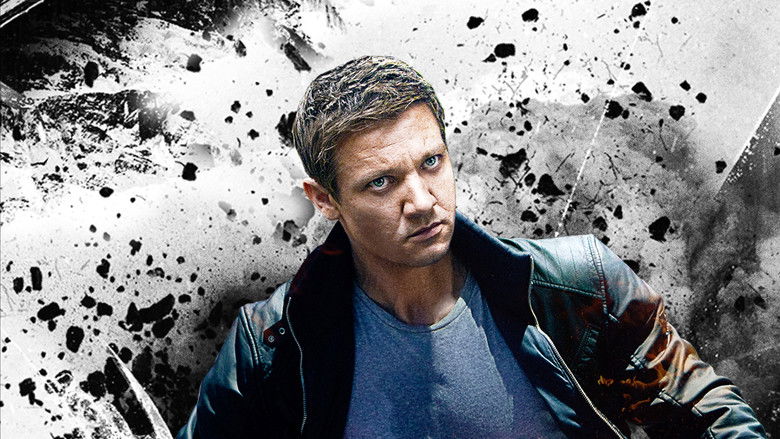
What worked: The introduction of Rachel Weisz as Dr. Marta Shearing provides a vital intellectual counterpoint to Aaron Cross, grounding the high-octane sequences in genuine human stakes. The final act, specifically the motorcycle chase in the Philippines, remains one of the best-directed action sequences in the entire franchise.
What did not work: The film struggles under the weight of its own exposition. Because it happens simultaneously with The Bourne Ultimatum, it often feels like it is scrambling to keep the timeline consistent rather than focusing on building a compelling, singular narrative arc.
The verdict: The Bourne Legacy is an underrated action film that succeeds as a standalone thriller while struggling to fill the shadow cast by the original trilogy. It is a must-watch for fans of the genre, even if it doesn't quite hit the emotional highs of its predecessors.
The Bourne Legacy scene 3
If the first trilogy was about the search for identity, this film is about the brutal, biological reality of survival in a world that wants you deleted.
Why It Is Resonating on Netflix
The recent Netflix surge is likely tied to a hunger for "smart" action cinema that doesn't rely entirely on superhero tropes or CGI spectacle. In an era where streaming algorithms often prioritize established IP, The Bourne Legacy benefits from brand recognition while offering a refreshingly different flavor of espionage. Viewers are revisiting the film to see how it holds up, and many are finding that the practical stunts and grounded, cold-war-style tension remain as sharp as ever.
Ultimately, the film stands as a bold, if flawed, experiment in franchise expansion. It pushed the boundaries of the Bourne universe, testing whether the world could survive without its titular hero. By returning to the charts, it proves that there is still a massive audience hungry for this specific brand of high-tension, high-stakes storytelling.