Resident Evil Gets Its Best Shot Yet — And Zach Cregger Is the Reason

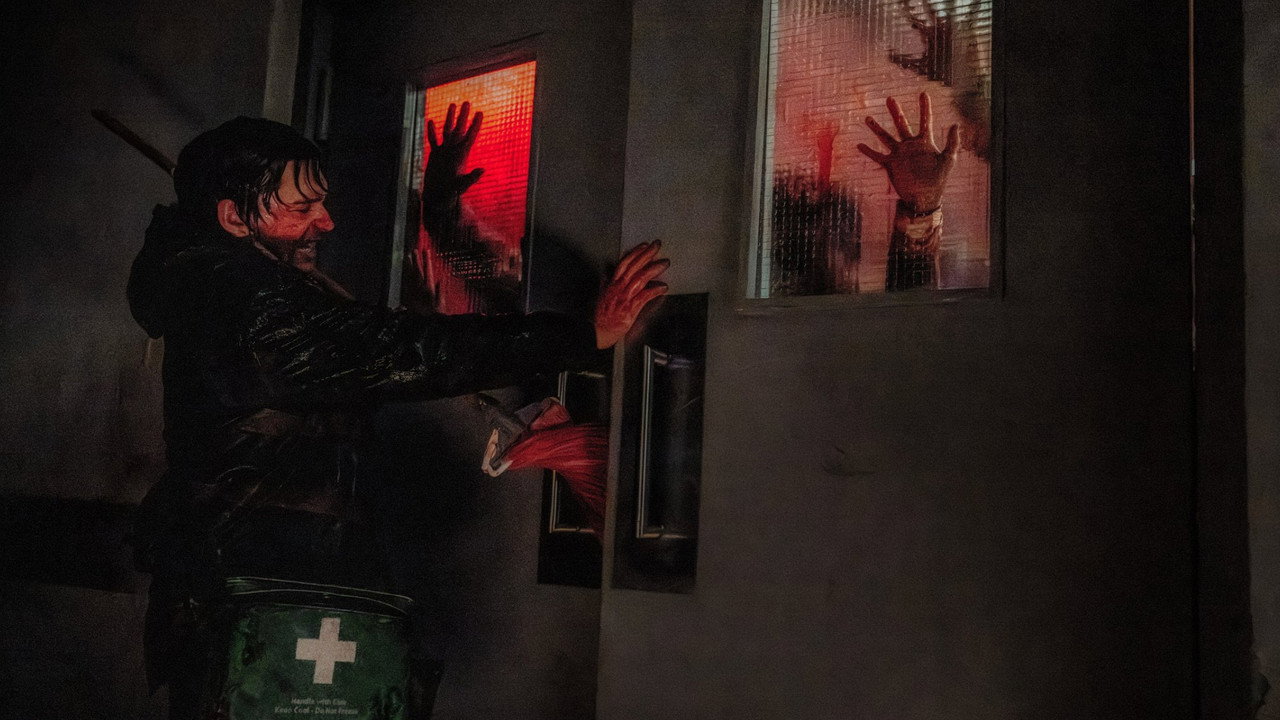
The man who made Barbarian one of the most unsettling horror films in years is now inside the Resident Evil universe. Zach Cregger's reboot hits theatres September 18, 2026 — and the teaser trailer, released today by Sony Pictures, already signals this will not look like anything the franchise has tried before.
Here is everything confirmed about the film, what the trailer reveals, and why this might be the version of Resident Evil that finally works.
The Resident Evil franchise has had a complicated relationship with cinema. Paul W.S. Anderson's six-film run with Milla Jovovich lasted from 2002 to 2016 and made over a billion dollars globally — but it drifted so far from the source material that hardcore fans largely gave up. The 2021 reboot, Welcome to Raccoon City, tried to course-correct by leaning into the games' atmosphere, and it failed commercially. A Netflix series was cancelled after one season. The IP was stuck. Then Sony and Constantin Film brought in Zach Cregger.
Cregger's 2022 film Barbarian became a cultural event precisely because it refused to follow genre conventions. It was patient, structurally unusual, and genuinely disturbing. His follow-up, Weapons, continued that trajectory. When Sony approached him in mid-2024 to direct a Resident Evil reboot, the hire was a statement: this would be a filmmaker-first project, not a franchise machine. Pre-production began in January 2025. Filming wrapped in Prague in early 2026. The teaser dropped April 30, 2026, with nearly 2 million views in its first hours.
"From the mind of visionary filmmaker Zach Cregger comes a thrilling and terrifying reinvention of the Resident Evil franchise."
Resident Evil — Official Teaser Trailer (4K). Released April 30, 2026 by Sony Pictures.
What the Story Is Actually About
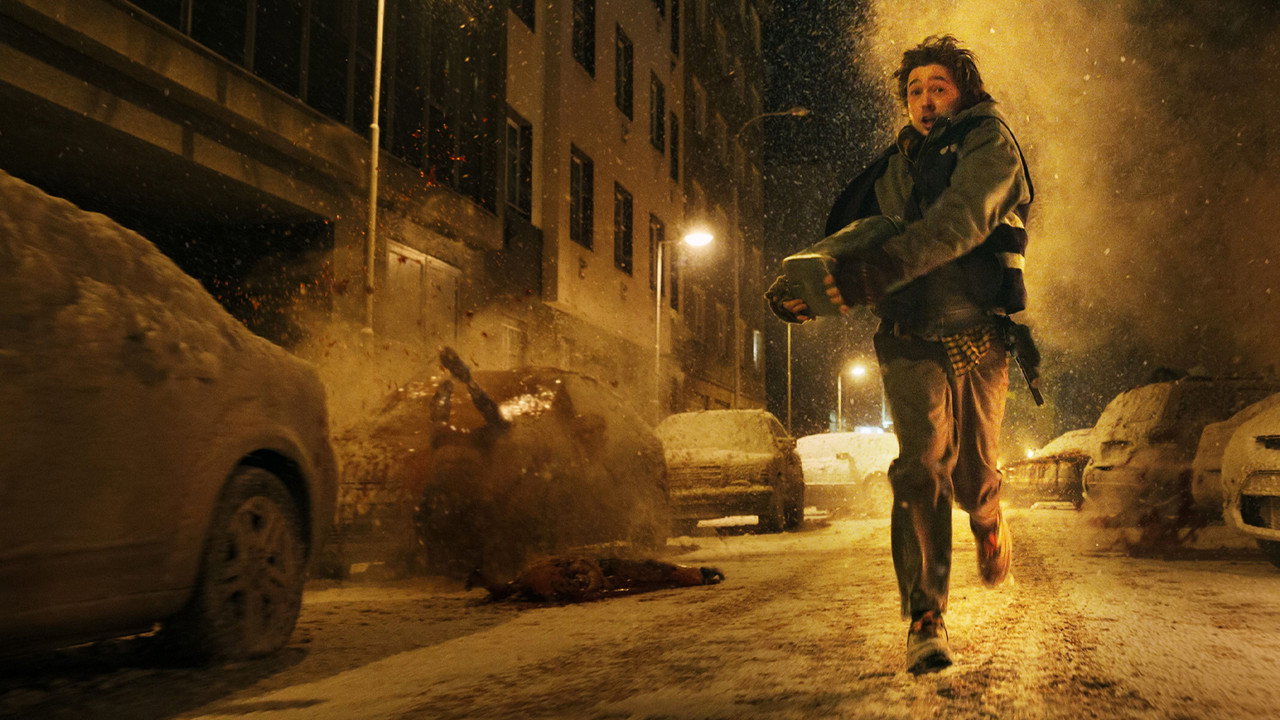
The film follows Bryan (Austin Abrams), a medical courier on a routine delivery run when an outbreak erupts around him. According to the official synopsis, the story unfolds over a single catastrophic night, with Bryan caught in the middle of chaos he did not cause and cannot understand. The screenplay was co-written by Cregger and Shay Hatten, who previously wrote John Wick: Chapter 3 and Army of the Dead. The combination of Cregger's atmospheric horror instincts and Hatten's action-writing experience is the most interesting creative pairing the franchise has ever seen.
The film runs parallel to the events of Resident Evil 2, the 1998 game, which means Raccoon City is the setting and T-virus infected creatures are the threat. Crucially, this is a new original story with no connection to the previous film series. Bryan is not Leon Kennedy or Claire Redfield. He is a civilian trapped in the worst night of his life. That grounding decision, an ordinary protagonist over a special forces hero, is exactly the kind of choice Cregger made in Barbarian and it gives the film room to breathe with genuine dread.
The Cast and What Each Role Means
Austin Abrams leads as Bryan. Known primarily for Euphoria and The Walking Dead, Abrams has consistently played characters under extreme psychological pressure. He is a precise, internalized actor, not a conventional action lead, which fits the film's apparent tone exactly. Supporting him are Zach Cherry (Silicon Valley, You) as Dave, Kali Reis (True Detective: Night Country) as Pauline, and Paul Walter Hauser (BlackKklansman, Richard Jewell) as Carl. Hauser in particular is one of the most versatile character actors working today, capable of comedy and menace in the same scene.
The ensemble is notably grounded. There is no marquee action star. No one here is playing a trained soldier. That casting pattern reinforces the film's apparent premise: ordinary people, wrong place, catastrophic night. Cinematography is by Dariusz Wolski, whose credits include Prometheus, The Martian, and the Pirates of the Caribbean franchise. His involvement suggests a significant visual ambition for what could have been treated as a genre product.
"Four major studios bid for distribution rights. Columbia Pictures won. This was not a project anyone was walking away from."
How This Reboot Got Made
The path to this film was not straightforward. After Welcome to Raccoon City underperformed in 2021, Constantin Film, which holds the Resident Evil film rights, began internally discussing what came next. A grant from Canada's Northern Ontario Heritage Fund surfaced in 2023 under the title Resident Evil: The Umbrella Chronicles, suggesting an early concept that was later abandoned. Sony's PlayStation Productions entered as a co-producer in early 2025, a sign of how seriously the gaming side of the business was taking the film's potential.
The distribution rights auction was the clearest signal of the project's commercial heat. Warner Bros. Pictures, Netflix, and two other major distributors competed for the film. Columbia Pictures ultimately secured global theatrical release. The $80 million production budget is the largest the franchise has ever worked with. September 18, 2026 positions the film in the heart of prestige fall season, not summer horror dump season. Sony is treating this like an event.
What the Teaser Trailer Actually Shows
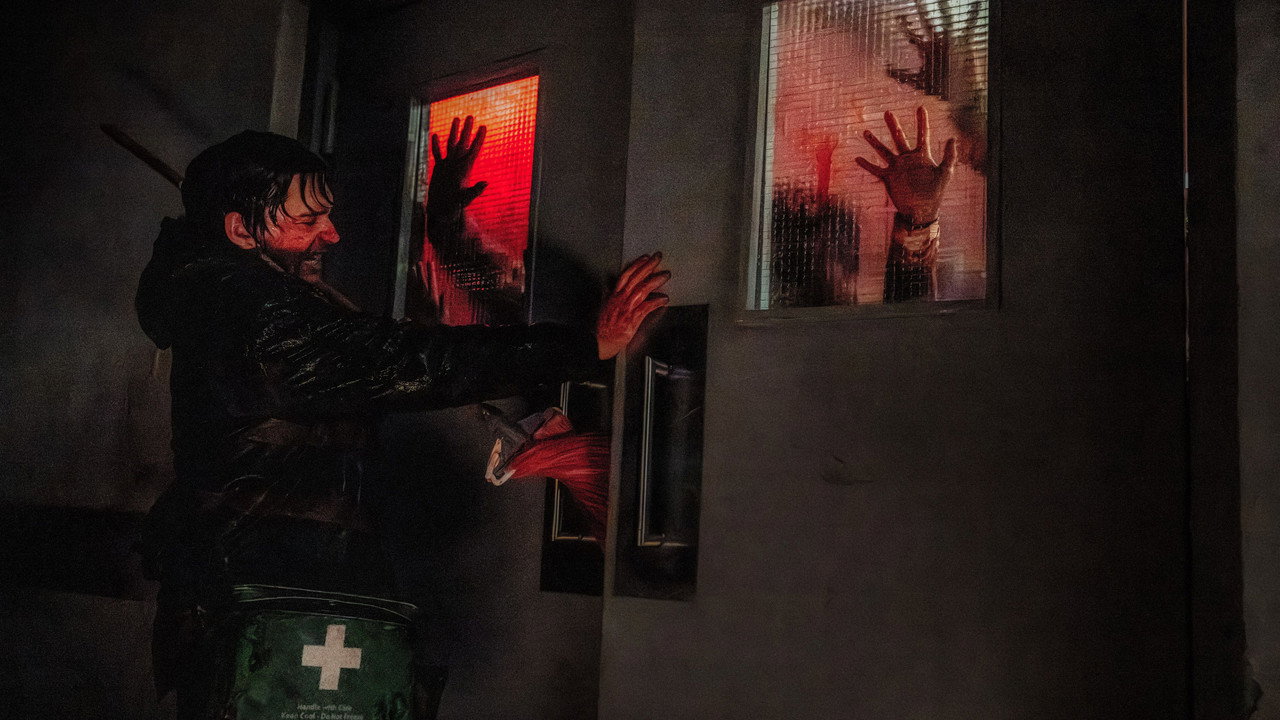
The teaser is 1 minute and 53 seconds long and confirms the film will be shot for IMAX. It establishes the one-night survival premise immediately, with Bryan on a delivery run before the city collapses around him. The infected designs visible in the trailer are closer to the original game's creatures than anything in the previous film series — slow, decaying, and clearly biological rather than supernatural. The tone is closer to 28 Days Later than to the Anderson films. There is no dramatic score swell. The silence is deliberate.
The IMAX framing is significant. Cregger used expansive, carefully composed frames in Barbarian to create unease through negative space rather than jump cuts. The same instinct applied to Raccoon City's industrial sprawl could produce something genuinely cinematic. The teaser has already accumulated nearly 2 million views in its first day, with reaction largely split between long-term game fans who are cautiously optimistic and horror audiences who follow Cregger's work regardless of IP.
"Cregger made Barbarian work by ignoring what audiences expected. He may do exactly the same thing here."
The Case For Optimism
The history of video game adaptations on film is long and mostly disappointing. Resident Evil's own track record includes some of the most creatively distant departures from source material in blockbuster history. What makes this different is not just the director, though Cregger's credentials are genuine. It is the structural decision to approach the IP through a civilian protagonist in a contained, single-night story. The best Resident Evil games work because you are not a hero at the start. You are someone trying to survive something you do not understand. That is what the 1998 game communicated and what no film in this franchise has ever properly translated.
The cast has no dead weight. The production team, from Wolski's cinematography to Hatten's screenplay architecture, is the most credentialed the franchise has ever assembled. The budget is serious. The release date is confident. What remains is the film itself, which no one outside the production has seen. But on every available metric, September 18, 2026 is the date Resident Evil fans have been waiting for without knowing it.
Zach Cregger has earned the benefit of the doubt — and this franchise has never had a filmmaker who deserved it this much.
Written by StreamRoulette Editorial
You May Also Like


Not sure what to watch while you wait?
Let StreamRoulette spin something perfect for you right now.
Try StreamRoulette