A New Lord of the Rings Movie Is Coming: The Hunt for Gollum

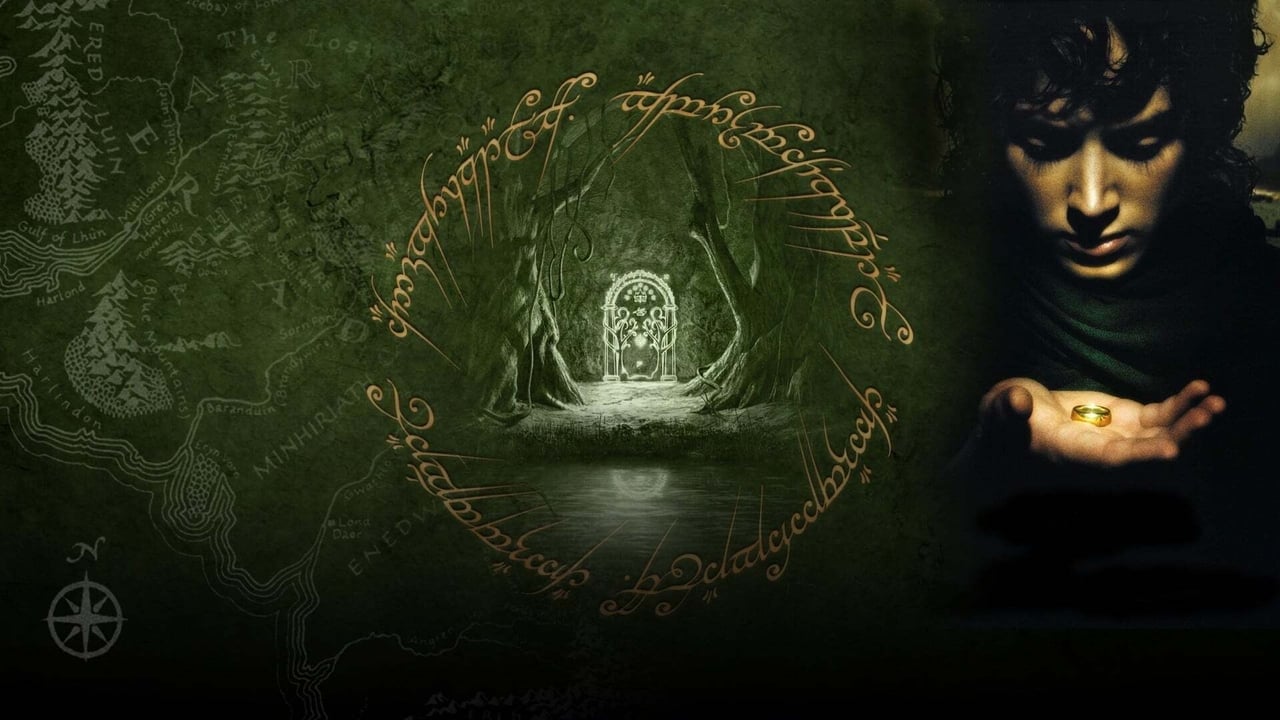
Middle-earth has been the most reliably monetized fantasy property in cinema for over two decades, and the thing that made it reliable was the thing the later attempts kept trying to replicate without understanding. The Peter Jackson trilogy worked because it treated Tolkien's world as a place rather than a franchise. The Hobbit trilogy struggled because it treated the place as a product. The difference was not the budget. It was the seriousness.
The next Lord of the Rings film is The Hunt for Gollum, Andy Serkis is returning, and the early signals suggest the production has read the room. The decision to focus a new film on Gollum is the decision to make a Middle-earth story that is personal rather than epic, and that is the gear the property has been missing.
The Hunt for Gollum has one significant advantage over the other possible Middle-earth projects, and it is the advantage that matters most. Gollum is the character who carries the most unexplored interior life in the entire legendarium. Tolkien wrote him as a creature defined by what the Ring did to him, and the films rendered him as a tragic figure whose corruption was visible in every movement. There is a story between the lines that the films never had room to tell, the story of what Smeagol was before the Ring, what the Ring took from him, and what was left of him after.
Andy Serkis returning to direct, and to perform, the character he essentially invented for the screen is the decision that gives the project its credibility. Serkis understands Gollum at a level that goes beyond performance capture. He understands the character's duality, his pathos, and his danger, and a film built around that understanding has the chance to be the most psychologically intimate Middle-earth story ever put on screen.
"Gollum is the character with the most unexplored interior life in the legendarium. A film built around what the Ring took from him is the most personal Middle-earth story the property has left to tell."
Why Gollum and Not Another War
The commercial temptation with a Lord of the Rings property is always to build another war. Wars are what the franchise does at scale, and the battles of the original trilogy are the sequences the audience remembers. The Hunt for Gollum is the choice to resist that temptation. The story is expected to take place during the timeline of the original trilogy, exploring the gap between Gollum's release from Mordor and his capture by Aragorn, a stretch of Middle-earth history the films referenced but never dramatized.
That gap is where the character work lives. The Gollum of the original films is already broken. The film has the opportunity to show the breaking, and to show the moments of the Smeagol who is still underneath, the creature who once loved the sun and is now terrified of it. The reported involvement of a younger Gollum, or of the character's memory of his pre-Ring self, is the material that could make the film a tragedy rather than an adventure.
The Strider Angle and the Scope
The hunt itself involves Aragorn, and the reported casting of the film has gestured at a Strider who is not yet the king he becomes. The dynamic between a ranger tracking a creature through the wild and the creature being tracked is a smaller, stranger story than the trilogy told, and that is the point. Middle-earth has always been bigger than the wars. The appendices are full of the quiet moments and the smaller journeys that make the world feel lived in, and a film willing to dwell in that material is a film doing something the property has not done since the original trilogy.
The scope is the variable that will define the film. The Jackson trilogy earned its scale by earning its characters first. The Hobbit trilogy lost its way by inverting that order. The Hunt for Gollum has the material to earn its characters and the restraint to keep the scale at the service of them. Whether the production holds that line is the question the release will answer.
The Performance Capture Question
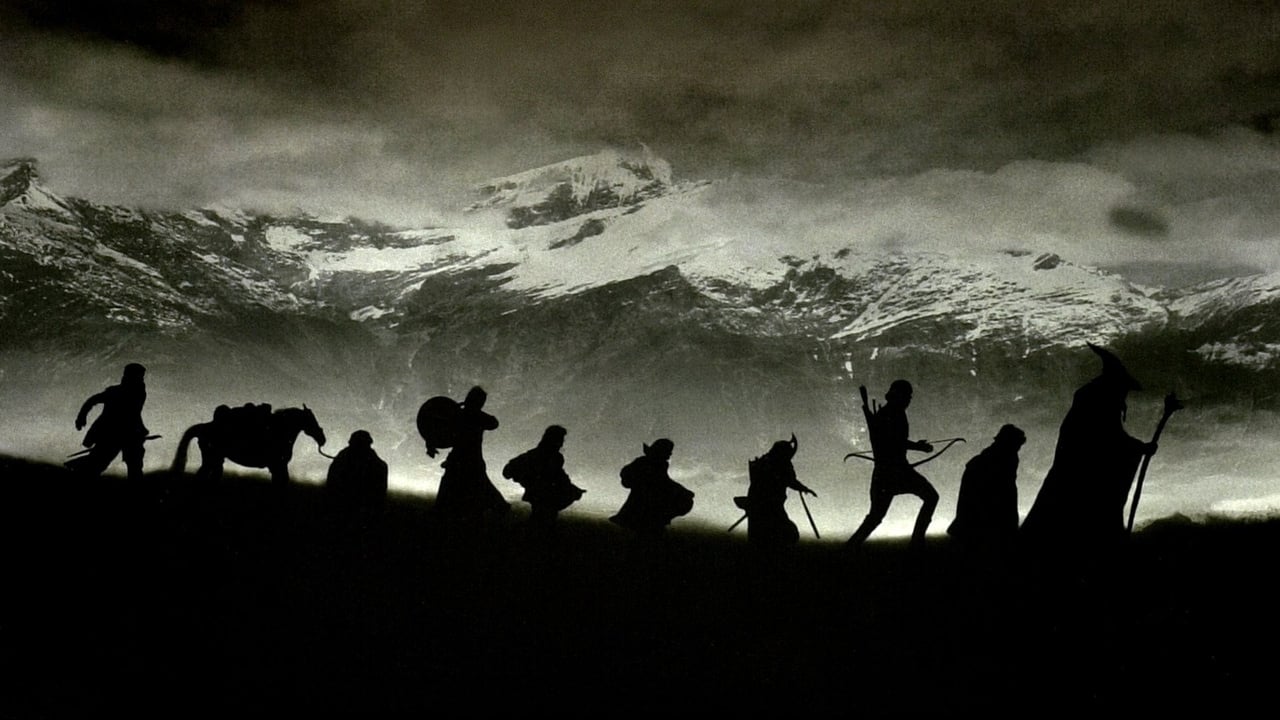
Serkis's return is not just a nostalgic casting. Performance capture has advanced significantly since the original trilogy, and the technology now available to render Gollum is a generation beyond what was possible in 2003. The character that was already a landmark of the technique can now be rendered with a subtlety that was not available the first time. The face that told the story of the Ring's corruption can now tell it in finer detail, and the film's emotional payload depends on that detail.
The risk in the technology is the risk that has attended every advance in the medium, that the technique becomes the spectacle. The original Gollum worked because the performance was the content and the technology was in service of it. The film has to keep that hierarchy intact. The character has to remain a person the audience reads as a person, not a demonstration of what the tools can now do.
What the Fanbase Is Watching For
The Lord of the Rings fanbase is one of the most protective communities in popular culture, and it is protective for a reason. The property has been adapted well and adapted badly, and the difference between the two has been visible enough to make the audience cautious. The reception to The Hunt for Gollum's announcement has been more hopeful than skeptical, and the reason is the specificity of the choice. A Gollum film is not a generic franchise expansion. It is a story about a specific character told by the person who defined that character, and that is the kind of project the audience is willing to trust.
The concern that surfaces is the one that always surfaces with Middle-earth, the question of whether the film will respect the tone of the source material or whether it will sand off the strangeness to reach a wider audience. Tolkien's world is strange, melancholy, and older than the people who walk through it. A film that remembers that is a film worth making. A film that forgets it is a film that did not need to be made.
"A Gollum film is not a generic franchise expansion. It is a story about a specific character told by the person who defined that character, and that is the kind of project the audience is willing to trust."
The Verdict
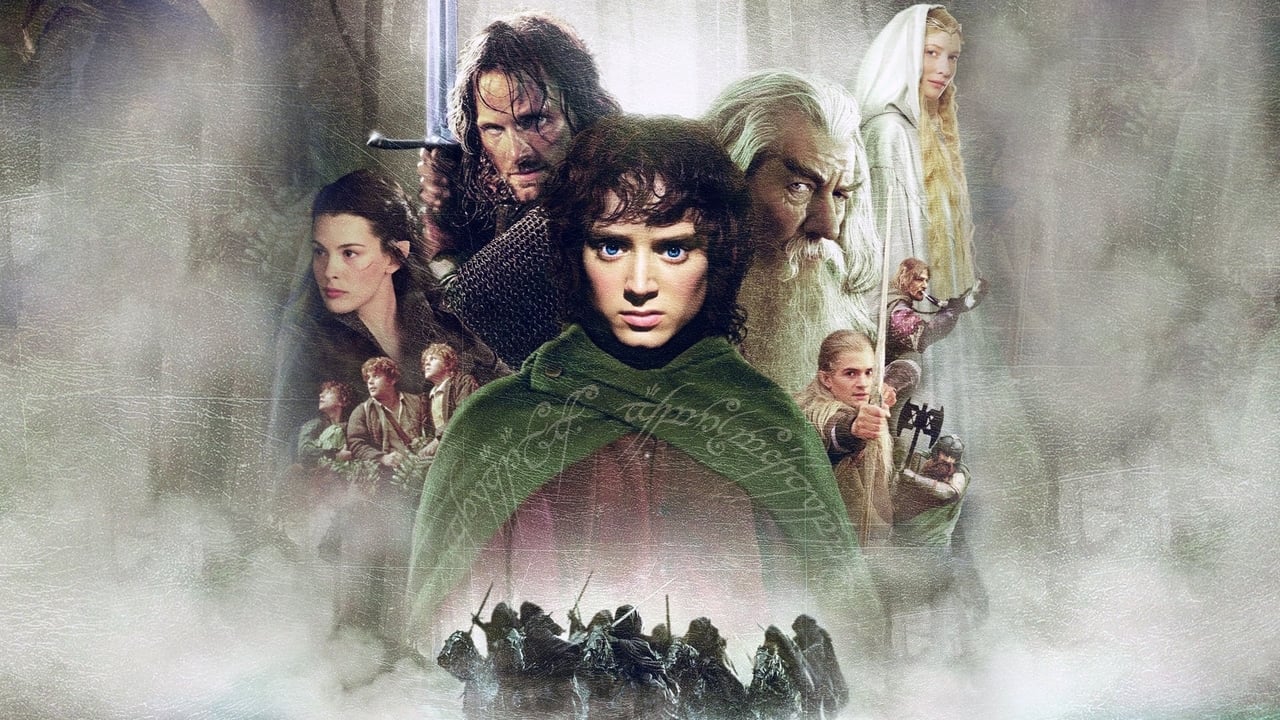
The Hunt for Gollum is the Lord of the Rings project with the best chance of restoring the property to the standard the original trilogy set. The choice of character is the right one, the choice of filmmaker is the right one, and the choice of scope, if the production holds the line, is the right one. Middle-earth has been waiting for a story that is personal rather than epic, and Gollum is the character who can carry it.
The film will succeed or fail on whether it remembers that the strangeness of Tolkien's world is the thing that made it last. The Hunt for Gollum has the material, the performer, and the opportunity to remember. Whether it does is the question the release will answer.
A new journey into Middle-earth is coming, and for the first time in over a decade, the choice of story gives a reason to believe the journey will be worth taking.
Written by StreamRoulette Editorial
You May Also Like


Want More Epic Fantasy to Stream?
StreamRoulette finds the best fantasy films and series available to stream tonight. Spin by genre and let the algorithm decide.
Try StreamRoulette