This article contains major spoilers for Insidious. Read only if you have already seen it.
The Insidious franchise has become a modern horror staple by weaving a complex, non-linear tapestry of astral projection, demonic possession, and family trauma. Spanning over a decade of production, the timeline jumps between decades, leaving many viewers lost in the fog of the Further.
This guide unravels the entire saga, tracking the Lambert family's curse, Elise Rainier's tragic backstory, and the chronological sequence of events that define the series.
The Chronological Beginning: Chapter 3 and The Last Key
The origin story begins well before the Lambert family ever encounters the Lipstick-Face Demon. In Insidious: Chapter 3, we witness the early days of Elise Rainier as she comes out of retirement to help a young girl named Quinn Brenner. This film establishes the foundation of Elise's connection to the Further and introduces her unique ability to communicate with the dead.
Following this, Insidious: The Last Key dives even deeper into Elise’s personal history, taking the audience back to her childhood home in New Mexico. We learn the source of the entity known as KeyFace, whose influence follows Elise well into her adult life. These prequel films provide the necessary context for why Elise becomes the formidable spiritual warrior we see in the later entries.
The Further is a place for the dead. It is a world of spirits and lost souls, a place where the darkness never ends.
The Lambert Haunting: Insidious and Chapter 2
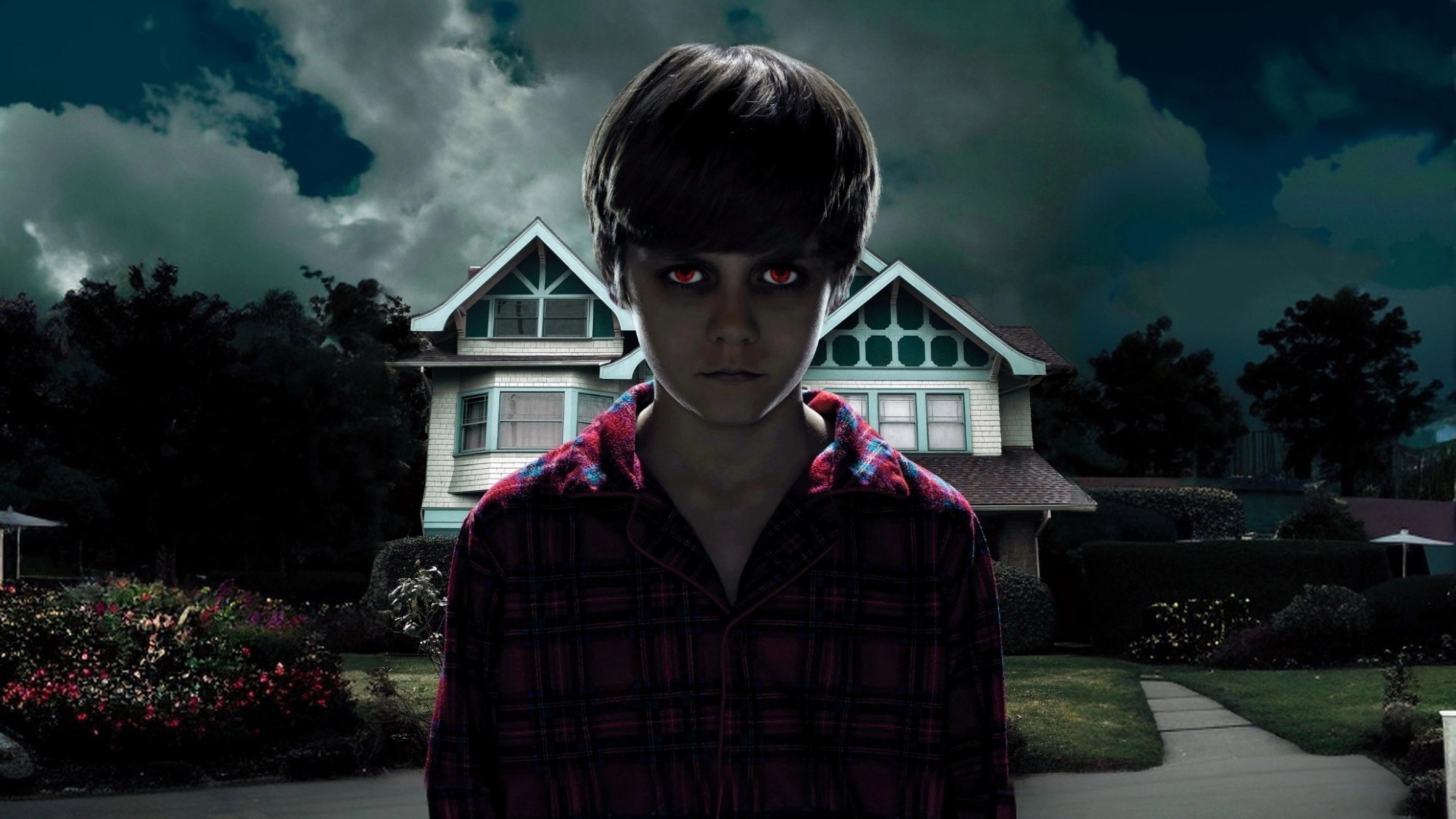
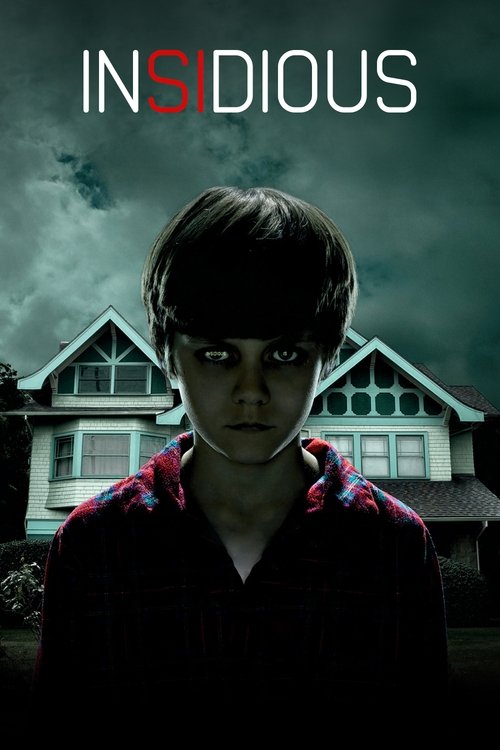
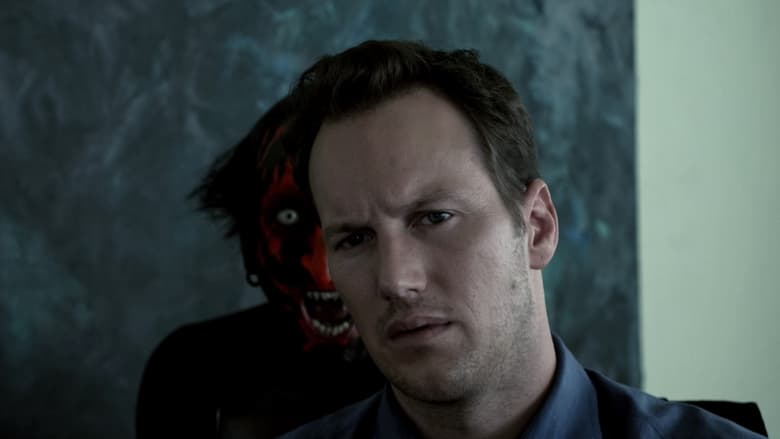
The central conflict of the series kicks off with the original Insidious film, where Josh and Renai Lambert realize their son, Dalton, has been pulled into the Further. This set of events introduces the audience to the terrifying reality of astral projection and the predatory spirits that stalk the living, specifically the Lipstick-Face Demon.
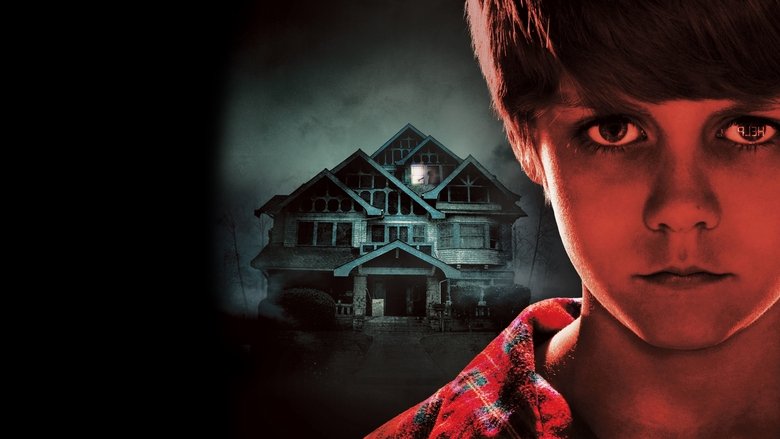
Insidious scene 1
Insidious: Chapter 2 serves as a direct continuation, picking up immediately after the first film. It explores the psychological toll on the Lamberts and reveals the dark secret of Josh's childhood, specifically his past possession by the Bride in Black. The narrative threads here tie the haunting of the Lambert family directly back to the spiritual battles fought in the prequel chapters.
The Final Chapter: The Red Door
The latest installment, Insidious: The Red Door, brings the saga of the Lamberts full circle. Set years after the traumatic events of the previous films, the movie follows a college-aged Dalton as he begins to unlock suppressed memories of the Further. This film acts as a cathartic conclusion to the Lambert arc, focusing on the generational trauma passed down through the family.
What works in this entry is the deepened exploration of the relationship between Josh and Dalton. What did not work for some fans was the shift in tone from pure, jump-scare horror to a more character-driven drama. The verdict remains that it is a poignant, if slightly uneven, ending for the original characters.
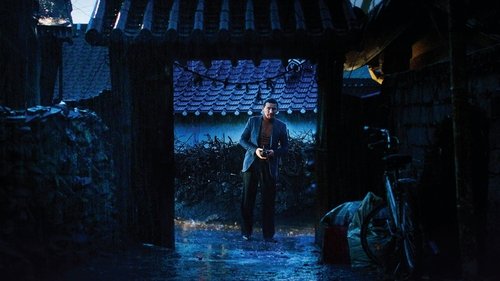
Insidious scene 2
Sometimes, the scariest things aren't the monsters under the bed, but the ones we carry inside our own heads.
What Fans Are Saying
The defenders: Many long-time horror fans appreciate the series for its consistent world-building and the iconic status of Lin Shaye's character, Elise. They argue that the franchise maintains a unique identity that separates it from standard "haunted house" films.
The critics: Conversely, some critics feel that the timeline has become unnecessarily convoluted, with too many jump scares replacing genuine suspense. They suggest the series relies too heavily on the same tropes established in 2010.
Insidious scene 3
The middle: Most viewers agree that while the later sequels struggle to capture the lightning-in-a-bottle success of the original, the emotional stakes surrounding the Lambert family keep the series grounded and worth watching to the final frame.
Conclusion
The Insidious franchise is more than just a collection of scares; it is a story about the boundaries between the living and the dead, and the enduring power of family connection. By understanding the chronological timeline, viewers can better appreciate the depth of Elise's sacrifice and the gravity of Dalton's struggle.
Whether you are revisiting the series or watching it for the first time, the Further is waiting. The saga shows us that while we may try to leave our past behind, some doors are never truly closed, and the spirits that haunt us are often reflections of our own unresolved fears.