
Get Out Ending Explained: The Sunken Place, the Coagula, and the Escape
⚠️ Spoiler Warning
This article contains major spoilers for Get Out. Read only if you have already seen it.
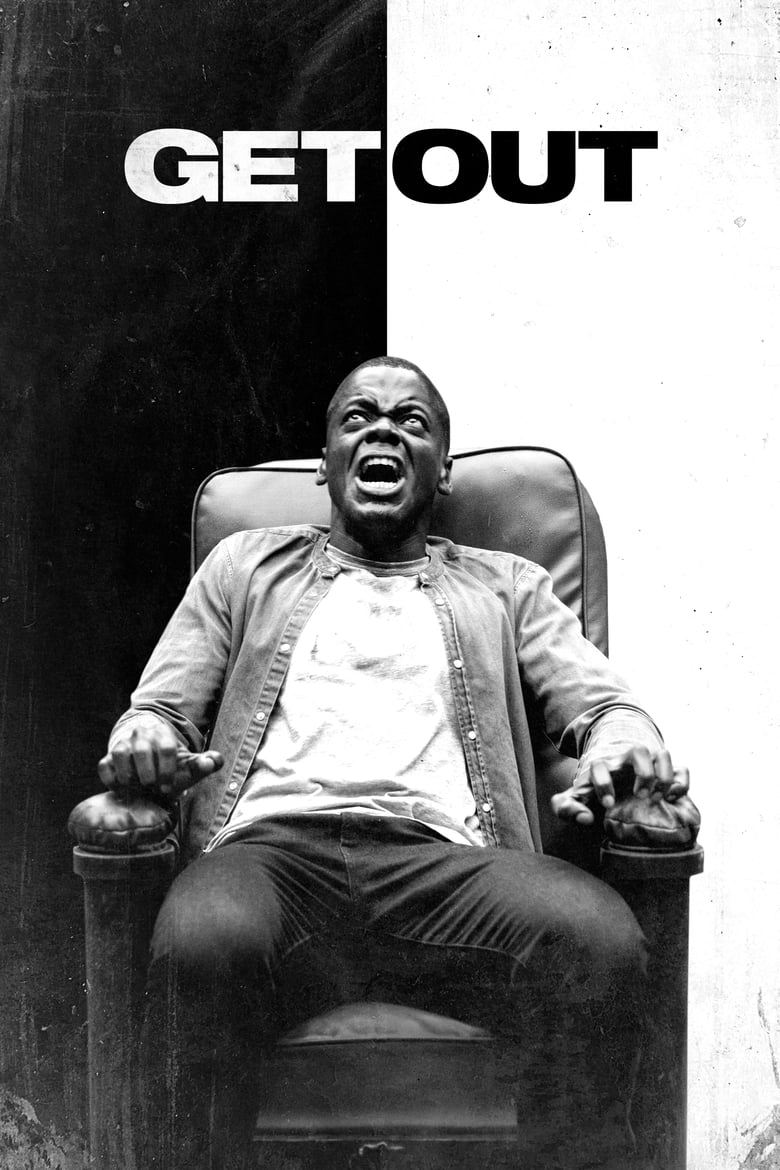
Jordan Peele's Get Out ends with Chris Washington walking out of the Armitage house in cuffs, then not in cuffs, because the man driving the police car is his best friend Rod, not a cop. The film had another ending, one where Chris did not walk out. Here is what is confirmed, what Peele changed, and what the Sunken Place and the Coagula actually mean.
The short answer: Chris escapes and the Armitage family is destroyed. The longer answer is that the film was almost a much darker story, and Peele changed it because the audience needed something the original ending could not give.
Quick Answer
Chris Washington (Daniel Kaluuya), a Black photographer, visits the family of his white girlfriend Rose (Allison Williams) at their estate upstate. The Armitages, led by surgeon Dean Armitage and hypnotherapist Missy Armitage, run a scheme called the Coagula: they lure Black people to the estate, hypnotize them into the Sunken Place, and transplant the brains of wealthy older white clients into their bodies. Chris discovers the scheme, kills Dean and Missy, escapes, and shoots Rose. His friend Rod (Lil Rel Howery), a TSA agent, arrives in a police car and rescues him. The Armitage house burns.
TL;DR: Chris gets out. The Armitages do not. But Peele shot an ending where Chris did not get out, and he changed it.
The Ending, Scene by Scene
Chris, having realized the Armitages intend to transplant the brain of Roman Armitage, Dean's father, into his body, fights his way out. He stabs Dean with the antlers of a mounted deer, kills Missy, and is pursued by Jeremy Armitage and Rose. Chris runs down the road, where Jeremy tackles him. Chris kills Jeremy. Rose shoots at him and wounds him. A police car pulls up. The audience expects the worst. The door opens and it is Rod, in his TSA uniform, who has been looking for Chris the entire film. Chris, bleeding, gets in. They drive away from the burning house. Rose, still alive on the road, is left behind.
"Peele has said the audience's relief when Rod steps out of the car is the point. The original ending had a real police officer step out instead, and Chris taken away. He changed it because the film had already done the horror. What it needed was a hand."
The Sunken Place
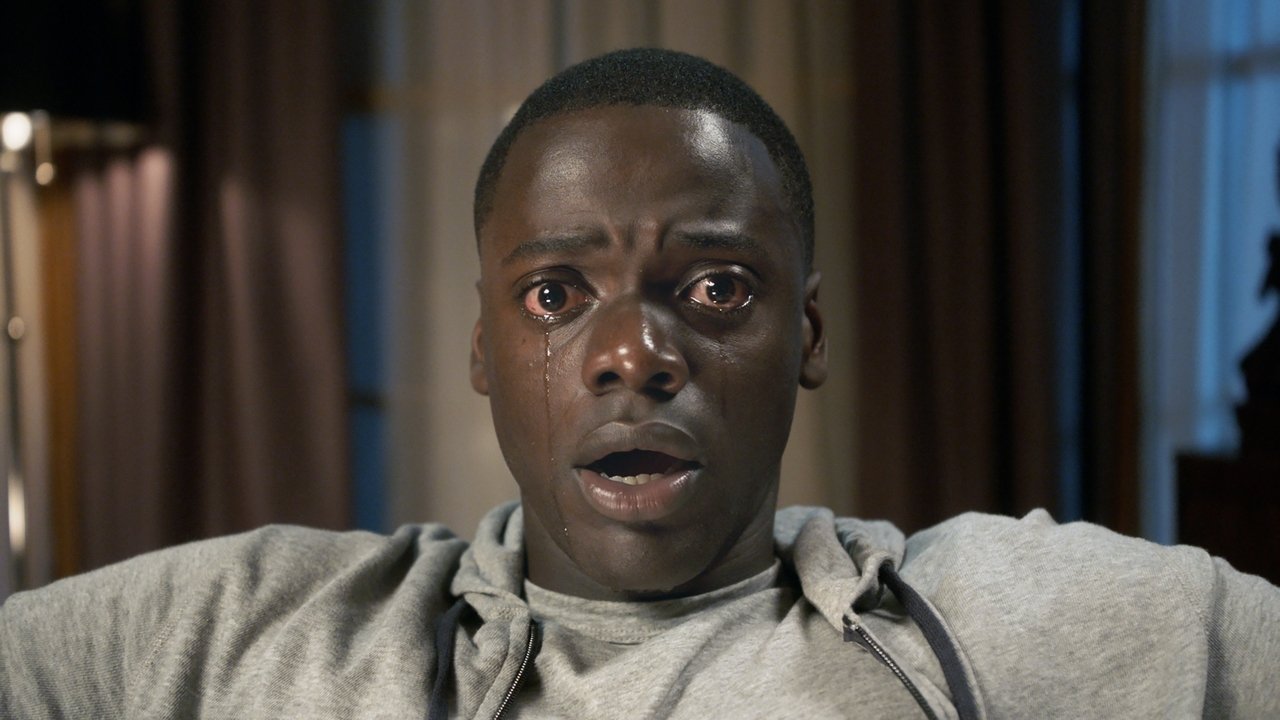
Confirmed: The Sunken Place is the hypnotic state Missy Armitage forces Chris into using a teacup and a spoon. In it, Chris's consciousness is pushed below the surface of his own body, which is then available for the transplant procedure. He can see and hear but cannot move or speak. Peele has said the Sunken Place is a metaphor for the marginalization of Black Americans, the feeling of being present in a system that uses the body while silencing the voice.
Strongly implied: Every Black guest Chris meets at the Armitage estate is a victim of the Coagula already. The man at the party who greets him too warmly, the woman who sobs silently, are bodies whose original owners are trapped in the Sunken Place. The film shows their original consciousness flickering, and the audience understands what is happening before Chris does.
Interpretation: Read the film as a horror about liberal racism, and the Armitages are the smiling hosts who never use a slur but who reduce Black bodies to commodities. Read it as a horror about the body, and the Coagula is the theft of a life by people who can afford to buy one. Both readings are in the text. Peele has said he meant both.
What the Director Has Said
Jordan Peele has said the film was personal, about the experience of being Black in a white space where the welcome feels performed. He has said the horror of the Armitages is not that they are secret monsters but that they are polite, warm, and generous right up to the moment they take you. The film's most frightening scene is the teacup, because the violence in it is invisible.
He has also said he changed the ending after testing. The original cut ended with Chris arrested for the murders at the house and led away in handcuffs, with Rod visiting him in prison unable to help. Peele felt that ending spoke to a real and ongoing injustice, but that after the horror the audience had sat through, the film needed to let Chris survive. The theatrical ending, with Rod, was the result. He has said both endings are true to the film.

The Coagula
The Coagula is the name the Armitages give to their procedure. Dean Armitage, a neurosurgeon, performs the transplant. The older white client's brain is placed in the body of the younger Black victim, who has been hypnotized into the Sunken Place. The original consciousness is suppressed but not destroyed, which is why the victims sometimes flicker through. The procedure is presented as a luxury service, sold to wealthy clients who want new bodies. The Armitages auction Chris at a garden party, the bids made in silence.
The film makes the economics plain. The Armitages are not a cult. They are a business. The horror is that the business is run out of a tasteful country house by people who offer you lemonade.
"Peele called the Sunken Place the feeling of being Black in a system that uses the body and silences the voice. The Coagula is the literal version. The Armitages are the smile on the system's face. The film ends with Chris walking out, but only because Rod walked in."

Frequently Asked Questions
Does Chris kill Rose at the end of Get Out?
Yes. After escaping the Armitage house, Chris shoots Rose and leaves the family destroyed. The original cut had Chris arrested, but Jordan Peele changed the ending after test audiences rejected the bleak version.
What is the Sunken Place?
The Sunken Place is the hypnotic state Missy Armitage forces Chris into. In it his consciousness is paralyzed and pushed below the surface while his body is controlled. Peele has described it as a metaphor for the marginalization of Black Americans.
What is the Coagula procedure?
The Armitage family transplants the brains of older white people into the bodies of younger Black people they have lured. The host consciousness is suppressed into the Sunken Place. The procedure is called the Coagula.
Why did Jordan Peele change the ending?
The original ending had Chris arrested for the murders at the house, speaking to systemic injustice. Peele felt audiences needed hope after the horror, and the theatrical ending with Rod arriving as a rescue was the result.
Final Verdict
Get Out ends with Chris getting out, but the film almost did not let him. Peele shot a version where the system won, where the police car was a police car, and Chris went to prison for surviving. He changed it because the audience needed the hand. The horror of the film is how plausible the dark version still is. The relief of the theatrical cut is how thin the margin was.
Chris got out because his friend came looking for him. The film says that plainly, and it is the whole answer.
Related Ending Explained Guides
Written by StreamRoulette Editorial
You May Also Like


Not Sure What to Watch Next?
StreamRoulette picks your next film in seconds — based on mood, genre, or platform.
Try StreamRoulette