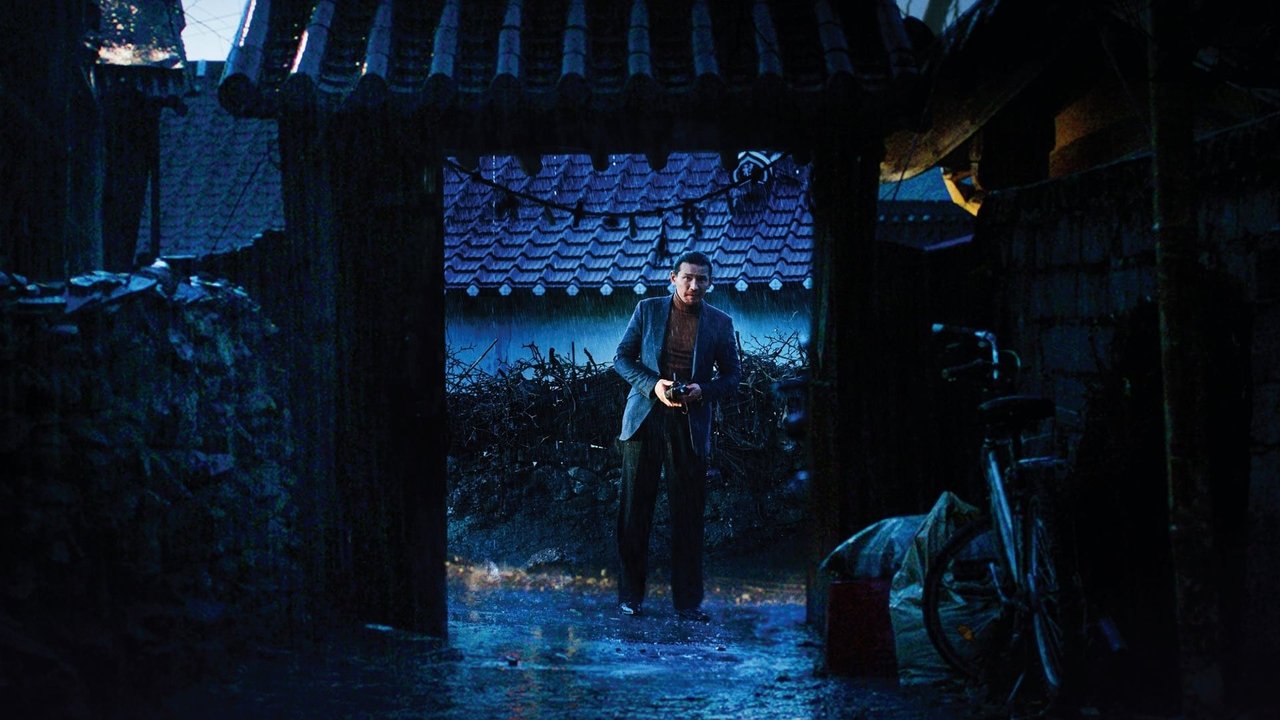
The Wailing Ending Explained: Who Is the Demon?
⚠️ Spoiler Warning
This article contains major spoilers for The Wailing (Gokseong). Read only if you have already seen it.

Na Hong-jin's The Wailing is a horror film built on a single refusal: it will not tell you who is evil. A village is plagued by a sickness. A Japanese stranger arrives. A shaman performs rituals. A woman in white appears. Every one of them could be a savior or a deceiver, and the film keeps every answer just out of reach.
Here is what the ending shows, what is strongly implied, and why the ambiguity is the film's actual subject.
Quick Answer
The Japanese stranger is strongly implied to be the demon. The woman in white, Moo-myeong, is the guardian spirit trying to stop him. The shaman, Il-gwang, is ambiguous, with a deleted scene suggesting he collaborates with the stranger. In the end, the officer Jong-goo ignores the woman in white's warning, returns home before the black rooster crows, and his possessed daughter dies. The demon's trap closes. Na Hong-jin has built the film so that certainty itself is the horror.
The Ending, Scene by Scene
Jong-goo's daughter Hyo-jin falls ill, like the other possessed villagers. The shaman Il-gwang performs an exorcism that appears to worsen her condition. The woman in white tells Jong-goo that the shaman is the deceiver and that he must not return home until a black rooster crows three times. Fearful for his daughter, Jong-goo ignores the instruction and goes home. The rooster has not crowed. The demon's photo trap, the woman's warning, the shaman's ritual, all converge. Hyo-jin kills her family and dies. The stranger is dead, killed by a priest's companion, but the damage is done.
"Na Hong-jin has said the film is about uncertainty, the inability to know why people suffer. The ending does not withhold a hidden answer. It argues that no clean answer exists."
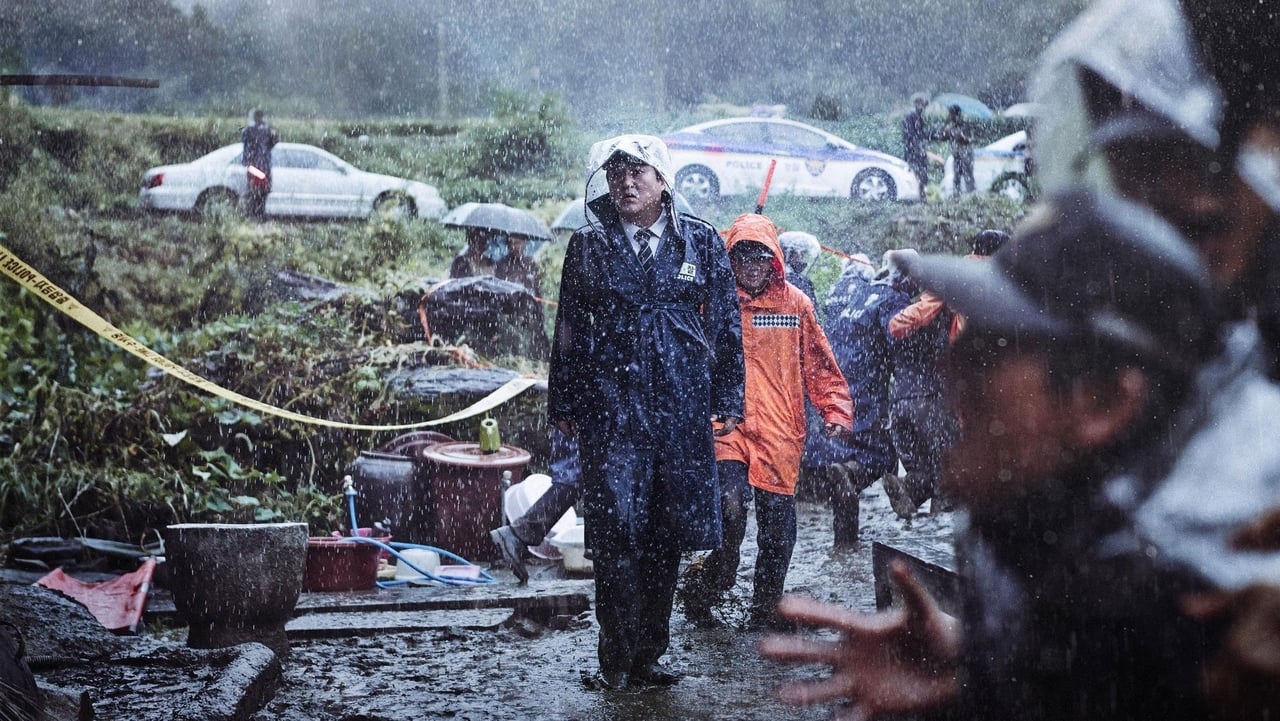
Who Is the Japanese Stranger?
Strongly implied: The stranger is a demon. He keeps animal heads, photographs his victims, and is seen transforming. The film's most concrete evidence is a deleted scene, referenced in discussions of the film, in which the shaman goes to the stranger's house and collects objects, suggesting the two work together.
Intentionally ambiguous: Na Hong-jin has refused to state plainly that the stranger is the demon. He has described the film as being about the impossibility of knowing why bad things happen. The stranger may be a demon, or a scapegoat the village projects its fear onto. The film supports both.
The Woman in White and the Shaman
The woman in white, Moo-myeong, whose name means "no name," appears as a guardian trying to protect Hyo-jin. She gives Jong-goo a precise test of faith: wait for the black rooster. The shaman Il-gwang performs a ritual that seems to bind the demon more tightly into Hyo-jin, not free her. The film sets these two against each other and refuses to confirm which is the true protector. That refusal is the engine of the final scene.

Why the Ending Punishes the Officer
Interpretation: Jong-goo loses because he acts on fear instead of trust. The woman in white gave him a clear instruction and a clear reason. He could not wait. The Wailing reads as a theological horror: evil wins not by force but by exploiting the human inability to believe the right person at the right moment. The demon's trap was not the possession. It was the doubt.
Frequently Asked Questions
Who is the Japanese stranger in The Wailing?
The film strongly frames him as a demon. In a deleted scene, the shaman is shown collecting objects at the stranger house, implying collusion. The director, Na Hong-jin, has refused to confirm it outright and frames the story around the impossibility of knowing.
Who is the woman in white?
She is Moo-myeong, a name that translates to "no name." She appears to be a guardian spirit who tries to protect the officer daughter and warn him. Whether she is good or another deceiver is one of the film intentional ambiguities.
Is the shaman good or evil?
Ambiguous by design. The shaman Il-gwang performs an exorcism on the daughter, but it appears to strengthen the possession rather than cure it. A deleted scene suggests he works with the Japanese stranger, but within the released film his allegiance stays unresolved.
Why does the officer daughter die?
Because Jong-goo ignores the woman in white warning not to return home before the black rooster crows. He goes home, completing the trap. The film frames the death as the consequence of acting on fear instead of trust.
Final Verdict
The Wailing does not have a hidden solution to decode. It has a thesis to experience: in the presence of real evil, certainty is a luxury and faith is a gamble, and most people will gamble wrong. The strongest reading is that the Japanese stranger is the demon and the woman in white is the guardian, but the film is honest that even this reading requires you to trust a voice you cannot prove.
The horror is not the demon. The horror is that you cannot be sure which voice is telling the truth until it is too late.
Related Ending Explained Guides
Written by StreamRoulette Editorial
You May Also Like


Not Sure What to Watch Next?
StreamRoulette picks your next film in seconds — based on mood, genre, or platform.
Try StreamRoulette