This article contains major spoilers for The Rings of Power. Read only if you have already seen it.
The Rings of Power brings the sweeping scale of Middle-earth back to our screens, but even the longest seasons leave a void when they finally conclude. Finding another series that captures that specific blend of high-stakes political maneuvering and grand, mythic wonder is a tall order.
This guide highlights five epic fantasy series that match the world-building ambition, high fantasy atmosphere, and intricate character arcs that define your favorite Middle-earth adventure.
The Witcher: A Darker Path into Folklore
What worked: The Witcher excels at grounding high fantasy in the grit of a world that is fundamentally cruel. While it shares the continental scope of Tolkien, it swaps the binary struggle of light versus dark for a nuanced look at monsters, both literal and metaphorical. Geralt of Rivia provides a perfect anchor for viewers who prefer their heroes a little more morally grey.
What did not work: The show has struggled with consistency in its narrative structure across later seasons, often leading to confusion for viewers who are not familiar with the source material or the games. The shift in lead actors also caused a disconnect that some fans found difficult to overcome.
The verdict: This remains an essential watch for anyone who loves deep lore and creative creature designs. It treats its fantasy elements with a grounded, lived-in texture that feels uniquely dangerous.
The Witcher offers a harsh, visceral look at a world where legends are often built on blood and the choices of the powerful leave the weak to suffer.
Shogun: Political Intrigue on a Grand Scale
What worked: Shogun proves that you do not need magic to create a fantasy-level experience of scale and consequence. The power struggles within the Japanese feudal system mirror the internal conflicts of the elves and men in The Rings of Power with striking precision.
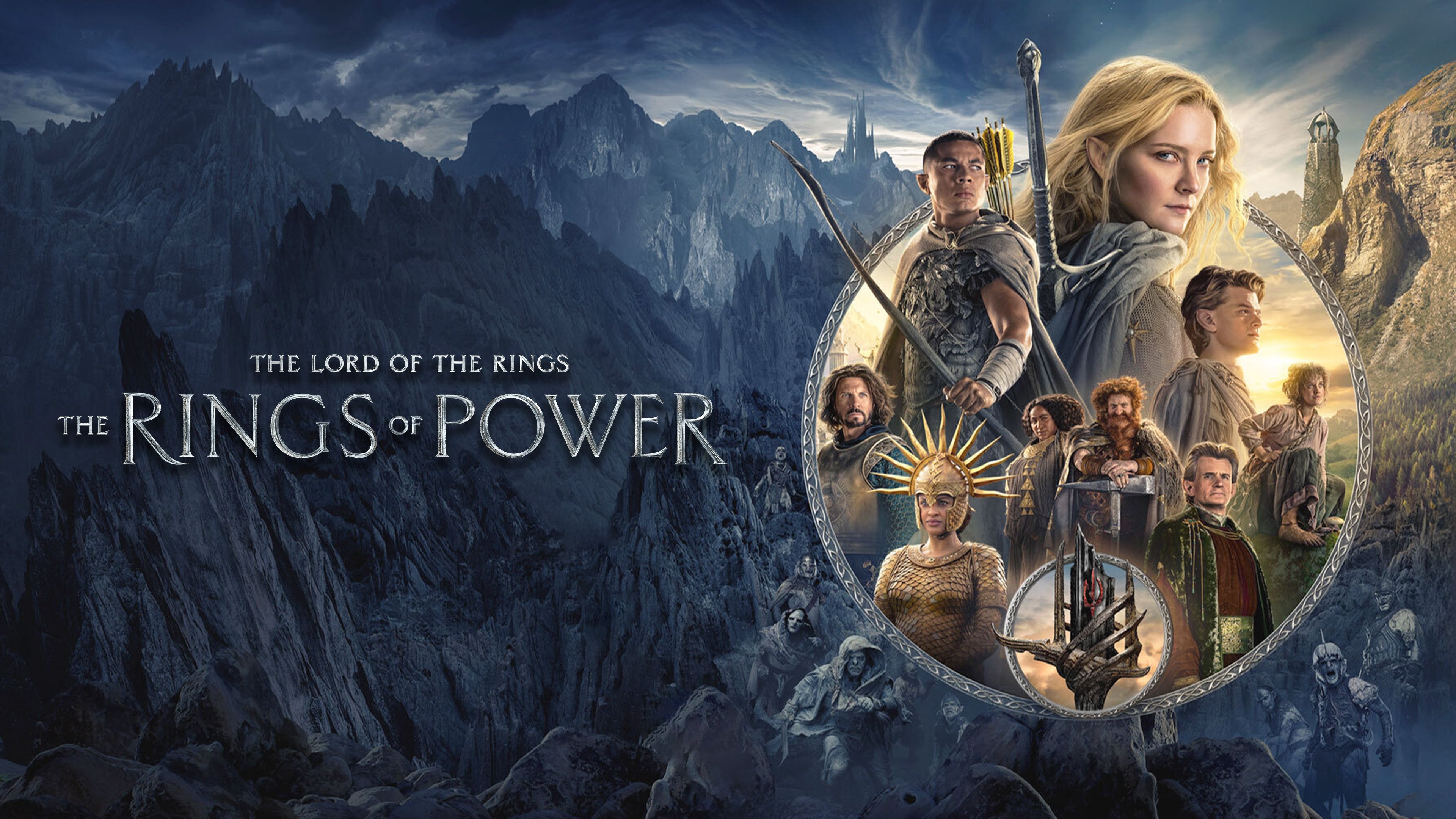
The Rings of Power scene 1
What did not work: Those looking for traditional high-fantasy tropes like dragons or wizards might find the lack of supernatural elements jarring at first. The pacing is deliberate and favors long-form political tension over explosive battle sequences.
The verdict: For those who found the political maneuverings of Numenor to be the most compelling part of their recent viewing, Shogun is a masterpiece of strategy and character development.
The Wheel of Time: Exploring Myth and Destiny
What worked: If you enjoy the sensation of unfolding a massive, map-based fantasy world, The Wheel of Time is the closest peer to the scale of Middle-earth. It features a sprawling ensemble cast and a magic system that feels ancient and mysterious.
What did not work: Critics often point out that the show takes significant liberties with its source material, which can alienate long-time fans of Robert Jordan's books. The CGI quality has also been a point of contention for some viewers expecting a film-quality polish.
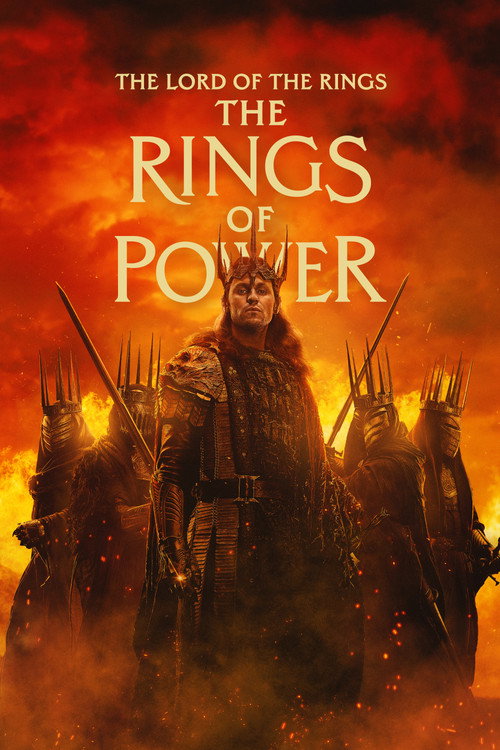
The Rings of Power scene 2
The verdict: It remains a bold, ambitious adaptation that captures the epic scope and heavy burden of destiny that often defines the best high fantasy stories.
Destiny is not a destination but a cycle that demands sacrifice from those bold enough to believe they can change the ending.
Game of Thrones: The Gold Standard of World-Building
What worked: It set the blueprint for modern prestige fantasy. The world of Westeros is defined by its history, its conflicting religions, and the heavy weight of its past, much like the Second Age of Middle-earth. The political stakes feel visceral because the consequences for failure are always permanent.
What did not work: The final season remains a polarizing chapter in television history. Many fans felt the character arcs were rushed and the complex plotting was abandoned for spectacle, leaving a bittersweet taste for those who loved the meticulous construction of the earlier seasons.
The verdict: Despite a contentious ending, the first several seasons provide an unparalleled masterclass in building a world that feels as deep as the history books of a real civilization.
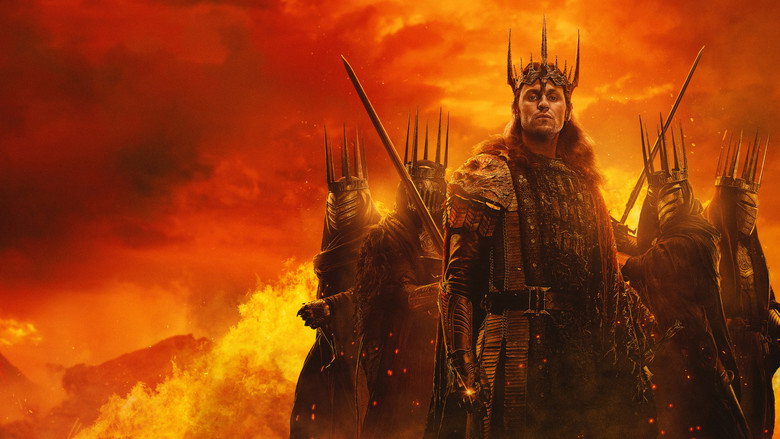
The Rings of Power scene 3
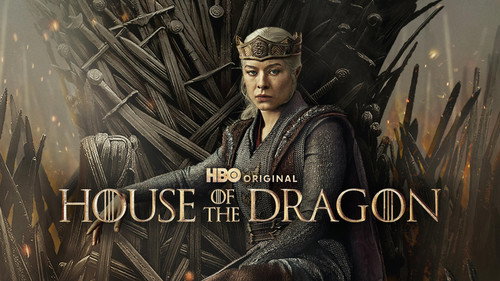
House of the Dragon: A Focus on Dynasty and Internal Conflict
What worked: By narrowing the focus to a single family tree, this show achieves a level of psychological depth that many fantasy epics miss. It explores how absolute power corrupts relationships, turning siblings and parents into bitter rivals, all against the backdrop of an impending civil war.
What did not work: The slow burn approach to its narrative means that some episodes can feel like they are spinning their wheels while waiting for the next major firestorm. It requires patience for those who prefer the constant forward momentum of faster-paced action series.
The verdict: It is the best current example of how to make high fantasy feel personal, grounded, and intensely emotional.
Dynasty is the heaviest chain a person can wear, and in the game of power, the weakest link is usually the heart.
Conclusion
The search for your next obsession is rarely about finding a carbon copy of what you have already enjoyed. Instead, it is about identifying the specific elements of a show that resonate with you, whether that be the political chess matches or the sheer scale of the world. Each of these five recommendations offers a unique gateway into a different corner of the fantasy genre, ensuring that no matter what keeps you coming back to Middle-earth, you will find a new world to call home.