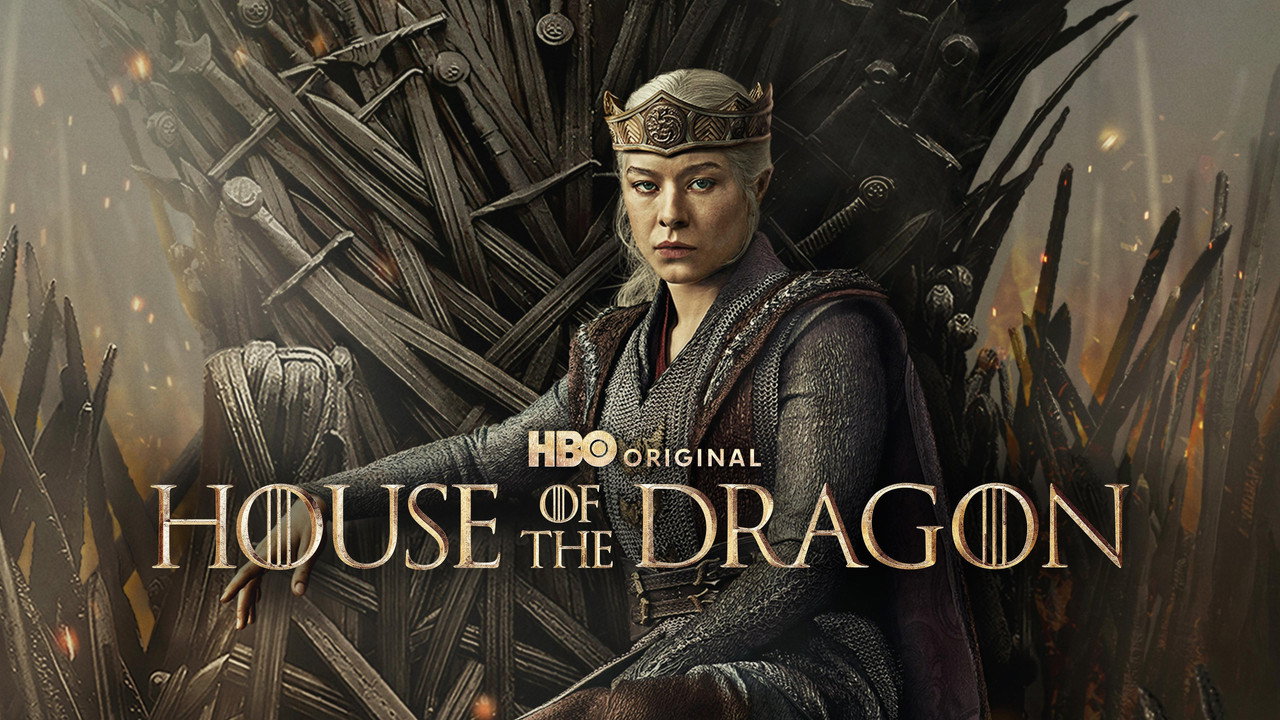
House of the Dragon Season 3 Ends in Fire, Blood, and a Queen Who Finally Stops Holding Back
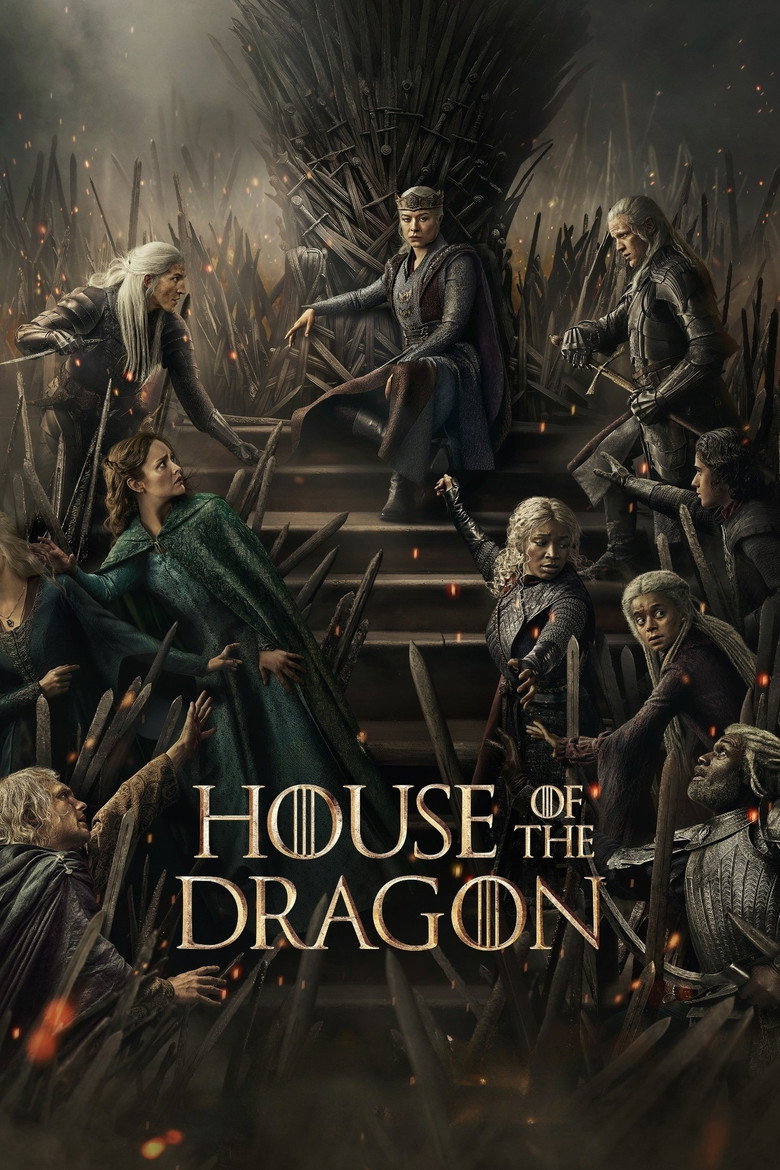
House of the Dragon closed out its third season on August 9 with "The Treasons at Tumbleton," an episode that finally lets Rhaenyra Targaryen stop being a bystander to her own war and start driving it. After eight episodes of patience, restraint, and Small Council meetings that went nowhere, the dragon queen crashed out, and the fandom is as divided about the result as it has been all season.
The finale delivers the Battle of Tumbleton, the death of Helaena, the first cracks of the dragonseed betrayal, and a Rhaenyra who declares herself the Prince That Was Promised in front of a stunned King's Landing. With one season left, the show has finally run out of room to wait.
Spoiler Warning: This article discusses the full events of the House of the Dragon Season 3 finale, "The Treasons at Tumbleton," including major character deaths, the Battle of Tumbleton, and the ending. If you have not watched yet, bookmark this and come back. You will want to go in clean.
Season 3 of House of the Dragon arrived carrying nearly two years of expectation and the lingering frustration that Season 2 spent its finale setting up a battle the audience would not see for almost 22 months. The premiere, "Salt and Sea, Fire and Blood," paid off the Battle of the Gullet in spectacular fashion, and the season that followed tried to balance the spectacle the franchise demands with the intimate political drama that made Game of Thrones matter. The finale is where that balancing act finally tips, and where the show decides what kind of story it is in its final stretch.
The Battle of Tumbleton: A Victory That Feels Like a Defeat
The finale's centerpiece is the Battle of Tumbleton, and it is the most sustained land engagement the show has produced since the Battle of the Blackwater. Daemon Targaryen (Matt Smith) marches on the town to root out Lord Ormund Hightower (James Norton) and the Hightower host, and the assault runs into the kind of snags that make a battle feel real rather than choreographed. Ormund has tricks up his sleeves, and the episode takes its time showing how a war plan falls apart the moment it meets the enemy.
The cost is enormous. Ormund dies, but so does Roderick Dustin and a large portion of the Northern troops that had been so useful in the Riverlands. The NPR recap called the battle a certified disaster, and the math bears that out. Rhaenyra began the finale with six dragons. By the end she is down to a single truly healthy, reliable one and a collection of question marks. The "absolute power" Daemon references at the top of the episode has evaporated by the time the credits roll.

The dragonseed betrayal, the season's slowest-burning plot, finally ignites here. Hugh the Hammer finds the body of his wife Kat, dead in part because of an attack Rhaenyra sanctioned, and the grief breaks him. He abandons his post. Ulf White turns traitor by the episode's end. The book's version of this betrayal, in which Ulf and Hugh on Vermithor and Silverwing lay waste to the armies they were supposed to protect, is one of the most devastating turns in Fire and Blood, and the show is finally positioning the pieces for it. The finale does not complete the betrayal. It sets the fuse.
Rhaenyra's Crash-Out: The Prince That Was Promised
Away from the battlefield, the episode's defining moment belongs to Rhaenyra. The Ringer called it a crash-out, and the word fits. After learning that Aegon is alive, Rhaenyra marches to the sept and orders the High Septon to anoint her. When he and his retinue refuse, she has Alyn and her guards kill them all. She steps out before the crowd in chainmail and a crown and delivers a speech about the prophecy of Ice and Fire, the sacred quest to prevent a great evil, and ends in High Valyrian: "I am the prince that was promised."
The crowd meets the speech with stunned silence, and the show clearly knows the moment is meant to be uncomfortable. Even her own supporters glance askance. This is the episode where Rhaenyra stops being the restrained, pacifist-leaning queen the show has spent two seasons constructing and becomes the desperate, bloodthirsty monarch the source material always had her becoming. She grounds Baela, confining her and her dragon to the Red Keep after Baela accuses her of using people as tools. She shows no affection to her heir Joffrey. The only warmth she shows is to Daemon, discussing the assault on Tumbleton.
"This is the episode in which Rhaenyra stops being a bystander to the plot and begins driving it. Finally, we are done with Small Council meetings that go nowhere." — The Ringer, Talk the Thrones

Helaena's Death and the Tapestry
The episode's most haunting sequence belongs to Helaena (Phia Saban). Kept prisoner in the Red Keep, the prophetic dreamer refuses to eat. When she tells Rhaenyra that everything here is ugly and that Rhaenyra herself is ugly, Rhaenyra loses her composure and has her guards force-feed her. It is Mysaria, newly exiled and already exacting revenge, who tells Helaena that Aegon lives and that her baby will be a hostage. That information, and the vision of what she will become if she stays, pushes Helaena to the window.
Helaena throws herself from a Red Keep tower onto the battlements below. When Rhaenyra learns of it, her face shows almost no regret. She walks to the window and stares not at the city but at the tapestry Helaena had been embroidering. It shows Helaena falling from the tower, weeping. It shows Rhaenyra on the Iron Throne, surrounded by fire and blood. The season ends with Rhaenyra facing away from the camera, silently closing the window Helaena had just thrown herself out of. It feels, as The Ringer put it, like the beginning of the end.

The death has its critics. Forbes reviewer Erik Kain called Helaena's suicide more contrived here than in the book, arguing it feels unlike the character to kill herself while her daughter remains alive and in Rhaenyra's clutches. The show's version leans on Mysaria's cruelty rather than Helaena's own despair, and for some viewers that substitution weakens the moment. For others, the tapestry and Phia Saban's performance earn it. The divide is the season in miniature.
The Prophecy Problem
The finale also crystallized the season's most persistent complaint. The prophecy of Ice and Fire, the supernatural motive the show grafted onto a story that was originally about dynastic succession and patriarchal power, has been a source of frustration since Season 1, and the finale puts it center stage. Rhaenyra's sept speech is built entirely around it, and the criticism is that it gives the main characters supernatural motives rather than human ones.
The argument, made forcefully in the Forbes review, is that the reason Rhaenyra wants the crown is that her father promised it to her, and the reason many do not support her is that she is a woman. That is a dynastic struggle rooted in antiquated monarchical and patriarchal belief systems. Prophecies have nothing to do with it, and injecting them makes an otherwise mature political drama feel like cheap television fantasy. Whether you agree with that read or not, it is the criticism that has shadowed the show all season, and the finale did nothing to defuse it.
"The prophecy detracts from the story of civil war and dynastic succession and could have been dispensed with altogether even in Season 1. It makes an otherwise mature political drama feel like cheap television fantasy." — Erik Kain, Forbes

The Whole Season in Review: Messy, Thrilling, Maddening
Stepping back from the finale, Season 3 as a whole is the messiest season of House of the Dragon thus far, and also the most engaging. The Variety review called it a less sleepy season, cranking up the action and returning to the Rhaenyra and Alicent dynamic that has always been the show's engine. The Hollywood Reporter was harsher, calling the season too packed, too narratively rushed, and arguing that the surplus of dragons has become somewhat anticlimactic, while still naming episodes 3 and 4 the best House of the Dragon episodes to date for being funnier, smarter, and more intimate.
What worked across the season: The Rhaenyra and Alicent scenes are the heart of the show, and Emma D'Arcy and Olivia Cooke imbue them with the weight of a history the convoluted plotting often obscures. Matt Smith remains wonderfully hammy as Daemon. Gayle Rankin's Alys Rivers is unsettling in the best way. Phoebe Campbell's Rhaena, discovering and riding Sheepstealer, gives the show a thread of haunted wonder. James Norton as Ormund Hightower is the best of the new faces. When the season slows down enough to let these people breathe, it is the best fantasy on television.
What did not work across the season: The pacing. The season carries the structural problem it inherited, a Season 2 finale that table-set instead of delivered, and it never fully recovers. Too many similar-looking characters with similar-sounding names. A surplus of dragons that should feel awesome and increasingly feels anticlimactic. The prophecy, which the finale doubled down on rather than resolving. The Collider review called the season a fiery triumph, and the Looper review said it is better than ever, but the Yahoo review landed closer to the consensus: bigger and darker, with mixed results.
What Fans Are Saying
The reception has fractured along familiar lines. The r/asoiaf book readers thread called the finale fantastic and praised the spectacle and the dragons, while the r/HOTDGreens thread titled the season "another sad disappointment" captured the opposing camp. The r/television season review thread settled on the read that has defined the conversation: the messiest season thus far, but incredibly engaging, with none of its threads feeling fully thought-out in the grand scheme.
The defenders: Forbes called the finale an episode rivaling the best of Game of Thrones, and the NPR recap leaned into the spectacle and the tapestry's tragic weight. For this camp, the finale's willingness to let Rhaenyra finally act, and to pay off the season's slow burns, is enough to forgive the mess.
The critics: The YouTube review that called the finale deeply frustrating because it never quite paid off the messy, ambitious buildup is representative of the harshest read. The complaint is that the show keeps promising a landing it does not stick, and the finale is another instance of a climax that resolves without quite delivering.
The middle: The largest group liked the season without loving it, thrilled by the spectacle and frustrated by the pacing, and ready to see how the final season pays everything off. That is a fair summary of where the consensus actually lands. House of the Dragon Season 3 is a season with a clear ceiling and a real floor, and most viewers land somewhere between them.
What It Means for the Final Season
The bigger question is what Season 3 tells us about the endgame, and the answer is that the show has finally committed to one. With just one season left before House of the Dragon reaches its conclusion, the finale leaves Rhaenyra with a single healthy dragon, a traitor in her ranks, a dead half-sister whose prophecy is still unfolding, and a public claim to supernatural destiny that has alienated even her allies. The absolute power Daemon described at the top of the finale is gone. What remains is a queen who has finally stopped holding back, facing a war she can no longer win cleanly.
The dragonseed betrayal: Hugh and Ulf's turn is the season's dangling fuse, and the final season will have to detonate it. The book's version is devastating, and the show has spent Season 3 earning it.
Rhaenyra's arc: The crash-out is complete. The final season will be about a queen who has chosen fire and blood over patience, and the question is whether the show can make that descent feel earned rather than imposed. The finale suggests it can, if it trusts Emma D'Arcy the way the source material trusts the character.
The prophecy: The show has doubled down on it, and the final season will have to either pay it off or pay for it. There is no middle road left.
Our Take
"The Treasons at Tumbleton" is the finale Season 3 needed and the finale the show has been promising since the Battle of the Gullet. It is also the most frustrating episode of the season, and that contradiction is exactly why the fandom is so divided about it.
What worked: The Battle of Tumbleton is the best land engagement the show has produced. Rhaenyra's crash-out is the character turn the season has been building toward, and Emma D'Arcy plays the descent with a coldness that finally matches the book's version of the queen. Helaena's death and the tapestry are haunting, and the dragonseed betrayal is set up with real weight. The finale moves the show more than any episode since the premiere.
What did not work: The prophecy speech is the season's worst moment, and the show's decision to make it the finale's centerpiece is a choice that will age badly. Helaena's suicide is more contrived than the book's version, and the reliance on Mysaria's cruelty rather than Helaena's own despair weakens a death that should have been the episode's most earned. The pacing problems that have shadowed the season all along are still here, and the finale resolves without quite delivering the catharsis the buildup promised.
The verdict: House of the Dragon Season 3 is the messiest, most thrilling, and most maddening season of the show so far. It wants the prestige of faithful adaptation and the freedom to rewrite major plot beats for television. It wants Rhaenyra to be a hero and a tragic figure. It wants dragons to be weapons of mass destruction and characters with agency. Sometimes these contradictions produce extraordinary television. Sometimes they produce a finale that resolves without quite landing. "The Treasons at Tumbleton" contains both versions of the show, and which one you see depends on what you came looking for.
The dragon queen has finally stopped waiting. With one season left, there is no time to wait anymore.
Written by StreamRoulette Editorial
You May Also Like


Waiting for the Final Season? Watch Dragons and Fantasy Epics Tonight
StreamRoulette finds the best fantasy, action, and epic series to stream right now. Spin by genre and let the algorithm pick your next binge.
Try StreamRoulette