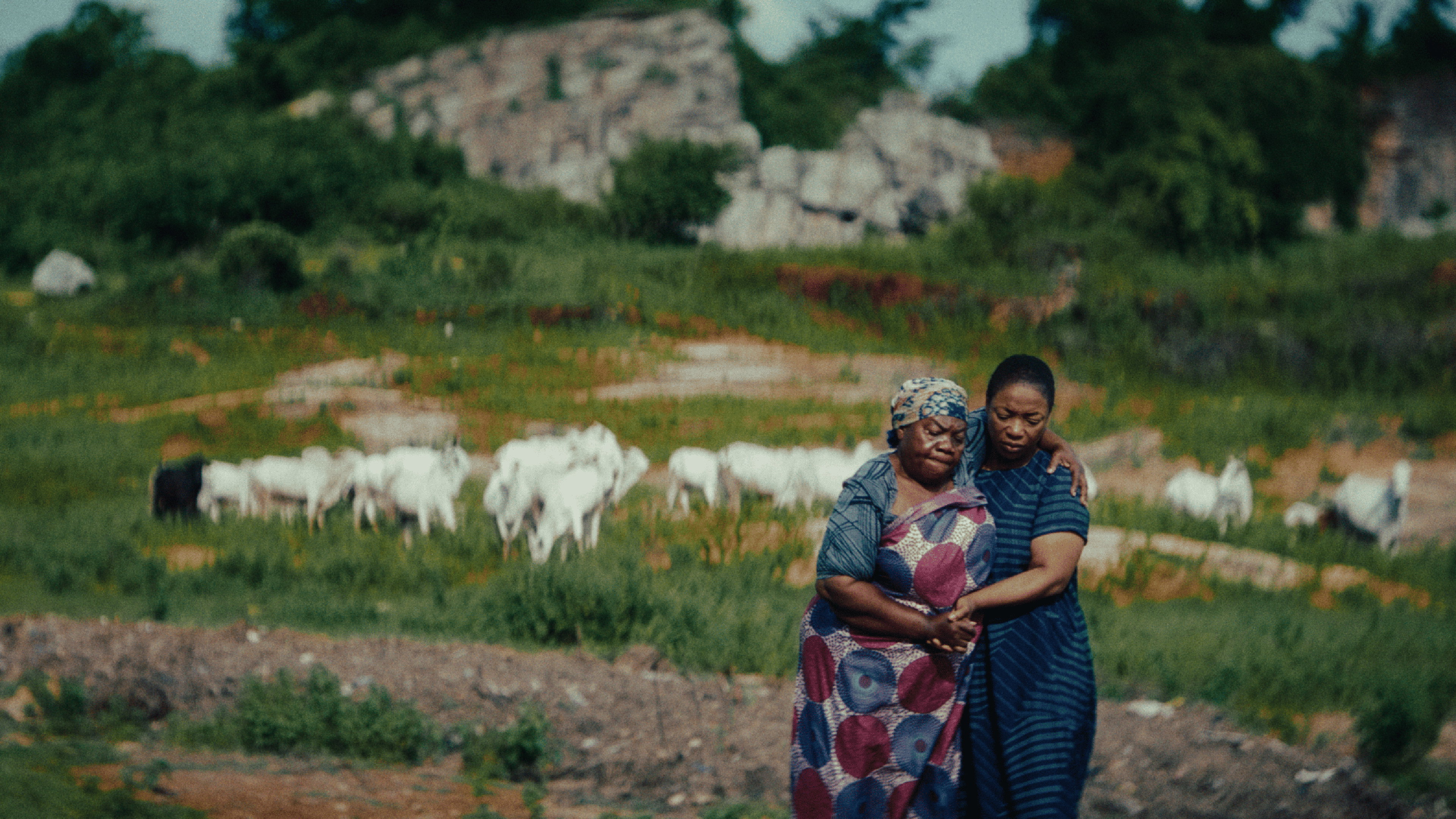
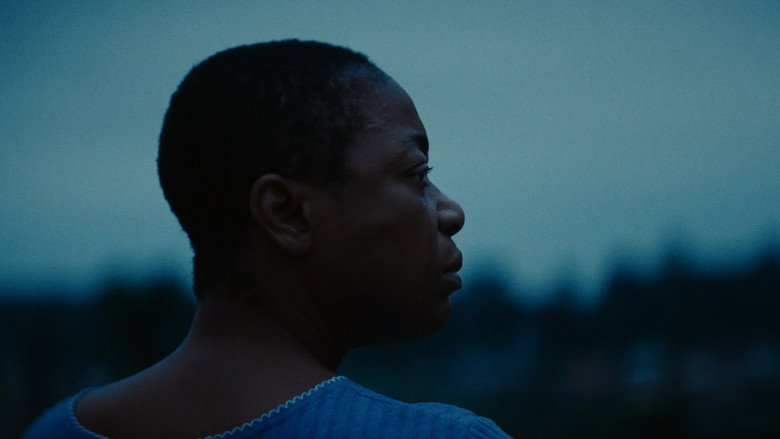
Set against the vibrant yet turbulent backdrop of 1990s Nigeria, Dear Ajayi captures the fragile reunion of two estranged sisters forced to share a home while caring for their ailing mother. Director Damilola Orimogunje crafts a deeply intimate portrait of familial duty, artistic ambition, and the quiet struggles of women navigating a patriarchal society.
This article explores the creative origins of the film, the real-world inspirations behind its characters, and why this award-winning drama made history as the first Nigerian selection at the Venice Film Festival's Giornate degli Autori.
The Creative Genesis of a Decade-Long Project
Director Damilola Orimogunje spent nearly eight years nurturing the script for Dear Ajayi, a process that allowed the narrative to evolve alongside his own growth as a filmmaker. While the project was initially conceived as his debut feature, practical challenges regarding financing and production necessitated a long development pipeline across Africa, Europe, and North America. This delay proved to be a blessing in disguise, providing the director with the necessary distance to deepen his understanding of the characters and their complex, often contradictory motivations.
The film draws heavily from the director's personal observations of Nigerian society, particularly the experiences of the strong women in his life. Orimogunje notes that he did not set out to create a specifically female-centric story, but rather found the dynamics of his immediate environment to be a compelling mirror of broader societal tensions. By the time production commenced in Ibadan, the story had transformed from a basic concept about two sisters who dislike each other into a layered exploration of grief, faith, and the weight of expectation.
The delay gave me something I did not necessarily know I needed at the time: distance. I was able to return to the story several times, and each time I was a different filmmaker and, hopefully, a different person.
The Sisters: Ade and Titi
At the heart of the film are the Ajayi sisters, who represent two distinct approaches to Nigerian womanhood. Ade, played by Bimbo Akintola, is a devout Christian and a nurse who serves as the family's primary breadwinner. Her life is defined by duty, stability, and the heavy burden of caring for her husband, her children, and her paralyzed mother. In contrast, Titi, portrayed by Tosin Adeyemi, is an aspiring singer whose independent spirit and refusal to conform to traditional expectations create constant friction within the household.
Dear Ajayi scene 1
The conflict between the sisters is not merely a matter of personality but a reflection of the societal norms they are forced to navigate. While Ade finds solace and structure in her faith and professional responsibilities, Titi uses music as a form of emotional release and a desperate bid for autonomy. Their relationship is characterized by a cycle of love and resentment, mirroring the real-life dynamics the director observed between his own mother and sister.
There is beauty in sadness. We have characters who are taking on this duty, not necessarily because they really want to, but because it is the expected thing to do.
What Worked and What Did Not
What worked: The film excels in its atmospheric depiction of 1990s Nigeria, utilizing a rich soundscape of diegetic music to ground the audience in the era. The performances, particularly those of Akintola and Adeyemi, provide a grounded, emotional core that elevates the script's exploration of domestic tension. The film's visual language, which uses color palettes to subtly signal socioeconomic class, effectively communicates the characters' internal states without relying on heavy-handed exposition.
What did not work: Some critics have noted that the film's reliance on long, conversation-centric scenes occasionally leads to a pacing that feels slightly stagnant. While the dialogue is often poignant, there are moments where the narrative feels somewhat explanatory, potentially hindering the audience's ability to fully inhabit the characters' silences. Additionally, the film's length, while allowing for deep character study, may feel indulgent to viewers seeking a more concise narrative structure.
Dear Ajayi scene 2
The verdict: Dear Ajayi is a significant achievement in contemporary Nigerian cinema. It succeeds as a sensitive, poetic tribute to the everyday lives of individuals caught between personal desire and societal obligation. Despite minor pacing issues, it stands as a testament to Orimogunje's growth as a director and his ability to frame reality with both empathy and critical distance.
What Fans Are Saying
The defenders: Supporters of the film praise its authenticity and the director's refusal to provide easy answers to the characters' problems. Many viewers have connected deeply with the portrayal of the sisters' bond, noting that the film captures the specific, messy reality of family life in a way that feels both universal and distinctly Nigerian.
The critics: Some viewers have expressed frustration with the film's slow-burn approach, arguing that the lack of a traditional, high-stakes plot makes it difficult to stay engaged for the full two-hour runtime. There is also a segment of the audience that found the character of the husband, Michael, to be less compelling than the central sister dynamic, occasionally distracting from the film's primary focus.
Dear Ajayi scene 3
The middle: Many audience members fall in the middle, appreciating the film's technical beauty and strong performances while acknowledging that it is a challenging, contemplative watch that requires patience. The consensus remains that the film is a noteworthy addition to the festival circuit, even if it is not a conventional crowd-pleaser.
Conclusion
Dear Ajayi is more than just a drama about two sisters; it is a profound examination of the compromises individuals make to survive and find meaning in a world that often demands conformity. By focusing on the quiet, emotional realities of his characters, Damilola Orimogunje has created a film that resonates long after the credits roll.
Ultimately, the film serves as a reminder that the bonds of family are often forged in the fires of conflict. Whether through the lens of faith, art, or simple survival, the Ajayi sisters' journey toward reconciliation is a powerful testament to the resilience of the human spirit in the face of unspoken expectations and societal pressure.