Tomi Adeyemi’s blockbuster fantasy novel, Children of Blood and Bone, has been one of the most highly anticipated literary adaptations in Hollywood for years. After a journey through multiple studios and shifting development priorities, fans are finally getting a clearer picture of how the magical world of Orïsha will come to life on the big screen.
This article breaks down the production history, the creative team behind the camera, and why this story remains a cultural juggernaut in the fantasy landscape.
The Long Road to Production
The journey to bring Zélie Adebola’s story to the screen has been anything but straightforward. Originally optioned by Fox 2000, the project shifted hands following the acquisition by Disney, leaving fans to wonder if the project would remain in developmental limbo. However, the passion behind the source material has ensured that momentum has continued to build behind the scenes, with the author, Tomi Adeyemi, remaining heavily involved in the process.
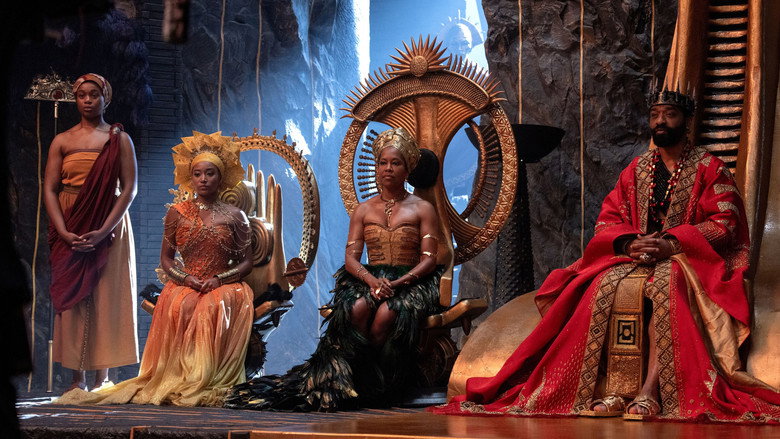
What we know: The film aims to capture the visceral, high-stakes nature of the novel, which balances political upheaval with a complex system of West African-inspired magic. Unlike traditional high-fantasy adaptations that rely on medieval aesthetics, the film promises a vibrant, distinct visual language that honors the depth of Adeyemi’s world-building.
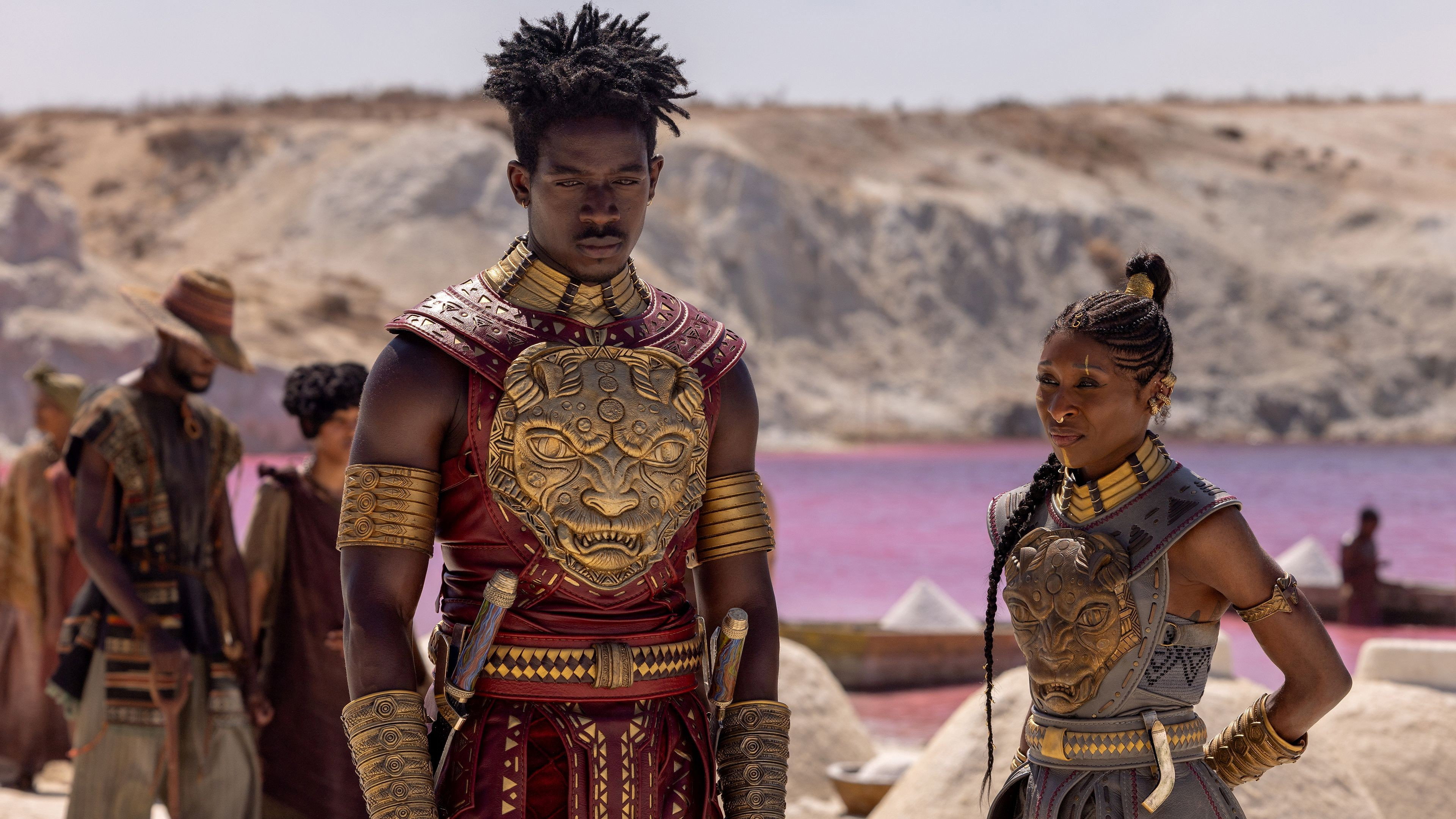
Children of Blood and Bone scene 1
The magic is alive in Orïsha, and the challenge for any filmmaker is to ensure that the visual representation matches the intensity and stakes found in the text.
Meet the Creative Force
In a significant move for the production, Gina Prince-Bythewood, known for her masterful work on The Woman King, was previously attached to the project. While the director’s chair has seen various updates over the years, the commitment to finding a filmmaker who understands the weight of the story is evident. The production team is focused on maintaining the emotional core of the novel, which centers on Zélie’s quest to restore magic to a land that has been systematically oppressed.
The vision: The film is expected to emphasize the importance of representation in genre filmmaking. By blending epic action sequences with personal arcs of rebellion and discovery, the team intends to deliver a narrative that is both an action-packed fantasy and a poignant commentary on real-world systems of control.
Tomi Adeyemi's work offers a blueprint for a new kind of fantasy epic, one that values history and heritage just as much as its magic systems.
What Fans Can Expect From the Adaptation
One of the most frequently asked questions regarding the film involves how it will handle the brutal magic system of the Maji. Given the success of recent high-concept fantasy films, there is an expectation that the visual effects must be grounded yet expansive. Fans of the book are particularly protective of the relationship dynamics between Zélie and Amari, which serve as the emotional tether for the entire series.
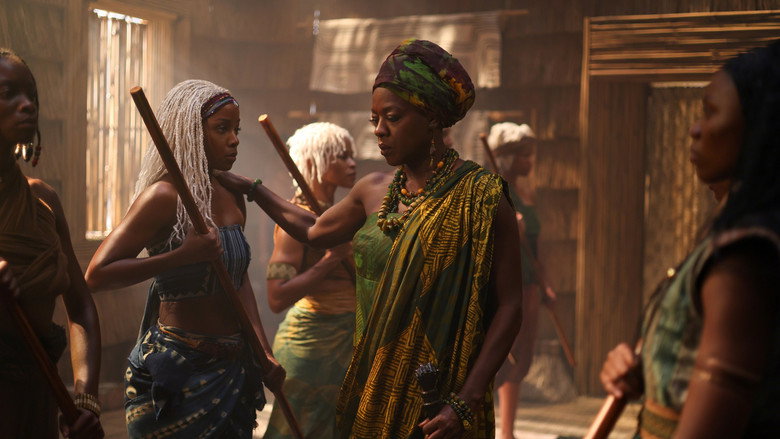
Children of Blood and Bone scene 2
Key plot points: We can expect a faithful exploration of the reign of King Saran and the tragedy of the Raid, the event that sets the entire narrative in motion. The film is currently positioned to explore the dark, complex morality of the characters, ensuring that no one—not even the protagonists—emerges from this journey unchanged.
The Current Status of the Project
As of right now, the film is actively in development. While release dates have been subject to the volatility of studio schedules, the consistent updates from the creative team indicate that the project is no longer stuck in the initial stages. The industry is watching closely, as the success of this film could spark a massive shift in how major studios invest in non-Western-centric fantasy intellectual property.
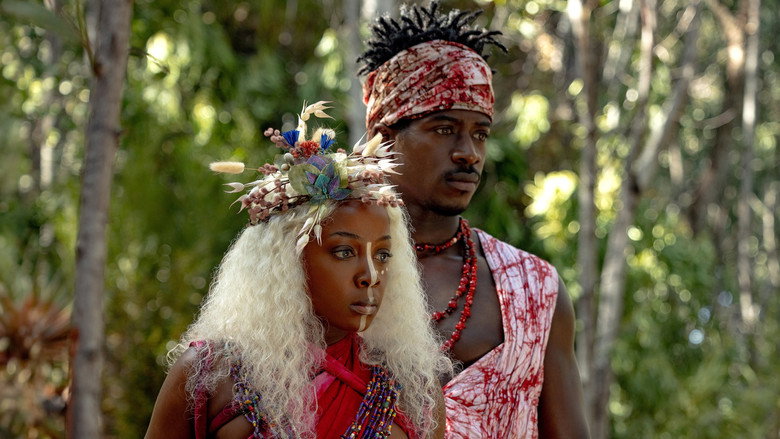
Children of Blood and Bone scene 3
The verdict: While patience is required, the dedication to getting the script and the scope of the world right suggests that this is a project being handled with the care it deserves. The audience demand is already there, and if the final product captures the lightning-in-a-bottle energy of the original, it will undoubtedly become a foundational franchise for a new generation of viewers.
Conclusion
The adaptation of Children of Blood and Bone represents more than just another franchise entry; it is a landmark event for fantasy cinema. By centering on the struggle for identity and the fight against systemic erasure, it brings a fresh perspective to a genre that has historically leaned on familiar tropes. We are waiting for a masterpiece, and every sign from the production team suggests that the wait will eventually be worth it.