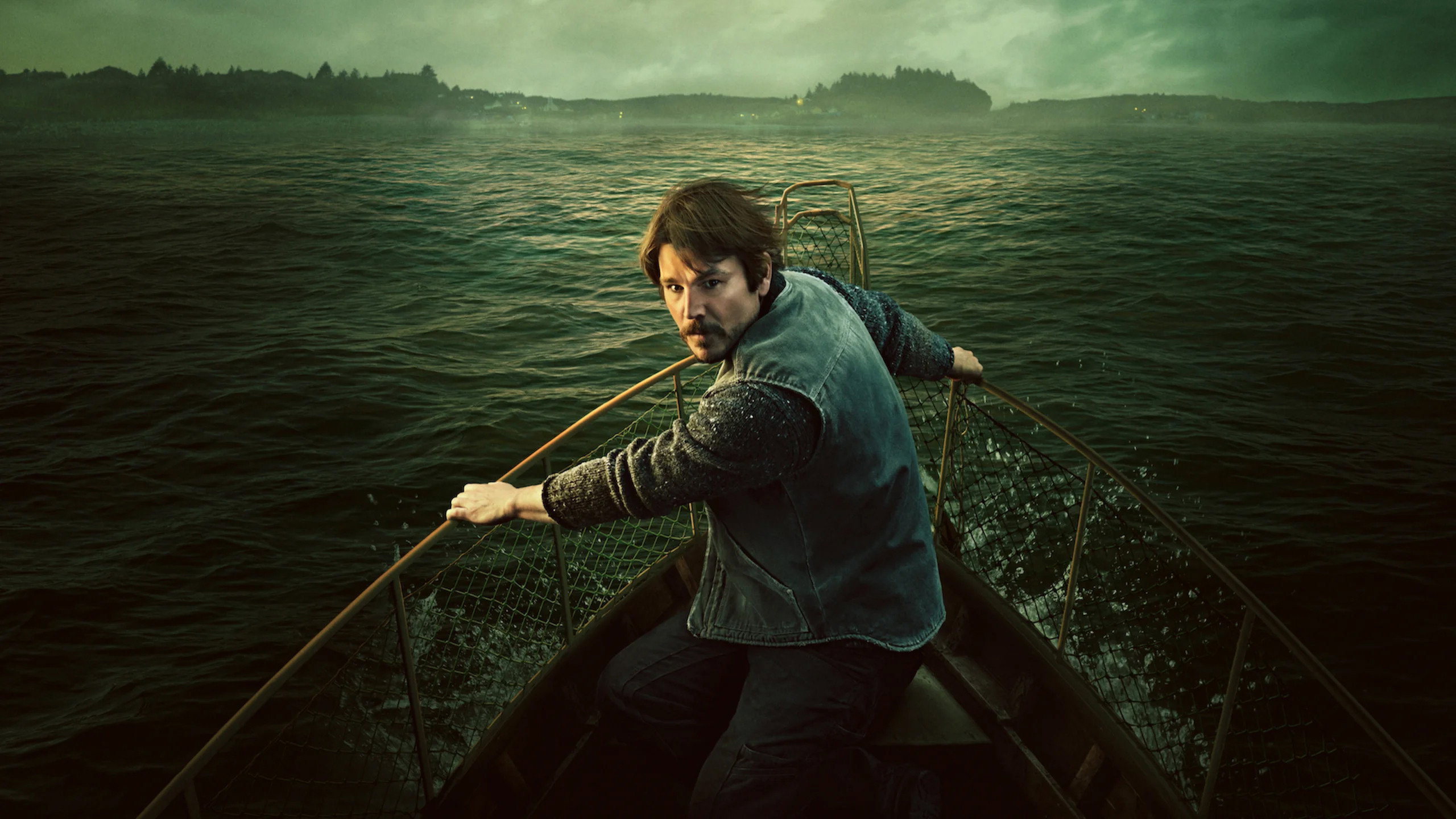
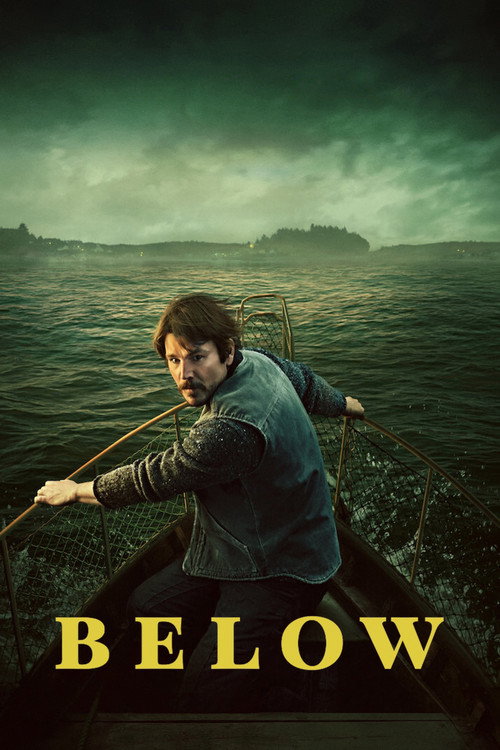
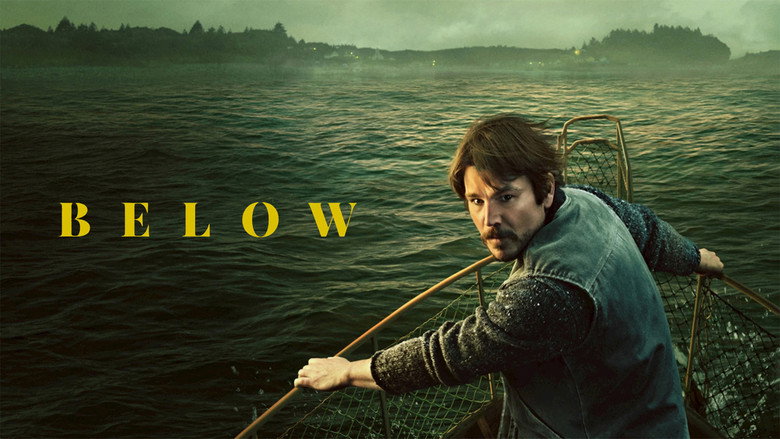
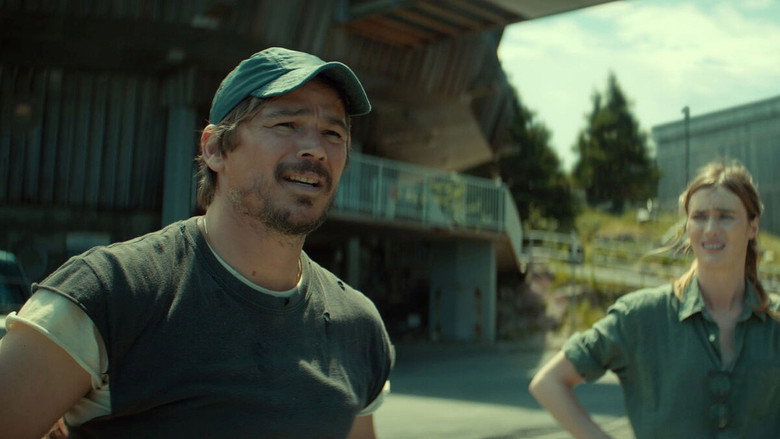
Josh Hartnett makes a chilling return to the small screen in Below, a high-stakes thriller that blends claustrophobic tension with psychological warfare. Set within the confines of a vessel trapped in the deep ocean, the show forces its characters—and the audience—to confront the terrifying unknown.
This article explores the central premise of Below, looks at the star-studded ensemble cast led by Hartnett, and details why this series is currently dominating the conversation in psychological thriller television.
The Premise of Below
The setting is everything in this series. Below centers on a crew operating deep beneath the surface of the ocean, where isolation is a guarantee and survival is far from certain. As equipment begins to fail and tensions flare, the crew realizes that the danger outside the hull might be eclipsed by the paranoia festering within it.
The narrative structure relies heavily on slow-burn tension, reminiscent of classic underwater horror cinema, yet it injects modern psychological complexities. Josh Hartnett delivers a grounded performance as a leader desperately trying to maintain order while his own sanity begins to fray at the edges.
The ocean is a mirror. It doesn't show you the world; it shows you your own reflection, and for this crew, that is the most terrifying thing they could ever face.
What Fans Are Saying
The defenders: Many viewers are praising the series for its commitment to atmosphere and practical effects. Fans of Hartnett have noted that this is arguably his most intense role since his resurgence, with social media threads highlighting the masterful lighting and sound design as standout features.
Below scene 1
The critics: Some reviewers have noted that the pacing can feel deliberate to a fault in the early episodes. These critics argue that while the performances are strong, the reliance on genre tropes regarding cabin fever can feel somewhat familiar to seasoned horror buffs.
The middle: A large portion of the audience sits in the middle, enjoying the show as a binge-worthy weekend watch. They acknowledge that while Below might not reinvent the wheel, it executes its premise with enough polish and suspense to justify the commitment.
The Production and Creative Vision
What worked: The production design is the series' greatest asset. By utilizing a real, claustrophobic set, the show avoids the cartoonish look of some modern CGI-heavy underwater projects. This physical reality allows the actors to lean into genuine physical discomfort, which translates directly to the screen.
Below scene 2
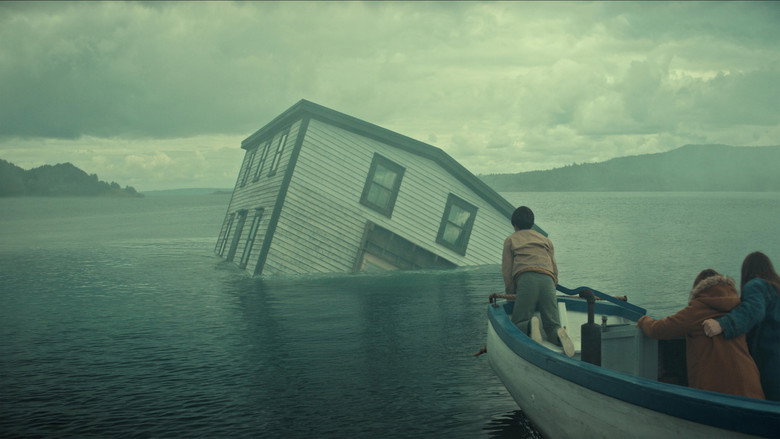
What did not work: Some viewers have expressed frustration with the show's obscure lore regarding the 'anomaly' that threatens the crew. Without clear explanations in the first few episodes, the mystery risks moving from intriguing to merely confusing for some casual viewers.
The verdict: Ultimately, Below is a taut, expertly crafted thriller that benefits immensely from a powerhouse performance by Hartnett. It is a must-watch for fans of contained, psychological dramas.
If you want a show that makes you feel as though you are losing oxygen with every passing minute, look no further than this descent into the deep.
If You Liked Below
Thematic connections: If the atmosphere of Below kept you on the edge of your seat, you will likely appreciate films that deal with isolation and psychological breakdown. Movies like The Lighthouse and The Thing share that same DNA, where the environment is as much of an antagonist as any monster.
Below scene 3
Structural similarities: For those interested in the 'trapped' narrative style, the intensity found in projects like Prisoners or the cerebral challenges of Ex Machina provide a similar level of narrative payoff. These stories prioritize the human element under extreme stress, mirroring the core conflict of Hartnett's latest work.
Final Thoughts on the Deep
The future of the series remains a hot topic, with fans already speculating about a second season. Whether or not the show continues, its impact on the thriller genre this year is undeniable. It serves as a reminder that the most effective scares are often the ones we cannot see, lurking just beneath the surface of our own minds.
Ultimately, Below succeeds because it trusts its audience to stick with its slow, methodical build. By focusing on human fallibility over cheap thrills, it has cemented itself as a defining entry in the current wave of high-concept psychological horror.