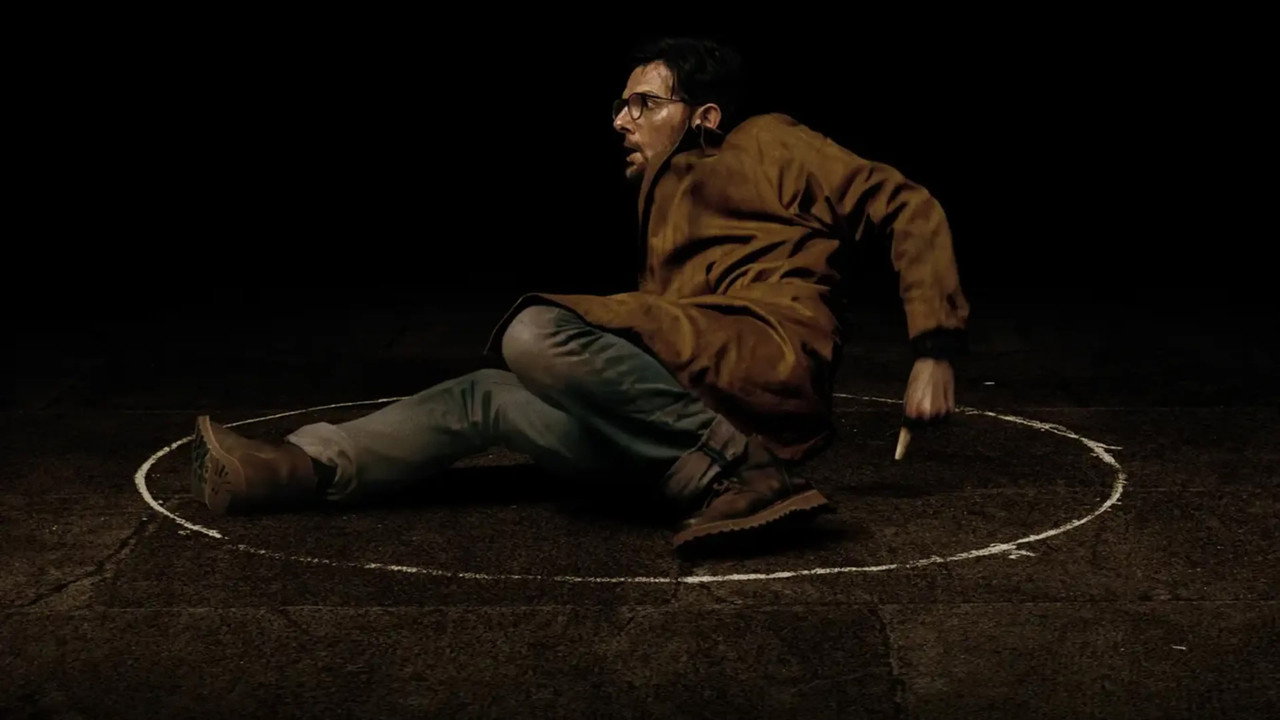
Hokum: Why Horror Fans Are Already Talking About This New Nightmare
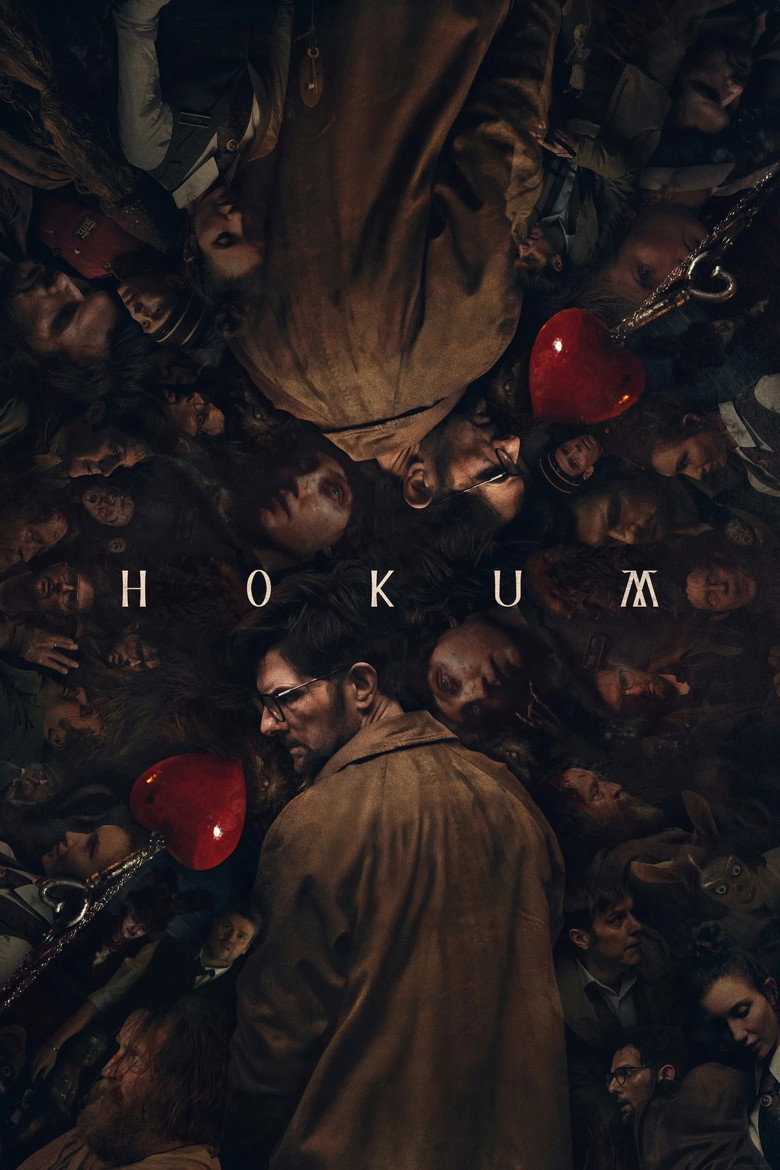
Horror fandom has a specific instinct for the films that matter before anyone else knows they exist. Hereditary had that quality. Barbarian had it. Midsommar generated real underground conversation months before its release. Hokum is generating that same quiet, specific excitement right now, among the part of the genre audience that tends to find things first.
Here is everything known about the project and why it has the horror community watching closely.
Hokum is a supernatural horror film currently in production. The project has attracted attention primarily through its creative pedigree and the specific genre space it appears to be occupying: folk horror with a contemporary setting, a combination that has proven commercially and critically successful with films like Midsommar and the broader wave of elevated horror that has dominated the genre since around 2015.
The title itself is significant. Hokum means something fraudulent or designed to deceive, which is either a straightforward description of the film's premise or an ironic comment on the nature of supernatural belief. Either reading is interesting, and the ambiguity is probably intentional. Horror films with titles that carry conceptual weight, Get Out, Hereditary, Midsommar, tend to be the ones where the filmmakers have thought carefully about what they are actually making.
"The horror films that genuinely disturb people are the ones that treat their premise with complete seriousness. The title Hokum suggests a film that knows exactly what it is doing with the idea of belief and deception."
The Premise and Genre Space
Hokum operates in the folk horror tradition, a subgenre that uses rural settings, community ritual, and the collision between modern secular sensibility and ancient belief systems to generate its dread. The folk horror revival, which began in earnest with Ben Wheatley's Kill List and accelerated through Midsommar and The Witch, has proven there is a substantial audience for horror that takes its mythology seriously rather than using it as a backdrop for conventional scares.
What distinguishes the best folk horror is the way it makes the audience uncertain about where reality ends and supernatural belief begins. The Witch worked because you could read the entire film as an account of religious hysteria and social isolation rather than literal witchcraft, and both readings were equally disturbing. If Hokum is aiming for that kind of sustained ambiguity, it has identified the most interesting possible direction for the material.
What the Horror Community Is Responding To
The genre audience that generates early buzz around films like this is a specific community: people who follow production company slates, read trades carefully, and have the historical knowledge to recognise when a project has the right structural ingredients for something genuinely scary. What they respond to is not star power or marketing budgets but the combination of creative team, premise clarity, and production context.
Hokum is generating attention because it sits at the intersection of several current horror trends that are producing strong results. Folk horror is commercially proven. Supernatural horror with a literary sensibility, the kind that prioritises dread over jump scares, is having a genuine cultural moment. And films that take their horror logic seriously, building a coherent internal mythology rather than reaching for easy effects, have been rewarded by both critics and audiences consistently for the past decade.
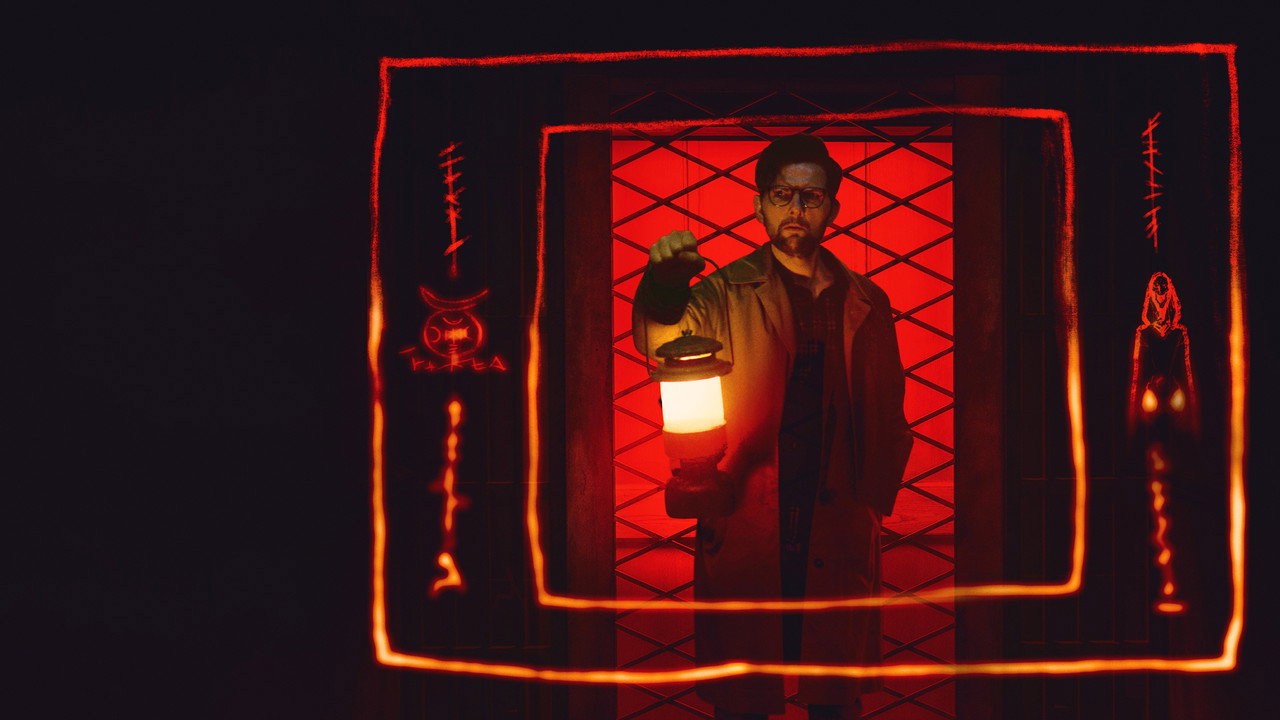
The State of Horror in 2026
Horror is having one of its most commercially significant periods in decades. The genre, which studios spent years treating as a low-budget afterthought, now regularly produces films with Oscar nominations, massive streaming numbers, and genuine mainstream cultural impact. Faces of Death became a conversation starter. The Backrooms drew an enormous online following before a single review was published. Resident Evil, under Zach Cregger's direction, is generating real anticipation.
The audience for serious horror has never been larger or more discerning. They have been trained by a decade of genuinely excellent films to expect more from the genre, and they're quick to identify projects that understand what they're doing. Hokum is being noticed precisely because it appears to belong to that tradition of horror made by people who take the form seriously.
Comparison to Recent Successful Horror Films
The specific horror films Hokum draws comparisons to say a lot about the audience's expectations. Hereditary, for its willingness to sit with grief and family trauma before introducing supernatural horror. Midsommar, for the folk tradition setting and the sense that the horror is embedded in community rather than in an individual monster. Barbarian, for the way it hides what the film actually is until well into its runtime.
These comparisons are meaningful not as predictions of quality but as indicators of the genre space the film is occupying. If Hokum is genuinely in that conversation, it means the creative team is aiming for something more psychologically sophisticated than conventional horror mechanics. That's the ambition that produces the films genre fans remember.
"The best horror of the past decade works because it refuses to reassure you. The audience around Hokum is excited because everything they know about it suggests it isn't going to reassure anyone."
The Verdict
Hokum is exactly the kind of film that the best horror fandom has learned to track early. The genre space it occupies has produced some of the most critically and commercially successful horror of the past decade. The title carries conceptual weight. The early attention from the genre audience is the specific kind of attention that has preceded genuine breakout films in this space before.
More details on cast and production will emerge as the film progresses toward release. What exists right now is the kind of early signal that rewards paying attention. The horror community's instinct for this has been right about Hereditary, Midsommar, and Barbarian. Their instinct for Hokum deserves the same consideration.
This is a film to follow closely. The moment a trailer appears, it will tell you everything you need to know about whether the promise is real.
Written by StreamRoulette Editorial
You May Also Like


Into Horror? Find Your Next Film Right Now
StreamRoulette filters by genre, mood, and platform. Find the horror film you've been missing in seconds.
Try StreamRoulette