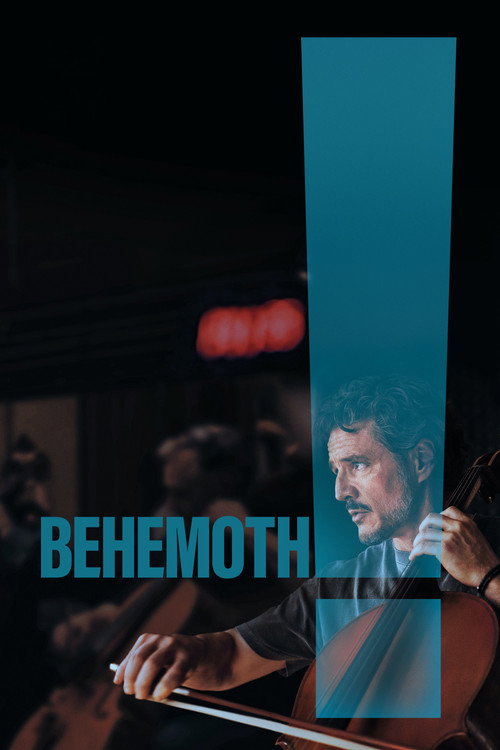
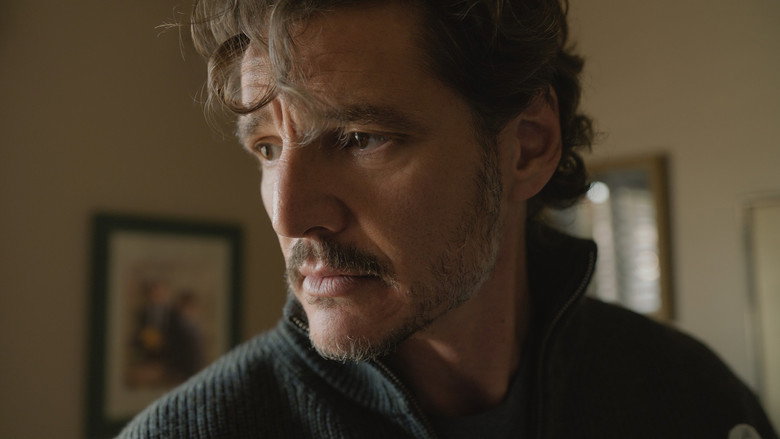
After years of shaping the Star Wars galaxy, writer-director Tony Gilroy returns to the intimate, character-driven storytelling that defined his career with his latest feature, Behemoth!. The film stars Pedro Pascal as a gifted cellist whose return to Los Angeles triggers a profound exploration of memory, family, and the enduring power of music.
This Searchlight Pictures drama serves as a love letter to the film industry, pulling back the curtain on the secretive world of Hollywood scoring stages while delivering what critics are calling a career-best performance from Pedro Pascal.
A Return to Intimacy
Tony Gilroy has spent the better part of the last decade immersed in the sprawling, high-stakes world of the Star Wars franchise, most notably as the architect behind the critically acclaimed series Andor. With Behemoth!, he pivots back to the grounded, human-centric narratives that established his reputation with films like Michael Clayton. The project, which premiered at the 64th New York Film Festival, marks his first directorial effort since 2012.
The film follows Alex Serian, a former cello prodigy who leaves a fractured life in Chicago to return to his hometown of Los Angeles. As he navigates the gig economy of Hollywood session musicians, he is forced to confront the ghosts of his past, including a complicated family legacy and a series of relationships that have left him adrift. Gilroy uses this premise to examine the intersection of artistic obsession and personal stability.
The mixing of my own life and this person's life, I've lived a very nomadic one. Don't ask me where home is. — Pedro Pascal on the personal resonance of the role.
The Architecture of Memory
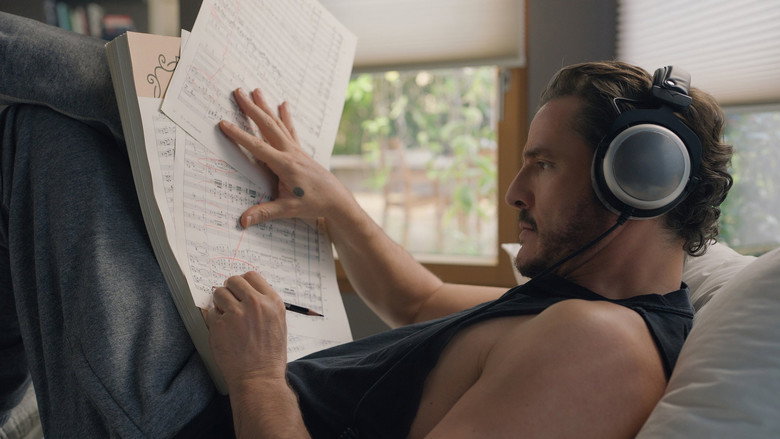
What worked: The film’s most striking element is its structural ambition. Gilroy employs a non-linear narrative that weaves through Alex’s life, using the act of recording film scores as a bridge between the present and the past. By having the music recorded for the film-within-a-film serve as the soundtrack for Alex’s own memories, Gilroy creates a unique, dream-like atmosphere that feels both technical and deeply emotional.
Behemoth! scene 1
What did not work: Some viewers may find the film’s pacing disorienting. The transition between chapters of Alex’s life can feel abrupt, and those expecting a traditional, straightforward character study might be frustrated by the film’s more abstract, Malickian approach to storytelling. The narrative occasionally prioritizes emotional resonance over plot progression, which may alienate audiences looking for a tighter, more conventional arc.
Gilroy often finds himself stuck in a valley between this kind of poetic, musical structure and a more straightforward character study. Lucky for him, he has the best film work to date from Pedro Pascal to hold them together. — Brian Tallerico, RogerEbert.com.
A Symphony of Composers
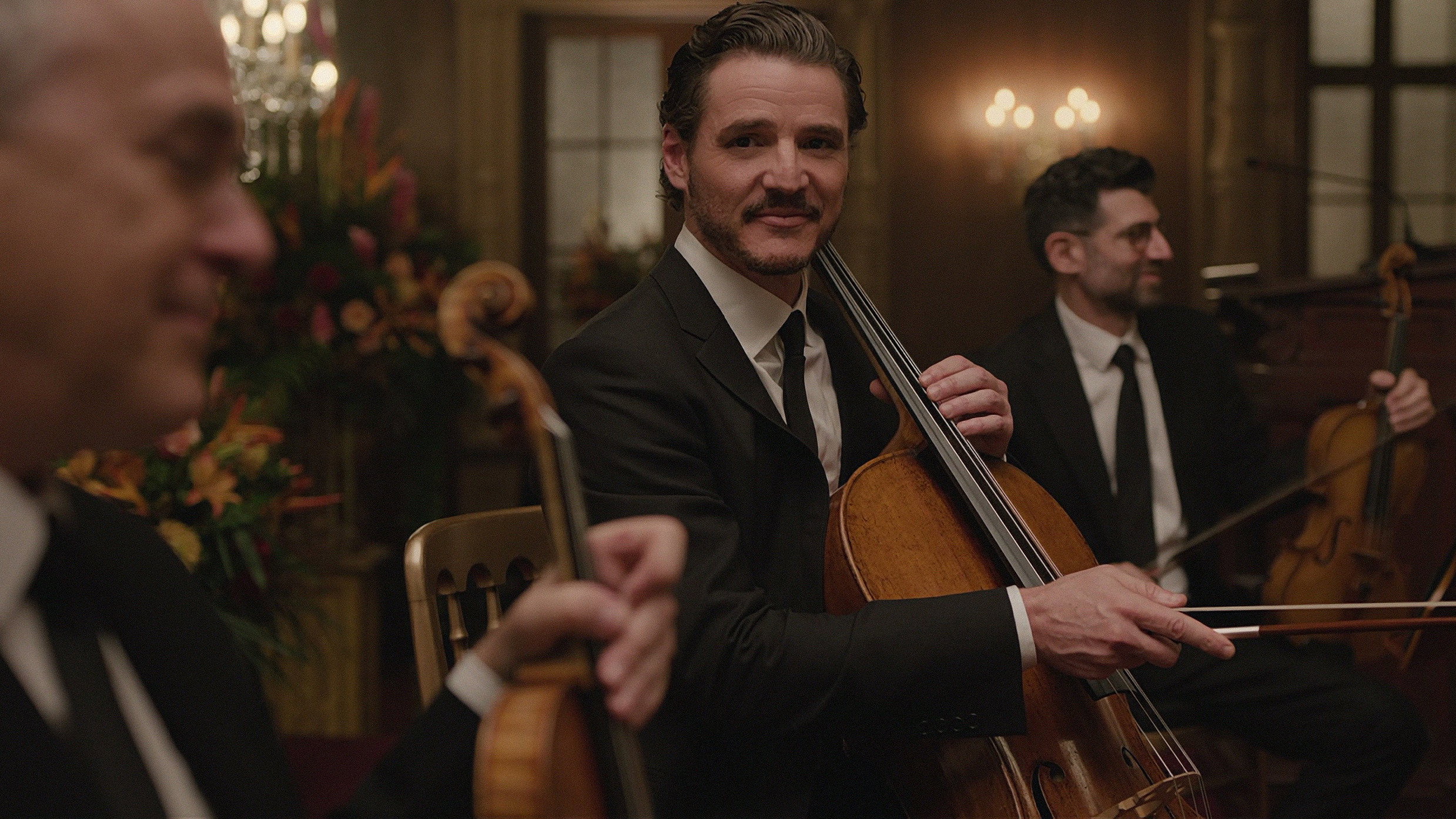
The film’s production is as ambitious as its narrative. Gilroy, inspired by his own experiences on the scoring stages of Rogue One, sought to capture the specific, tangible magic of these rooms. To achieve this, he assembled a collective of nine world-class composers, including Michael Giacchino, Michael Abels, and James Newton Howard, to create a diverse, character-driven score that reflects the different eras of Alex’s life.
Behemoth! scene 2
This collaborative effort provides the film with a sonic identity that is rare in modern cinema. By utilizing actual historic scoring stages like the Newman Scoring Stage at 20th Century Fox, the production grounds the film in the reality of the industry. It is a deliberate choice that reinforces the film’s status as a tribute to the collaborative, often invisible labor that defines the movie-making process.
The Performance of a Career
Pedro Pascal’s portrayal of Alex Serian is the anchor that keeps the film’s more experimental elements from drifting too far. Pascal, who underwent months of intensive cello training to prepare for the role, brings a quiet, observational intensity to the character. He portrays Alex not as a tragic hero, but as a man struggling to find the same beauty in his personal life that he effortlessly produces in his art.
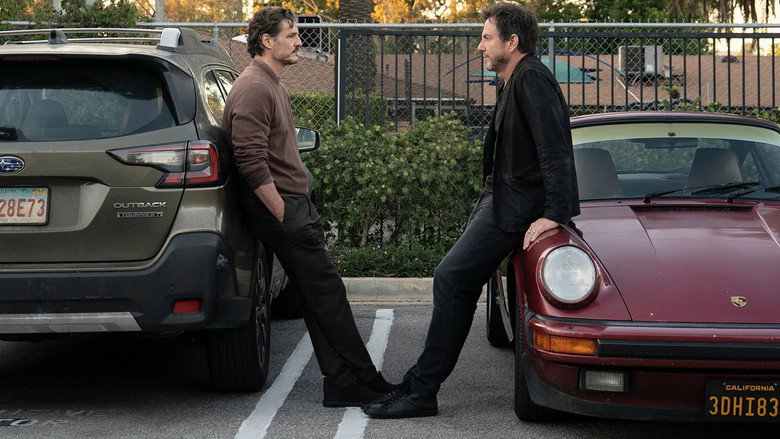
The supporting cast, including Olivia Wilde as a volatile former flame and Hank Azaria as Alex’s difficult father, provides the necessary friction to push the protagonist toward his eventual reckoning. Will Arnett also delivers a standout performance as Alex’s brother, whose podcasting career begins to expose the long-buried secrets of the Serian family. It is a dense, character-rich ensemble that elevates the material beyond a simple portrait of an artist.
Behemoth! scene 3
The Verdict
The verdict: Behemoth! is a sophisticated, deeply felt drama that rewards patience. While its structural choices may be divisive, the film succeeds as a meditation on the cost of artistic devotion and the difficulty of finding home. It is a rare, intelligent piece of filmmaking that trusts its audience to engage with its themes of memory and redemption.
Ultimately, the film stands as a testament to the power of collaboration, both within the story and behind the camera. By returning to his roots, Tony Gilroy has crafted a film that feels both personal and expansive. It is a must-watch for those who appreciate cinema that prioritizes emotional truth over easy answers, anchored by a performance that confirms Pedro Pascal as one of the most versatile actors working today.