DC Studios is undergoing its most radical transformation since the dawn of the shared cinematic universe. With James Gunn and Peter Safran at the helm, the focus has shifted from reactive interconnected storytelling to a curated, director-driven vision for the newly branded DC Universe (DCU).
This guide breaks down the confirmed upcoming slate, the strategic shift in leadership, and why this reboot is designed to prioritize quality over interconnectedness.
The New Vision for the DC Universe
The philosophy behind the new DCU is centered on 'Gods and Monsters,' a roadmap established by James Gunn to revitalize characters both iconic and obscure. Unlike the previous iteration, which often struggled with tonal consistency, the new DCU aims for a blend of high-concept storytelling and distinct creative identities. Gunn has made it clear that while certain actors may carry over, the slate serves as a definitive reset point for the franchise.
Structural integrity is key to this transition, moving away from the 'wait-and-see' approach that plagued earlier efforts. By establishing a cohesive timeline where television, film, and animation share the same canon, DC Studios intends to foster deeper audience engagement without forcing viewers to keep up with every single release to understand the narrative.
The goal is not to have a million different things going on, but to have a clear, exciting story that connects the audience to these characters in a way they haven't been before.
Superman: The Foundation of a New Era
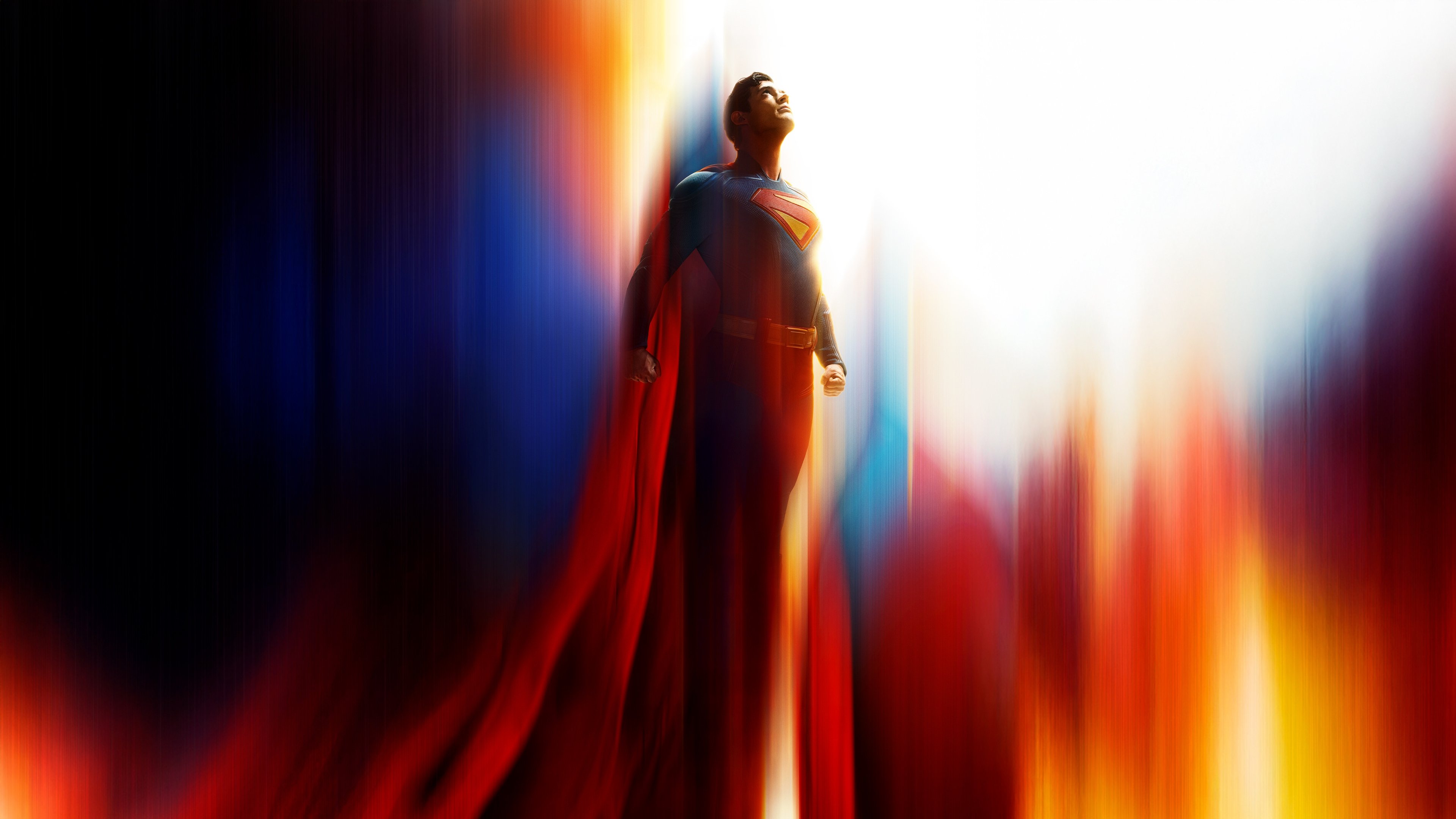
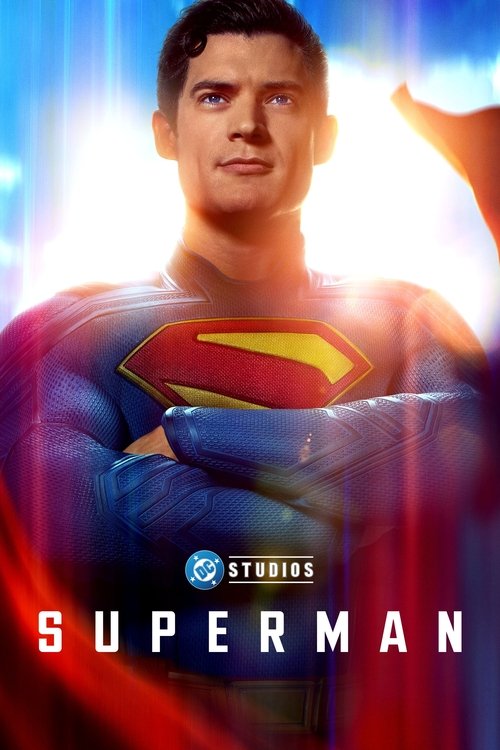
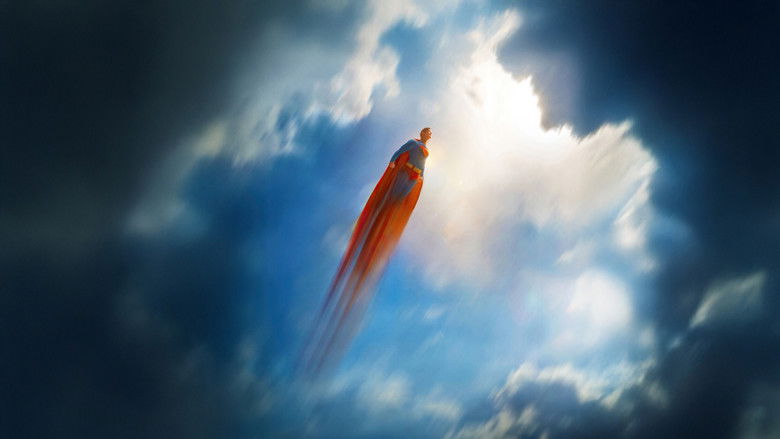
The cornerstone of the DCU is James Gunn’s 2025 release, Superman. This film is tasked with reintroducing the Man of Steel as an optimistic beacon, setting the emotional and tonal baseline for the rest of the universe. With David Corenswet stepping into the suit, the production has emphasized a 'back-to-basics' approach that highlights Clark Kent’s humanity as much as his godlike power.
Superman scene 1
Production details remain highly guarded, but set photos and official teases suggest a vibrant, comic-accurate aesthetic that draws heavy inspiration from classic source material like All-Star Superman. By focusing on the relationships between Clark, Lois Lane, and the wider world, the film aims to avoid the cynical interpretations of the past and establish a hopeful future for the entire franchise.
Supergirl: Woman of Tomorrow and Beyond
Following the debut of the DCU, the focus shifts toward Supergirl: Woman of Tomorrow. Based on Tom King's acclaimed limited series, the film promises a sci-fi epic that explores the isolation of Kara Zor-El. Milly Alcock, cast in the lead role, brings a gritty, battle-hardened intensity to a character who experienced the destruction of her planet in a fundamentally different way than her cousin.
The shift toward cosmic storytelling signifies that the DCU is not content to stay on Earth. The project is designed to be a standalone character study within the larger sandbox, showcasing the versatility of the franchise's upcoming slate. Critics and fans alike are watching closely, as this film is expected to define the 'monsters' half of Gunn’s 'Gods and Monsters' mantra.
Superman scene 2
Supergirl is not just a side character in the Superman story. She has a distinct, powerful journey that demands its own cinematic space and narrative weight.
The Brave and the Bold and The Authority
Expanding the Bat-family is the top priority for The Brave and the Bold, which will introduce the DCU’s take on Batman and his son, Damian Wayne. Moving away from the solitary vigilante trope, this film seeks to explore the complex, often volatile dynamic between Bruce Wayne and a son raised by the League of Assassins, providing a fresh perspective on a character who has been defined by his loneliness for decades.
The Authority, meanwhile, promises a departure from traditional hero archetypes. By adapting the work of Warren Ellis and Bryan Hitch, DC Studios is bringing the morally gray, interventionist anti-heroes into the mainstream. This move suggests that the DCU is willing to take risks on characters who exist on the fringes of heroism, ensuring that the franchise does not become a monotone iteration of standard superhero tropes.
Superman scene 3
The Verdict: A Necessary Reinvention
What worked: The decision to move toward a unified, curated vision. By consolidating creative control under Gunn and Safran, DC has created a roadmap that feels intentional and well-paced, avoiding the messy, overlapping timelines that previously hampered progress.
What did not work: The inherent fatigue surrounding superhero fatigue. Despite the excitement, the general audience remains skeptical, needing proof that these new entries will offer something genuinely different from the status quo of the last decade.
The verdict: The future of DC looks brighter than it has in years. By focusing on distinct character journeys and high-quality storytelling over mere universe-building, DC Studios has a genuine chance to redefine what a comic book movie can be.