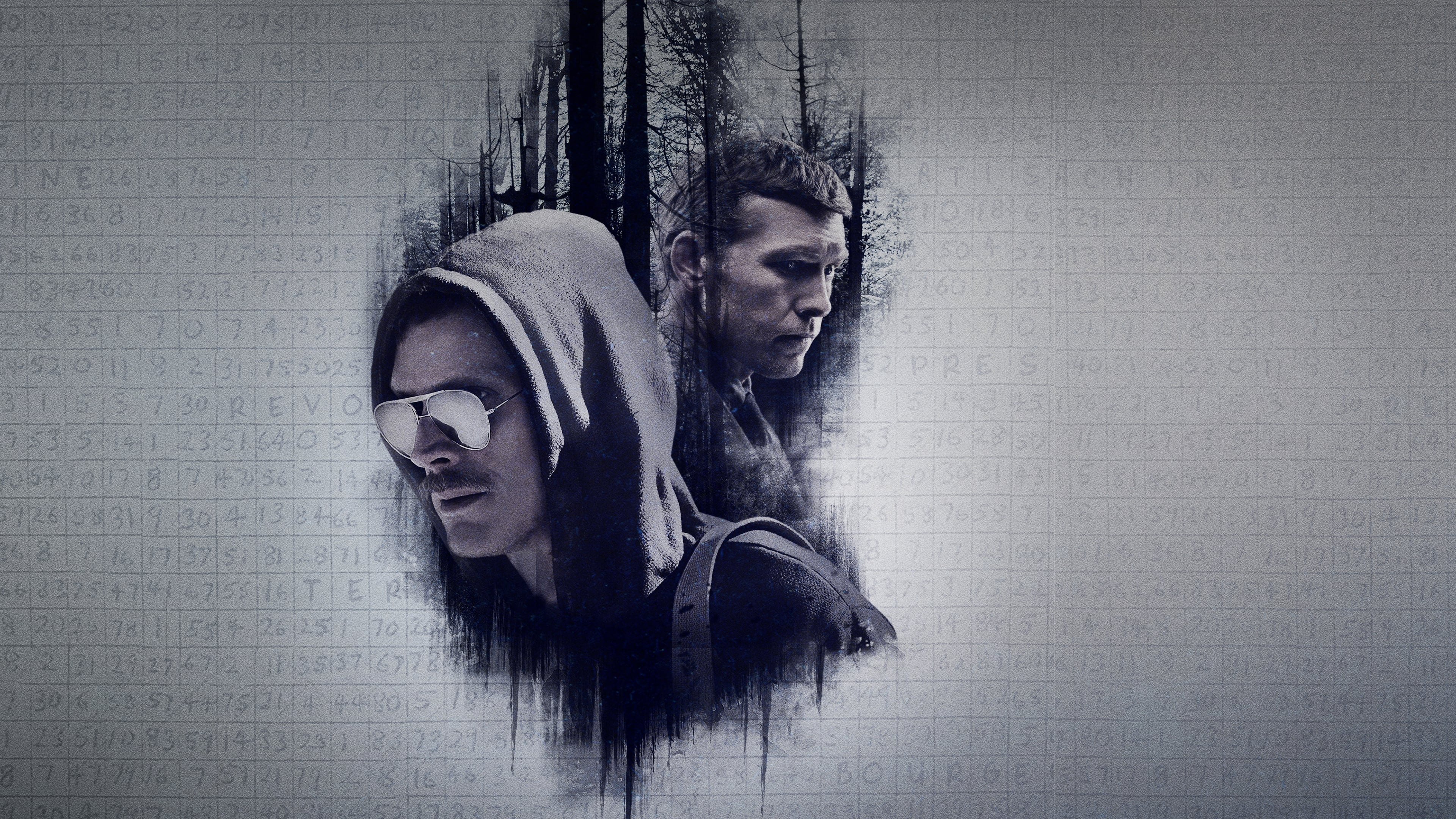
This article contains major spoilers for Manhunt: Unabomber. Read only if you have already seen it.
For nearly two decades, Ted Kaczynski waged a solitary war against modern technology, leaving a trail of death and terror that paralyzed the American public. The cinematic adaptations of his life attempt to capture the chilling isolation of his cabin lifestyle alongside the frantic, high-stakes investigation led by the FBI.
This article examines the real-life events behind the screen, dissecting what was factually accurate and where Hollywood took liberties to dramatize the infamous hunt for the Unabomber.
The Rise of a Domestic Terrorist
Ted Kaczynski’s transformation from a brilliant mathematical prodigy at Harvard to a recluse hiding in a remote Montana cabin is one of the most puzzling cases in American criminal history. His anti-technology manifesto, titled Industrial Society and Its Future, claimed that the progress of science and technology would inevitably lead to the destruction of human freedom. This ideology fueled a string of 16 bombings between 1978 and 1995, which killed three people and injured 23 others.
The Netflix portrayals—and various dramatizations—emphasize the juxtaposition between his high intellect and his radical, violent methods. While the films often frame his descent through a lens of psychological deterioration, investigators often focus on the sheer patience Kaczynski exercised. He spent years perfecting his primitive, homemade devices, choosing targets that he felt represented the systems of power he despised.
The Unabomber did not just attack people; he attacked the very foundation of how we communicate, travel, and exist in a modern, automated society.
The FBI Investigation and the Media's Role
The investigation itself was one of the most expensive and exhaustive in FBI history. Known by the codename UNABOM (University and Airline Bomber), the task force spent years chasing dead ends. The turning point did not come from a breakthrough in forensic ballistic evidence, but rather from the publication of his manifesto in 1995. When Kaczynski demanded that major newspapers print his 35,000-word treatise as a condition to stop his bombings, the FBI—and the public—finally had a psychological profile to analyze.
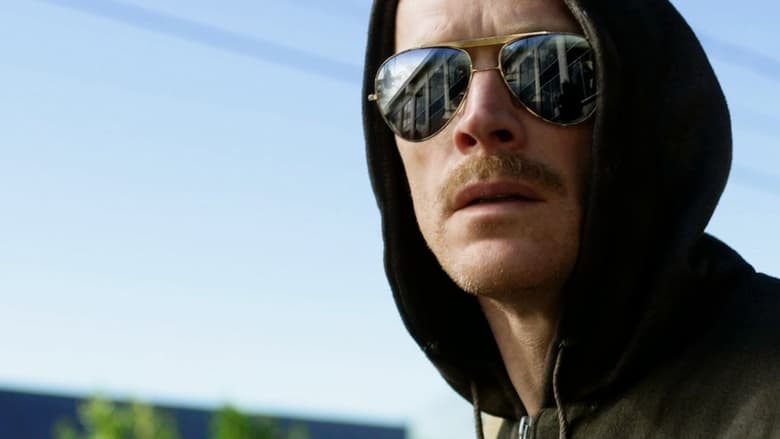
Manhunt: Unabomber scene 1
The media’s involvement was a double-edged sword. While printing the document helped save potential lives, it also gave a platform to a domestic terrorist. In reality, the decision to publish was debated at the highest levels of the US government, as it set a dangerous precedent. The movie captures this tension, highlighting the frantic pressure on the agents tasked with stopping a man who left almost no physical trace at his crime scenes.
The Capture at Lincoln, Montana
The final act of the story occurred on April 3, 1996, when FBI agents raided Kaczynski’s remote cabin. They discovered a shocking scene: a crude, dirt-floored structure filled with journals, bomb-making components, and the original typewriter used to compose his manifesto. The contrast between the mastermind who had been mocking federal agencies and the disheveled, isolated man caught in the woods was a jarring reality for the public.
Manhunt: Unabomber scene 2
When compared to the film adaptations, the apprehension is often depicted with more tactical flair than what occurred on the ground. In reality, it was the linguistic analysis of the manifesto, driven by Kaczynski’s own brother, David, that finally pointed investigators in the right direction. David Kaczynski recognized the specific turns of phrase and the philosophy within the document, leading him to contact the authorities after years of suspicion.
The arrest of Kaczynski was not the result of a cinematic shootout; it was the result of a brother’s painful betrayal and a breakthrough in stylistic analysis.
What the Movies Get Right and Wrong
What worked: The psychological depictions of Kaczynski’s isolation are generally praised for their accuracy. Most dramatizations capture the claustrophobic feeling of the cabin and the obsessive nature of his hatred for industrialized society. The focus on the 1990s setting also helps ground the narrative in the specific paranoia of that decade, where mail-in threats were at their peak of public fear.
What did not work: Hollywood often exaggerates the timeline and the level of 'detective' work involved in the final stages. Many films condense the years of failed investigation into a few tense months to increase pacing, which sacrifices the reality of the bureaucratic nightmare the FBI endured. These narratives occasionally turn the investigators into archetypal heroes, smoothing over the messy, accidental nature of how Kaczynski was actually cornered.
Manhunt: Unabomber scene 3
The verdict: While these adaptations serve as effective psychological thrillers, they should be viewed as interpretations rather than documentaries. They capture the 'spirit' of the era and the terror of the case, but they frequently dramatize the investigative process to fit standard suspense formulas.
Conclusion: A Legacy of Fear
The story of Ted Kaczynski remains a cautionary tale about the intersection of extreme intelligence and mental illness. As technology continues to dominate every facet of our daily existence, the questions he raised about human agency—however twisted his methods were in pursuing them—continue to echo in the halls of modern discourse. The true terror of the Unabomber case lies in the fact that he was essentially a ghost, brought down only by the very words he insisted on sharing with the world.