This article contains major spoilers for Manhunt: Unabomber. Read only if you have already seen it.
For nearly two decades, Ted Kaczynski waged a solitary war against modern technology, sending untraceable mail bombs that terrorized the American public. The Netflix-distributed series Manhunt: Unabomber dives into the forensic linguistics and obsessive detective work that eventually brought the elusive domestic terrorist to justice.
This article explores the real history of the Unabomber case, separating Hollywood dramatization from the factual investigation, and examining the complex legacy of Ted Kaczynski's manifesto.
The Rise of the Unabomber
The terror began in 1978, when the first package bomb was discovered at Northwestern University. Over the next 17 years, Ted Kaczynski targeted universities, airlines, and individuals involved with technology, leaving the FBI scrambling for leads. The show depicts the frustration of a task force that struggled to profile a suspect who seemed to leave no physical evidence, creating a vacuum that the media filled with speculation and fear.
In reality, the FBI’s investigation—codenamed UNABOM for "University and Airline Bomber"—became one of the most expensive and longest-running manhunts in U.S. history. While the series introduces the fictionalized character of Jim Fitzgerald, a brilliant forensic linguist, he is largely based on the real-life FBI agents who analyzed the linguistic patterns of Kaczynski's 35,000-word manifesto, Industrial Society and Its Future.
The manifesto wasn't just a threat; it was a philosophical declaration of war against the technological apparatus of modern society.
The Role of Forensic Linguistics
What worked: The show excels at dramatizing the high-stakes world of forensic linguistics. Watching the protagonist identify Kaczynski through specific word choices and grammatical quirks provides a refreshing break from typical procedural tropes. It highlights how the suspect’s own intellect became his eventual undoing, as his insistence on publishing his manifesto provided the necessary evidence for his identification.
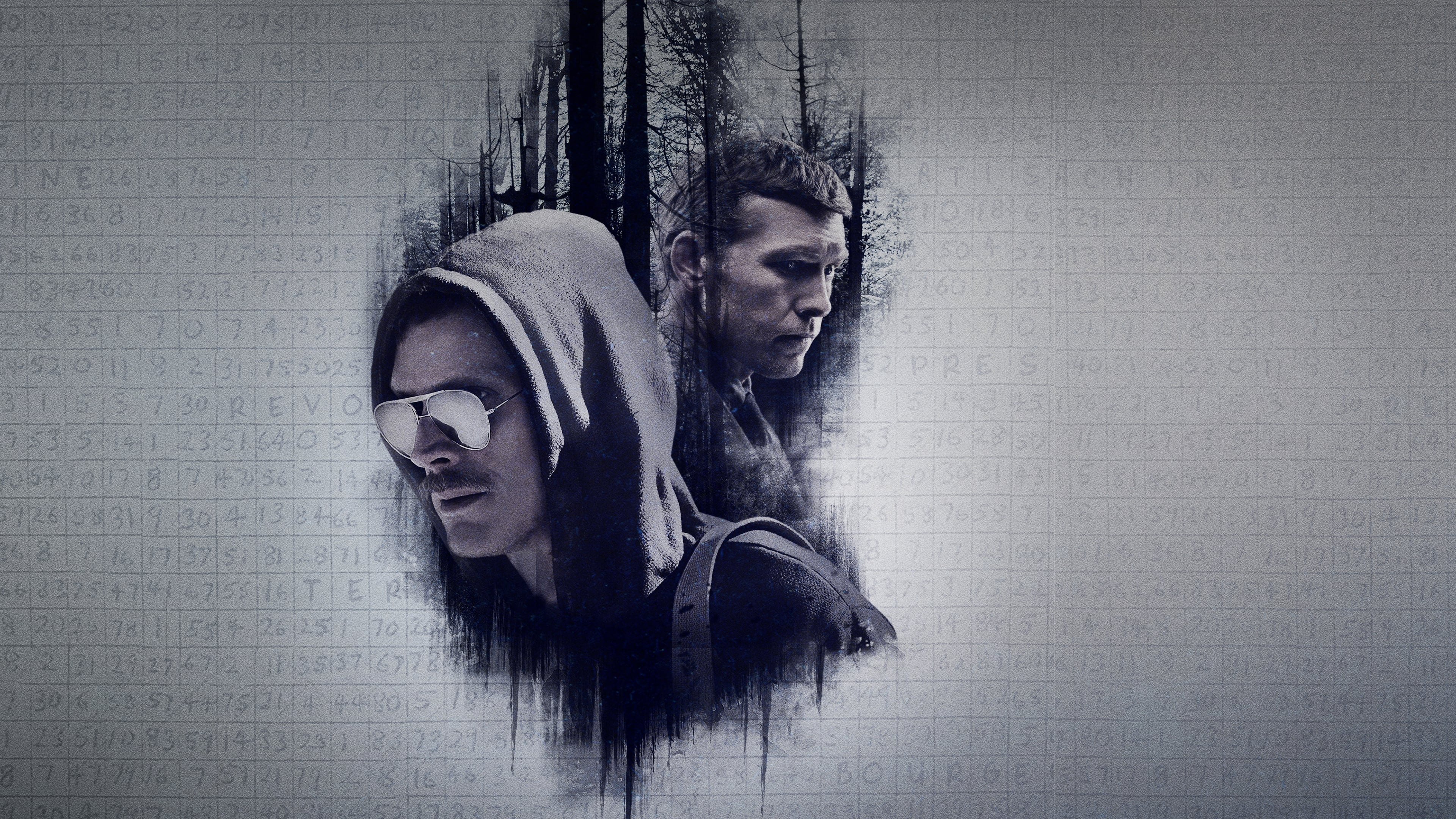
Manhunt: Unabomber scene 1
What did not work: The series sometimes sacrifices historical accuracy for pacing, particularly regarding the interpersonal conflicts within the FBI. The intense, cinematic standoff in the cabin is significantly heightened for dramatic effect, whereas the actual arrest in Lincoln, Montana, was a relatively quiet, albeit tense, conclusion to a multi-year effort.
The Real Ted Kaczynski
Born into a working-class family, Kaczynski was a mathematical prodigy who entered Harvard at age 16. The transition from a brilliant academic to a recluse living in a primitive cabin without running water or electricity remains one of the most puzzling aspects of the case. The series touches upon his early life, including his participation in the disturbing Harvard psychology experiments led by Henry Murray, which some biographers suggest may have contributed to his severe mental deterioration.
Critics often point out that the show treads a fine line by showing the 'human' side of a man who killed three people and maimed several others. While the series offers a psychological portrait, it maintains a clear distance from endorsing his anti-technology ideology, framing it instead as a desperate, violent manifestation of deep-seated isolation and radicalization.
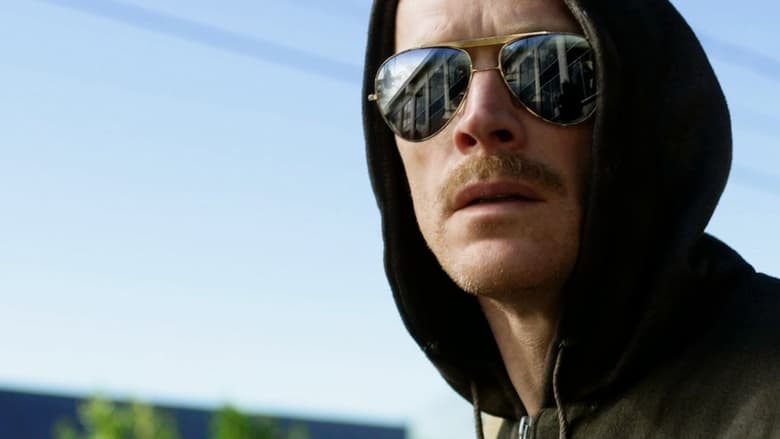
Manhunt: Unabomber scene 2
To understand the Unabomber is to stare into the abyss of a mind that traded human empathy for a rigid, abstract ideology.
What Fans Are Saying
The defenders: Many fans praise the show for its atmospheric tension and for bringing long-forgotten nuances of the 1990s FBI investigation to a modern audience. They argue the performances, particularly Paul Bettany’s turn as Kaczynski, offer a chilling look at the banality of evil.
The critics: Some historians have criticized the series for its "hero narrative," specifically noting that the show centers on the FBI agent rather than the victims of the bombings. There is a sense among some viewers that the show gives too much screen time to the perpetrator's philosophical justifications.
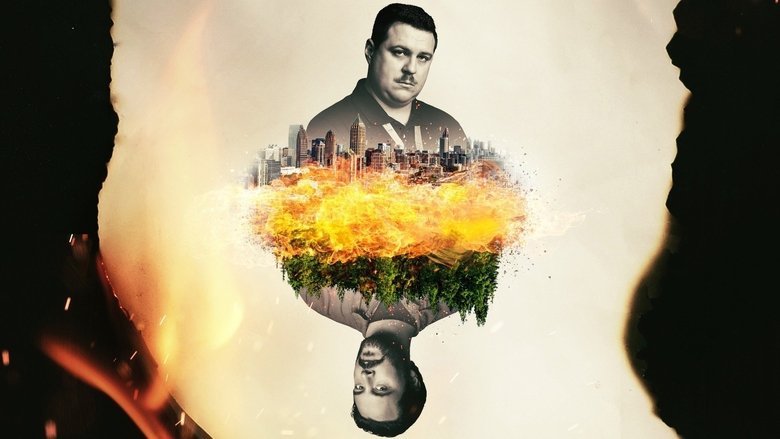
Manhunt: Unabomber scene 3
The middle: Most viewers agree that while it is an engaging, well-acted piece of television, it should be viewed as a dramatized interpretation rather than a documentary, encouraging audiences to seek out the actual court transcripts for the full, non-fictional scope of the tragedy.
The Verdict
The verdict:Manhunt: Unabomber is an essential watch for true-crime enthusiasts, provided they approach it with a healthy skepticism toward its narrative embellishments. It successfully illustrates the monumental shift in FBI investigative techniques during the 1990s, effectively capturing the paranoia of an era defined by a ghost who communicated through letters and explosives.
Ultimately, the story of the Unabomber is a dark reminder of the fragility of societal order. The series leaves us with a lingering question about whether the surveillance state we inhabit today is the very thing Kaczynski feared, or if his violent response was merely the madness of a man who could not reconcile his intellect with the reality of a changing world.