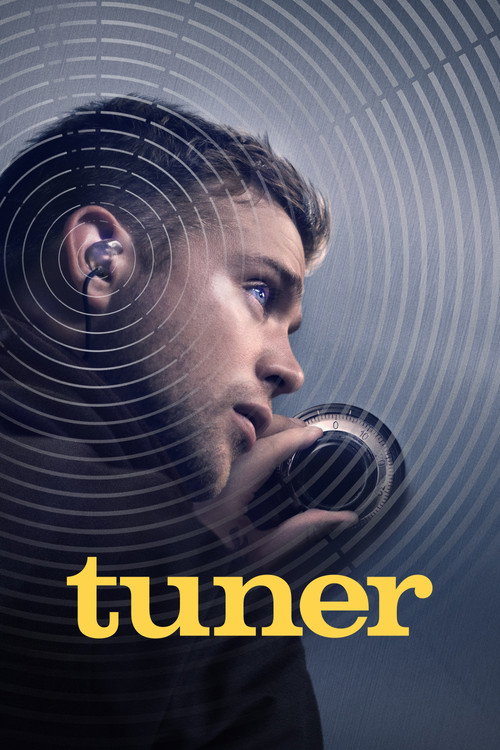
In the world of Daniel Roher’s directorial debut, silence is a luxury and sound is a weapon. Tuner follows Niki White, a former piano prodigy whose hyper-sensitive hearing forces him into a life of piano repair, only to find that his unique auditory gifts make him an unparalleled safecracker.
This stylish neo-noir blends kinetic editing with a jazzy, propulsive score to deliver one of the most refreshing crime thrillers of the year. We explore why this character-driven heist film manages to hit all the right notes.
The Premise of Perfect Pitch
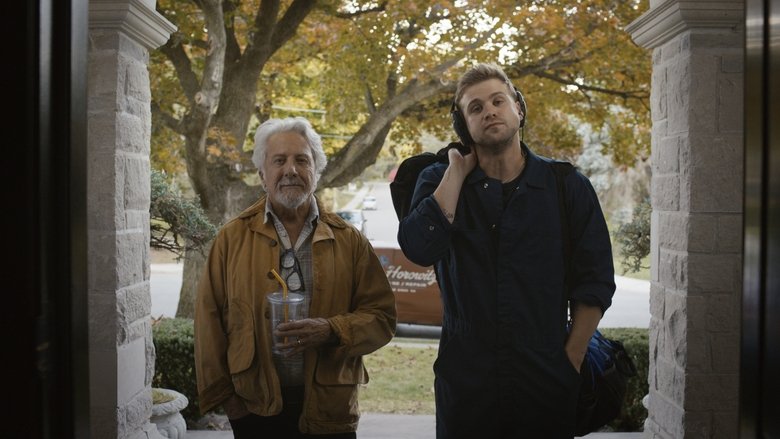
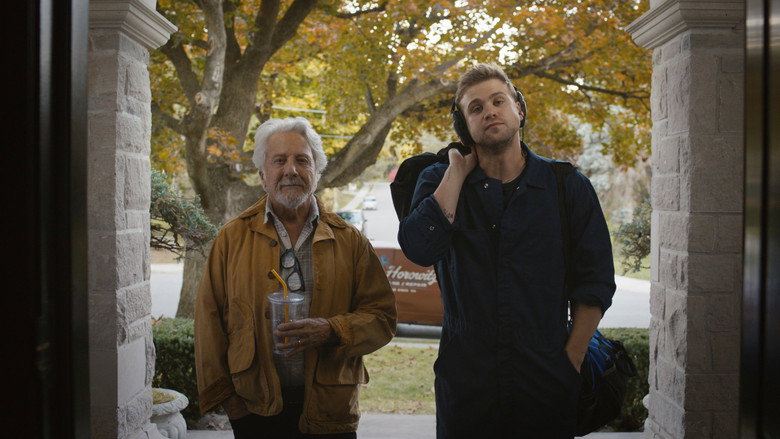
Niki White, played with brooding intensity by Leo Woodall, is a man living on the edge of sensory overload. A former child prodigy, he abandoned his concert career due to hyperacusis, a condition that makes everyday noise physically painful. He now spends his days in the company of his mentor, Harry Horowitz, portrayed by the legendary Dustin Hoffman. Their relationship serves as the emotional anchor of the film, grounding the high-stakes criminal activity in a genuine, lived-in bond between a surrogate father and son.
The narrative kicks into gear when Niki’s financial desperation leads him to cross paths with a group of thieves led by the charismatic Uri. Discovering that his ability to hear the internal mechanics of a piano translates perfectly to the tumblers of a high-end safe, Niki is pulled into a dangerous underworld. What worked: The film’s sound design is nothing short of masterful. By forcing the audience to experience the world through Niki’s ears, Roher creates a visceral tension that elevates standard heist tropes into something far more intimate and anxiety-inducing.
Tuner scene 1
The film’s greatest virtue is reminding us that a film can be modest, imperfect, and still deeply charming.
A Stylistic Heist
Director Daniel Roher, fresh off his Oscar-winning documentary work, brings a documentary-like precision to the film’s quieter moments while channeling the kinetic energy of directors like Edgar Wright during the heist sequences. The editing by Greg O’Bryant is sharp and rhythmic, ensuring that the film moves with the pacing of a well-composed piece of music. It is a rare treat to see a modern thriller that prioritizes character development and atmosphere over mindless spectacle.
What did not work: The subplot involving Niki’s romance with composition student Ruthie, played by Havana Rose Liu, occasionally feels constrained by the genre’s rigid structure. While the chemistry between the two is palpable, the film struggles to fully integrate their relationship into the broader crime narrative, leaving some of their most pivotal interactions feeling slightly underdeveloped compared to the central heist plot.
Roher provides a satisfyingly unsatisfying, perfectly imperfect ending, with a great flourish that draws attention to this loose end that can’t be tied.
What Fans Are Saying
The defenders: Many viewers have praised the film for its refreshing lack of reliance on CGI and massive action set pieces. Fans of the genre appreciate the focus on the technical craft of safecracking and the nuanced performances from the lead cast, particularly Woodall’s ability to convey deep resentment and longing through silence.
Tuner scene 2
The critics: Some reviewers have pointed out that the film follows a fairly conventional path, noting that the beats of the story are predictable for anyone well-versed in the crime thriller genre. These critics argue that while the execution is polished, the script does not necessarily break new ground in terms of narrative innovation.
The middle: Most audiences fall somewhere in between, acknowledging that while Tuner may not be a revolutionary piece of cinema, it is an exceptionally well-made, entertaining, and stylish film that succeeds as a character-driven throwback to 1990s dramas.
Tuner scene 3
The Verdict
The verdict: Tuner is a must-watch for fans of character-focused crime dramas who appreciate a film that values atmosphere and performance over explosive action. It is a lean, mean, and surprisingly heartfelt movie that proves you do not need a massive budget to create a compelling cinematic experience. While it may lean on familiar tropes, the execution is so precise and the performances so strong that it remains one of the most enjoyable thrillers of the summer.
Ultimately, the film succeeds because it treats its protagonist’s condition not just as a plot device, but as a window into his soul. Leo Woodall delivers a star-making performance that anchors the film, ensuring that even when the plot hits familiar beats, the emotional stakes remain high. It is a film that understands the struggle to create harmony from chaos, and in doing so, it finds its own unique rhythm.