This article contains major spoilers for The Trials of Karen Read. Read only if you have already seen it.
When Boston police officer John O'Keefe was found unresponsive in a snowstorm outside a Canton home in January 2022, the ensuing investigation ignited a firestorm of controversy that divided a community and captivated the nation. The case against his girlfriend, Karen Read, became a battleground of conflicting narratives, pitting claims of a drunken accident against allegations of a massive law enforcement cover-up.
The new Netflix documentary The Trials of Karen Read examines the initial investigation, the years of online debate, and the dramatic courtroom battles that ultimately led to a high-profile acquittal. This article breaks down the facts of the case, the competing theories presented in court, and the aftermath of the legal proceedings.
The Night of the Incident
On January 29, 2022, John O'Keefe was discovered in the snow outside the home of Brian Albert, a Boston police officer. He was later pronounced dead at a hospital, with an autopsy revealing multiple skull fractures and blunt force trauma. Karen Read, who had been dating O'Keefe, was one of the first people to arrive at the scene after she and others searched for him when he failed to return home.
Prosecutors quickly focused their investigation on Read, alleging that she had been drinking heavily and, following a heated argument, backed her Lexus SUV into O'Keefe before leaving him to die in the freezing temperatures. This theory formed the basis of the charges brought against her, including second-degree murder, manslaughter while operating under the influence, and leaving the scene of an accident.
The intention was always to make a well-rounded series, and we wanted to try and tell this story from multiple firsthand perspectives. — Danielle Johnson Cutts, Director
The Defense Theory: A Calculated Frame-Up
The defense team, led by attorneys Alan Jackson and David Yannetti, presented a radically different account of the night. They argued that O'Keefe was actually killed during an altercation inside the Albert residence and that his body was subsequently moved to the front lawn. Central to their argument was the claim that law enforcement officials, including members of the Albert family and their associates, conspired to frame Read to protect their own.
Throughout the proceedings, the defense highlighted what they described as suspicious evidence, including the discovery of DNA on Read's vehicle and the handling of the crime scene. They maintained that the investigation was compromised from the start, designed to shield those truly responsible for O'Keefe's death. This narrative fueled a massive online movement, with supporters frequently gathering outside the courthouse to demand justice for Read.
The Legal Outcome
The legal journey was marked by intense scrutiny and procedural hurdles. The first trial, held in 2024, ended in a mistrial after the jury informed the judge they were unable to reach a unanimous verdict. Prosecutors immediately announced their intention to retry the case, leading to a second trial in 2025 that continued to draw national attention.
In June 2025, the jury in the second trial reached a verdict. Karen Read was acquitted of the most serious charges, including second-degree murder and manslaughter. However, she was convicted of the lesser charge of operating a motor vehicle under the influence of alcohol. The acquittal effectively ended the murder case, though the conviction on the OUI charge resulted in a sentence of one year of probation.
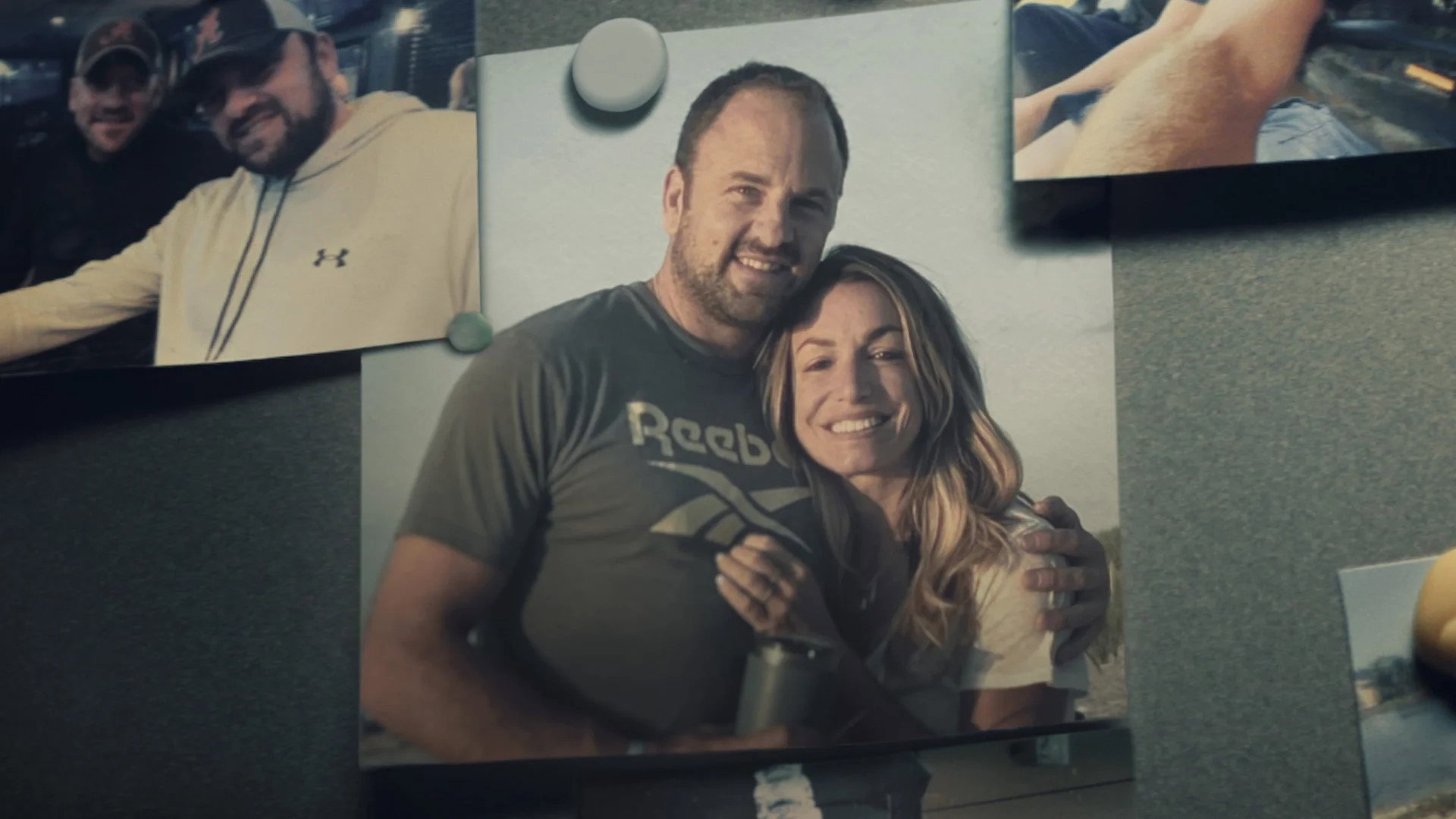
The Trials of Karen Read scene 1
This was about actual human beings with real emotions. Their jobs, community, close friends, ripped apart because of lies that have been spread. — Kayley, John O'Keefe's niece
What Fans Are Saying
The defenders: Many who followed the case online remain convinced that Read was the victim of a corrupt system. They point to the defense's evidence of a cover-up as proof that the truth was suppressed and celebrate her acquittal as a victory against institutional overreach.
The critics: Others, including members of O'Keefe's family and those who trust the initial investigation, maintain that the evidence against Read was substantial. They argue that the defense's conspiracy theory was a distraction that unfairly maligned the reputations of the individuals involved in the case.
The middle: A significant portion of the public remains unsettled by the conflicting narratives. Many viewers of the documentary express frustration that the full truth of what happened inside the house on Fairview Road may never be definitively known, highlighting the limitations of the legal system in resolving such complex, high-stakes disputes.
The Verdict
What worked: The documentary succeeds in providing a platform for voices that were previously unheard, particularly the family of John O'Keefe and those inside the house that night. By focusing on the courtroom proceedings, it offers a grounded look at the evidence that actually reached the jury.
What did not work: Because the film adheres strictly to what was presented in court, it may leave viewers who followed the extensive online speculation feeling that some of their favorite theories were ignored. The absence of a direct interview with Karen Read also leaves a void in the narrative, though the use of her recorded audio serves as a functional substitute.
The verdict: The Trials of Karen Read is a compelling, if sobering, examination of a case that became a cultural flashpoint. It does not provide a neat resolution to the mystery, but it effectively captures the human cost of a tragedy that tore a community apart. Ultimately, the series serves as a reminder of how easily public perception can be shaped by competing narratives in the age of social media.