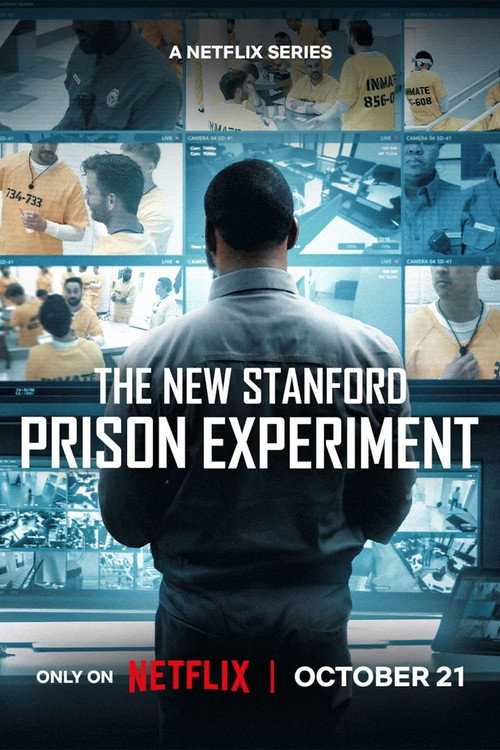
In 1971, psychology professor Philip Zimbardo transformed a basement at Stanford University into a makeshift prison to study the psychological effects of perceived power. While the resulting film adaptations paint a harrowing picture of human nature's capacity for cruelty, the actual event is far more complex and debated than Hollywood portrays.
This article examines what really happened inside the basement, the ethical controversies that stained Zimbardo's reputation, and how modern psychological analysis has fundamentally reinterpreted the study's conclusions.
The Setup and The Simulation
In August 1971, Philip Zimbardo recruited 24 male college students to participate in a two-week study funded by the U.S. Office of Naval Research. The subjects were randomly assigned to roles as either "guards" or "prisoners," with the basement of Jordan Hall outfitted with steel bars and surveillance equipment. The goal was to observe how institutional roles influenced behavior, but the study spiraled out of control in less than six days.
What the film shows is a rapid descent into sadism by the guards and psychological trauma for the prisoners. The reality, however, included significant coaching from Zimbardo himself. Audio recordings recovered years later revealed that the lead researcher was not a neutral observer, but an active participant who encouraged the guards to maintain control and enforce dominance, casting doubt on the idea that the brutality occurred spontaneously.
The experiment wasn't just observing behavior; it was a performance directed by the lead researcher to achieve a specific, predetermined outcome.
The Myth of Spontaneous Evil
For decades, the Stanford Prison Experiment was cited as proof that "good" people naturally become cruel when placed in positions of unchecked power. This narrative served as a cornerstone of introductory psychology classes and even influenced military training. However, critics argue that the study relied on "demand characteristics," where participants behaved in ways they believed the experimenter wanted them to behave.
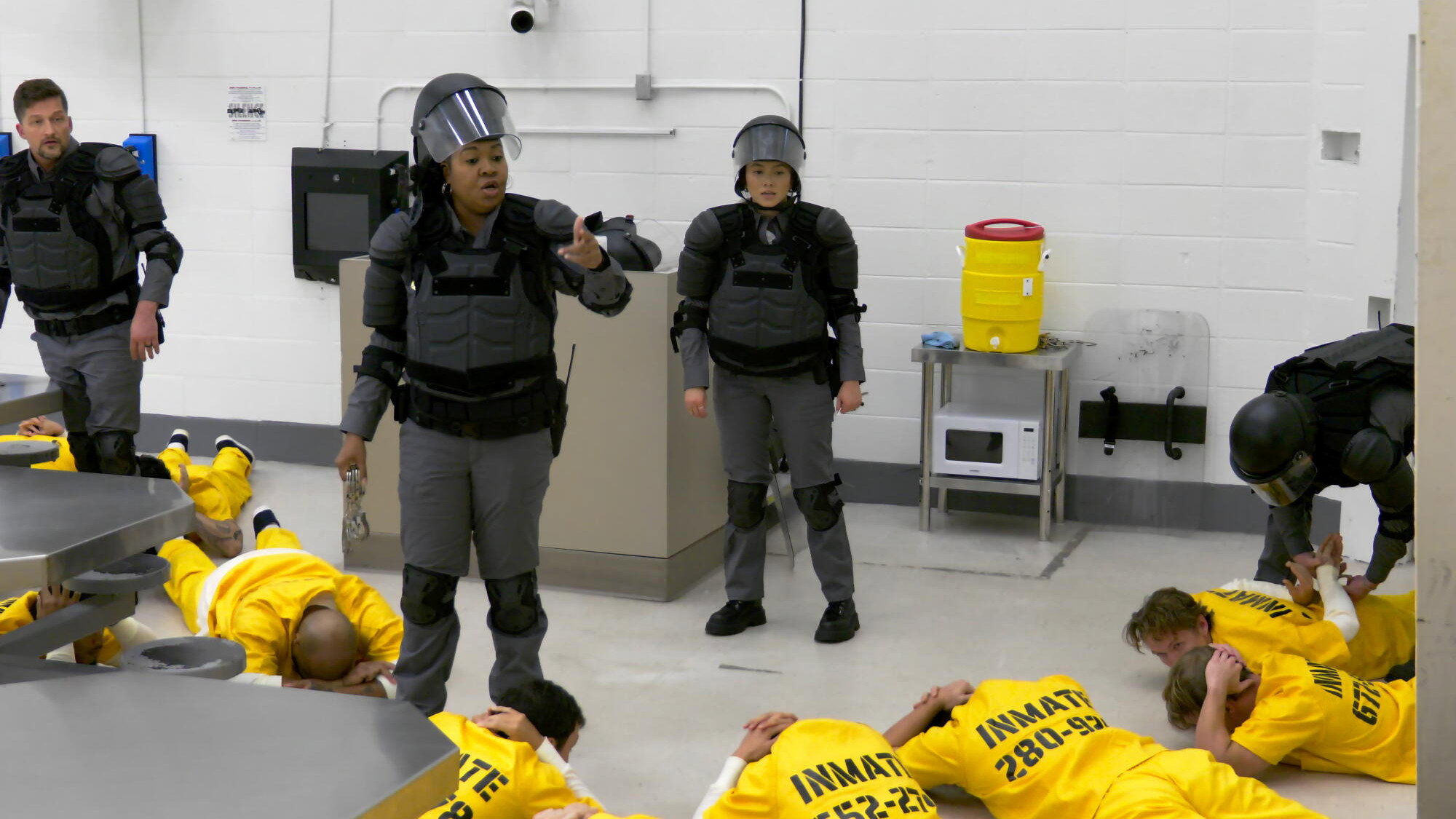
The Stanford Prison Experiment scene 1
What worked: The study successfully sparked a critical conversation about the ethics of prison reform and human rights in detention centers. What did not work: The scientific methodology was severely flawed. Critics, including fellow psychologists, have pointed out that the recruitment flyer specifically asked for individuals "interested in a prison simulation," which likely self-selected for individuals with higher levels of aggression and authoritarian traits.
The Role of the Researcher
Perhaps the most damning revelation in recent years has been the extent to which the guards were instructed to act. Interviews with participants conducted long after the study finished indicated that many of the guards were unsure how to "act" like guards until Zimbardo and his team provided explicit instructions to be harsh. This suggests that the "situational power" Zimbardo championed may have been artificial.
The verdict: The Stanford Prison Experiment is better understood as a case study in failed institutional ethics rather than a definitive statement on human nature. It serves as a reminder that science requires rigorous, unbiased observation, and that even the most famous studies must be scrutinized through the lens of modern accountability.
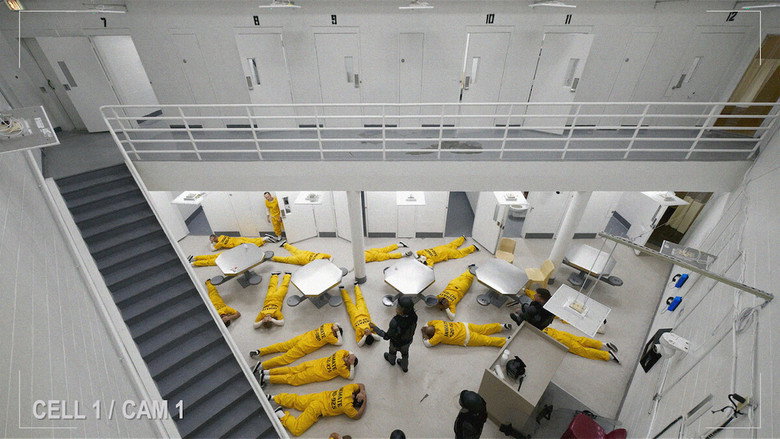
The Stanford Prison Experiment scene 2
The study tells us less about human nature and more about the dangers of unchecked academic authority.
What Fans Are Saying
The defenders: Many still argue that the study's core message—that systems can dehumanize individuals—remains relevant regardless of the procedural failures. They maintain that the visceral reaction of the participants is undeniable evidence of the psychological weight of the situation.
The critics: Modern researchers highlight the lack of peer-reviewed data and the suppression of conflicting evidence. They argue that the "Stanford Prison Experiment" should be removed from textbooks as a landmark study and reclassified as a cautionary tale about biased research.
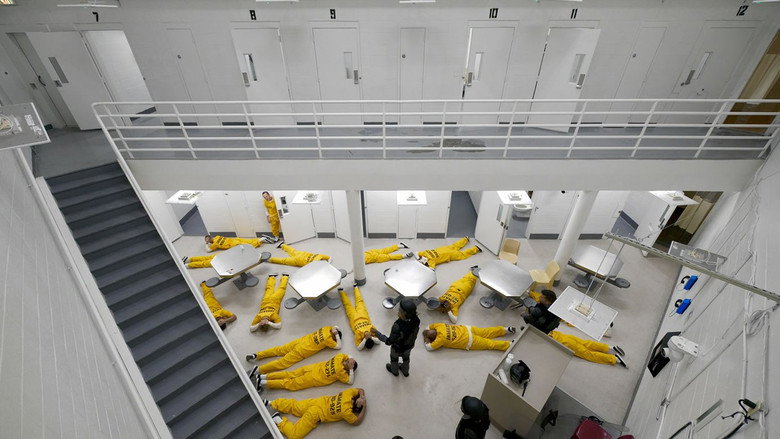
The Stanford Prison Experiment scene 3
The middle: Some suggest that the study holds value as a psychological artifact. By understanding why the study was flawed, we learn more about how cognitive bias can blind even the most respected experts in the scientific community.
Conclusion
Ultimately, the legacy of the Stanford Prison Experiment is one of deception and debate. While it remains one of the most famous psychological experiments in history, it serves as a powerful reminder that we should question the narratives we are fed, even those that seem to confirm our darkest suspicions about humanity.
History is rarely as simple as a film script. By deconstructing the events of 1971, we gain a clearer understanding of how myths are manufactured and how the truth often lies in the overlooked, messy details of reality.