This article contains major spoilers for Paper Tiger. Read only if you have already seen it.
James Gray has spent his career mining the complexities of his own upbringing in Queens, but his 2026 thriller Paper Tiger marks his most harrowing dive into the past. While the film functions as a tense, Hitchcockian crime drama, it is deeply rooted in the director's own childhood memories of environmental decay, family instability, and the looming threat of violence.
The film blends autobiographical trauma with noir-inflected fiction, exploring how the pursuit of the American dream in the 1980s led one family into a dangerous collision with the Russian mob.
A Foundation of Personal History
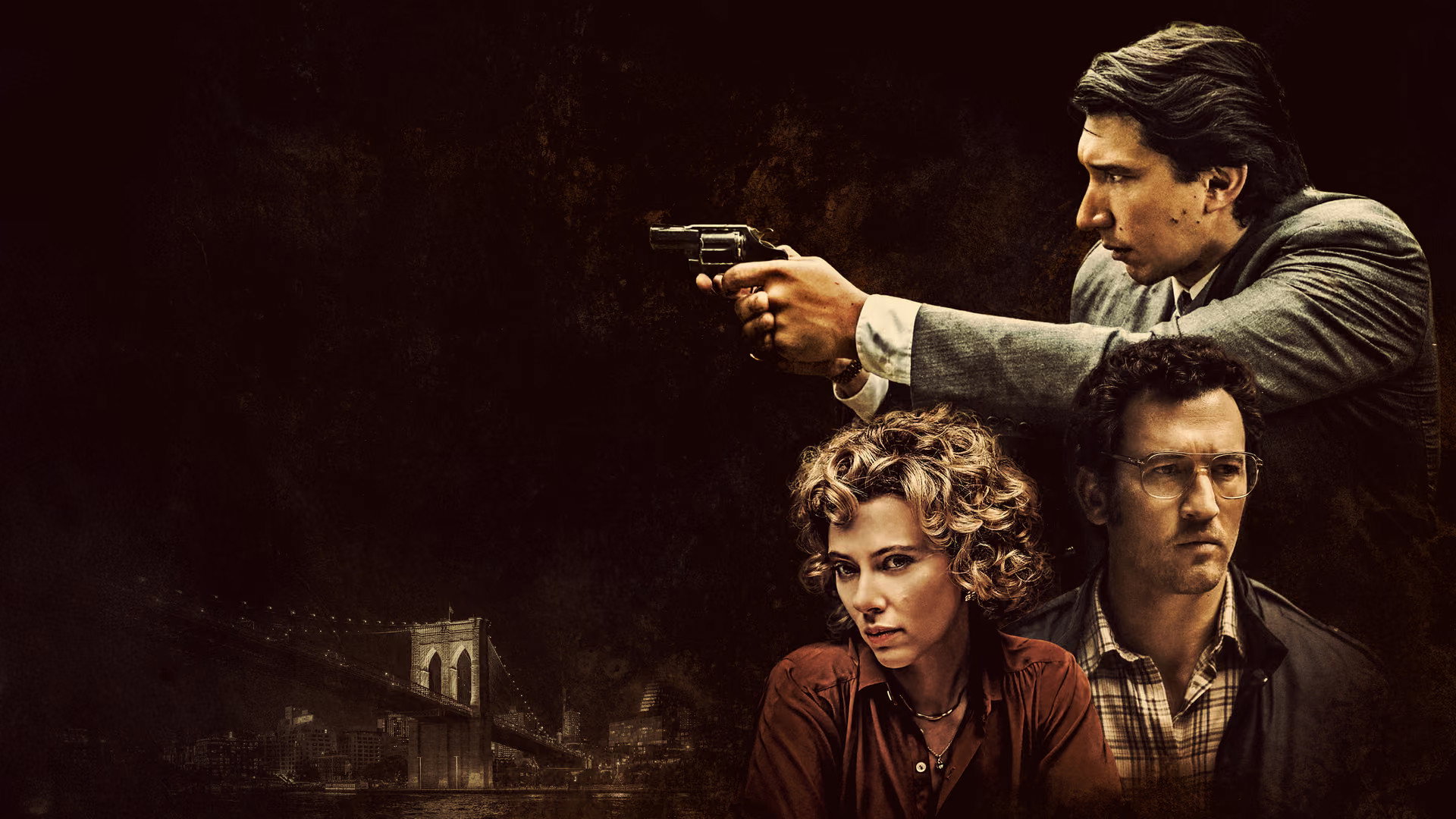
James Gray has long utilized the crime genre as a vessel for autobiography, and Paper Tiger is no exception. Set in 1986, the film follows Irwin Pearl, an engineer played by Miles Teller, and his brother Gary, played by Adam Driver, as they become entangled with a criminal enterprise operating under the guise of a cleanup project at the Gowanus Canal. Gray has stated that approximately 90 percent of the film is derived from incidents and memories from his own family history.
The character of Irwin is directly modeled after Gray’s father, an electronics salesman whose financial struggles eventually led to legal trouble and a criminal conviction. Similarly, the character of Hester, played by Scarlett Johansson, is inspired by Gray’s mother, who passed away from glioblastoma. Gray has frequently linked the environmental pollution of his childhood home in Queens, situated between two major airports, to the health struggles of his family, viewing the physical decay of the city as a manifestation of moral corruption.
The ecological catastrophe we created is the perfect physical manifestation of the corruption of our souls. — James Gray
The Reality of the Gowanus Canal
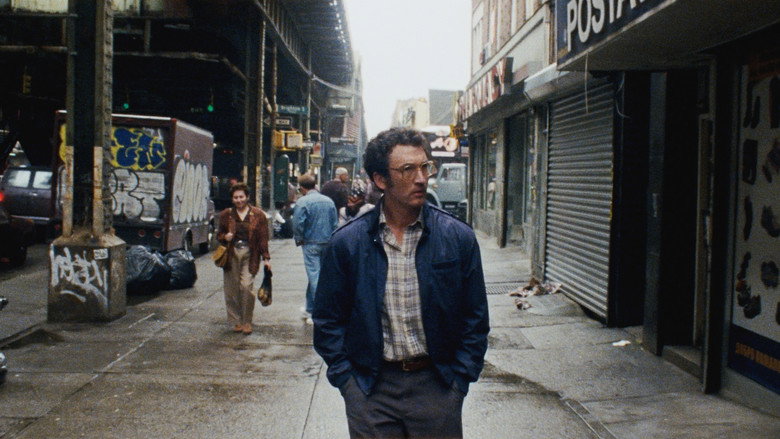
In the film, the inciting incident occurs when Irwin and Gary attempt to capitalize on the cleanup of the Gowanus Canal in Brooklyn. While the film is a work of fiction, the setting reflects the real-world economic and environmental anxieties of the era. The canal, a notorious industrial site, serves as the backdrop for the brothers' descent into a world of Russian organized crime. Gray uses this setting to critique the Reagan-era obsession with wealth, where the pursuit of the American dream often blinded individuals to the ethical costs of their actions.
Paper Tiger scene 1
The tension in the film is heightened by the contrast between the domestic life of the Pearl family and the encroaching violence of the mob. Gray emphasizes that the crime elements are not merely for effect but are integral to the story of a family in over their heads. By grounding the narrative in the specific textures of 1980s New York, the film captures a sense of dread that feels both historical and deeply personal.
Trauma Transformed into Cinema
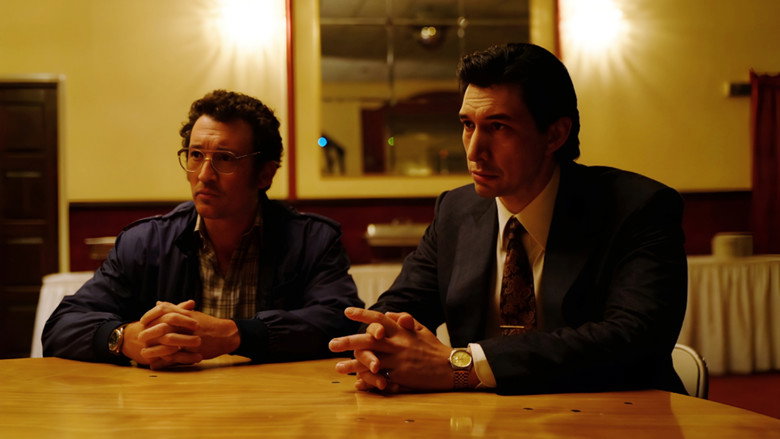
Several of the film's most intense sequences are pulled directly from Gray’s own life. One pivotal scene, where the family is held at knifepoint in their own car, is a recreation of a traumatic event the director experienced as a child. Gray has spoken about his ability to recall the sensory details of that moment, from the smell of the car seats to the sound of the subway, and he sought to translate that visceral fear onto the screen.
Paper Tiger scene 2
Another harrowing sequence, a shootout in the tall grass near LaGuardia Airport, is inspired by a recurring nightmare Gray had after getting lost in that same area as a boy. While the film adds the element of Russian gangsters to heighten the stakes, the emotional core of the scene remains rooted in the director's genuine childhood terror. This approach allows the film to transcend the conventions of a standard crime thriller, turning it into a meditation on the fragility of family safety.
You’re not sitting there thinking, I have to recreate this moment exactly. I might veer slightly, or massively, from the factual truth. But I try not to. Instead, you search for a kind of greater truth. — James Gray
What Worked and What Did Not
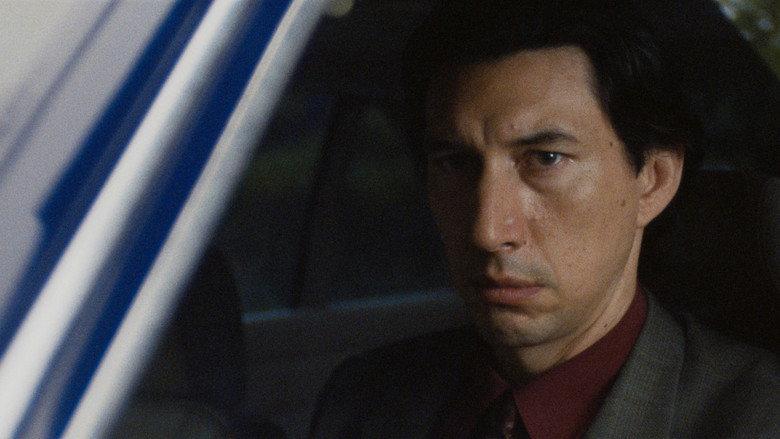
What worked: The film excels in its atmospheric tension and the performances of its lead trio. Miles Teller, Scarlett Johansson, and Adam Driver bring a grounded, authentic quality to their roles that prevents the film from feeling like a standard genre exercise. The use of 35mm film and vintage lenses provides a tangible, period-accurate aesthetic that avoids the common pitfalls of fetishizing the 1980s.
What did not work: Some viewers may find the pacing deliberate, as Gray prioritizes character development and subtext over rapid-fire action. The film’s bleak outlook on the American dream and the inevitability of the characters' downfall may also prove challenging for audiences expecting a more traditional, triumphant crime narrative.
Paper Tiger scene 3
The verdict: Paper Tiger is a masterful, deeply personal work that succeeds as both a tense thriller and a poignant family drama. It stands as a testament to Gray’s ability to find universal themes within the specific, often painful, details of his own life.
Conclusion
Paper Tiger is ultimately a film about the cost of ambition and the difficulty of protecting those we love in a world that is fundamentally indifferent to our struggles. By weaving his own history into the fabric of a noir thriller, James Gray has created a work that feels both intimate and expansive. It is a haunting reminder that the most dangerous threats are often the ones we invite into our homes in the name of a better life.