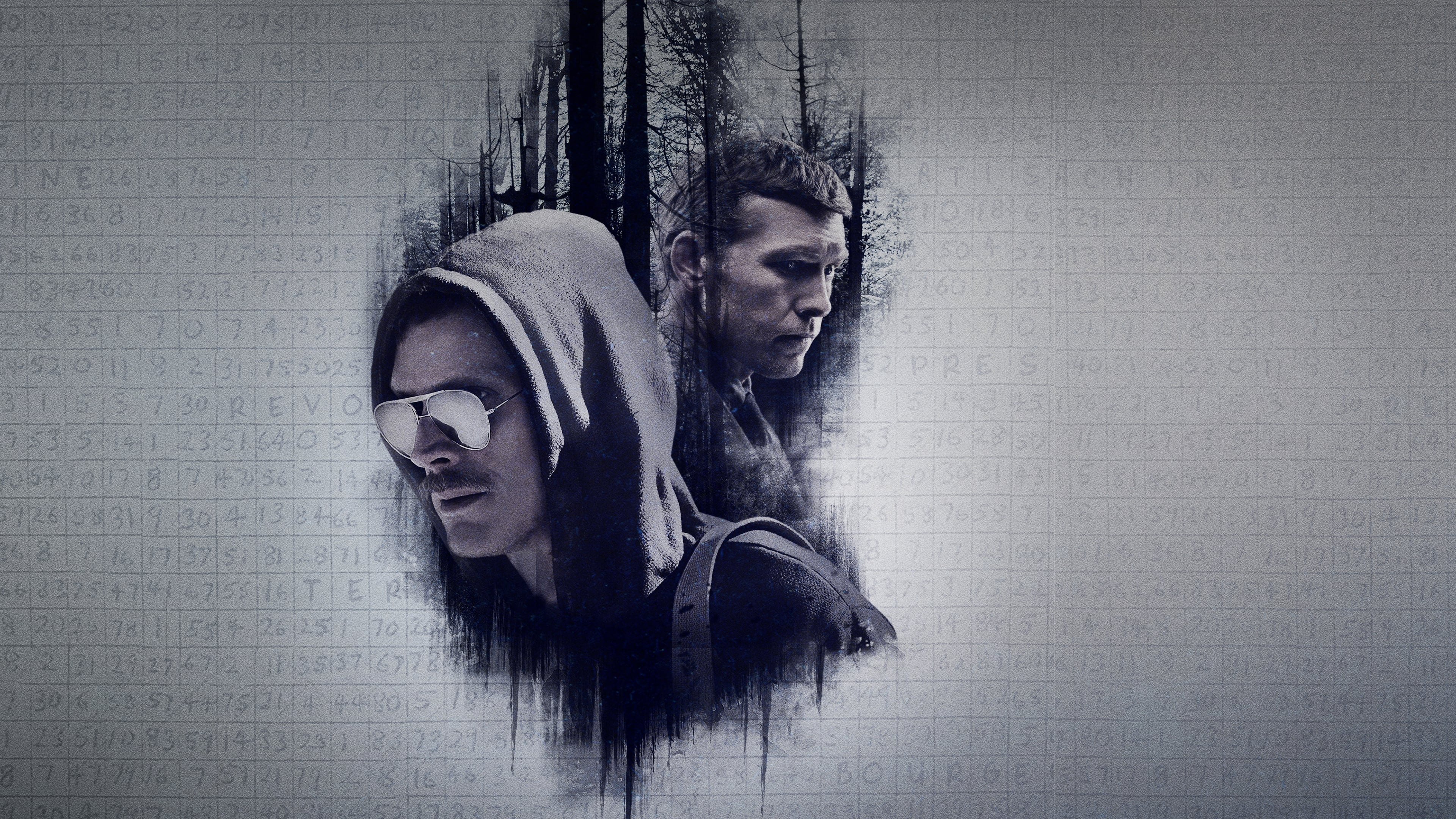
This article contains major spoilers for Manhunt: Unabomber. Read only if you have already seen it.
For nearly two decades, the most elusive domestic terrorist in American history operated from a remote cabin in the Montana wilderness, evading the FBI while crafting deadly explosive devices. Netflix's dramatization, Manhunt: Unabomber, brings this chilling manhunt to the screen, but it also takes significant liberties with the timeline and the methodologies used to finally bring Theodore Kaczynski to justice.
This article explores the real FBI investigation, the role of forensic linguistics, and the key differences between the miniseries' high-stakes drama and the methodical reality of one of the 20th century's most complex criminal cases.
The Hunt for the Unabomber
The terror campaign of the Unabomber began in 1978 and lasted until 1995, spanning 17 years and resulting in three deaths and dozens of injuries. The FBI task force, code-named UNABOM (University and Airline Bomber), faced a suspect who left almost no forensic evidence, forcing agents to rely on behavioral profiling and the analysis of the suspect's written manifestos.
While the Netflix series focuses on a fictionalized mentor-mentee relationship between criminal profiler Jim Fitzgerald and Ted Kaczynski, the reality was a massive, collaborative effort across multiple agencies. What the show gets right: It accurately captures the desperation of the FBI, which had effectively hit a dead end until the 1995 publication of the manifesto, Industrial Society and Its Future.
The manifesto was the Unabomber's undoing; he wanted his ideology to be heard, but he instead provided the smoking gun that revealed his identity.
Forensic Linguistics: The Real Game Changer
The series highlights Jim Fitzgerald’s pioneering use of forensic linguistics, which is indeed the core of the real-life investigation. Fitzgerald analyzed the word choice, phrasing, and idiosyncratic spelling in the manifesto and compared it to letters Kaczynski had written to his family and newspaper editors.
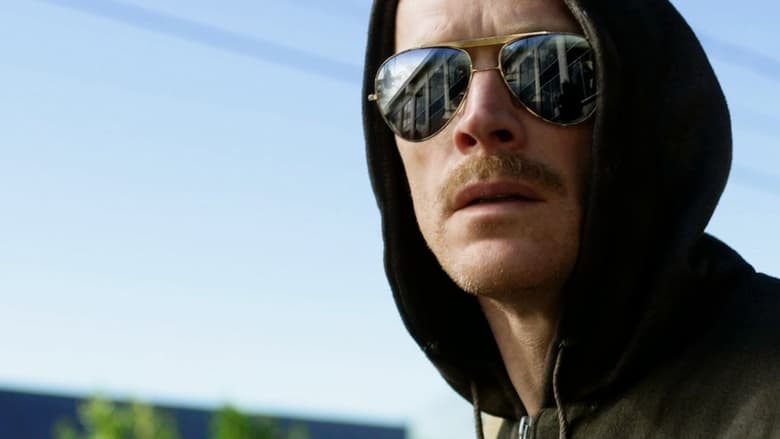
Manhunt: Unabomber scene 1
What worked: The show masterfully builds tension around the linguistic analysis, showing how a single phrase or unique misspelling can narrow down a suspect list from millions to one. What did not work: The dramatic face-to-face interrogations between Fitzgerald and Kaczynski in the series are largely invented for television. In reality, the legal team and FBI agents had to navigate a complex set of constitutional and psychological hurdles that didn't involve tense, cinematic prison interviews.
Linguistic profiling is not a parlor trick; it is a rigorous process of identifying the 'fingerprints' left in an author's syntax and vocabulary.
The Capture: A Less Cinematic Reality
The climactic arrest of Ted Kaczynski in his Montana cabin was, according to those present, a surprisingly anticlimactic affair compared to the high-octane sequences seen on screen. Agents arrived at the remote location on April 3, 1996, and found Kaczynski living in squalor, surrounded by bomb-making components and journals detailing his crimes.
The verdict: While the series creates a compelling psychological thriller, it compresses years of tedious, ground-level police work into a few intense episodes. The real investigation succeeded not because of one genius investigator, but because the Unabomber made a fatal ego-driven error by demanding his manifesto be published in major newspapers.
Manhunt: Unabomber scene 2
What Fans Are Saying
The defenders: Fans of the series praise it for humanizing the investigative process and making the dry, intellectual world of linguistics feel like a high-stakes thriller. Many viewers found the performance by Paul Bettany as Kaczynski to be a hauntingly accurate portrayal of a fractured, isolated genius.
The critics: Historical purists point out that the show's focus on Fitzgerald (played by Sam Worthington) as a lone wolf is a disservice to the hundreds of analysts and agents who spent years meticulously parsing evidence. The show’s narrative structure prioritizes drama over the reality of federal bureaucracy.
Manhunt: Unabomber scene 3
The middle: Most viewers agree that while Manhunt: Unabomber shouldn't be used as a primary historical source, it serves as an excellent entry point into understanding the logistical nightmare of the Unabomber case.
Conclusion
The story of Ted Kaczynski remains a cautionary tale about the intersection of intellectual radicalization and extreme violence. By shifting the focus from the act of murder to the act of communication, the investigation into the Unabomber changed the way the FBI approaches domestic terrorism today.
Ultimately, the real capture of the Unabomber stands as a testament to the power of language as evidence. It wasn't a fingerprint or a strand of hair that led to the end of his terror, but the very words he used to justify it.